



Painted Delft Ceramic
These painted delft ceramic pieces bring centuries of tin-glazed earthenware into the room, offering a rich study in cobalt and manganese pigments.
Painted Delft Ceramic
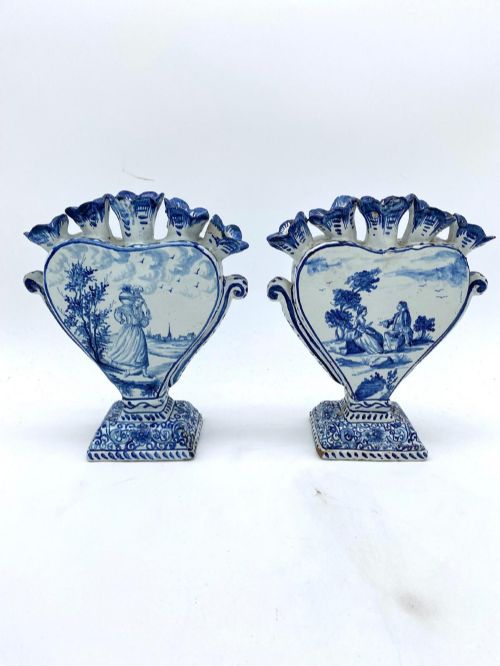
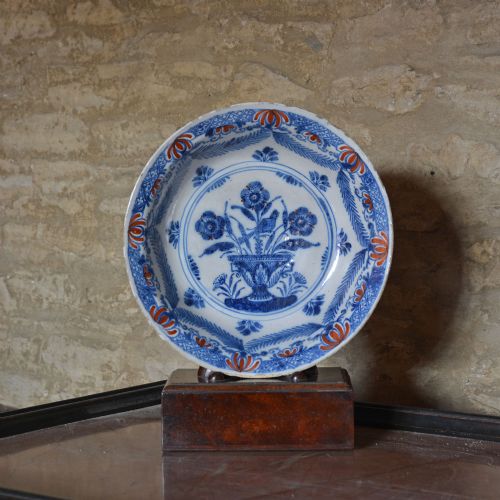
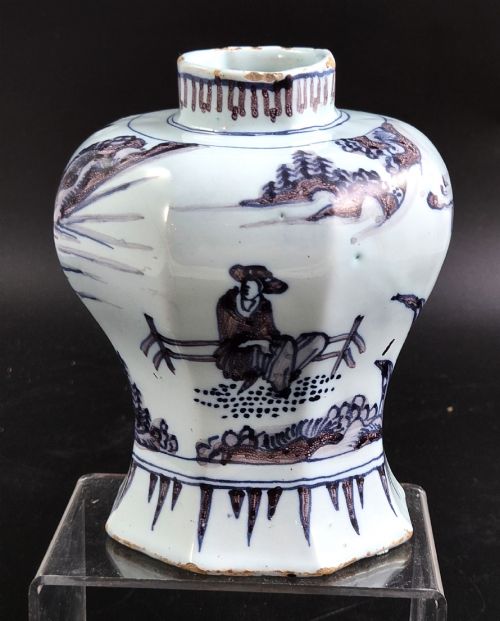
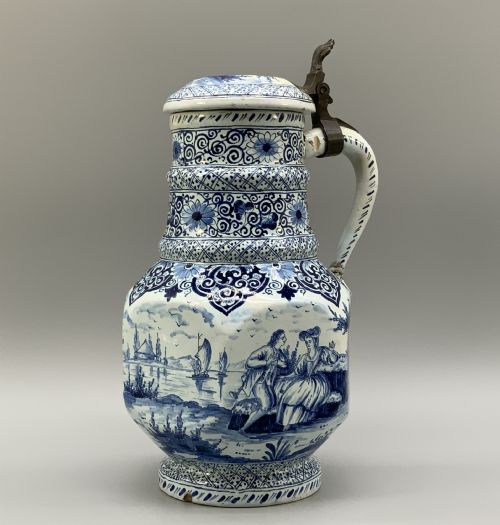
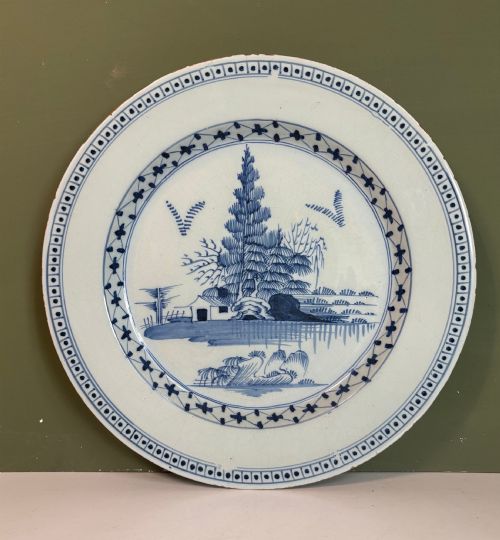
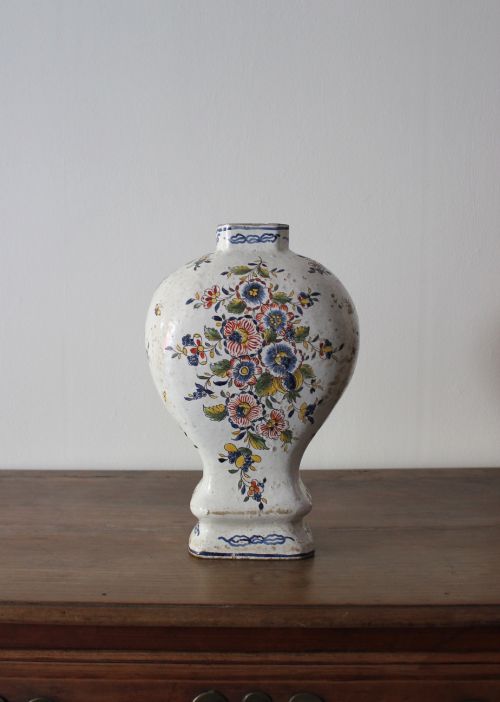
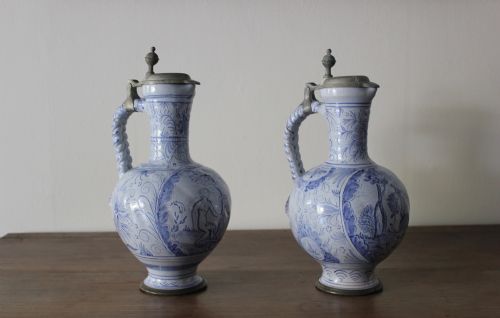
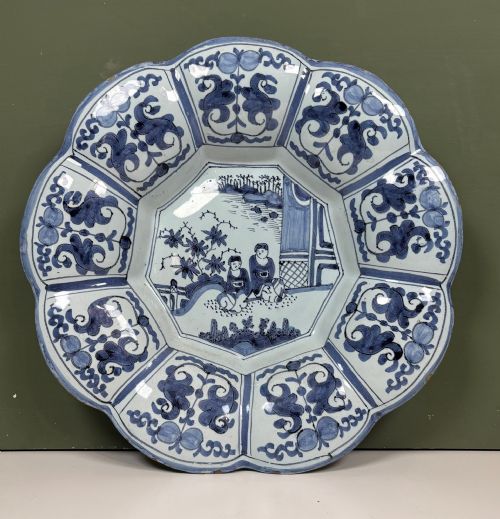
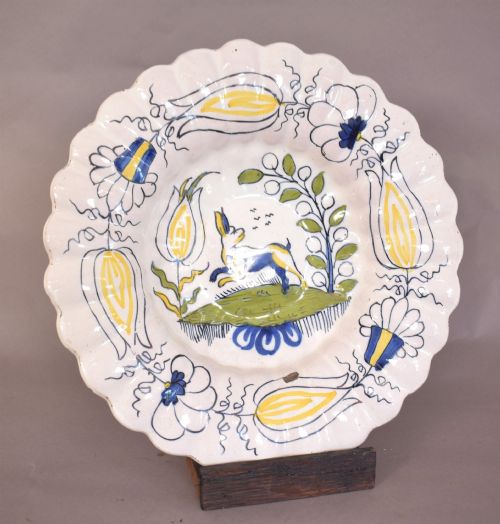
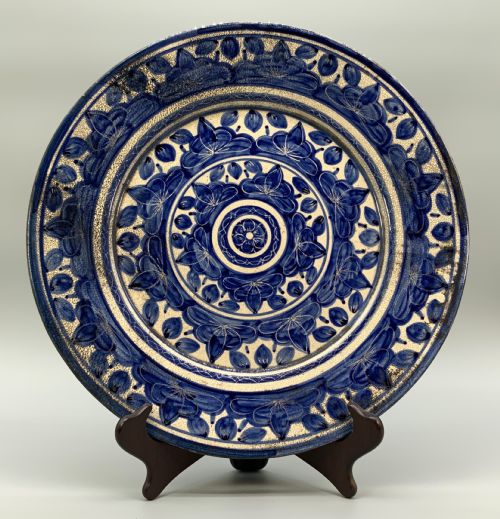
Painted delft ceramic objects span centuries of tin-glazed earthenware production, appearing most frequently on this page as chargers, decorative plates, bowls, and vases originating from Dutch and English workshops.
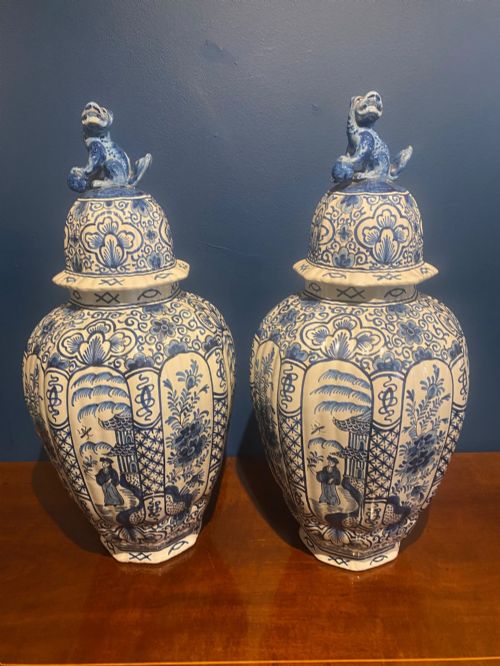
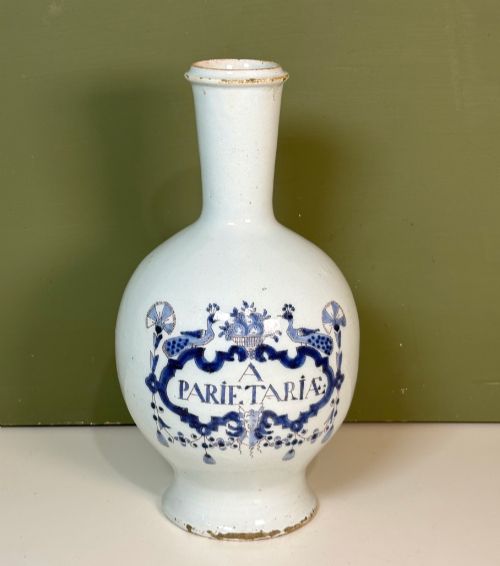
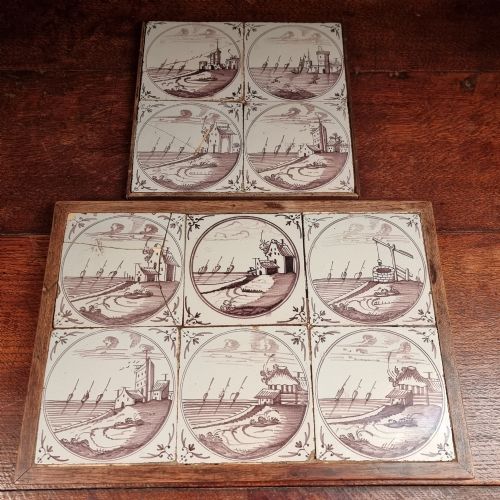
The selection ranges from early seventeenth-century tiles and apothecary bottles to later nineteenth-century revival vases and twentieth-century Moorish style charger plates.
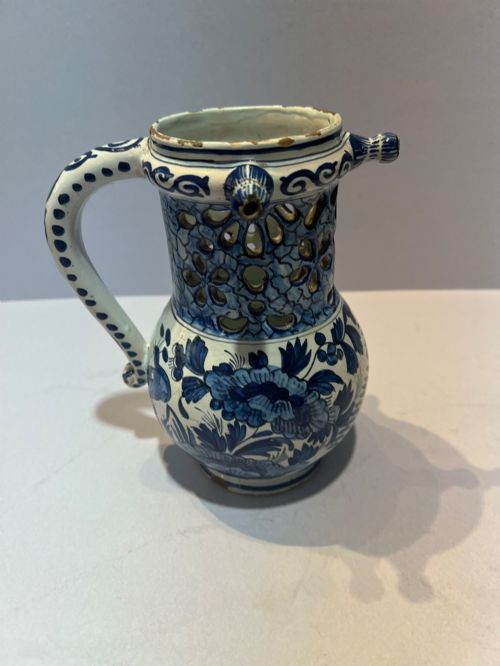
Buyers encounter distinct utilitarian and display forms, including puzzle jugs, barber's bowls, snuff boxes, and garden urns decorated in blue and white or polychrome palettes.
Materials and construction methods
Potters shaped these items from earthenware clay before coating the body in an opaque white tin glaze that provided a smooth canvas for subsequent decoration.
Painters applied cobalt oxide and manganese pigment directly onto the absorbent unfired or biscuit-fired glaze, causing the metallic oxides to fuse into the surface during kiln firing.
Painted Delft Ceramic Retail Price Guide 2026
Typical asking prices for painted delft ceramic among the pieces listed under this phrase on Sellingantiques today, from the lower quarter to the upper quarter. They describe what is for sale here now, not the wider market.
Listings feature earthenware materials decorated with cobalt oxide and manganese pigment across the seventeenth, eighteenth, and nineteenth centuries.
Distinctions in execution and design
Quality rests in the crispness of the hand-painted brushwork, where fluent botanical or figurative motifs display confident control over the pigment running into the tin glaze.
The stability of the earthenware body and the evenness of the white glaze application separate finely potted vessels from heavier, coarser utilitarian wares.
The Painted Delft Ceramic Glossary
- Tin-glazed earthenware
- Pottery covered with a lead glaze made opaque by the addition of tin oxide. This white surface forms the traditional background for painted blue or polychrome designs.
- Charger
- A large ornamental plate intended for display on a wall or dresser rather than for dining use. These pieces often feature expansive painted scenes across the central well.
- Cobalt oxide
- A metallic mineral compound used to produce deep blue pigments on ceramic wares. It withstands high kiln temperatures without losing its intense colour.
- Manganese pigment
- A metallic additive used by potters to create rich purple, brown, or black tones. It frequently appears alongside cobalt on seventeenth and eighteenth-century pieces.
- Puzzle jug
- A drinking vessel with a perforated neck and a hollow rim that prevents normal drinking. The drinker must cover hidden holes or use a concealed straw tube to consume the liquid without spilling.
Painted Delft Ceramic: Frequently Asked Questions
What is painted delft ceramic?
These items consist of tin-glazed earthenware bodies decorated with hand-painted pigments, predominantly utilising cobalt blue or manganese on an opaque white background.
Production spans from the seventeenth century onward, encompassing utilitarian vessels, tiles, and large display chargers originating primarily from the Netherlands and England.
How were these ceramics used originally?
Many forms served domestic or apothecary functions, including drug jars, barber's bowls for bleeding, puzzle jugs for tavern amusement, and lidded jars for storage.
Larger chargers and decorative plates were principally intended for visual display on walls or sideboards within prosperous homes.
How do I distinguish seventeenth from eighteenth century pieces?
Seventeenth-century examples often exhibit heavier potting, distinct tin-glaze characteristics, and specific motif arrangements derived from early Chinese porcelain imports.
Eighteenth-century items frequently show thinner bodies, refined manganese or polychrome palettes, and standardised European floral or landscape layouts.
How should I care for antique delftware?
These pieces require gentle handling and stable indoor environments away from rapid temperature fluctuations or moisture. Tin glaze remains susceptible to chipping along the edges and crazing over time.
Cleaning should involve only a dry or slightly damp soft cloth, avoiding harsh detergents or soaking in water.