




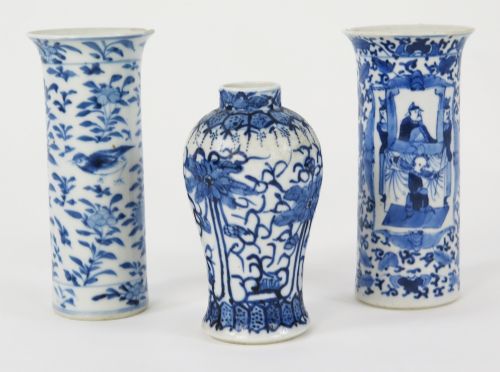
Painted Ceramic Vessel
A painted ceramic vessel brings centuries of kiln craft and pigment artistry into a room, offering functional display forms from diverse global traditions.
Painted Ceramic Vessel
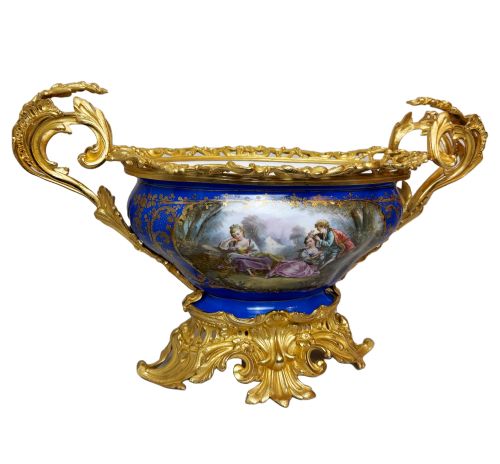
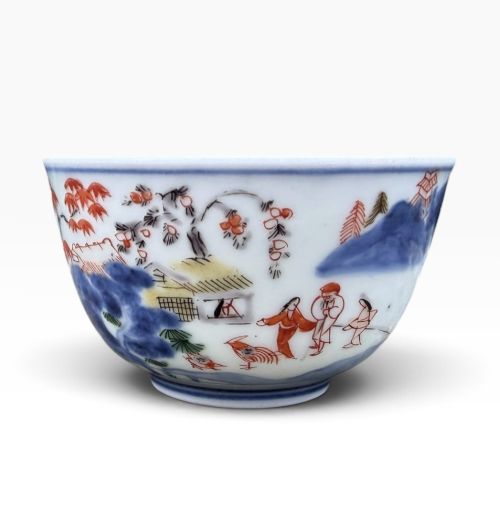
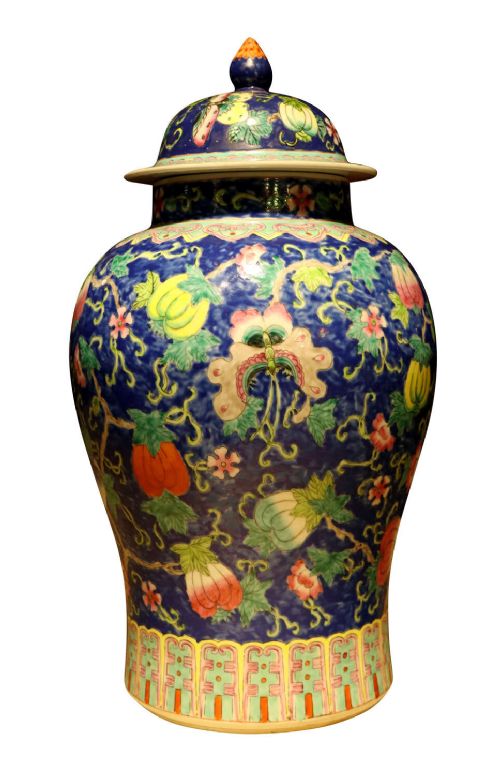
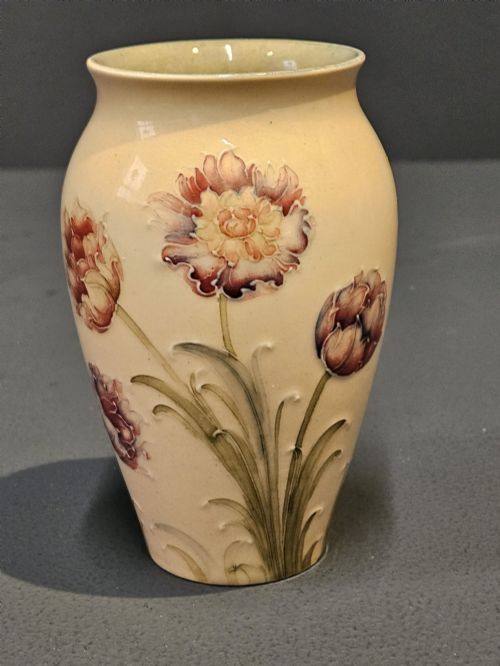
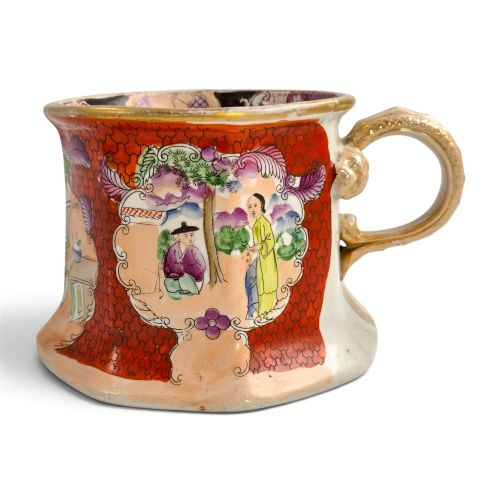
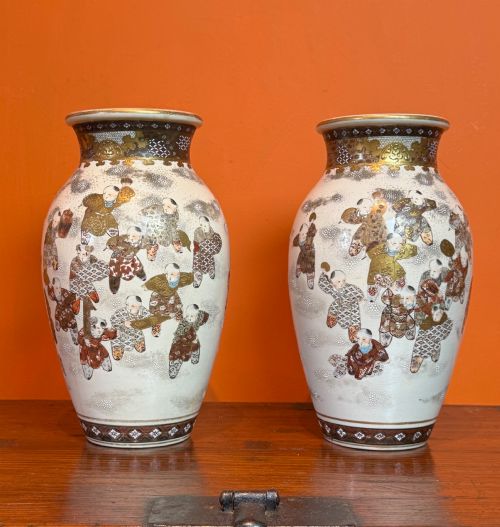
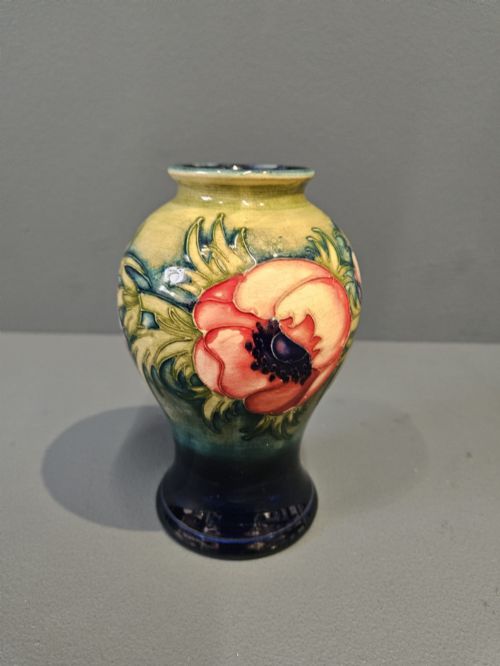
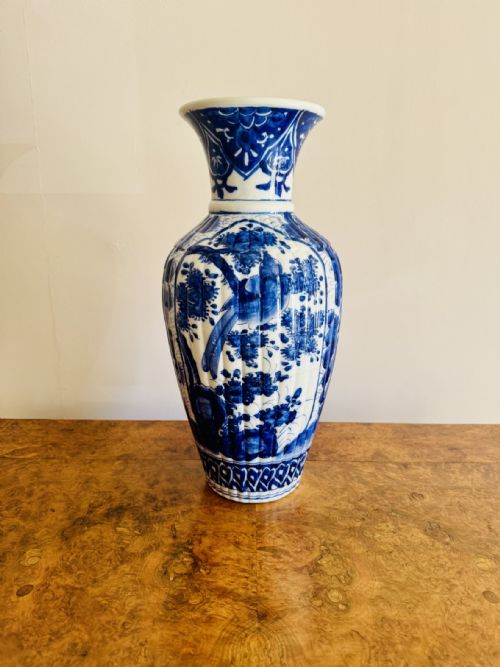
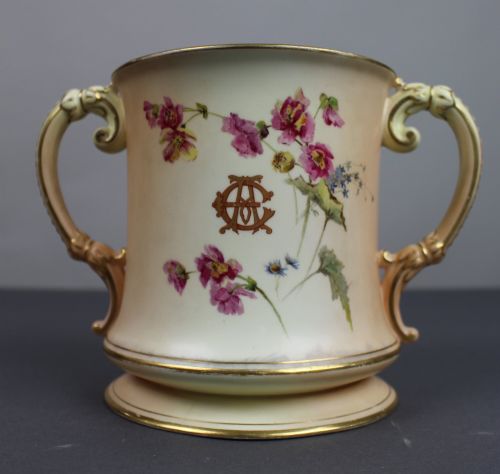
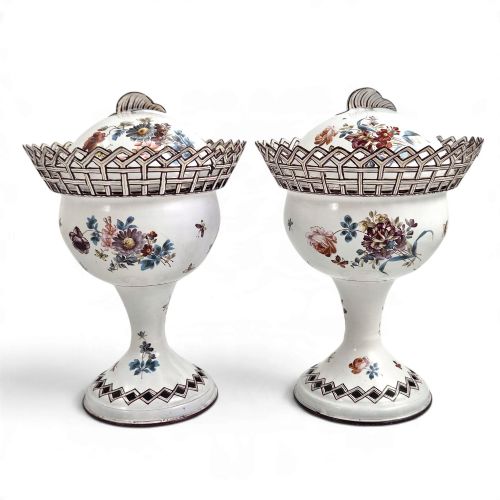
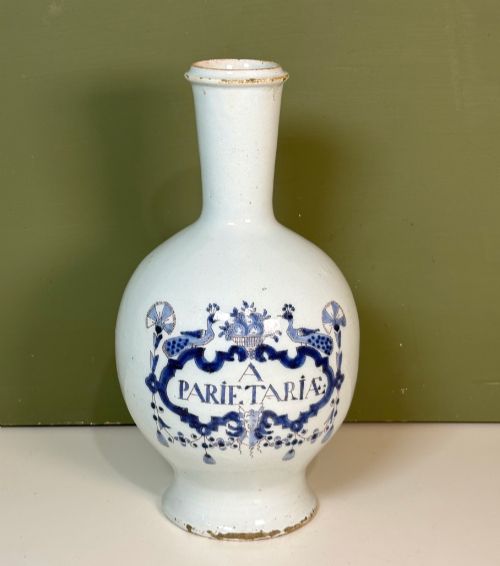
A painted ceramic vessel covers a broad family of historical containers designed for display, storage, and ritual use across European, Asian, and Middle Eastern workshops. When exploring this selection, buyers encounter everything from massive Chinese porcelain jars and Japanese Imari bowls to English Worcester porcelain urns and Dutch Delft apothecary bottles.
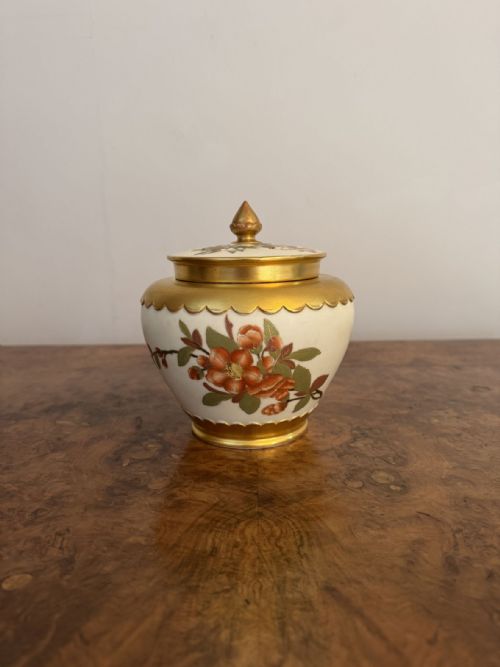
The objects span centuries of ceramic production, incorporating earthenware, stoneware, and fine porcelain shaped into vases, ginger jars, loving cups, and pilgrim flasks. Pieces range from austere blue and white export wares to heavily gilded Victorian creations and polychrome Qajar pottery.
Most examples originate from established historical periods including the 18th and 19th centuries, alongside specialised regional phases such as the Meiji period in Japan and the Qing dynasty in China. Buyers frequently find utilitarian pharmacy vessels alongside highly decorative cabinet pieces intended purely for visual impact.
Materials and construction
Makers shaped these vessels from refined clay bodies, earthenware, or hard-paste porcelain, often throwing them on a potter's wheel or pressing them into moulds before firing at high temperatures. Tin glaze, enamel, and transparent glass-like coatings provided the smooth surfaces necessary for detailed brushwork.
Decoration relied on mineral pigments - cobalt for deep blues, copper and iron oxides for greens and reds - applied directly to the raw clay or over an initial white glaze before a second firing fixed the colours. Artisans frequently added gold leaf and intricate gilding to accentuate rims, handles, and figurative panels.
Painted Ceramic Vessel Retail Price Guide 2026
Typical asking prices for painted ceramic vessel among the pieces listed under this phrase on Sellingantiques today, from the lower quarter to the upper quarter. They describe what is for sale here now, not the wider market.
Listings feature vessels spanning the 18th century through the 1930s, incorporating materials such as porcelain, tin glaze, enamel, and terracotta.
Defining qualities of fine examples
Quality rests upon the precision of the throw, the stability of the glaze, and the confidence of the brushwork across the body of the vessel. Superior pieces exhibit crisp detail in hand-painted motifs, balanced proportions, and controlled kiln vitrification without warping or excessive surface blemishes.
The distinction between standard production and exceptional studio or factory output lies in the depth of the palette and the finesse of secondary embellishments such as modelled finials, applied handles, and registered factory marks.
Flight Barr and Barr·Royal Worcester·Takasaka Toemon·Moorcroft·Doulton Lambeth·Helena Wolfsohn·Kinkozan
The Painted Ceramic Vessel Glossary
- Tin glaze
- An opaque white lead or tin oxide glaze used primarily on earthenware to provide a clean ground for painted pigments. It defines traditional Delftware and majolica production.
- Imari
- A style of Japanese export porcelain featuring deep underglaze blue combined with iron red, gold, and secondary enamel colours. It originated in Arita and gained immense popularity in Europe.
- Majolica
- A type of tin-glazed earthenware decorated with colourful metal oxide pigments on an opaque white background. It developed through Italian Renaissance traditions and later 19th-century revivals.
- Koro
- A traditional Japanese incense burner typically supported on three feet and fitted with a pierced cover. These vessels often feature sculptural handles or mythical beast finials.
- Famille-rose
- A Chinese porcelain palette introduced in the Qing dynasty characterised by opaque pink enamel derived from colloidal gold. It allowed for subtle tonal gradations in floral and figural scenes.
Painted Ceramic Vessel: Frequently Asked Questions
How do I date an antique painted ceramic vessel?
Dating relies on observing base characteristics, glaze composition, and stylistic markers unique to specific regional kilns and periods. Factory stamps, handwritten marks, and wear patterns further assist in narrowing the timeframe.
Examining the potting technique and pigment chemistry helps distinguish 18th-century earthenware from later 19th-century revival pieces or early 20th-century studio work.
What is the difference between porcelain and earthenware vessels?
Porcelain is fired at much higher temperatures using refined kaolin clay, resulting in a vitrified, non-porous body that often rings when struck and may appear translucent. Earthenware uses coarser clay fired at lower temperatures.
Tin-glazed earthenware requires an opaque surface coating to conceal the darker clay body underneath, whereas porcelain provides a naturally white and impermeable ground.
How were apothecary jars and bottles used historically?
Apothecary bottles and jars served as storage containers for dried herbs, medicinal liquids, powders, and chemical compounds in pharmacies and dispensaries. Their painted labels identified the contents for the apothecary.
Many featured robust tin glazes designed to resist chemical interaction with potent contents, while larger display jars sat on wooden shop shelves.
Can these vessels be used to hold water?
While many historical vessels were designed to hold liquids such as water, wine, or rose water, older porous earthenware and restored pieces require caution. Glaze hairline fractures can develop over centuries.
It is generally safest to treat antique ceramic vessels as decorative objects or use a discreet inner container if displaying fresh botanicals.