

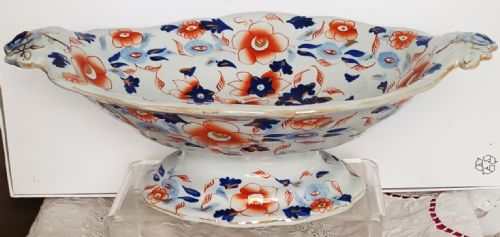


Painted Ceramic Comport
A painted ceramic comport serves fruit upon the table with height and distinction, bringing raised decoration from the nineteenth century into modern interiors.
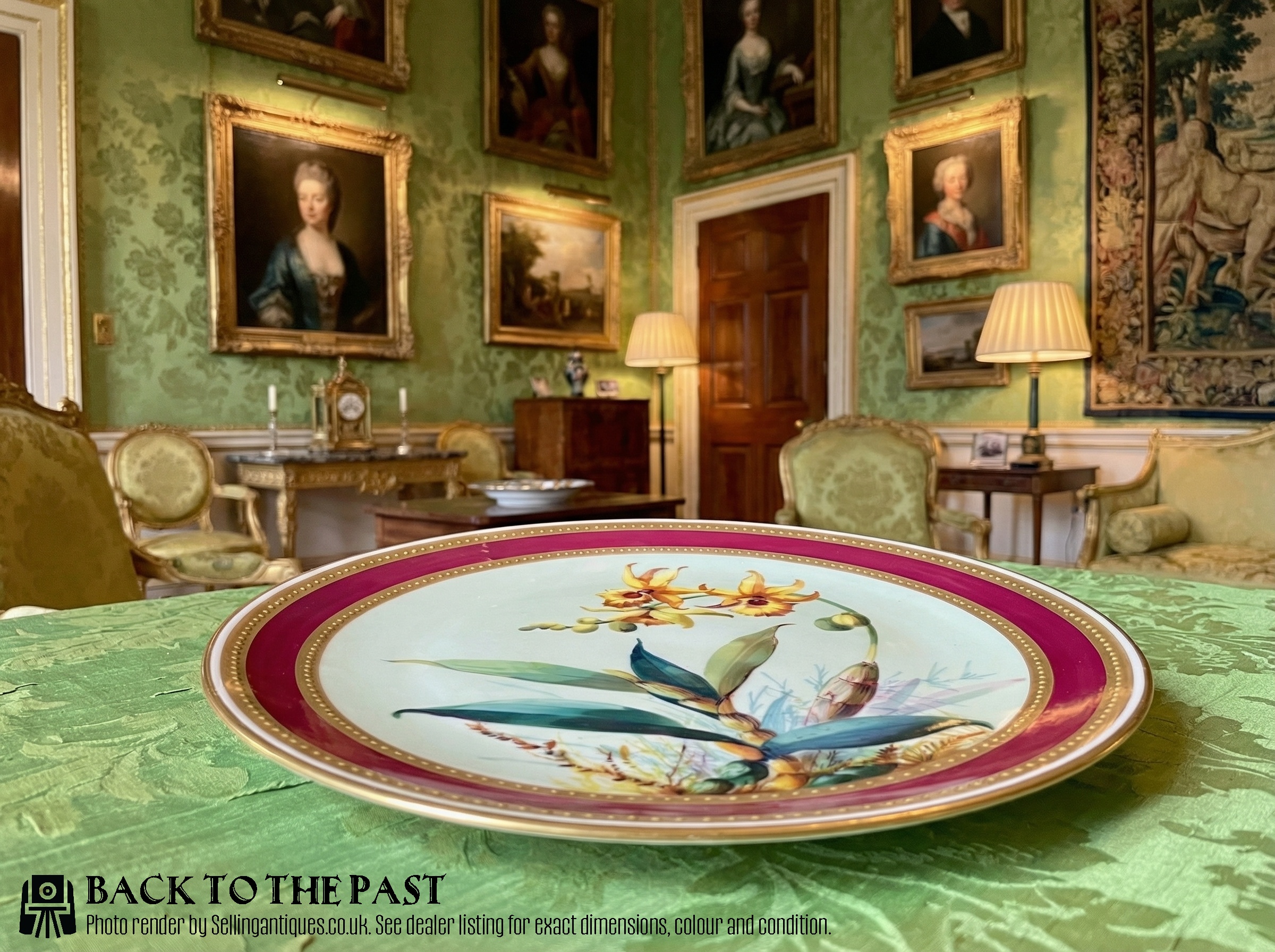
Painted Ceramic Comport
When you search for a painted ceramic comport, you are looking at elevated serving vessels designed for dessert courses and centrepiece displays. These raised dishes sit upon pedestals, feet or bases, lifting fruit and sweetmeats above the level of the dining table.
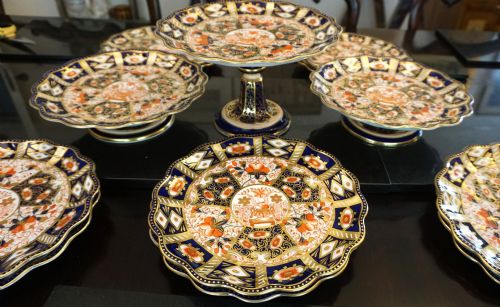
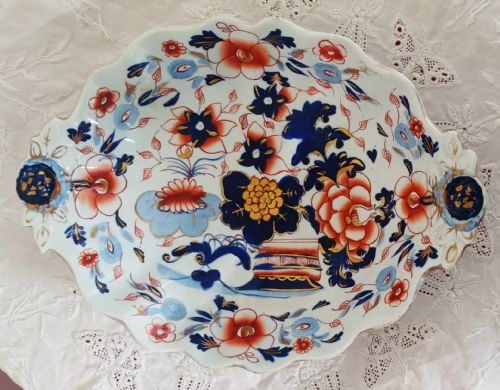
The painted ceramic comports on this page span the nineteenth century and the early twentieth century, taking the form of footed dishes, pedestal compotes, tazzas and tiered dessert stands. You will encounter pieces from English factories such as Mason's, Worcester and Wedgwood, alongside continental porcelain and ironstone.
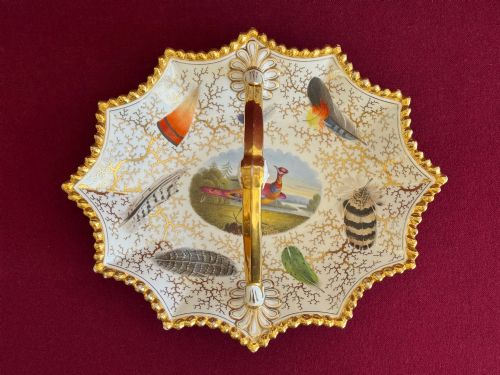
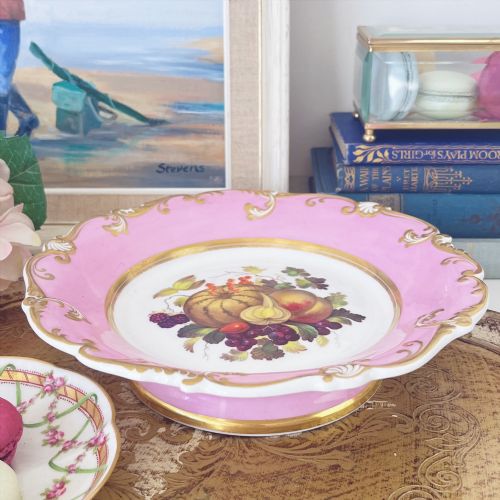
Forms range from low ironstone dishes in Japan patterns to grand porcelain centrepieces embellished with handpainted fruits, florals and Chinoiserie scenes. These objects bridge the gap between utilitarian serveware and decorative art, functioning as striking focal points in a room.
How they were made
Makers shaped these vessels from porcelain, bone china or ironstone, moulding or throwing the clay before firing it in kilns to achieve a hard ceramic body. Pedestals and bases were frequently formed separately and joined to the main bowl or dish before glazing.
Decoration relied on handpainting, enamel colours and transfer printing, often enhanced with gold leaf, gilding or ormolu mounts. Artisans applied pigments over or under the glaze depending on the factory and period, fixing the colours with subsequent kiln firings.
Painted Ceramic Comport Retail Price Guide 2026
Typical asking prices for painted ceramic comport among the pieces listed under this phrase on Sellingantiques today, from the lower quarter to the upper quarter. They describe what is for sale here now, not the wider market.
Birds and butterflies frequently peer out from unexpected corners of nineteenth-century painted fruit dishes, placed there to surprise diners when the fruit was cleared away.
What varies in quality
Quality rests in the precision of the handpainted details and the crispness of the ceramic moulding, where individual brushwork on fruits or figures distinguishes fine studio output from standard factory production. The weight of the porcelain or ironstone and the stability of the pedestal also indicate the care taken during manufacture.
The application of gilding and gold leaf reveals much about a piece, with burnished and thick applications enduring far better than thin washes that wear away through handling. Furthermore, the presence of named makers or distinct regional patterns elevates the historical interest of the vessel.
H & R Daniel·Mason·Flight Barr and Barr·Thomas Moorcroft for E.J.D Bodley·Sevres·Meissen·Wedgwood·Royal Worcester
The Painted Ceramic Comport Glossary
- Comport
- A raised dish or bowl used for serving fruit or dessert, typically supported by a foot or pedestal. It shares similarities with a tazza.
- Ironstone
- A heavy, durable type of earthenware patented in the nineteenth century that mimics porcelain. It resists chipping while offering a fine surface for transfer-printed and handpainted designs.
- Tazza
- A shallow saucer-like dish mounted on a stem and foot, frequently utilised interchangeably with the term comport in nineteenth-century dessert services.
- Gilding
- The application of gold leaf or gold powder to ceramic surfaces for decoration. It is often fired onto the glaze to secure the metallic finish.
- Chinoiserie
- European decorative art style reflecting Chinese artistic motifs and imaginary scenes. It appears frequently on early nineteenth-century porcelain dessert wares.
Painted Ceramic Comport: Frequently Asked Questions
What is a painted ceramic comport used for?
These vessels were originally designed to present fruit, nuts and sweetmeats at the conclusion of formal nineteenth-century dinners. They brought height and visual interest to the table setting during dessert courses.
Today, they function brilliantly as decorative centrepieces on sideboards or dining tables. Many collectors also use them to hold fresh fruit or display seasonal arrangements in the home.
How do I date a ceramic comport?
Dating relies on examining the ceramic body, factory marks stamped or painted on the underside, and the painting style. Ironstone and heavy earthenware often point towards the early to mid-nineteenth century, while porcelain bodies vary from Georgian softness to later Victorian brightness.
Style clues also help narrow the era, such as Regency Chinoiserie motifs, Rococo Revival scrolls, or later Aesthetic Movement and Edwardian palette choices. Comparing piece shapes with documented factory patterns provides further accuracy.
Can I use antique comports for serving food?
Most pieces are safe for serving dry foods like whole fruits, biscuits or sweets. Handwashing in warm water with mild soap protects the antique glaze and delicate gilding.
Avoid putting them in dishwashers, microwaves or exposing them to sudden temperature changes. Acidic foods should not be left on old ceramic surfaces for extended periods to prevent glaze staining.
What is the difference between a comport and a tazza?
In historical and dealer terminology, the words often describe very similar footed serving vessels. A tazza traditionally refers to a shallow saucer on a central foot, while a comport can include deeper bowls or tiered stands.
Both serve the same primary function of elevating food above the table surface. Makers and retailers used the terms interchangeably across the Georgian and Victorian periods.