
Painted Carved Wall Mirror
A painted carved wall mirror brings texture and light to a room, combining sculpted detail with layered pigment.
Painted Carved Wall Mirror
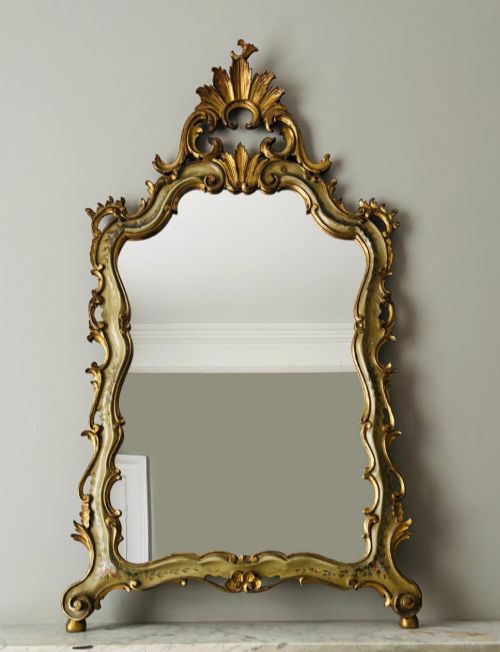
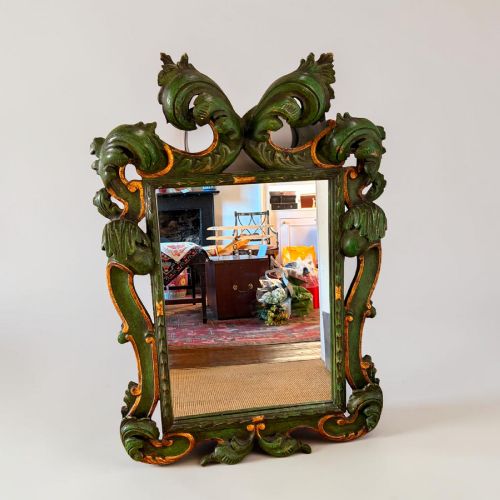
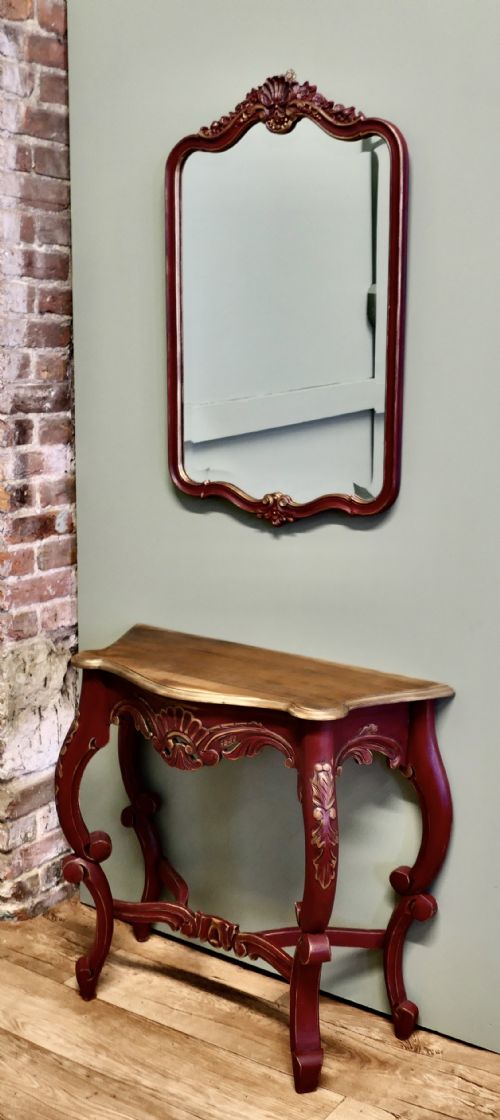
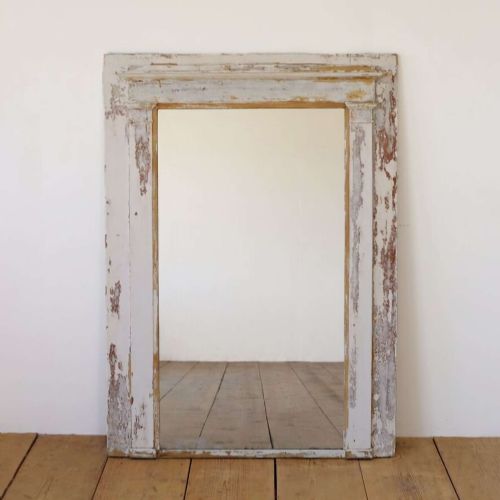
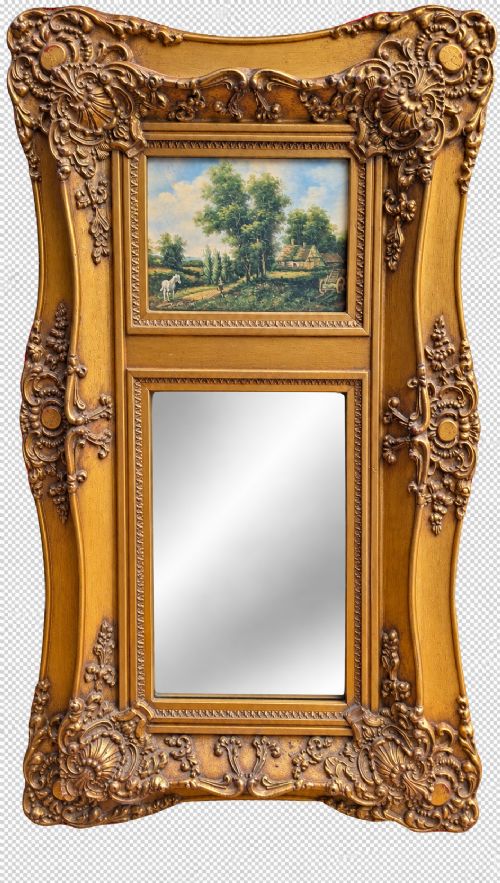
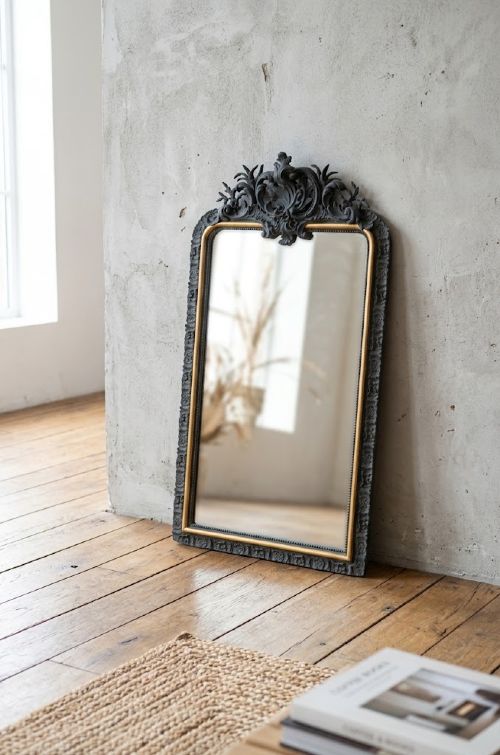
A painted carved wall mirror is a reflective glass panel set within a decorative timber frame that has been shaped by hand and coated in pigment, gesso, or gold leaf. These pieces serve to brighten interior spaces while adding architectural presence to a wall.
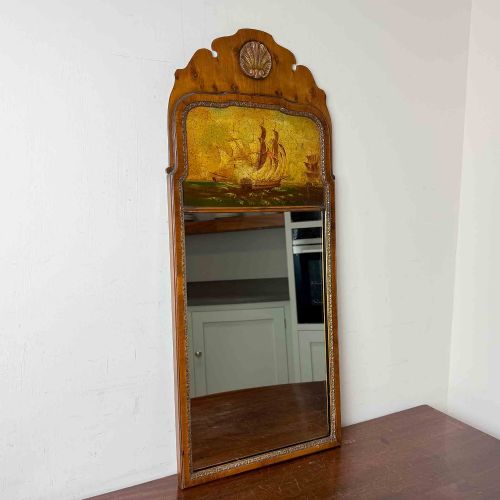
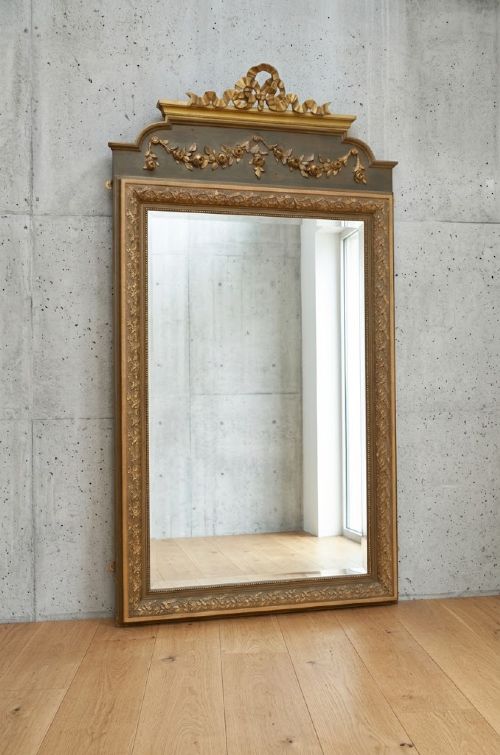
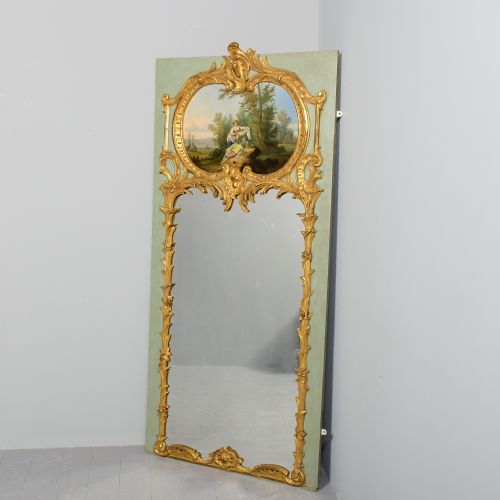
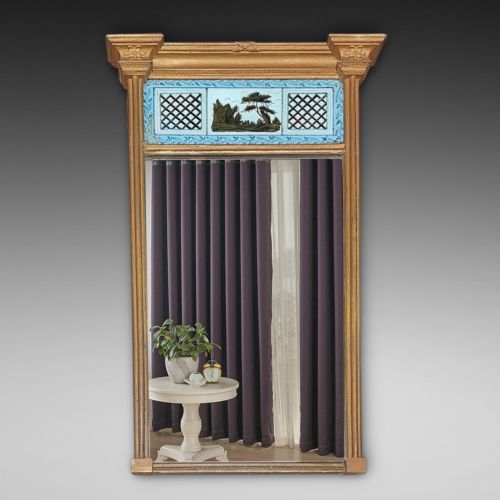
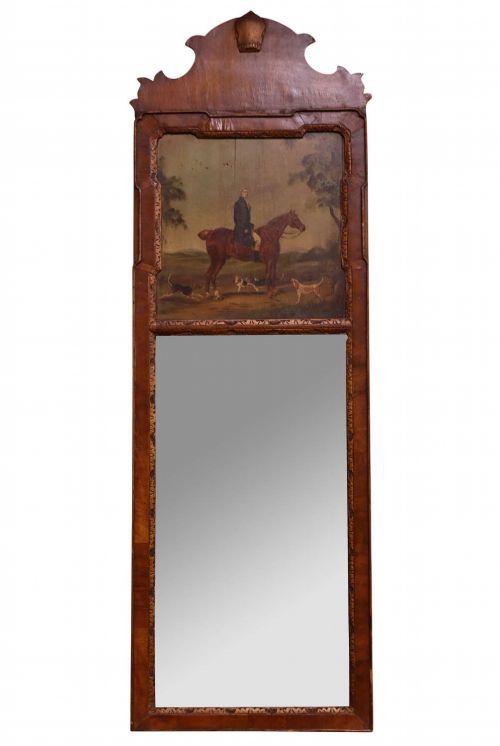
The examples seen here lean heavily towards nineteenth-century French designs, including trumeau panels, pier glasses, and overmantels. Alongside these, buyers encounter Victorian, Regency, and revival pieces featuring shaped tops, crests, and integrated oil paintings.
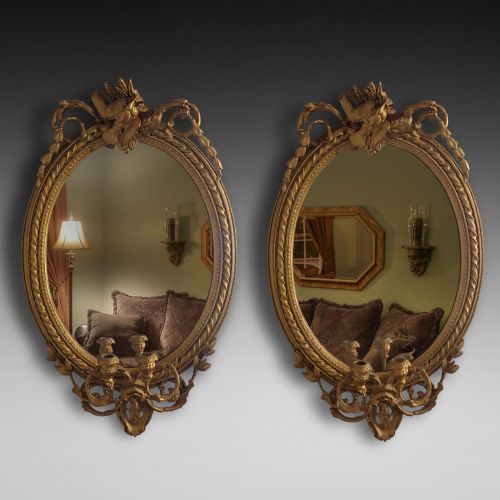
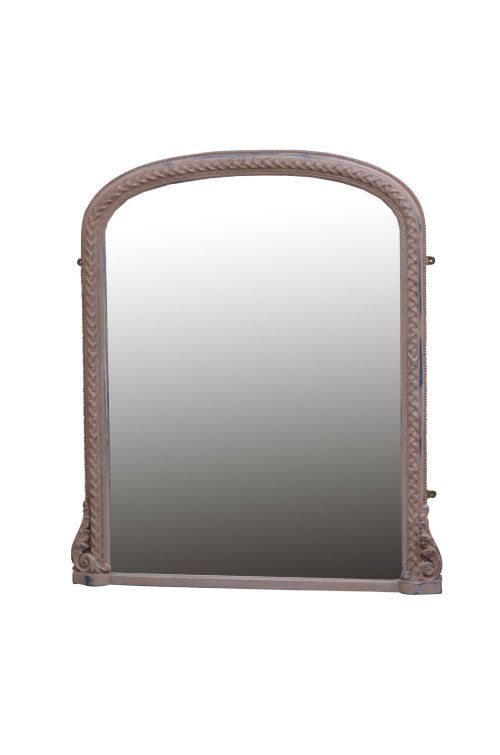
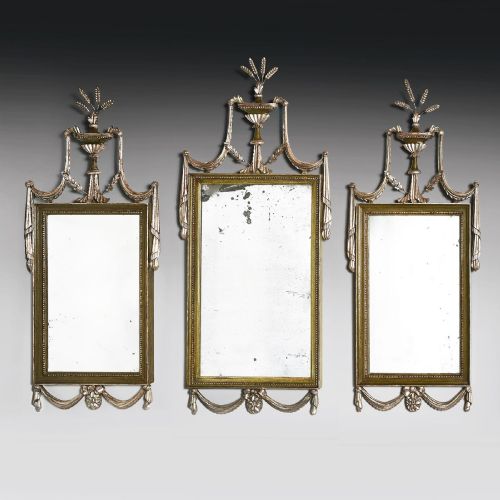
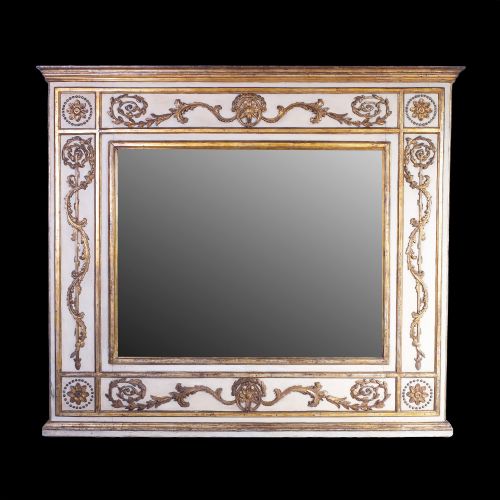
Overmantels and large wall mirrors dominate the selection, often displaying carved wooden motifs paired with distressed or antiqued paintwork. Smaller domestic versions and girandoles also appear, offering alternative forms for varied interior settings.
How they were made
Framing timbers such as pine, oak, and walnut were carved by hand with floral, scroll, or architectural details before receiving surface decoration. Artisans applied layers of gesso to smooth the wood and provide a crisp base for subsequent carving or gilding.
Paint was applied directly to the wood or over gesso layers, sometimes combined with gold leaf or silvering to create contrasting tones. Specialised techniques like verre églomisé introduced painted glass panels into the upper sections of trumeau mirrors.
Some nineteenth-century French mirrors spent centuries reflecting quiet country houses before finding their way onto modern walls.
What varies in quality
The depth and crispness of the hand-carved ornamentation dictate the standard of the frame, distinguishing finely sculpted relief work from softer, simpler moulding. Original surface treatments, where layered paint and gilding have aged naturally together, carry greater authority than later repainting.
The integration of secondary elements such as reverse-painted glass panels, oil paintings, or original mirror glass plates separates standard utility frames from exceptional decorative works. Structural integrity in the underlying wooden joinery ensures the heavy glass remains securely supported.
Gillows Of Lancaster
The Painted Carved Wall Mirror Glossary
- Trumeau
- A decorative wall mirror featuring an upper panel painted with a scene or fitted with artwork, set above the glass plate. These architectural elements originated in eighteenth-century French interior design.
- Gesso
- A plaster mixture applied to carved wooden frames to create a smooth surface for gilding or painting. It allows intricate relief details to retain sharp definition.
- Verre églomisé
- A cold decoration technique where design elements are painted and gilded on the reverse side of glass panels. This creates a reflective, metallic sheen viewed from the front.
- Pier mirror
- A tall, narrow wall mirror designed to hang on the wall space between windows. They frequently incorporate gilded frames and painted lower sections.
- Girandole
- A wall-mounted mirror featuring attached candle sconces that reflect candlelight into the room. They often showcase ornate carved wooden frames.
Painted Carved Wall Mirror: Frequently Asked Questions
Where should I hang a trumeau mirror?
A trumeau mirror traditionally suits placement above a fireplace mantelpiece or on a principal wall where its height can be fully appreciated. Because many incorporate painted panels or oil scenes, positioning them at eye level allows the detail to be seen clearly.
In smaller rooms, hanging one opposite a window helps maximise natural light and creates an expanded sense of space. Ensure the wall fixings are robust enough to support the substantial weight of the carved wooden frame.
How do I care for antique painted wood?
Dust the carved frame regularly using a soft, dry brush to prevent dirt settling into the recesses of the gesso and paint. Avoid using chemical cleaners, polishes, or excess water, which can damage aged finishes and lift the gesso.
Keep the mirror away from direct sunlight and damp environments to protect the painted surface and prevent the wooden substrate from warping. Professional restoration is recommended if the paint or gilding begins to flake.
Are the mirror plates original?
Many nineteenth-century pieces retain their original glass plates, which often show signs of age such as light foxing, speckling, or minor distortion. These natural imperfections confirm the age of the object and contribute to its character.
Some pieces may have had their glass replaced over time during maintenance or restoration work. Examining the silvering on the reverse and the mounting within the frame helps determine whether the glass is period-correct.
What is an overmantel mirror?
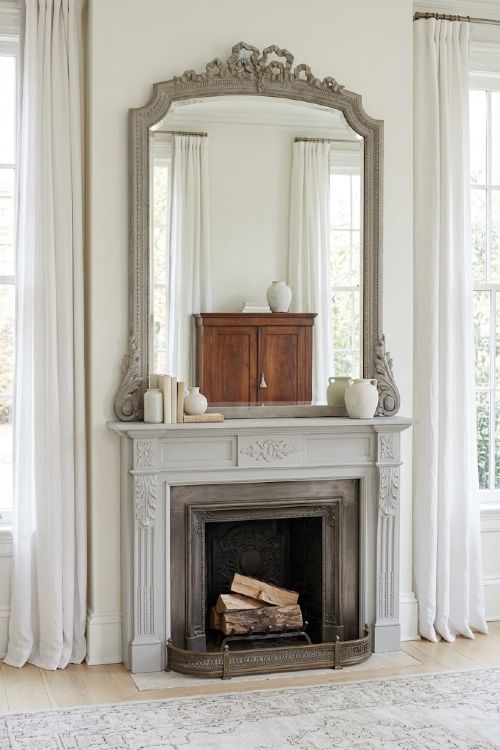
An overmantel mirror is a wide format glass designed specifically to be hung above a fireplace opening. They were built to echo the proportions of the hearth below, filling the expanse of wall beneath the chimney breast.
These pieces often feature landscape orientations and robust wooden frames finished in paint, gesso, or giltwood. Their scale makes them a dominant focal point in period reception rooms.