


Painted Bronze Miniature
A painted bronze miniature offers exceptional detail in a diminutive scale, capturing everything from playful animal figures to human subjects.
Painted Bronze Miniature
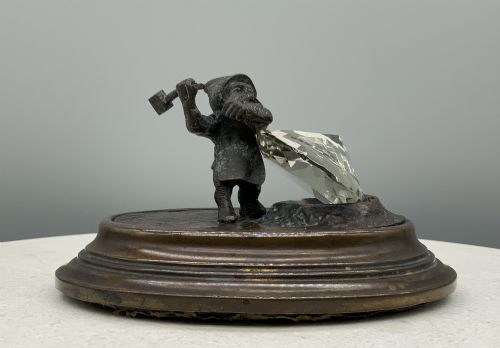
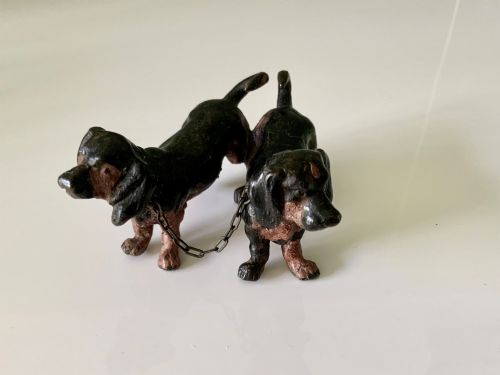
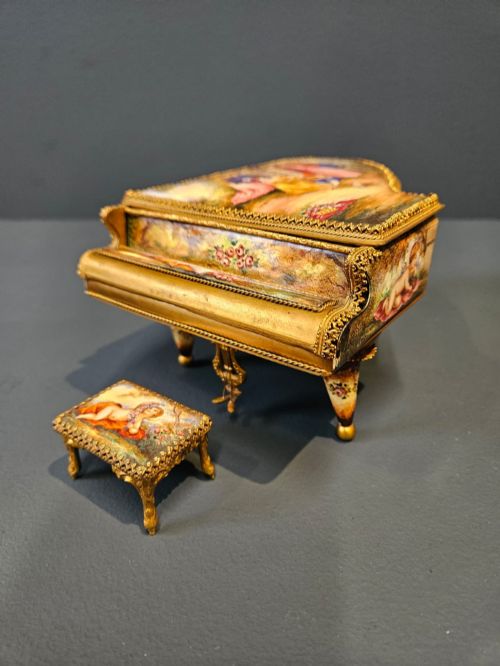
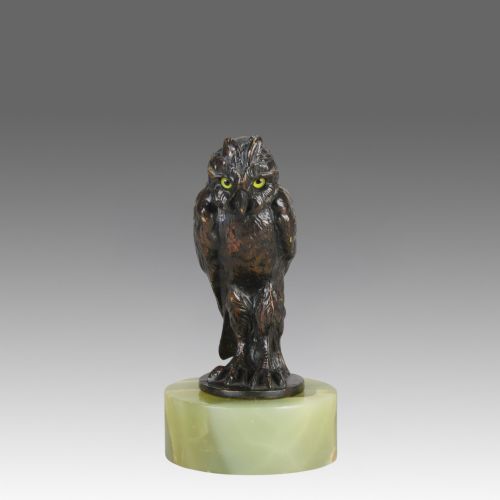
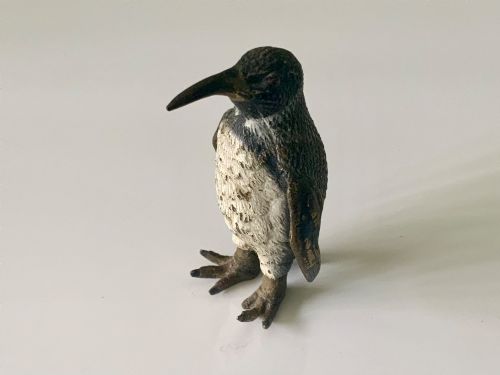
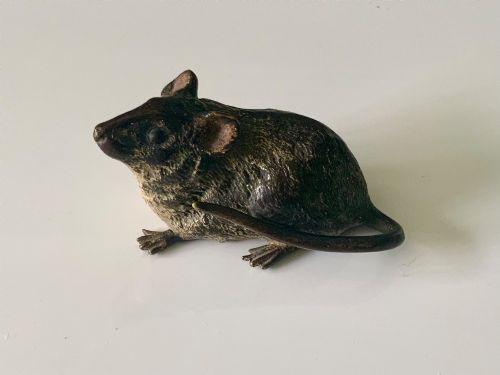
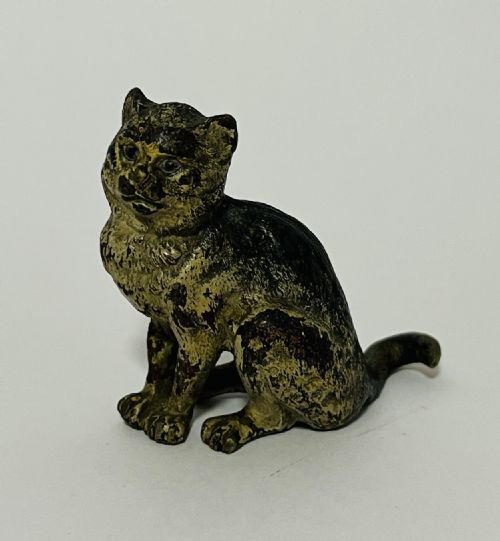
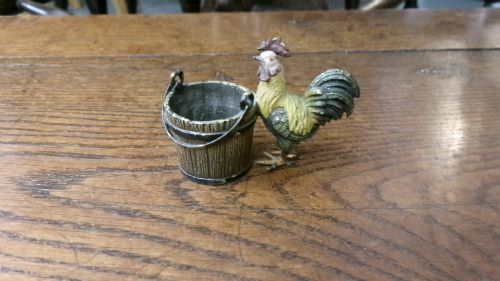
A painted bronze miniature represents a small-scale sculpture or figurine, most frequently encountered as cold painted bronze animal figures originating from Austrian workshops during the late nineteenth and early twentieth centuries. These diminutive pieces depict subjects ranging from dogs and birds to human figures and humorous scenes, reflecting a distinct penchant for realism combined with whimsy.
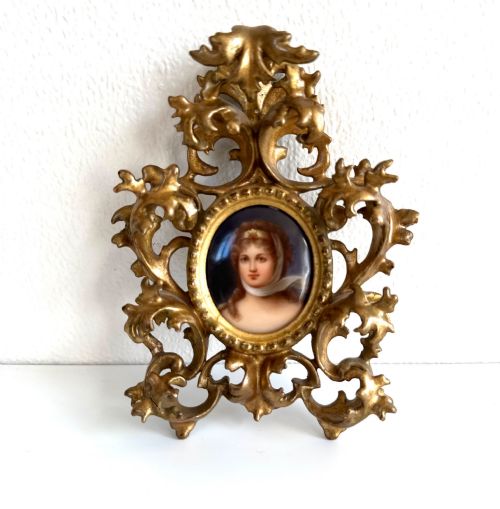
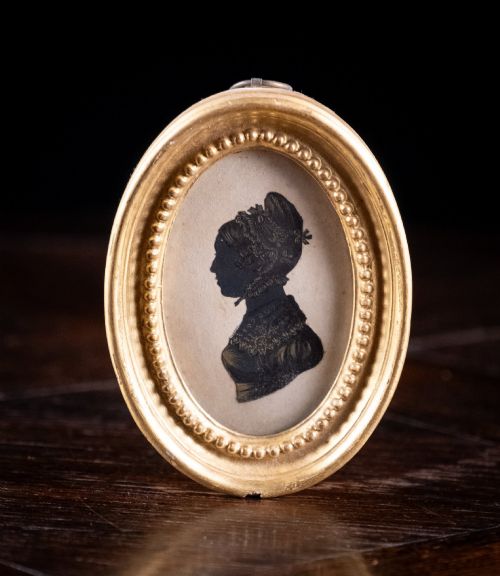
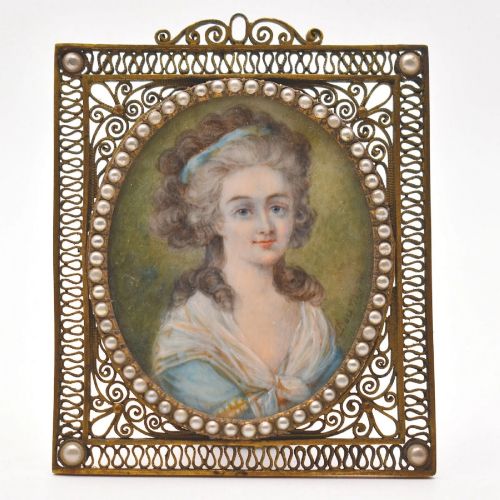
Alongside the metal animal sculptures, this category encompasses framed portrait miniatures and painted depictions on paper, glass, or enamel set within gilt or ormolu frames. Such works span periods from the Georgian and Regency eras through the Victorian period and into Art Deco times, showing how portraiture and painting transitioned into miniature formats.
How they were made
The creation of these metal pieces relied on bronze casting techniques, after which artisans applied cold paint directly onto the metal surface without subsequent firing. This method required steady hands and fine brushes to delineate plumage, fur, and clothing details upon tiny surfaces.
For the framed portrait works, artists utilised watercolour and paint on materials such as paper, glass, or enamel, often enclosing the finished work within ornate gilt metal, brass, or ormolu frames decorated with seed pearls or champlevé enamel.
Listings feature items from the 1850s to the 1930s, incorporating bronze, brass, enamel, glass, watercolour, and paper.
What varies in quality
The supporting elements - such as heavy cast ormolu mounts, intricate enamel work, and original gilt frames fitted with glass - distinguish finer decorative objects and music boxes from simpler utilitarian castings.
Franz Bergman
The Painted Bronze Miniature Glossary
- Cold painted
- A technique where bronze or metal sculptures are painted by hand without being subjected to kiln firing. This finish is susceptible to flaking if handled improperly.
- Ormolu
- Gilded bronze used extensively for decorative mounts, frames, and small furniture fittings during the eighteenth and nineteenth centuries. It provides a bright, rich golden surface.
- Champlevé enamel
- An enamelling technique where troughs or cells are hollowed out in the metal surface and filled with vitreous enamel before firing. The resulting design sits flush with the metal partitions.
- Portrait miniature
- A small, highly detailed painting depicting a specific person, executed on materials such as vellum, card, paper, or enamel. These were often kept in pocket cases or worn as jewellery.
Painted Bronze Miniature: Frequently Asked Questions
What is a painted bronze miniature?
A painted bronze miniature is a small cast metal sculpture finished with hand-applied cold paint, or a tiny framed portrait painting. These objects date largely from the nineteenth and early twentieth centuries.
They capture subjects ranging from wildlife and domestic animals to human portraits and humorous figures, all executed at a remarkably small scale.
How were cold painted bronzes made?
Artisans first cast the figures in bronze or brass, then applied oil-based paints directly to the unheated metal surface. Because the paint was not fired, it sits on top of the metal rather than fusing with it.
This technique allowed for vibrant coloration and fine detail on tiny surfaces, though it requires gentle care to preserve the original finish.
Where did Vienna bronzes originate?
Vienna bronzes were produced primarily in Austrian workshops during the late nineteenth and early twentieth centuries. These pieces became renowned worldwide for their naturalistic animal studies and quirky character figures.
Master founders and painters in Vienna perfected the cold painting method, creating everything from tiny frogs and dogs to complex human figures and music boxes.
How do I care for a painted bronze?
Preserving a painted bronze miniature involves keeping it away from direct sunlight, moisture, and excessive handling. The cold paint finish is delicate and can chip or flake if subjected to friction or cleaning agents.
Dust the piece gently with a soft, dry brush and avoid using water, oils, or polishes on the painted metal surfaces.