
Painted Bench Seat
A painted bench seat brings personality and practical seating to a room or garden, offering enduring charm through weathered surfaces and robust construction.
Painted Bench Seat
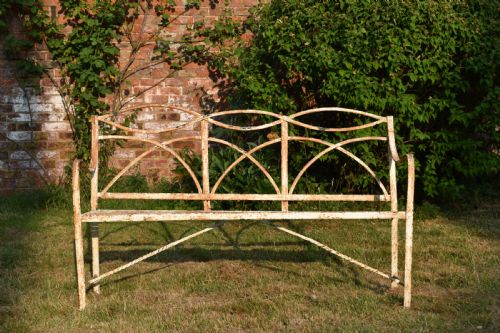
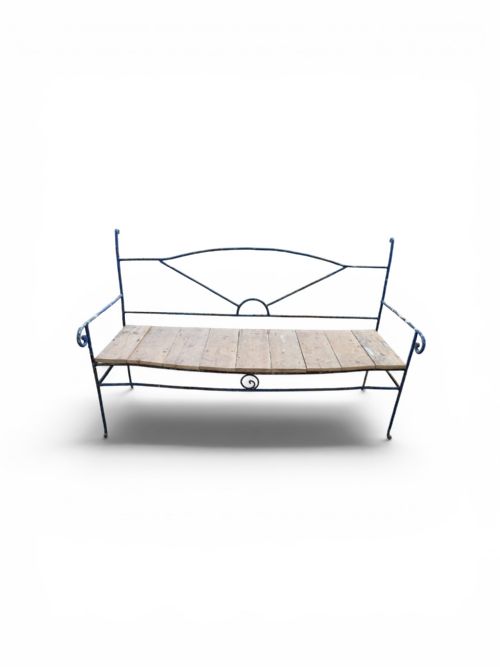
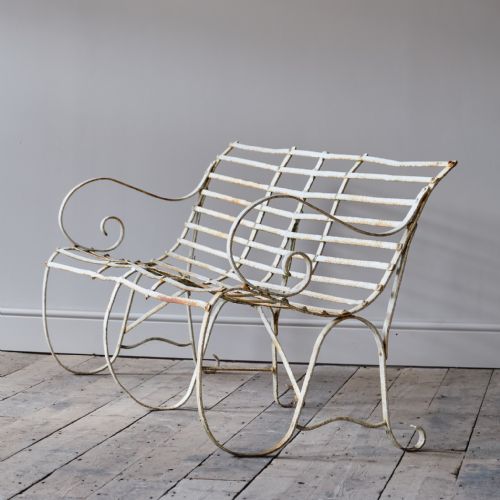
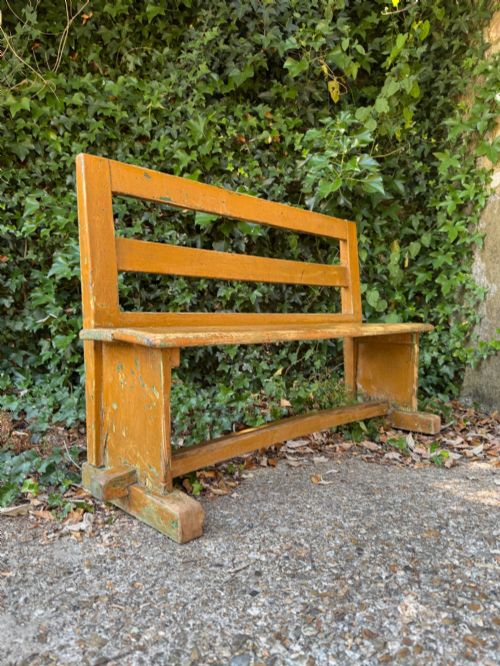
A painted bench seat encompasses a wide variety of seating forms, ranging from sturdy pine settles and window seats to ornate cast iron garden benches. When exploring this selection, buyers frequently encounter 19th-century pine examples from Eastern Europe and Britain alongside Continental and regional garden pieces.
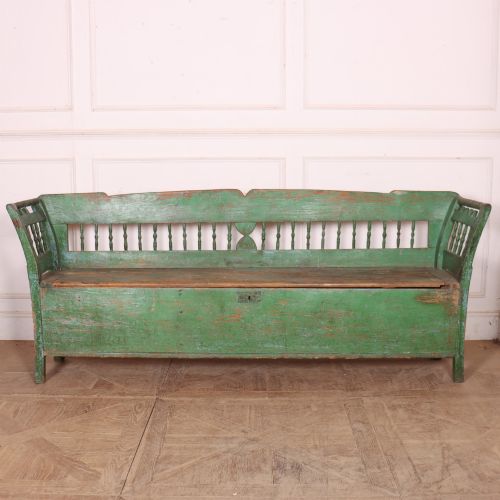
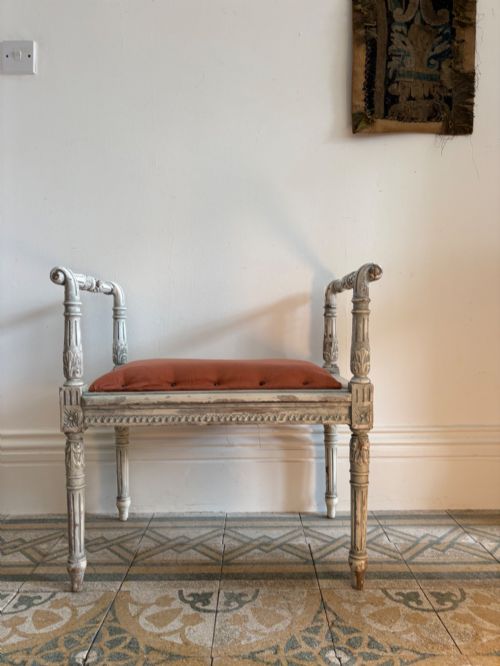
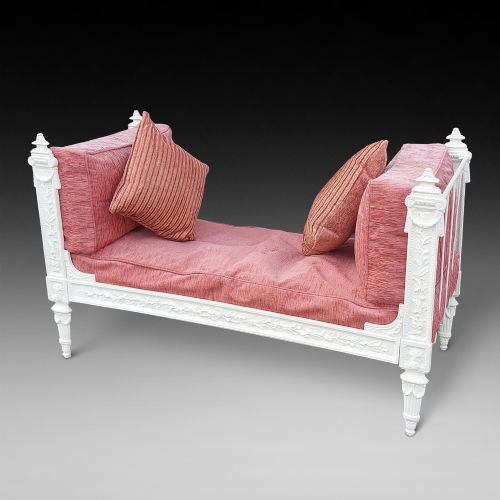
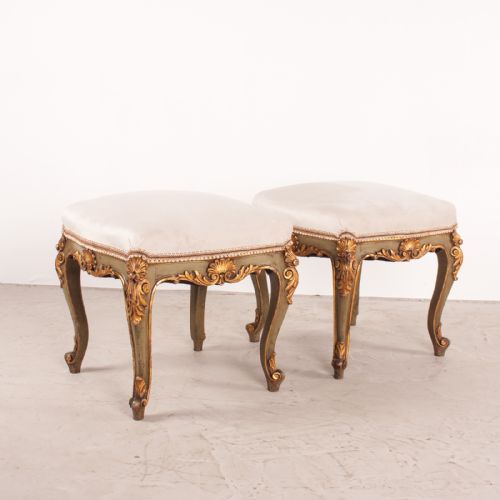
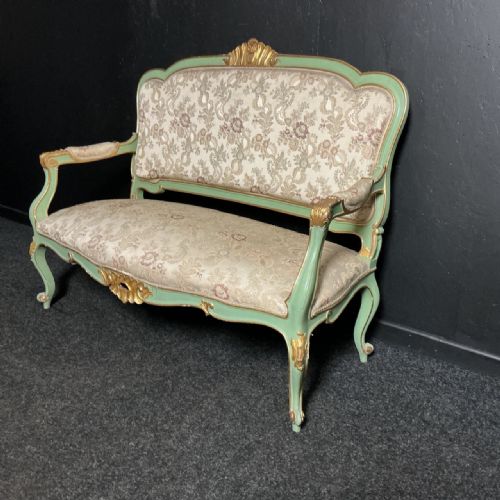
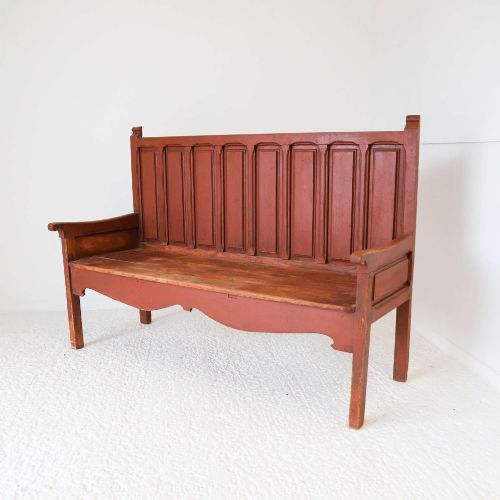
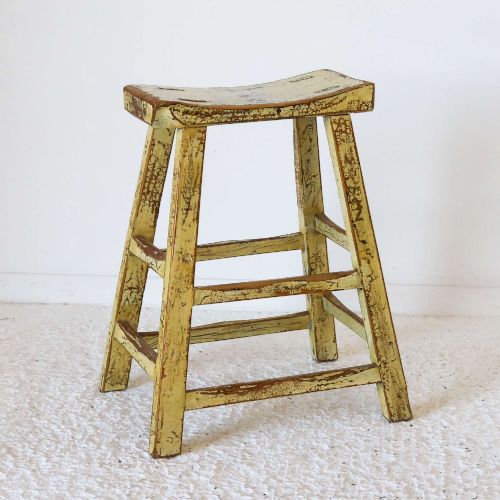
The category spans simple country furniture, such as Hungarian box settles and milking stools, through to decorative French and Swedish salon seating. Forms include two and three-seater benches, daybeds, settees, and specialised garden armchairs finished in original or historic paint.
Origins vary significantly, taking in English pine country pieces, Austrian and Spanish farmhouse seating, and intricate ironwork from renowned foundries. Each piece serves either indoor living spaces and hallways or outdoor courtyards and lawns.
Materials and construction methods
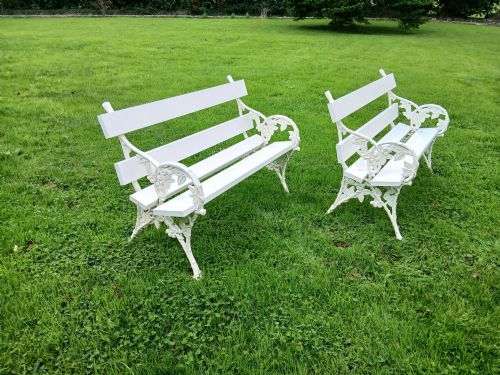
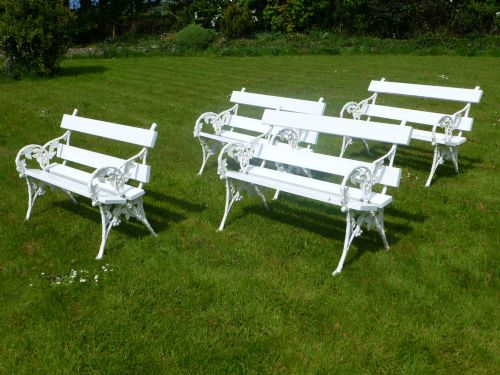
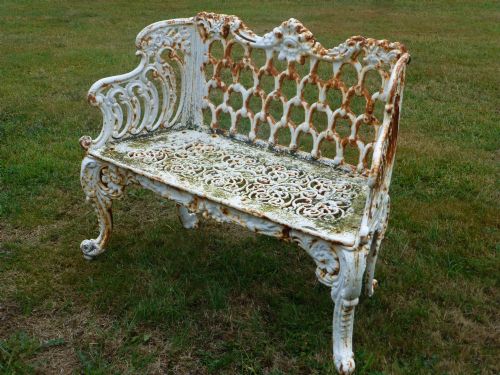
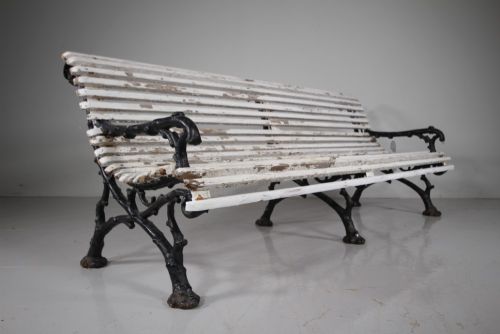
Makers constructed these seats primarily from solid pine, elm, and various hardwoods, frequently pairing wooden frames with durable cast iron or wrought iron supports. Garden pieces rely heavily on heavy-duty iron casting to create intricate patterns like blackberry leaf, strapwork, and faux bois branch designs.
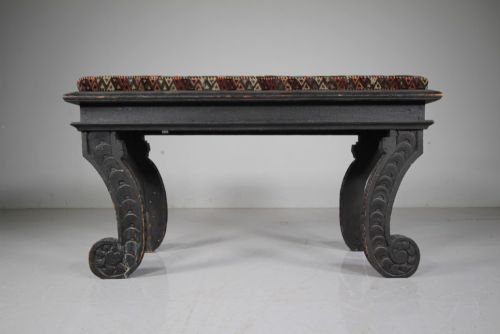
Surface finishes form a defining characteristic, utilising layers of oil paint, milk paint, or gold leaf applied over wood and metal. Many surviving examples retain original polychrome or monochrome coats, showing natural wear over decades of use.
Regional variations include Hungarian box settles, Swedish Gustavian stools, and Austrian farmhouse benches.
Assessing quality and authenticity
Quality rests primarily on the integrity of the surface finish and whether the paint remains original or historic rather than recently applied. Pieces retaining their genuine early or original pigment layers command greater interest among collectors.
Structural soundness in both the timber joints and the cast iron components dictates everyday usability. Fine casting definition on iron panels and well-preserved joinery on pine settles distinguish superior examples from standard utility items.
Falkirk Carron Foundry·Coalbrookdale
The Painted Bench Seat Glossary
- Box settle
- A high-backed wooden bench featuring a storage compartment beneath the seat. This form protected occupants from drafts in older homes.
- Cast iron
- An iron-carbon alloy poured into moulds to create rigid, detailed decorative panels. Foundries used this material extensively for Victorian garden furniture.
- Faux bois
- An artistic technique mimicking wood grain on other materials such as cast iron. This style gained popularity during the Victorian era for garden seats.
- Polychrome
- Decoration utilising multiple colours applied to wood, metal, or plaster surfaces. This finish appears frequently on continental European seating.
- Strapwork
- Ornamental metal or woodwork resembling interlaced strips of leather or flat bands. It provides structural bracing and decoration on garden benches.
Painted Bench Seat: Frequently Asked Questions
How do I care for original paint on a bench?
Preserving fragile painted surfaces requires gentle dusting with a soft dry cloth and avoidance of modern chemical cleaners or excessive moisture. Keep indoor pieces away from direct sunlight to prevent further flaking or fading of historic pigments.
For outdoor metal and wooden benches, seasonal protection against frost and rain helps stabilize the remaining finish. Applying a microcrystalline wax can protect vulnerable wooden areas without altering the existing patina.
Are these benches suitable for daily use?
Most antique wooden settles and cast iron garden benches remain structurally robust enough for regular seating in a hallway, kitchen, or garden. Checking the stability of the joints and iron legs ensures safe weight support before heavy daily use.
Delicate salon settees or pieces with fragile painted surfaces function better in low-traffic areas or as decorative statement furniture. Assessing the underlying timber or metal condition guides appropriate placement in the home.
How can I tell if the paint is original?
Original or early paint finishes exhibit natural craquelure, uneven fading, and wear patterns consistent with age and environmental exposure. Microscopic examination often reveals multiple underlying layers accumulated over decades of use.
Modern repainting typically displays uniform thickness, lack of authentic wear around high-touch areas, and different chemical composition under magnification. Comparing the surface texture to known period examples helps clarify the history of the finish.
Where were box settles traditionally used?
Box settles historically stood in farmhouse kitchens, taverns, and hallways to provide seating near hearths while blocking cold drafts. The high back and enclosed base trapped warm air around the sitter and kept firewood or household goods stored safely out of sight.
Today, these versatile pieces serve well in entryways for boot storage and seating, or as dining room furniture offering hidden organisation. Their substantial backs help define open-plan living spaces.