


Painted Bench Footstool
A painted bench footstool brings functional utility and character to a room, ranging from rustic milking stools to gilded continental seats.
Painted Bench Footstool
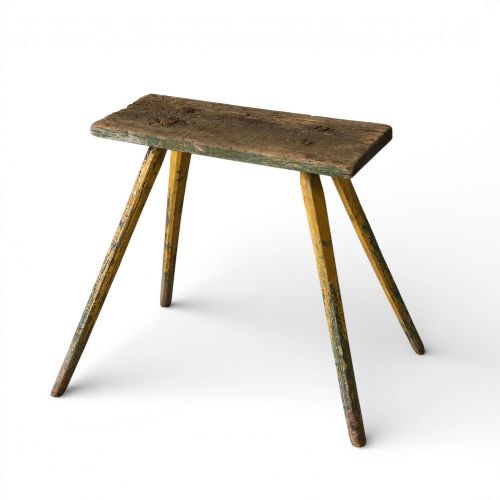
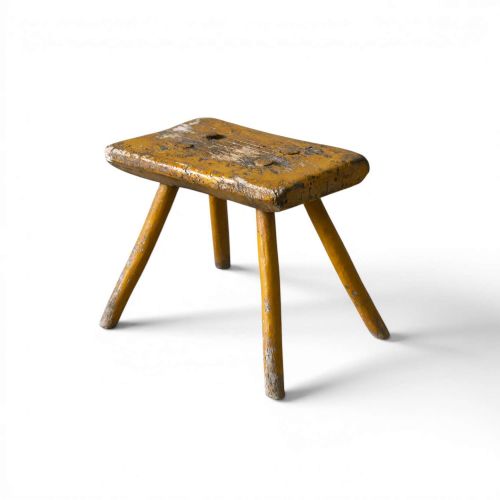
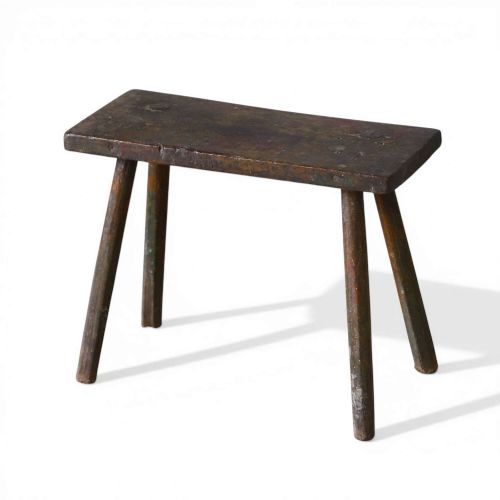
A painted bench footstool encompasses a diverse array of low seating forms, including window seats, milking stools, long benches, and curule footstools. These pieces serve practical resting purposes while introducing decorative surface colour to an interior space.
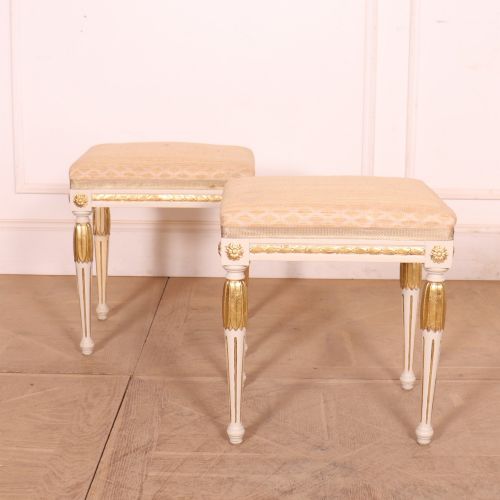
Makers such as Miles & Edwards and Whytock and Reid contribute formal nineteenth and twentieth-century examples, whilst anonymous vernacular pieces provide simpler rustic charm. Buyers encounter everything from small low stools to grand pairs upholstered in velvet or needlework.
How they were made
Construction relies upon traditional timber framing, utilising woods such as pine, elm, and general timber shaped through hand carving. Artisans built sturdy joints to support weight, whether constructing a simple three-legged milking stool or a formal X-frame bench.
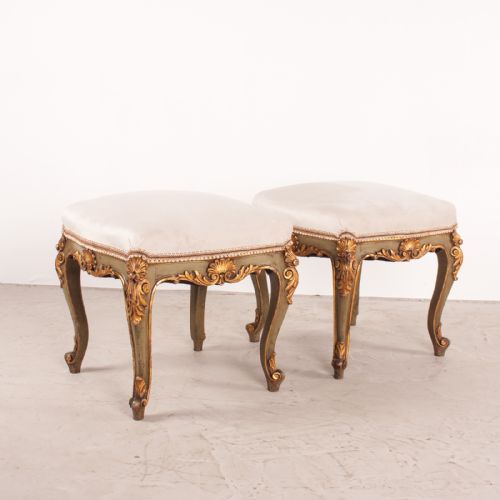
Surfaces received finishes of paint, gold leaf, or lacquer, often preserving original ochre, green, or white pigments applied decades or centuries prior. Upholstered variants incorporated textiles including fabric, velvet, and linen, sometimes complemented by needlework details.
Sculpted wooden elephant seats complete with tusks stand ready to carry your tired feet.
What varies in quality
The distinction between standard vernacular items and high-end examples rests upon the sophistication of the joinery and the pedigree of the maker. Pieces bearing attribution to established cabinet makers display superior proportion and refined carving compared to utilitarian workshop items.
The preservation of original surface finishes dictates much of the appeal, with untouched historic paintwork and gilding commanding greater interest than later repainting. Additionally, the complexity of the form - such as an intricate X-frame curule design or sculptural animal body - elevates the standing of the piece.
Miles & Edwards·Whytock and Reid
The Painted Bench Footstool Glossary
- Gustavian style
- A Swedish interpretation of French neoclassical design characterised by pale painted finishes and restrained classical carving. It emerged during the late eighteenth century and persisted through the nineteenth century.
- Curule footstool
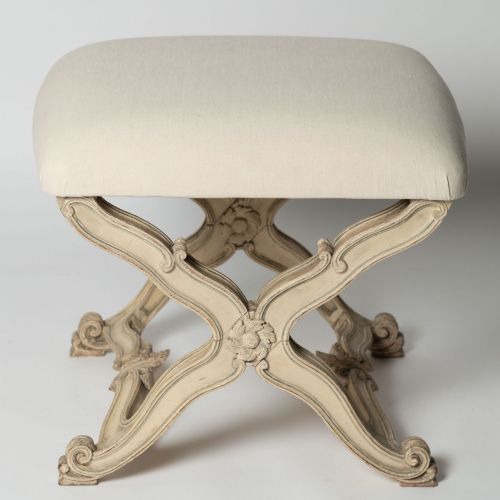
- An ancient form of X-frame stool derived from Roman magistrate seats. It employs crossed curved legs that create a distinctive folding X-shape profile.
- Milking stool
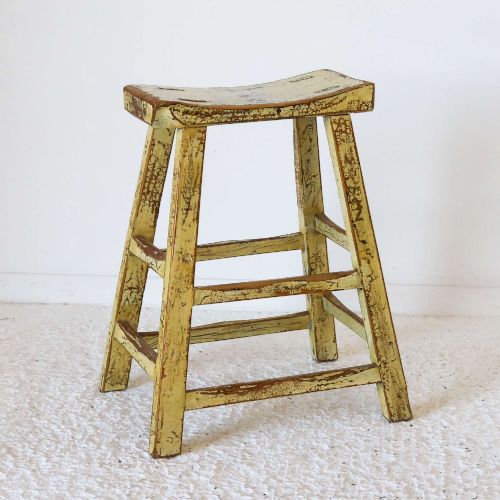
- A simple utilitarian low seat traditionally used by agricultural workers for milking livestock. They typically feature three legs inserted directly into a thick wooden seat slab.
- Window seat
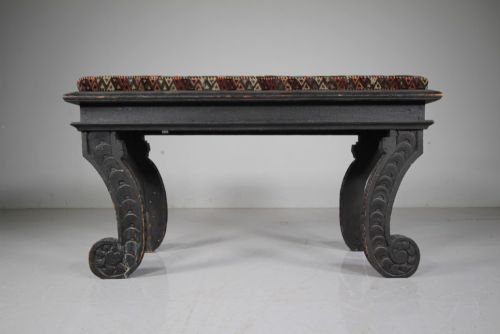
- An elongated stool or small bench designed to fit within a window recess. They often feature upholstered tops supported by painted wooden frames.
- Chinoiserie
- European decorative style reflecting Chinese artistic motifs. It involves decorative lacquerwork and painted scenes applied to furniture.
Painted Bench Footstool: Frequently Asked Questions
What is a painted bench footstool used for?
These pieces function primarily as low seats, footrests, or decorative window benches within domestic interiors. Their compact size allows them to be moved easily between rooms to provide auxiliary seating.
Beyond utilitarian tasks, they introduce historic colour and texture to a space. Many collectors utilise them as decorative accents rather than for everyday sitting.
How do I identify a Gustavian stool?
Gustavian pieces typically display pale, muted painted finishes, often in soft greys, whites, or creams. The carving remains restrained, drawing upon Swedish interpretations of neoclassical French design.
They date from the nineteenth century and exhibit clean geometric lines combined with understated proportions. This aesthetic contrasts with the more ornate carving found in Continental Rococo examples.
Are milking stools authentic antiques?
Milking stools originate as practical agricultural implements from rural Europe during the nineteenth and early twentieth centuries. Surviving examples frequently retain their original painted surfaces, such as ochre or green pigment.
Their authenticity is judged by the wear on the wooden seat and the patination of the legs. Each piece bears the distinct marks of vernacular hand construction.
What is an X-frame curule stool?
An X-frame curule stool utilises a crossing leg structure that forms an X shape when viewed from the side. This classical design derives from ancient Roman folding seats.
In nineteenth-century examples, this form often received high-status treatment from professional cabinet makers. They serve as formal footstools or small low benches rather than rustic seats.