
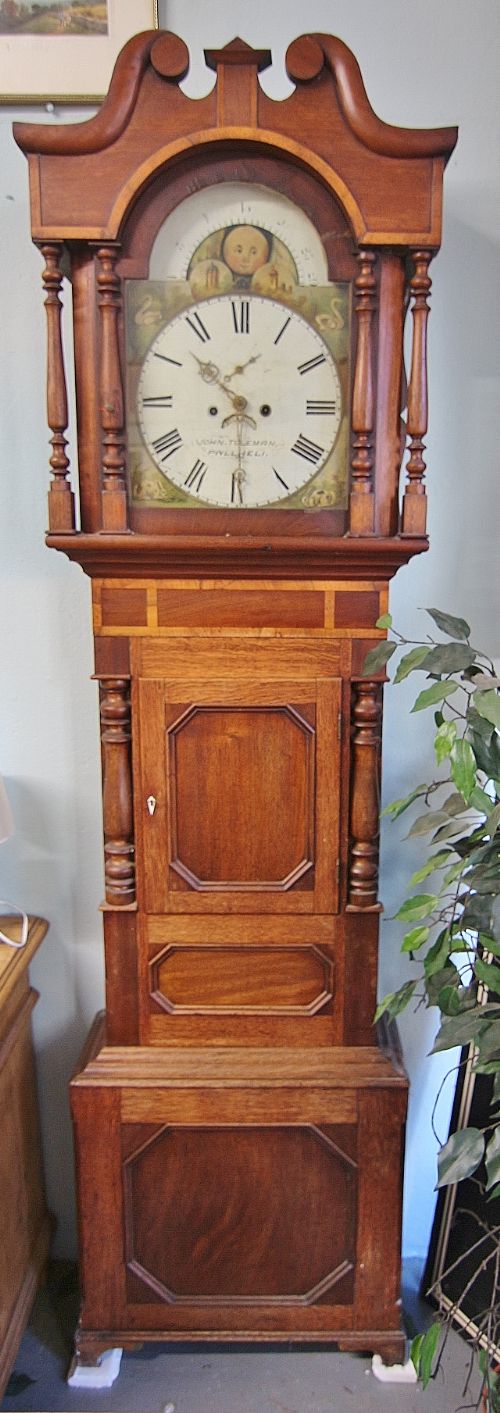
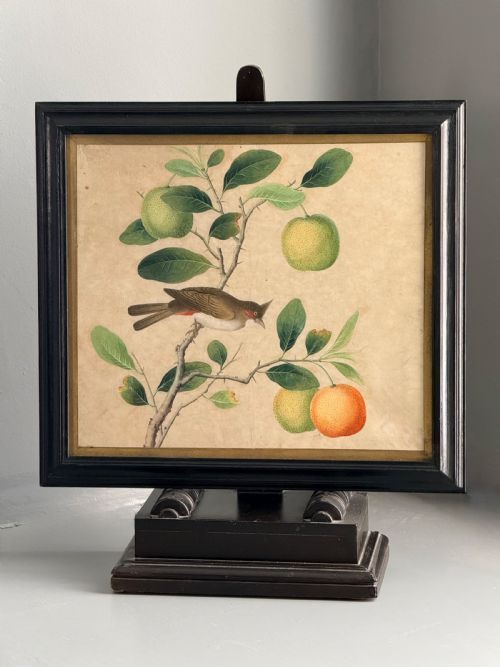
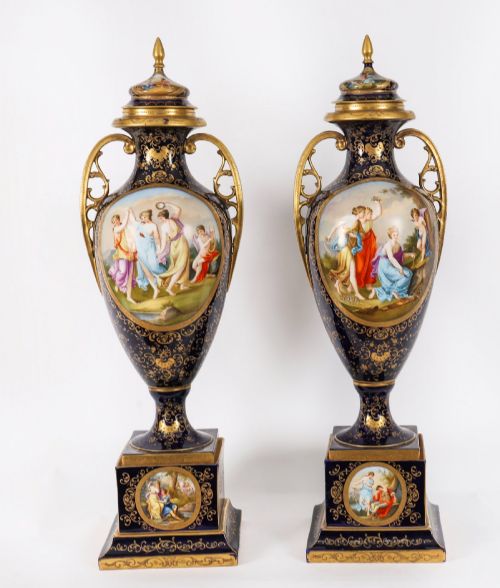
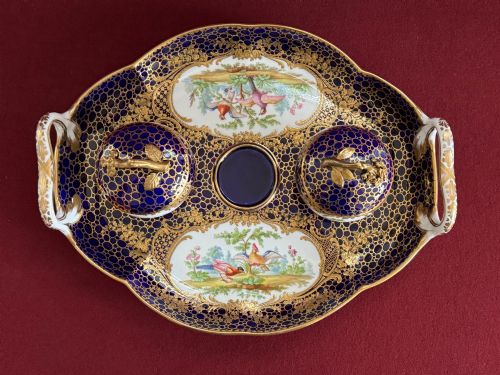

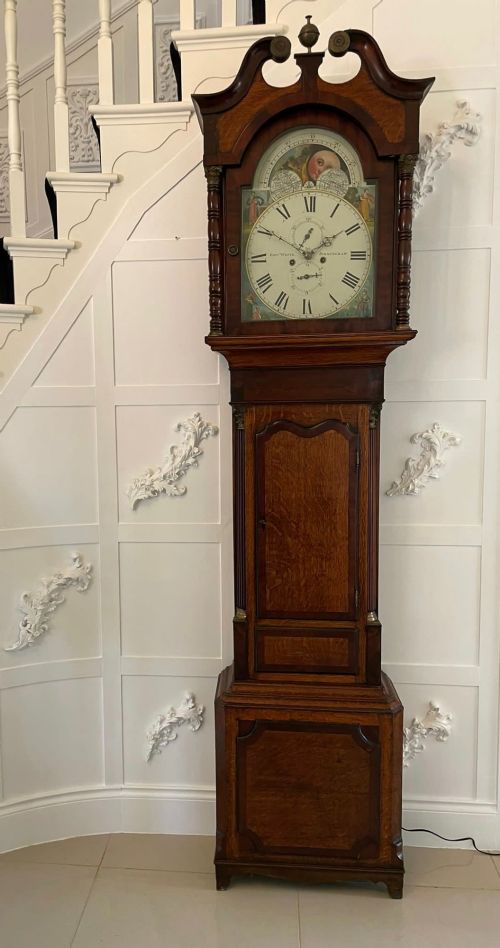
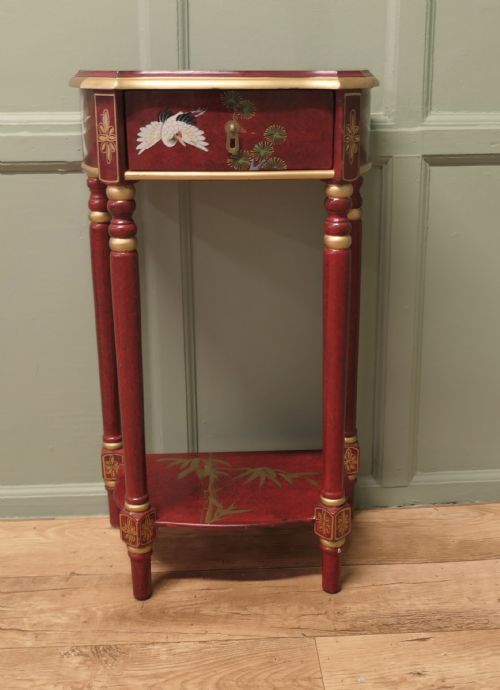
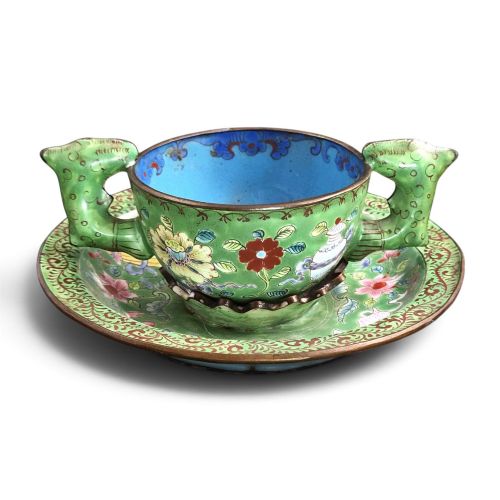
Painted Stand
When you search for a painted antique stand, you encounter a diverse gathering of utilitarian and decorative supports shaped by centuries of craftsmanship.
Painted Stand
The category of a painted antique stand encompasses an array of furnishings designed to elevate, support, or display other objects, spanning from functional washstands and plant holders to decorative occasional pieces. Most examples encountered in these archives trace their origins to the nineteenth and early twentieth centuries, with Victorian, Edwardian, and Regency eras heavily represented alongside earlier Georgian pieces.
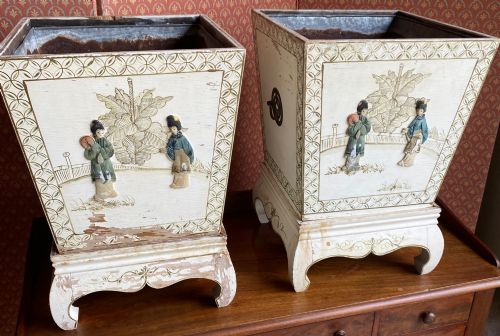
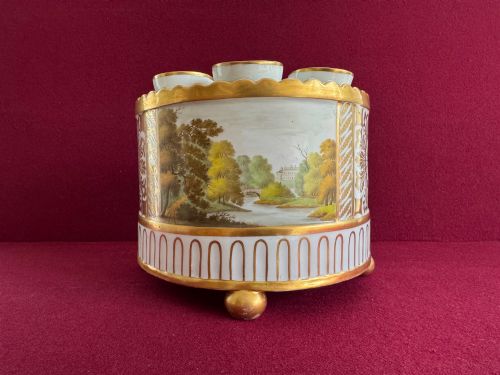
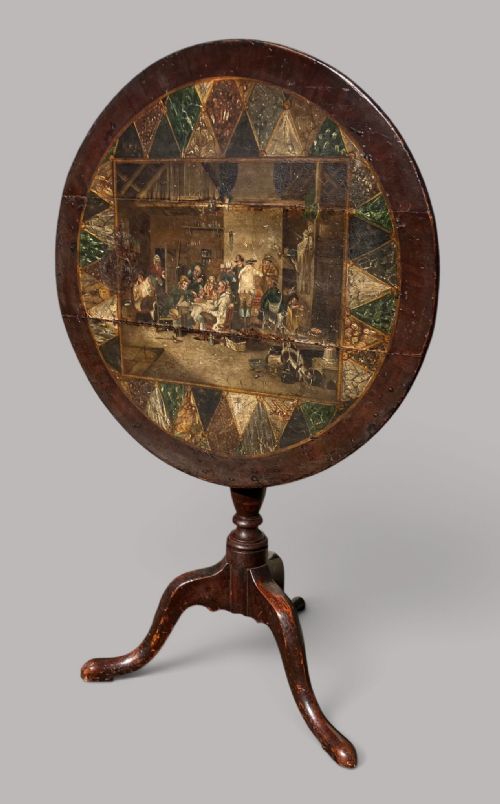
Forms vary considerably according to their original domestic purpose, including towel rails, umbrella racks, plant pedestals, and display tables. Surfaces frequently feature decorative painting, ranging from delicate Chinoiserie motifs and floral embellishments to distressed original painted pine and ebonised finishes.
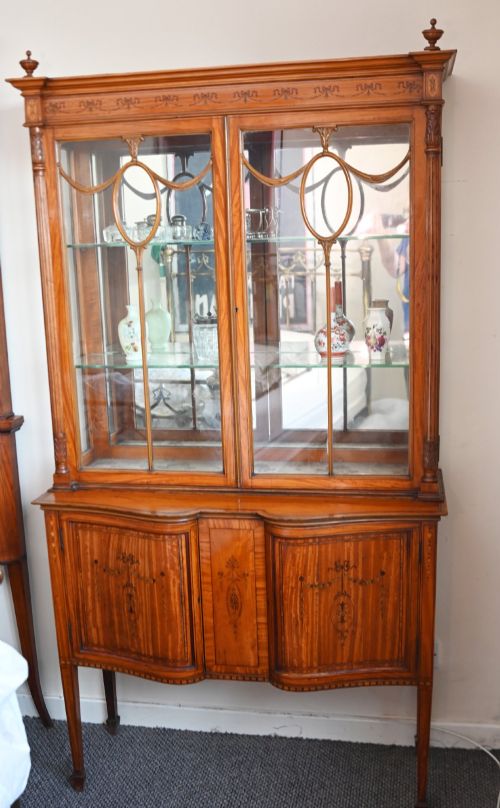
Makers utilised these painted surfaces to transform modest timbers and ironwork into striking focal points for the home. Whether examining a cast iron hall stand or a satinwood cake stand, the function remains rooted in domestic utility combined with aesthetic expression.
Materials and Construction Techniques
Makers constructed these supports primarily from woods such as mahogany, satinwood, pine, and beech, frequently applying layers of paint, lacquer, or gilt directly onto the timber. Iron and brass also appear in structural elements, particularly within hall stands, umbrella racks, and jardiniere supports where durability was paramount.
Decorative surface techniques include hand painting, japanning, and Chinoiserie application, where intricate motifs are built up over pigmented grounds. Original paint surfaces are preserved through careful layering, distinguishing genuine period decoration from later restorations.
Form variations include side tables, umbrella racks, towel rails, plant stands, and occasional tables with painted finishes.
Distinctions in Quality
Quality within these pieces rests upon the integrity of the original surface decoration and the refinement of the underlying carpentry. Stands retaining their untouched, original paint layers command greater interest than those subjected to modern repainting or heavy stripping.
Proportion, stability, and the crispness of applied decorative motifs further separate standard utility pieces from exceptional examples. Finer items exhibit balanced proportions and hand-executed details rather than mass-produced ornamentation.
The Painted Stand Glossary
- Chinoiserie
- European decorative style employing Chinese-inspired motifs, often executed in raised gold and lacquer over a dark painted ground. This technique gained immense popularity during the Georgian and Victorian periods.
- Japanning
- A type of European finish that emulates East Asian lacquerwork through the application of heat-dried varnishes and paints. It is frequently identified by dark tones finished with metallic dusting.
- Washstand
- A dedicated piece of furniture designed to hold a basin and jug for personal washing, commonly constructed from pine or mahogany. Many surviving examples retain their original painted or splashback surfaces.
- Toleware
- Metalware, usually tin or iron, painted and lacquered with decorative designs. Items such as trays and containers were frequently mounted onto wooden bases to serve as functional stands.
- Etagere
- A set of open shelves for displaying small objects, sometimes constructed as a two-tier side table. These pieces often feature painted or gilded highlights to complement domestic interiors.
Painted Stand: Frequently Asked Questions
What were painted stands used for originally?
These furnishings served specific domestic duties ranging from holding washing basins and wet umbrellas to displaying plants, candles, and decorative ceramics. Their varied forms reflect the structured rooms of past households.
Many were positioned in hallways, bedrooms, and drawing rooms where both utility and visible charm mattered to the household occupants.
How do I identify original paint?
Original painted surfaces generally exhibit natural wear, craquelure, and patination consistent with age and domestic use. Pigments integrate closely with the wood or metal substrate over decades.
Inspect corners and sheltered areas where modern touch-ups or flat, uniform repainting are absent. Genuine early finishes show subtle variations in texture and colour depth.
Are these stands suitable for daily use?
Sturdy items like plant pedestals, towel rails, and side tables remain functional for modern interiors when placed on level flooring. Their robust construction from period timbers ensures structural reliability.
Care should be taken to protect delicate painted or lacquered surfaces from moisture and direct heat to preserve the historic finish.
How do I date a painted stand?
Dating relies on combining the structural style, joinery methods, and the specific characteristics of the decorative paintwork. Regency and Georgian examples display different joinery profiles compared to Edwardian or later Victorian pieces.
Catalogue descriptions often reference specific design revivals, such as Sheraton or Chinoiserie styles, which help place the piece within a distinct era.