

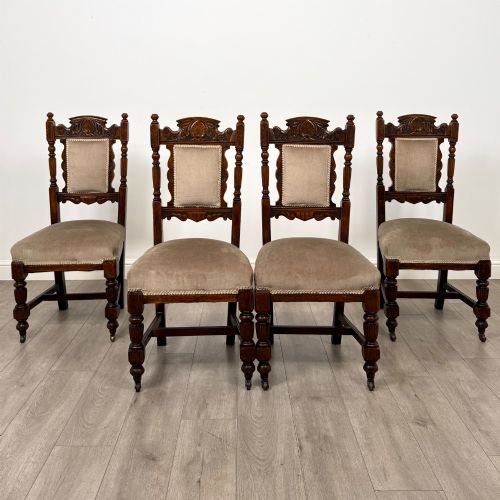


Padded Hall Seat
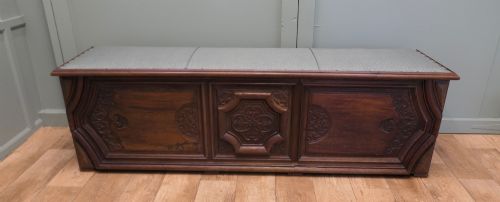
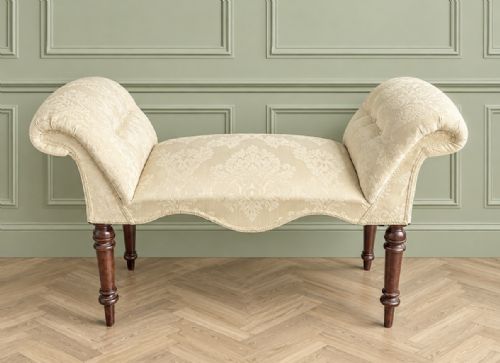
A padded hall seat brings warmth to an entrance, offering a comfortable place to pause crafted from rich timbers.
Padded Hall Seat
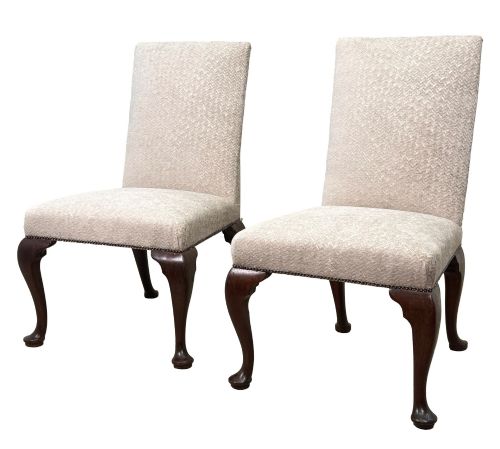
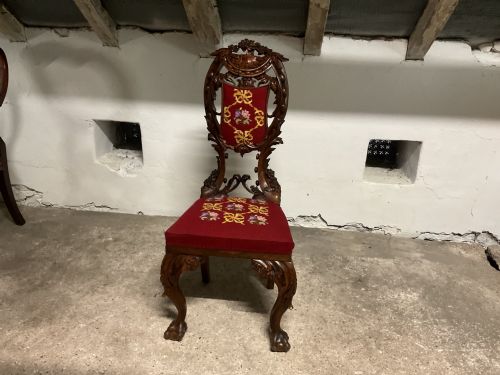
A padded hall seat combines sturdy timber frames with cushioned upholstery, designed for entryways, hallways, and window recesses. You will encounter pieces spanning the Georgian, Victorian, and Edwardian eras, often showing stylistic influences from the Aesthetic Movement, Regency, and Reformed Gothic periods.
The selection ranges from mahogany and walnut benches to oak hall seats and window seats upholstered in linen, damask, and various textiles. These forms frequently overlap with window seats, bedroom stools, and low settees.
Makers and cabinetmakers of the eighteenth, nineteenth, and early twentieth centuries produced these items in woods like mahogany, walnut, and oak. Surviving examples reflect both formal country house aesthetics and simpler domestic designs.
How they were made
Cabinetmakers constructed the frames using solid mahogany, walnut, and oak, often incorporating carved details, fluted legs, or inlaid motifs. Joinery methods relied on traditional mortise and tenon construction to ensure structural stability for daily seating.
Upholstery techniques involved webbing, stuffing, and covering the seat or padded back in textiles such as damask, linen, and traditional fabrics. Brass tacks or decorative gimp often secured the edges of the upholstery to the wooden framework.
Padded Hall Seat Retail Price Guide 2026
Typical asking prices for padded hall seat among the pieces listed under this phrase on Sellingantiques today, from the lower quarter to the upper quarter. They describe what is for sale here now, not the wider market.
Some nineteenth-century makers evidently expected visitors to spend a long time waiting in the hall, padding the seats with generous layers of wool and damask.
What varies in quality
The standard of timber selection and depth of carving distinguish finer examples from standard production pieces. Dense, well-figured mahogany and walnut with crisp, hand-carved ornamentation indicate superior craftsmanship.
The integrity of the frame construction and the quality of the upholstery materials determine the overall finish and durability. Pieces retaining original timber patination alongside well-executed period textiles demonstrate higher workshop standards.
The Padded Hall Seat Glossary
- Mahogany
- A durable, reddish-brown tropical hardwood favoured for fine cabinetmaking throughout the eighteenth and nineteenth centuries. It takes a high polish and permits crisp carving.
- Walnut
- A rich brown timber prized for its grain and figure, commonly used in furniture from the walnut period onwards. It was frequently employed for high-status seating frames.
- Damask
- A reversible figured fabric woven on a jacquard loom, traditionally used for upholstery and wall hangings. It adds formal texture to padded seats.
- Reformed Gothic
- A nineteenth-century design style that reinterpreted medieval Gothic architecture for domestic furniture. It emphasised structural honesty and geometric carved details.
- Aesthetic Movement
- A late nineteenth-century design philosophy that promoted art for art's sake and simple forms. Furniture in this style often rejected heavy Victorian ornamentation.
Padded Hall Seat: Frequently Asked Questions
Where should I place a hall seat?
A hall seat suits entrance halls, long corridors, and wide landings where a practical resting spot is useful. They also function effectively beneath large windows.
Position the piece away from direct sunlight to protect the upholstery fabrics and polished timber surfaces from fading.
How do I care for the upholstery?
Vacuum the fabric gently using a soft brush attachment to remove dust and prevent fibres from matting. Address spills immediately by blotting with a clean, dry cloth rather than rubbing.
Professional textile cleaning is recommended for antique coverings to preserve the original integrity of the fabric.
Are these seats comfortable for daily use?
Padded hall seats provide firm support intended for short periods of sitting rather than deep lounging. The firmness depends on the original padding materials and whether the piece has been recently reupholstered.
Most surviving examples offer adequate comfort for putting on shoes or resting briefly in an entryway.