




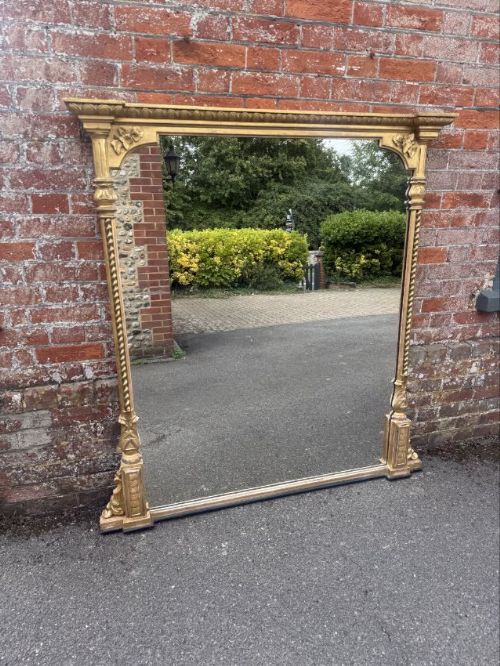
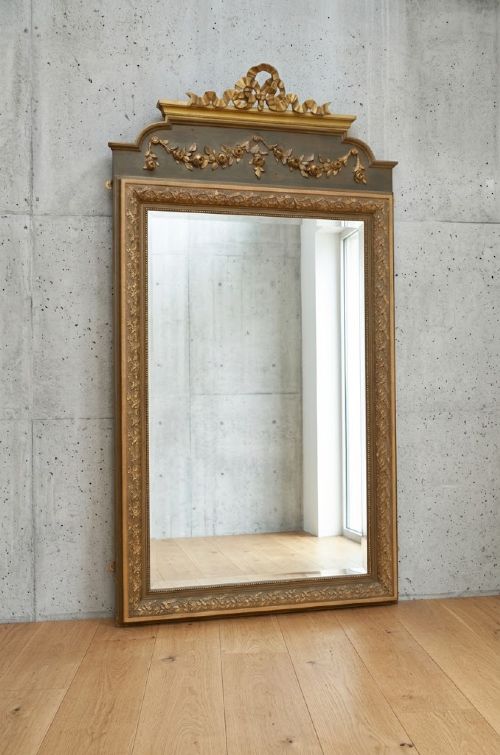
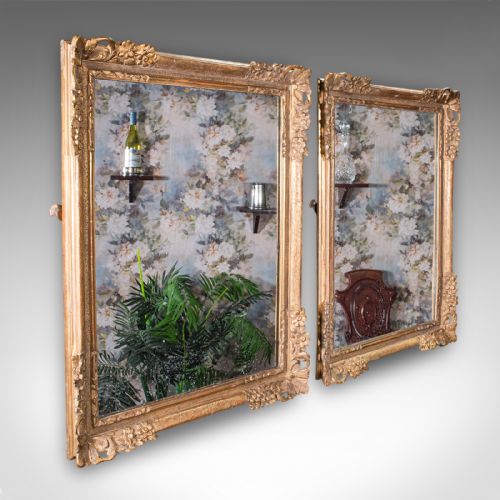
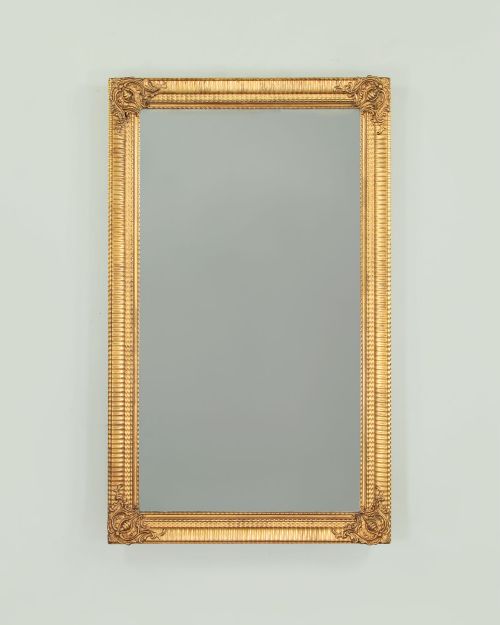
Overmantel Mirror Carved Frame
These large overmantel mirror carved frame designs anchor a room, bringing architectural presence and reflected light to a fireplace wall.
Overmantel Mirror Carved Frame
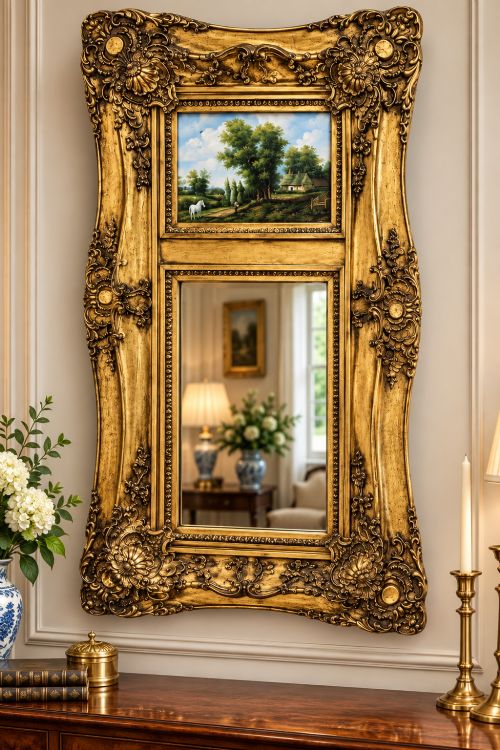
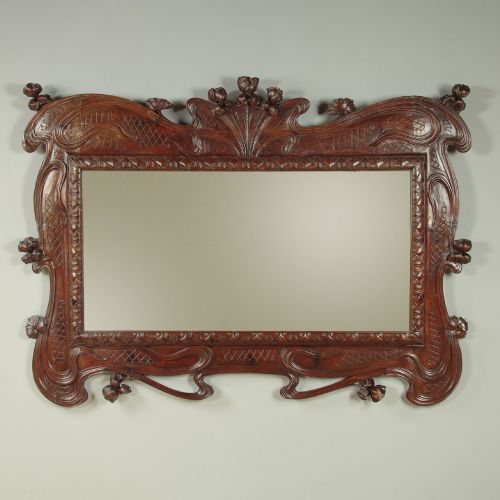
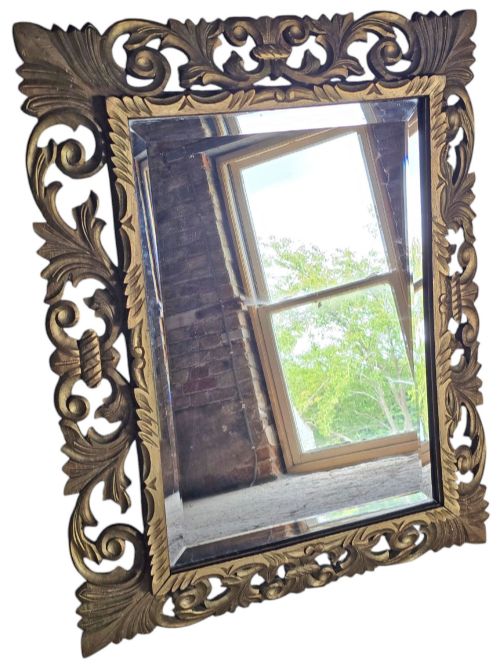
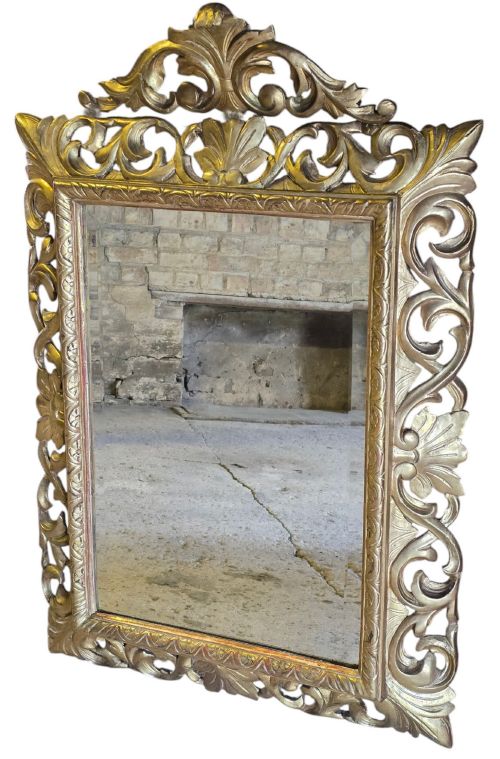
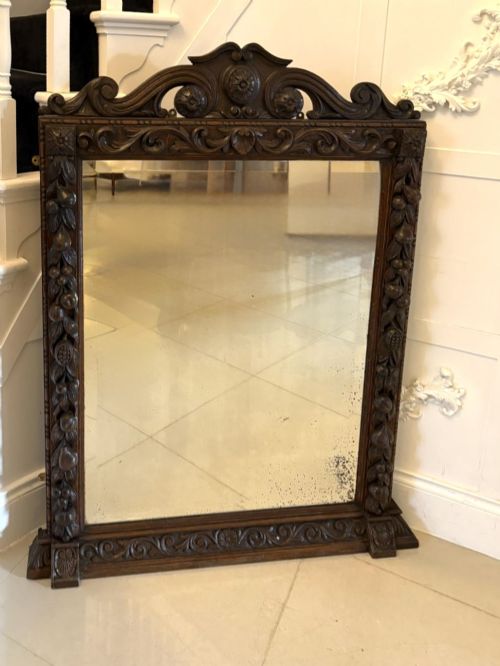
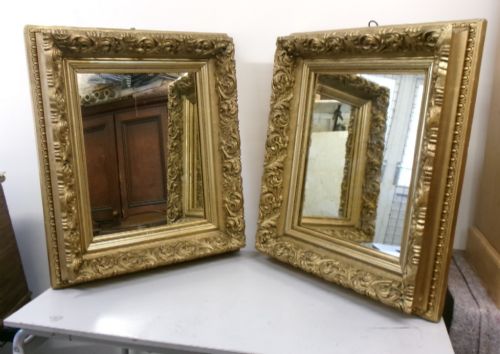
When searching for an overmantel mirror carved frame, you encounter substantial looking-glasses designed to sit above a mantelpiece, often stretching wide to match the hearth below. The selection centres heavily on nineteenth-century English and French examples, spanning Victorian interpretations and ornate continental revivals.
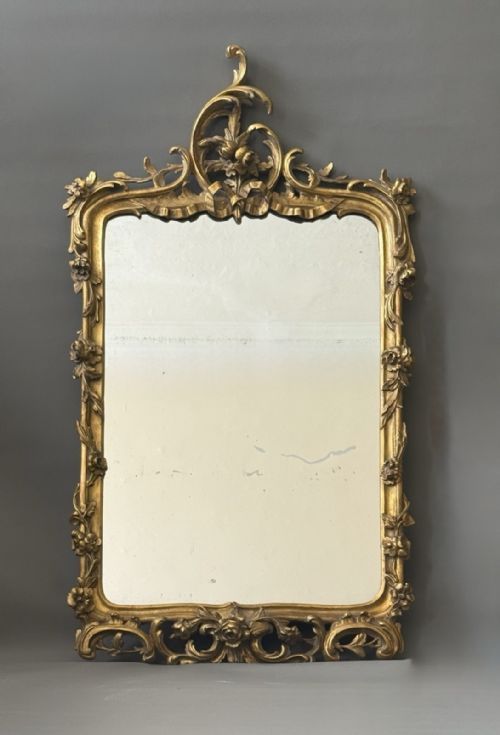
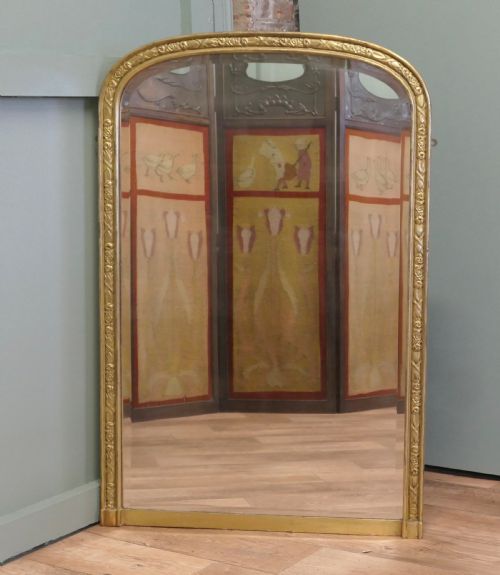
Forms range from arched and rope-twist wooden frames coated in gesso to architectural column designs and substantial oak structures. Many pieces adopt classical proportions derived from French Louis periods or display the exuberant curves typical of rococo revivals.
Materials and construction
Carved wooden frames form the structural core, utilising timbers such as oak, walnut and softer woods shaped by hand before receiving decorative enrichment. Artisans applied layers of gesso over the wood to build up crisp relief details, including acanthus leaves, ribbons and floral motifs.
Gilding techniques involved laying gold leaf or applied gilt over the gesso ground, sometimes paired with painted finishes or bleached oak surfaces. Mirror plates varied from early foxed mercury glass to heavy antique plate glass fitted securely within the rebated frame backs.
Listings feature items spanning the eighteenth to the early twentieth century, incorporating French rococo, Victorian, and Edwardian aesthetic influences.
Variations in quality
Quality reveals itself in the crispness and depth of the carved ornamentation, where hand-tooled gesso and undercut wood carving show superior artisan control compared to mass-moulded composition substitutes. The integration of the frame joints and the weight of the timber dictate the structural integrity of these large hanging objects.
The character of the mirror plate itself influences desirability, with original silvering or aged mercury plates offering authentic historic depth. Finer examples display harmonious proportions where the scale of the carved motifs complements the overall surface area of the glass.
The Overmantel Mirror Carved Frame Glossary
- Overmantel mirror
- A large wall mirror specifically proportioned to hang on the chimney breast directly above a fireplace mantel. These pieces frequently feature horizontal emphasis to span the width of the hearth.
- Gesso
- A plaster-like mixture applied to wooden frames and carved to create raised decorative details before gilding or painting. It provides a smooth, responsive ground for fine sculptural work.
- Giltwood
- Timber that has been coated with thin sheets of gold leaf or metallic powder over a prepared base. This finish produces a warm, reflective surface characteristic of formal period interiors.
- Pier glass
- A tall mirror traditionally hung on the narrow wall space between windows, often matching lower console tables. Examples in these listings share heavy carved framing characteristics with overmantel pieces.
- Mercury glass
- An early form of silvered mirror plate created by pouring a mercury-and-tin amalgam behind the glass pane. It produces a distinctive mottled appearance as the chemicals age over centuries.
Overmantel Mirror Carved Frame: Frequently Asked Questions
How do I hang an overmantel mirror safely?
These large framed mirrors carry considerable weight from the timber and glass, requiring robust wall fixings secured directly into masonry or structural studs. Professional installers generally utilise heavy-duty mirror plates or French cleats attached to the back frame.
Positioning the base close to the mantelpiece shelf helps distribute visual weight, while ensuring the hanging wire or brackets bear the load evenly across the structure.
Are the mirror plates original?
Many nineteenth-century and earlier pieces retain their original glass plates, which often exhibit characteristic foxing, minor pitting or soft oxidation around the edges. These age marks confirm the antiquity of the glass rather than detracting from its decorative appeal.
Replacement plates appear in some listings where damaged historic glass required updating to maintain safety and clear reflection for modern use.
What is the difference between Victorian and French styles here?
Victorian overmantel mirrors tend to feature robust English oak frames, architectural column supports, or disciplined giltwork incorporating acanthus leaf and rope-twist motifs. They reflect domestic comfort and solid craftsmanship of the nineteenth century.
French pieces from equivalent periods often lean towards rococo revival or Louis styles, displaying lighter carved crests, ribbon motifs, elongated proportions, and bright gilded or painted surfaces.
Can these mirrors be rested on the mantel instead of hung?
Historic overmantel mirrors were frequently designed to rest directly on the wooden mantel shelf while secured to the wall with discreet top brackets to prevent tipping. This leaning placement creates an authentic period interior arrangement.
Checking the weight distribution and securing an anchor bracket at the top ensures the heavy frame remains stable against the wall surface.