



Oval Wood Frame
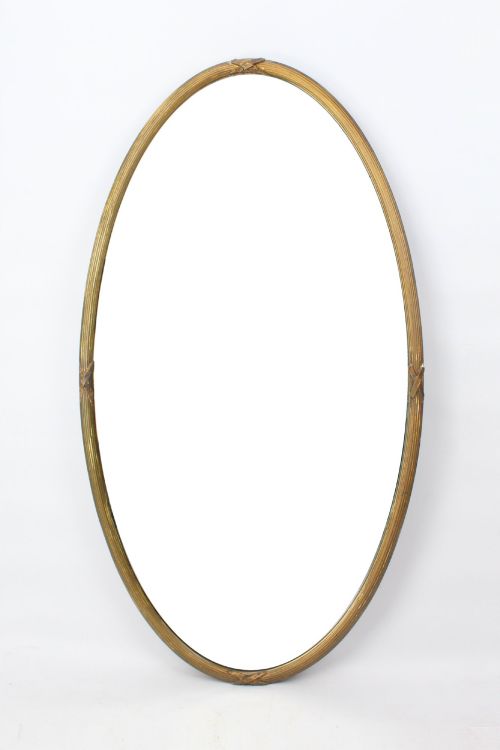
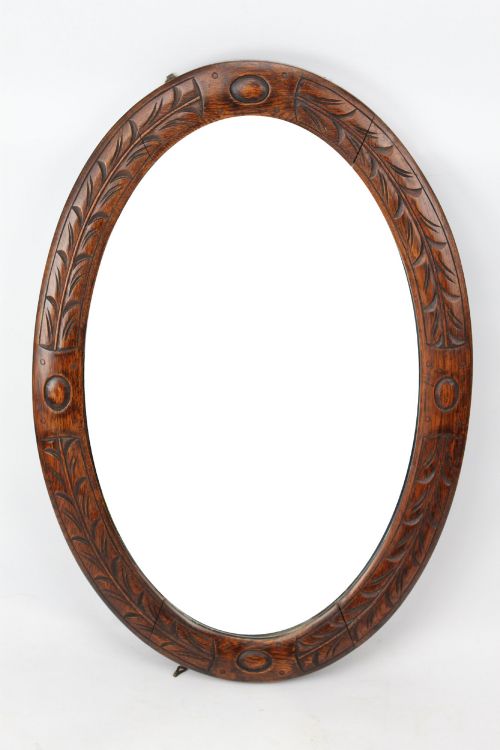
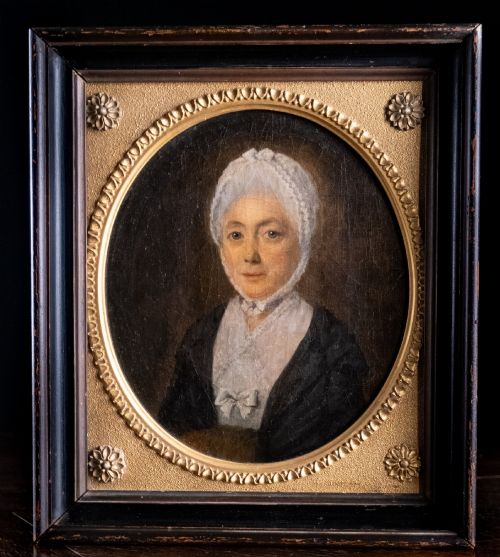
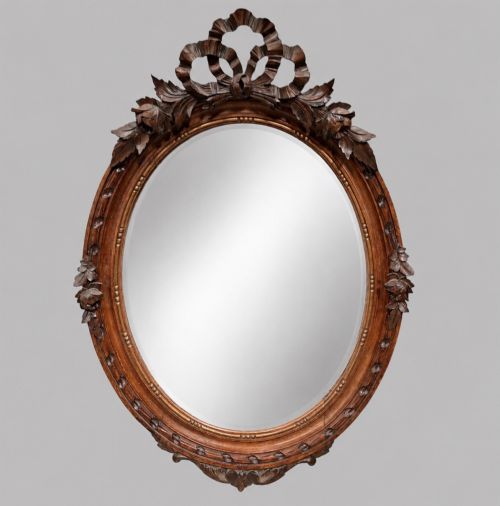
An oval wood frame holds a mirror, a portrait, or a painting, bringing curved lines and traditional craftsmanship to a wall.
Oval Wood Frame
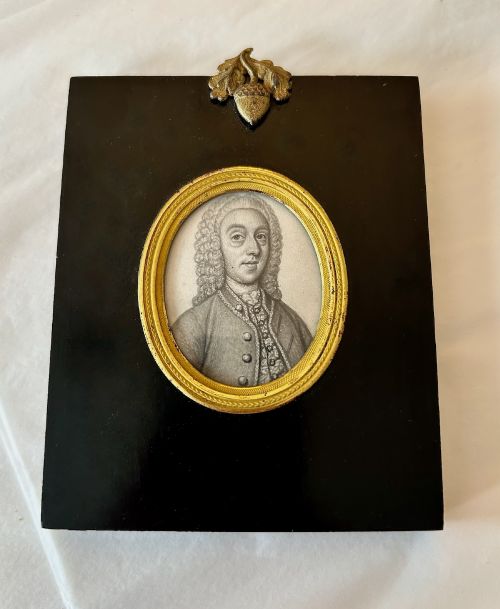
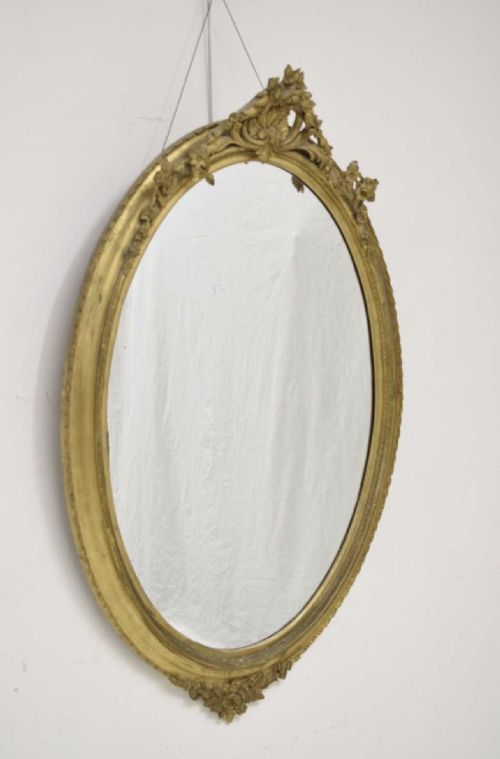
An oval wood frame shapes the visual weight of wall mirrors, oil paintings, and portrait miniatures. When searching for an oval wood frame, buyers encounter pieces stretching from the seventeenth century through the Georgian, Victorian, and Edwardian eras into the early twentieth century.
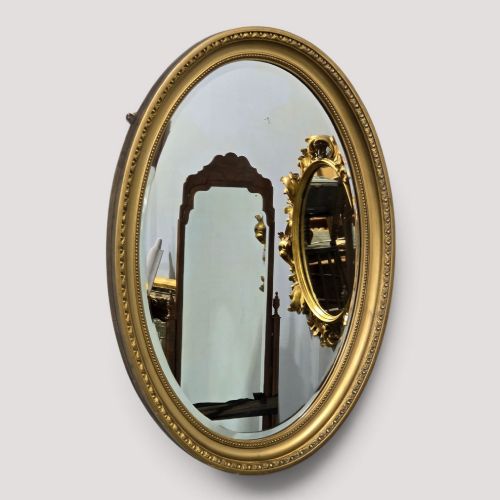
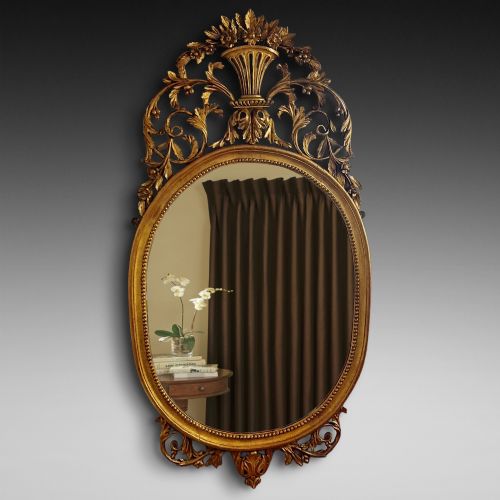
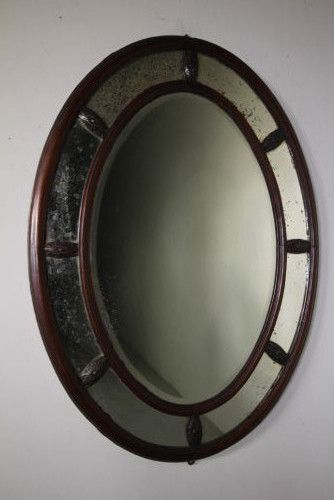
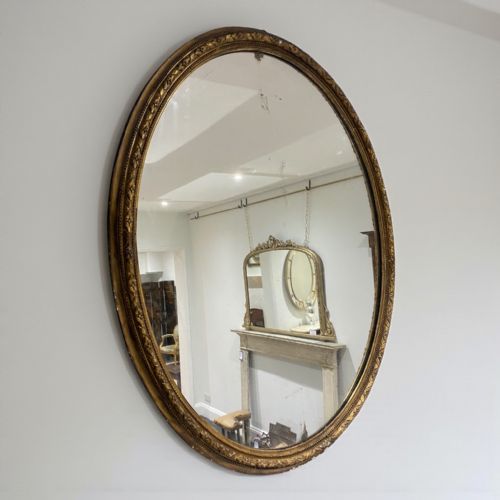
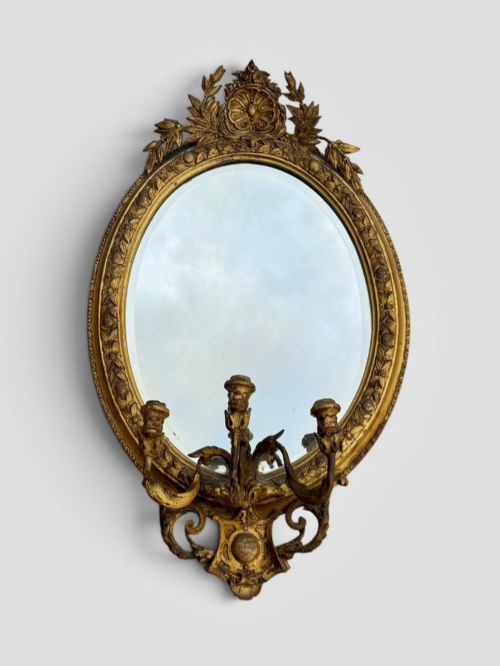
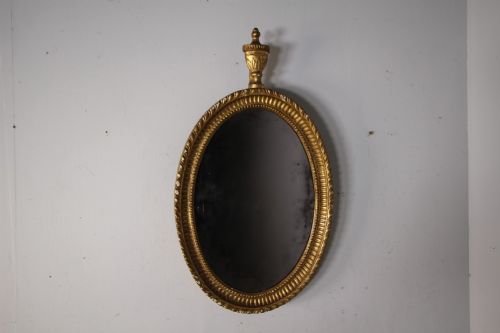
Mirrors dominate the selection, ranging from country house mahogany pieces to ornate giltwood and gesso wall hangings. Alongside these, early oil paintings and miniature portraits retain their period surrounds in oak, mahogany, or carved timber.
Materials and construction
Carpenters and carvers utilised native and imported timber such as oak and mahogany to form the structural body of the frame. Many pieces received layers of gesso to build up decorative relief before receiving gold leaf or paint finishes.
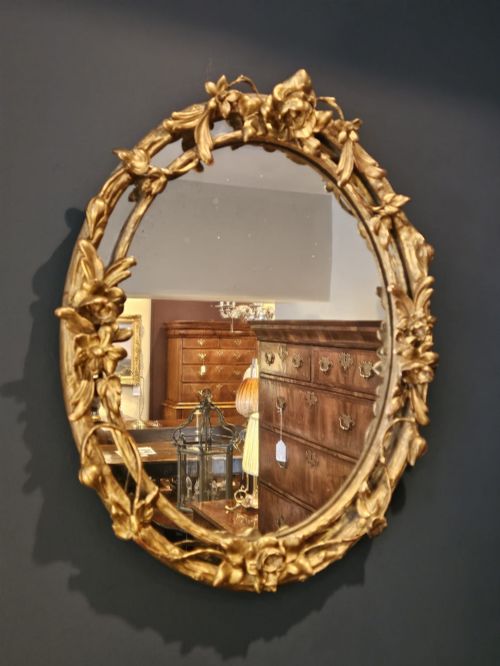
Joinery and carving techniques varied by period, from seventeenth-century mouldings to nineteenth-century rose vine motifs and simulated wood finishes.
Oval Wood Frame Retail Price Guide 2026
Typical asking prices for oval wood frame among the pieces listed under this phrase on Sellingantiques today, from the lower quarter to the upper quarter. They describe what is for sale here now, not the wider market.
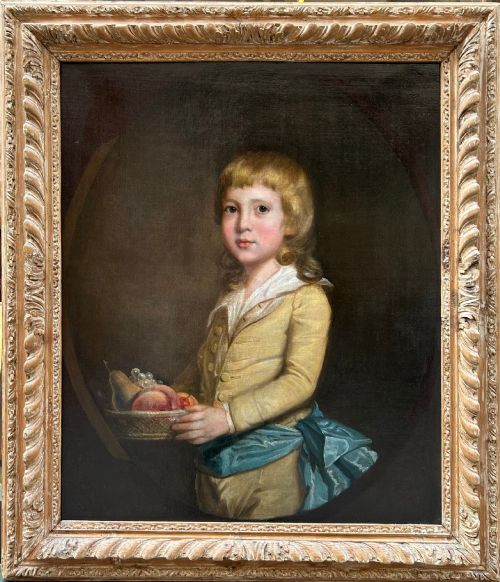
Several portraits keep watch over the centuries carrying fruit baskets or sporting elaborate periwigs and blue cloaks.
Evaluating craftsmanship
The depth and crispness of the hand-carving distinguish standard production from superior artistry. Clean joinery at the perimeter curves and the preservation of the original gilt or wood surface indicate the level of care taken by the maker.
The integration between the artwork or mirror plate and its surround matters greatly; pieces retaining their original glass, canvas, or backing retain higher integrity.
James Ferguson·Cornelius Johnson·Thomas Murray·Thomas Beach·Allan Ramsay·John Taylor
The Oval Wood Frame Glossary
- Giltwood
- Timber coated with gold leaf over a prepared ground. This finish reflects light and provides a warm metallic sheen.
- Gesso
- A plaster-like mixture applied to wood surfaces and carved or moulded into relief decoration. It forms the base for gilding.
- Mahogany
- A durable, reddish-brown tropical hardwood utilised extensively for Georgian and Victorian frames and furniture.
- Portrait Miniature
- A small, detailed painting executed on vellum, card, or copper, housed in a compact protective frame.
Oval Wood Frame: Frequently Asked Questions
How do I hang a heavy oval wood frame?
Heavy carved wood and gilt frames require secure wall fixings suited to the weight of the timber and glass. Using appropriate mirror plates or dual wall hooks distributes the load safely.
Position the piece at eye level to balance the curved geometry within the room.
Are these frames supplied with original glass?
Many period mirrors retain their original hand-silvered glass, which often exhibits minor foxing and age spots. These natural signs of ageing confirm the antiquity of the piece.
Paintings and miniatures similarly house period canvas, paper, or copper panels.
How do I clean an antique giltwood frame?
Dust the carved surfaces gently with a soft, dry brush to remove particles without disturbing the gold leaf or gesso. Avoid liquid cleaners or chemical solvents entirely.
Professional conservation is recommended for any areas showing flaking or structural instability.
What distinguishes Georgian frames from Victorian ones?
Georgian frames often display restrained neoclassical symmetry or crisp Palladian carving in mahogany and giltwood. Victorian examples tend towards heavier proportions, elaborate rose vine motifs, and dense gesso ornamentation.
Examining the underlying timber and joinery helps clarify the period of manufacture.