

Oval Watercolour Miniature Portrait
An oval watercolour miniature portrait brings intimate likenesses of earlier sitters to hand, held in delicate metal, wood or ivory frames.
Oval Watercolour Miniature Portrait
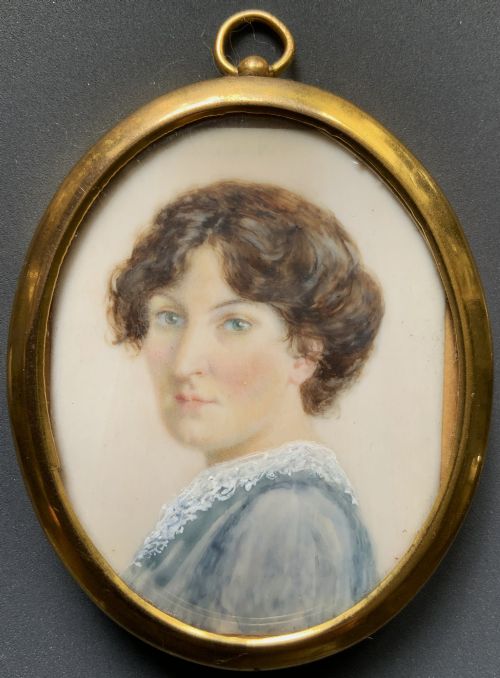
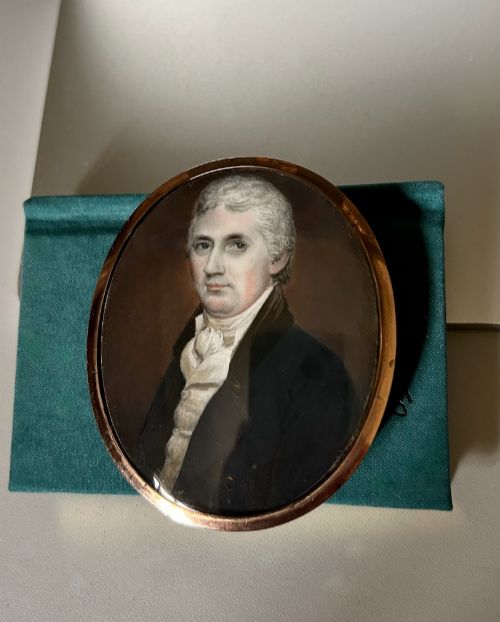
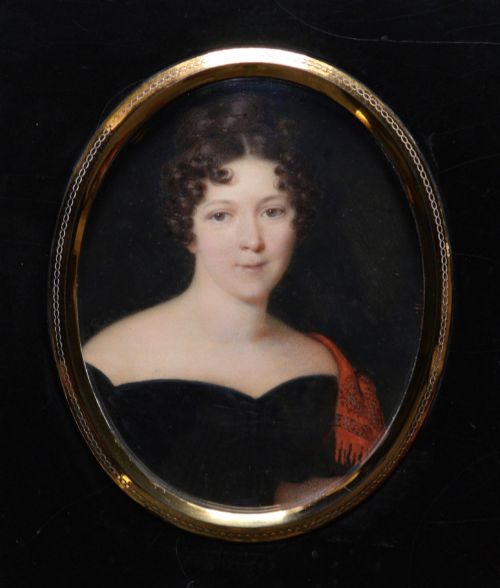
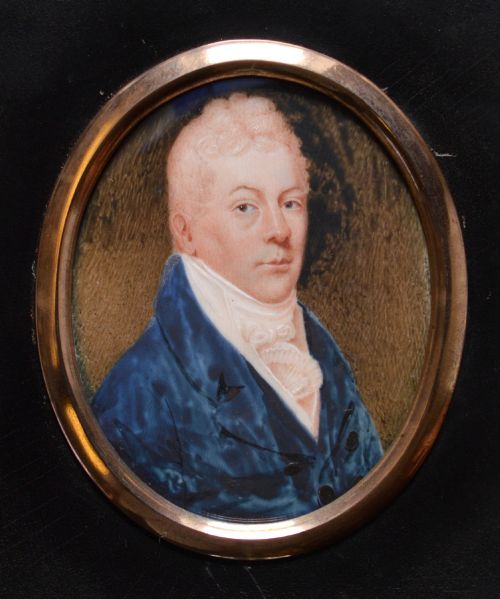
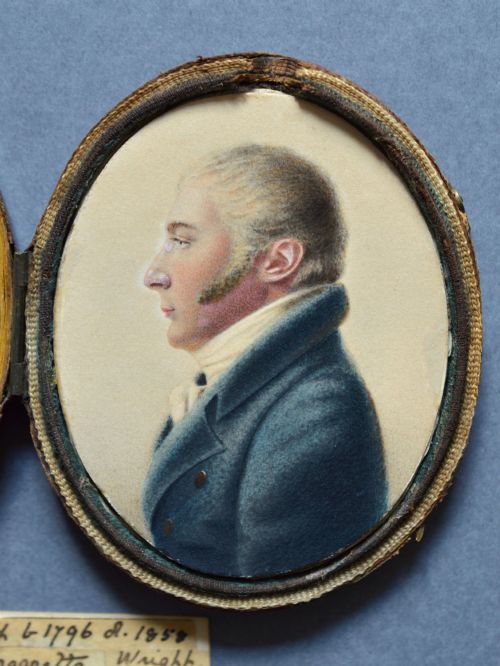
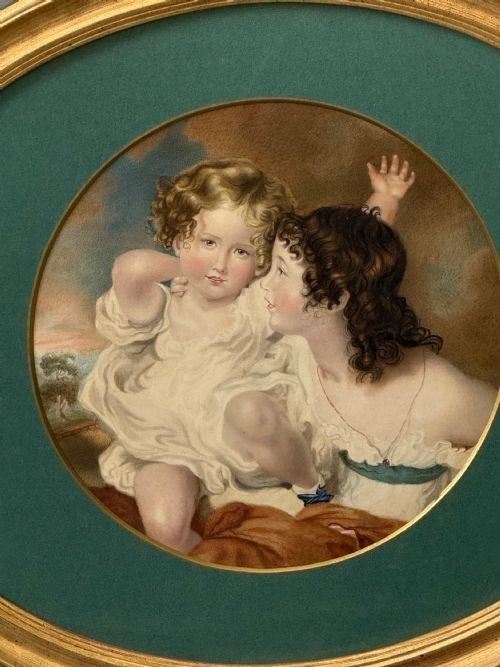
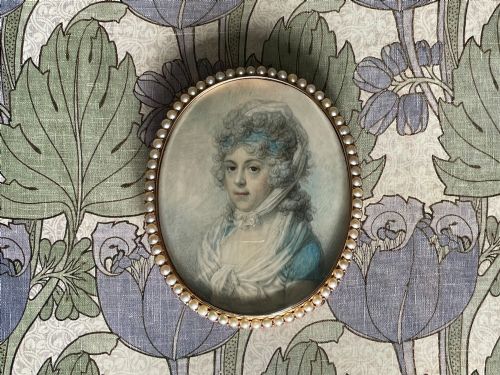
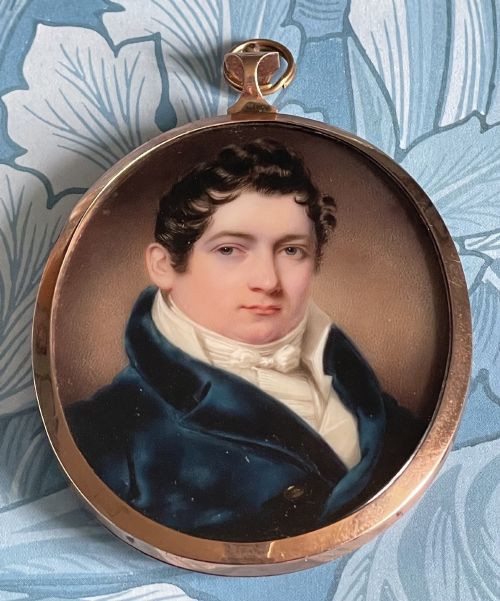
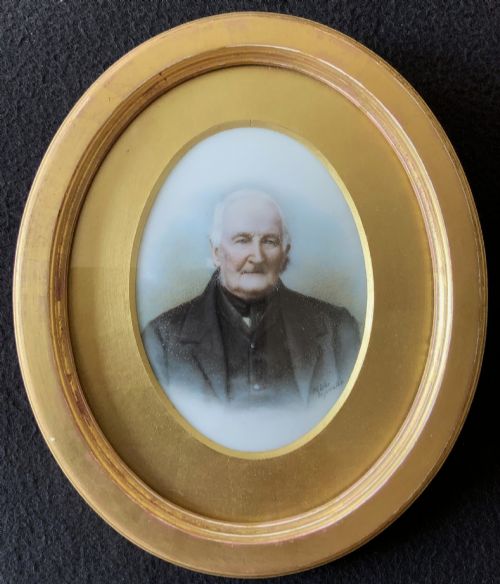
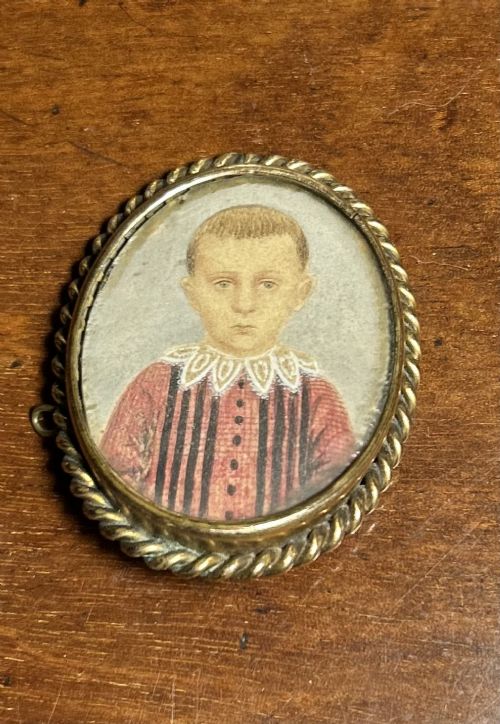
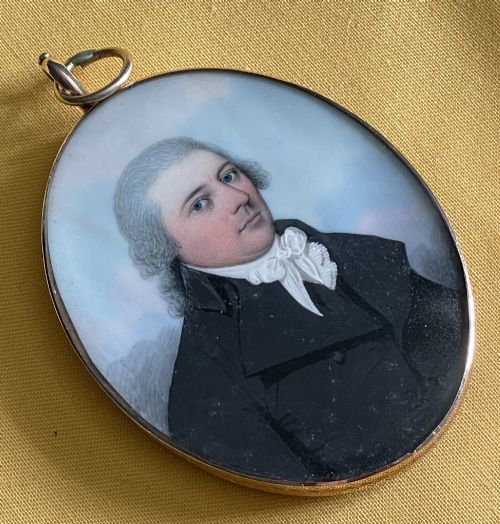
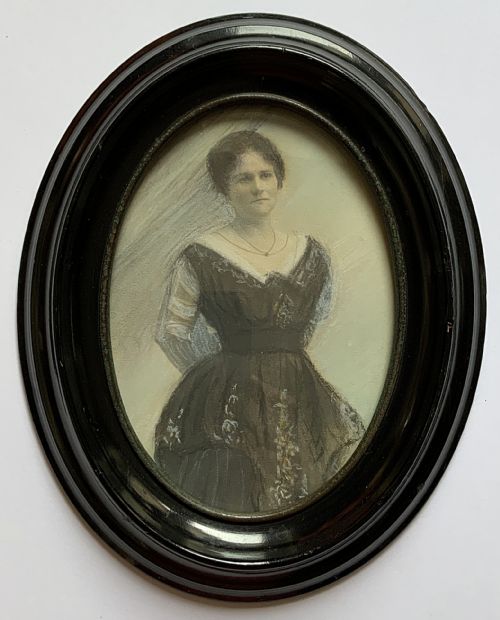
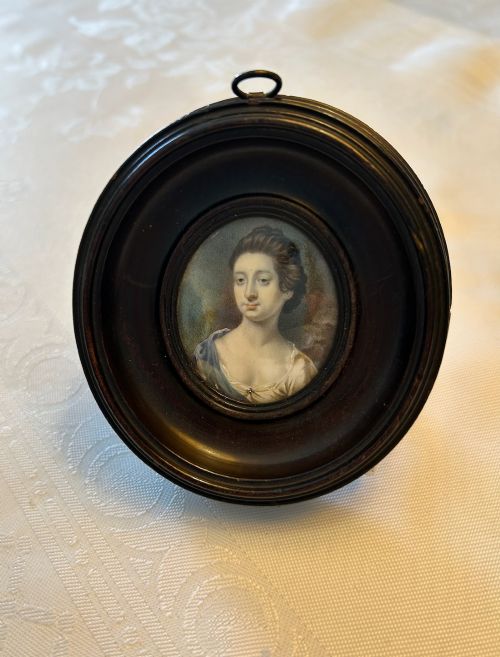
An oval watercolour miniature portrait captures the likeness of an individual on a small scale, usually painted on paper, ivory or glass. These works span the eighteenth and nineteenth centuries, taking forms such as framed paintings, pendants and brooches.
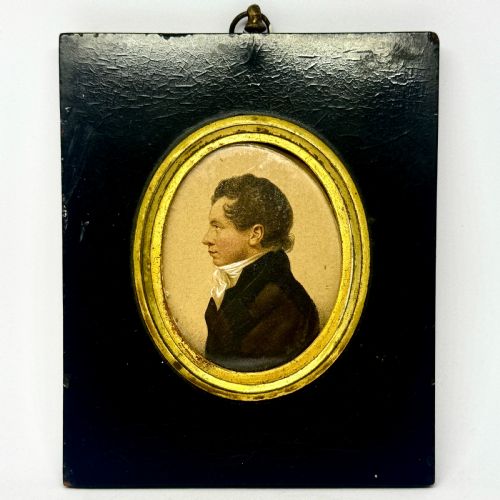
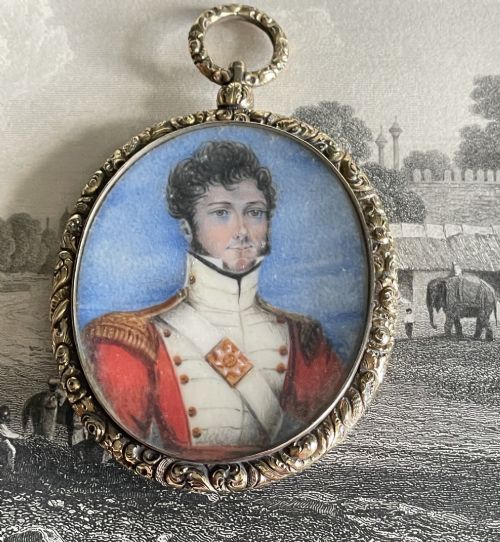
The pieces appearing most frequently on this page belong to the Georgian, Regency and Victorian eras. Subjects range from naval officers and children to titled ladies and gentlemen, often housed in ebonised wood or gilt metal surrounds.
Makers and schools vary widely, from British and French portraitists to Anglo-Indian and Mughal works. Buyers encounter both signed studies by recognised artists and anonymous likenesses from regional schools.
How They Were Made
Artists painted these miniature portraits using fine watercolour and sometimes bodycolour or pencil, applying meticulous brushwork to capture facial expressions and costume details. Supports included delicate sheets of paper, prepared card, glass or thin slices of ivory.
Frames played an integral structural and aesthetic role, fashioned from gold, brass, gilt metal or ebonised wood. Many pieces incorporated protective glass covers, seed pearl embellishments or small folding stands to display the portrait upright.
Several naval officers gaze firmly out from their gold frames, perhaps wondering how they ended up sharing display space with a flapper lady from the nineteen-twenties.
What Varies in Quality
The skill of the brushwork dictates the distinction between standard and exceptional portraits. Superior examples display precise anatomical control, convincing skin tones and subtle psychological depth in the sitter's expression, whereas weaker pieces rely on stiff lines and flat planes.
Material construction also separates the tiers of production. Original gold or seed pearl frames and signed panels by established hands elevate a piece well above unsigned works housed in later replacement surrounds.
Richard Cosway·John C D Engleheart·Frederick Buck·Dumont·William Wood·Charles Hayter·William Naish·Nicolas Freese·J Bizo·George Engleheart·Susie Lassam·George Hargreaves·Archibald Skirving·William Grimaldi
The Oval Watercolour Miniature Portrait Glossary
- Watercolour
- A paint consisting of pigment suspended in a water-soluble vehicle, used extensively on paper or ivory for these portraits. It allowed artists to achieve translucent skin tones and delicate washes.
- Ebonised wood
- Timber treated to resemble ebony, frequently used for dark, contrasting frames during the Georgian and Victorian periods. This finish provided a severe, elegant border that drew focus directly to the painted face.
- Gilt metal
- A base metal treated with a thin layer of gold or gold-coloured wash. It offered an affordable alternative to solid gold while maintaining a bright, decorative metallic edge around the miniature.
- Pendant
- A portrait made to be suspended from a ribbon or chain around the neck. These pieces often feature suspension loops and enclosed reverse sides containing braided hair memorials.
- Brooch
- A wearable ornament featuring a pin fastening on the reverse, allowing the miniature portrait to be pinned to garments. They frequently employ secure gold or base metal mountings.
Oval Watercolour Miniature Portrait: Frequently Asked Questions
How were these miniature portraits originally worn or displayed?
Owners wore them as personal jewellery items, such as brooches pinned to clothing or pendants hung around the neck on ribbons. Many others sat upon desks or mantelpieces inside small hinged leather cases or on gilt metal stands.
These portable formats allowed sitters to keep likenesses of family members or military officers close during travel. The inclusion of suspension loops or fitted stands dictates whether a specific piece was meant for personal wear or interior display.
How can I tell a Georgian portrait from a Victorian one?
Clothing styles, hairstyles and frame construction provide the clearest chronological clues. Georgian and Regency sitters often wear powdered hair, high-waisted muslin dresses or naval uniforms in simple round frames.
Victorian pieces introduce more elaborate hairstyles, darker fabrics and ornate, heavier frames with embossed metal or seed pearl work. Hairwork compartments on the reverse also become more common in the nineteenth century.
Are these portraits usually signed by the artist?
Many surviving examples remain unsigned because artists often worked anonymously or produced pieces for commercial portrait studios. When signatures do appear, they typically sit discreetly along the edge of the painted image.
Unsigned works are attributed to specific periods or schools by comparing their brush technique, framing style and the sitter's costume against dated examples. Archival records sometimes help link an anonymous sitter to a known commission.