

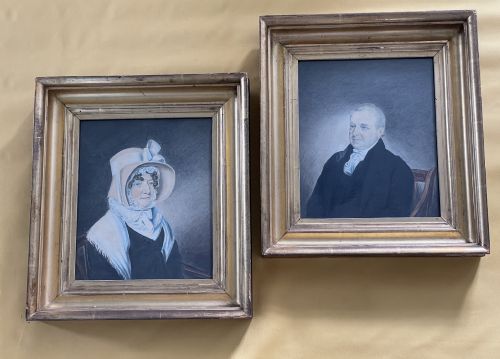
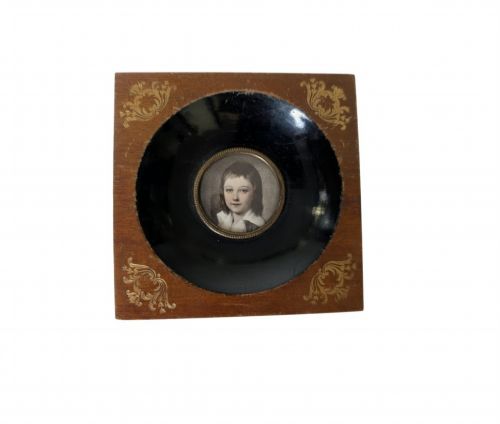


Georgian Miniature Art Pair
A georgian miniature art pair brings together intimate portraiture and delicate craft from the eighteenth and nineteenth centuries.
Georgian Miniature Art Pair
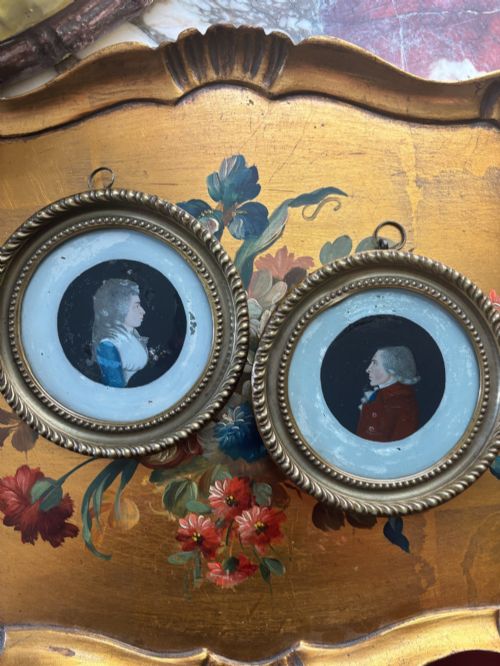
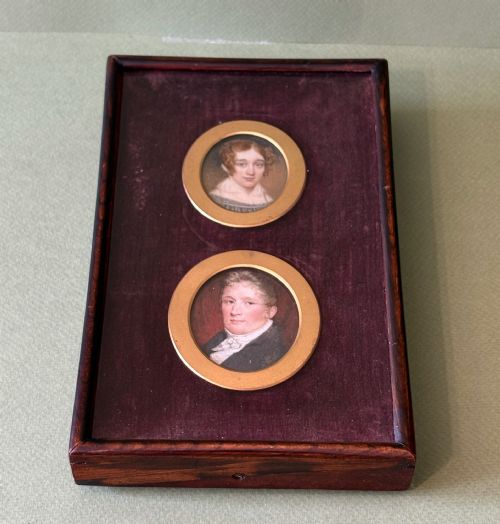
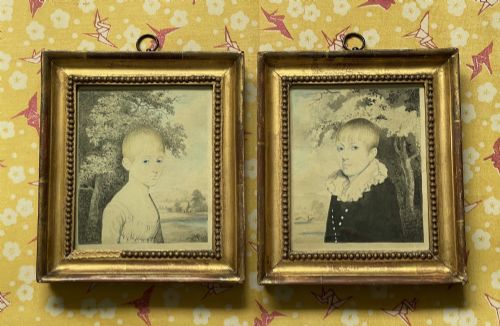
A georgian miniature art pair comprises two matching small-scale works, most frequently found as framed portrait miniatures, enamel plaques, or watercolours. These companion pieces often depict family members, children, or romantic scenes created during the Georgian, Regency, and early Victorian periods.
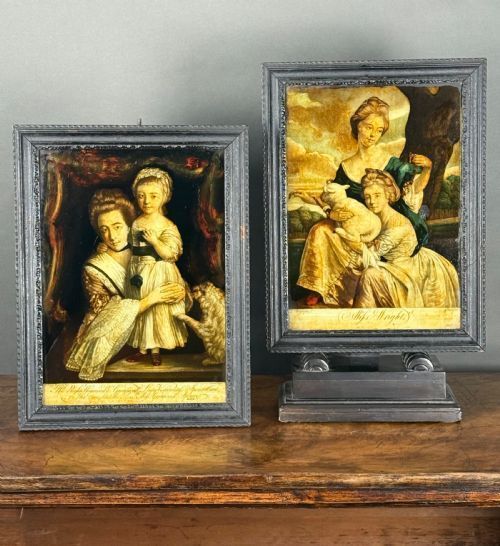
The selections on this page span several decades, highlighting works executed on paper, glass, enamel, and copper. Buyers regularly encounter subjects ranging from character studies and theatrical silkwork pictures to detailed silhouettes and reverse glass mezzotints.
Materials and construction
Makers utilised watercolour on paper alongside enamel applied to copper substrates, particularly in South Staffordshire productions. Giltwood, brass, and wood frequently formed the protective frames and housings for these delicate compositions.
Techniques varied from delicate hand-painting and stipple-engraving to specialised reverse glass mezzotint printing and papier mache moulding. Silkwork and etching also contributed to the diverse textural output of these historical pairings.
Listings feature works spanning the eighteenth and nineteenth centuries, incorporating glass, paper, brass, wood, watercolour, giltwood, enamel, and copper materials.
Distinguishing quality in miniature pairs
Quality rests in the precision of the brushwork and the preservation of the delicate surface materials, whether watercolour, enamel, or glass. Superior examples retain their original framing and crisp detail without fading or surface deterioration.
The renown of the artist or the specific regional workshop elevates certain pieces above standard anonymous decorative works. Signed works and documented attributions provide a clearer provenance that collectors value.
James Sharples·George Hargreaves·Thomas Woolnoth·Ozias Humphry·Henry Edridge
The Georgian Miniature Art Pair Glossary
- Miniature portrait
- A small painting, often executed on ivory, vellum, or paper, designed for intimate viewing. These works capture likenesses with remarkable detail despite their diminutive scale.
- Reverse glass mezzotint
- An image transferred and painted on the underside of a glass panel. This technique creates a luminous depth unique to eighteenth-century interior decoration.
- Enamel plaque
- A vitreous composition fused to a metal base, typically copper, through high-temperature firing. South Staffordshire workshops specialised in producing these durable, glossy painted surfaces.
- Stipple-engraving
- A printmaking method using dots of varying density to model form and tone. This technique produces soft tonal gradations well-suited to portraiture.
- Silhouette
- A profile portrait filled in with a solid dark colour, usually black, against a pale background. These streamlined likenesses gained immense popularity during the Regency era.
Georgian Miniature Art Pair: Frequently Asked Questions
How were miniature pairs displayed?
These paired artworks were typically hung together in small, intimate rooms or private chambers to maintain the thematic link between the subjects. Owners often placed them in close proximity to create a balanced arrangement on panelled or papered walls.
Many of these pieces were also kept in specialised travel cases or protected behind glass frames to safeguard the delicate watercolours and enamels from light exposure and dust.
What subjects do these pairs depict?
The imagery ranges from formal family portraits and children to theatrical scenes, romantic ruins, and literary figures. Companion pieces frequently matched a lady with a gentleman or paired related family friends.
Other examples include narrative sequences, such as departure and return themes, capturing common social motifs of the eighteenth and nineteenth centuries.
How do I identify the period?
Stylistic indicators such as costume design, hair styling, and framing materials help determine whether a piece originates from the Georgian, Regency, or Victorian eras. Fashions changed rapidly, providing reliable chronological markers for portraiture.
Additionally, the backing materials, handwritten inscriptions on reverse labels, and mounting techniques offer further evidence of the manufacturing date.
Are these works hand painted?
Many examples are executed entirely by hand in watercolour, enamel, or oil on various fine substrates. Artists applied meticulous brushwork to achieve high levels of detail on a small scale.
Other pieces incorporate printmaking techniques such as etching, stipple-engraving, or mezzotint, sometimes finished with hand-applied watercolour highlights.
How should I care for miniatures?
Miniatures require protection from direct sunlight to prevent the fading of watercolours, printed inks, and delicate pigments. Maintaining stable indoor humidity levels also protects wooden frames and paper supports.
Displaying them away from heat sources and handling them minimally ensures the longevity of fragile glass, enamel, and silkwork components.