

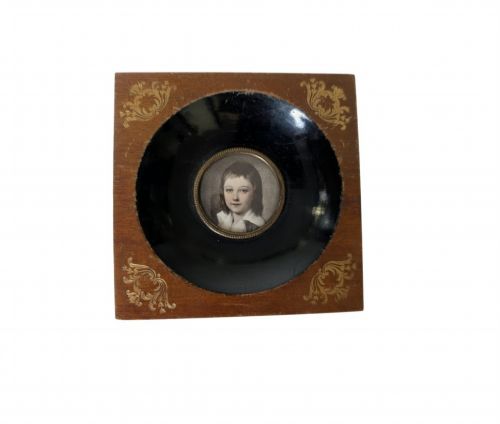


Regency Portrait Miniature Pair
A regency portrait miniature pair captures personal likenesses in intimate scale, offering collectors paired intimacy and historical portraiture.
Regency Portrait Miniature Pair
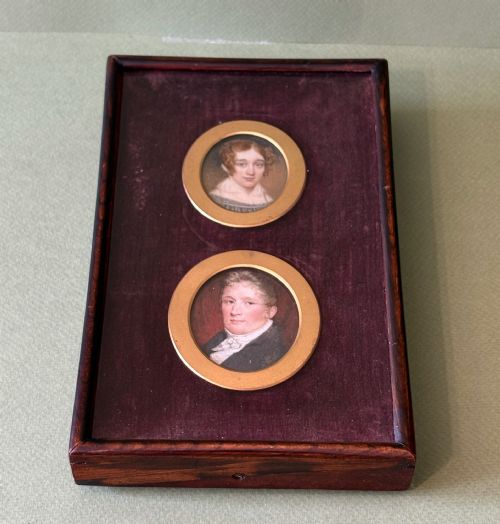
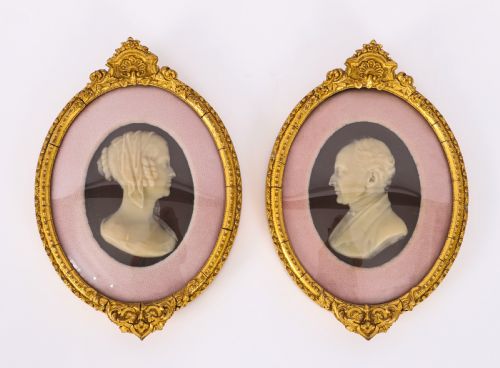
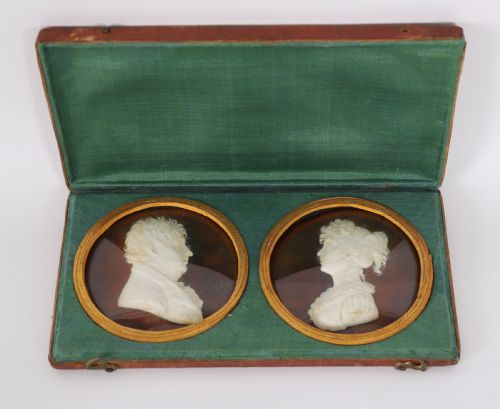
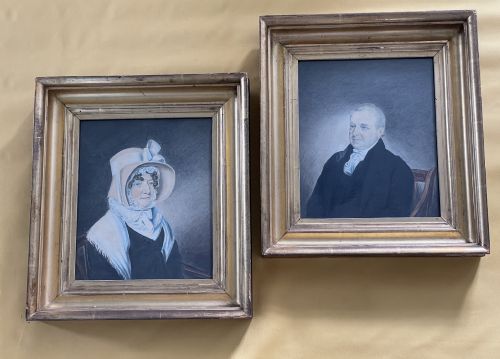
When you search for a regency portrait miniature pair, you encounter companion pieces depicting subjects side by side, often a lady and gentleman or family members. These works appear in forms ranging from watercolour paintings and wax reliefs to paper silhouettes and framed artwork.
The selections span periods from the eighteenth century through the nineteenth century, including Georgian, Regency, William IV, and Victorian eras. Alongside traditional frames, the listings include decorative items like papier mache table snuff boxes.
You are most likely to meet nineteenth century framed pairs and Regency period examples on this page. These miniature portraits capture character and likeness through delicate media designed for close viewing.
How they were made
Makers utilised watercolour on paper or delicate wax to build up the fine details of each likeness. These sensitive materials required careful mounting behind glass to protect the surface from dust and handling.
Frames and enclosures rely on rosewood, brass, giltwood, and velvet to house the artworks. Some specialised pieces take the form of papier mache boxes featuring portrait work on the lid.
Even snuff boxes got in on the action, serving up portrait miniatures right on the lid for when you needed a likeness with your tobacco.
What varies in quality
The refinement of the brushwork or the crispness of the silhouette cutting determines the visual impact of each portrait. Softer, more detailed facial modelling distinguishes finer works from simpler decorative output.
The quality of the housing, from polished rosewood and giltwood to fitted velvet backing and protective glass, contributes significantly to the overall presence of the pair. Original frames that retain their matching appearance elevate the set.
James Sharples·Thomas London·Stobwasser·George Hargreaves·Thomas Woolnoth·Henry Edridge·Yeo
The Regency Portrait Miniature Pair Glossary
- Miniature portrait
- A small-scale painting or likeness executed with high precision. These works demand immense control from the artist due to their diminutive dimensions.
- Silhouette
- A portrait profile cut from paper or painted in solid dark tones, typically black. This technique gained immense popularity during the Georgian and Regency eras for quick and striking likenesses.
- Wax relief
- A portrait modelled in low relief using coloured or tinted wax. Artists often mounted these three-dimensional likenesses against dark velvet backgrounds within protective frames.
- Grand Tour
- A cultural journey undertaken by wealthy young Europeans through the continent. Souvenirs from these travels frequently included small portrait reliefs and classical artworks.
Regency Portrait Miniature Pair: Frequently Asked Questions
What is a regency portrait miniature pair?
A regency portrait miniature pair consists of two matching small-scale likenesses created during the late eighteenth or early nineteenth centuries. They frequently depict a husband and wife or companion subjects.
These paired artworks allow collectors to acquire matched likenesses by the same hand or from the same period. They represent an intimate form of portraiture popular before the invention of photography.
How were portrait miniatures displayed?
Makers housed these small works in dedicated frames made from rosewood, brass, or giltwood, often backed with velvet and protected by glass. Some dual portraits appeared on functional objects such as table snuff boxes.
Displaying them required wall space for hanging framed pairs or tabletop placement for enclosed boxes. Their small scale meant they were viewed close up in private rooms rather than large galleries.
What materials did artists use?
Artists worked with watercolour on paper, shaped wax for relief portraits, and cut paper for silhouettes. These delicate media were mounted behind glass for preservation.
Enclosures featured structural elements of brass, wood like rosewood, and decorative papier mache. Velvet liners often provided a contrasting background for wax reliefs and silhouettes.
How do I distinguish periods?
Georgian and Regency examples often display Neoclassical influences with specific dress and hair styling characteristic of the early nineteenth century. Later nineteenth century and Victorian pieces show shifts in framing materials and costume details.
Examining the backing, framing style, and signature attribution helps narrow down the date. Documentary evidence written on the reverse can also confirm the period.