
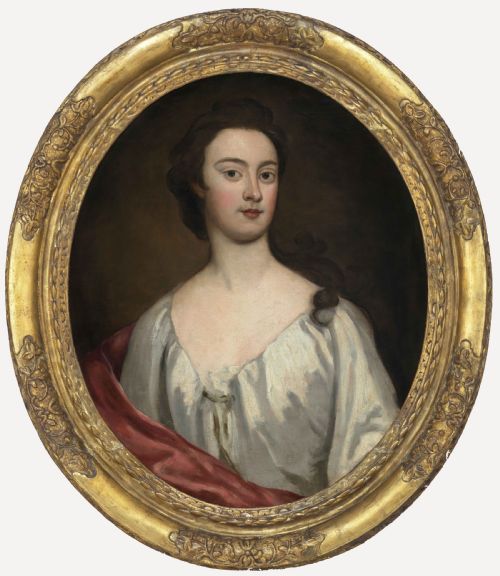
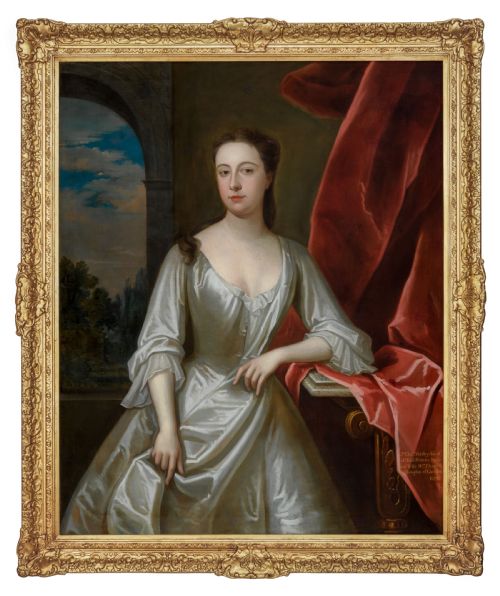
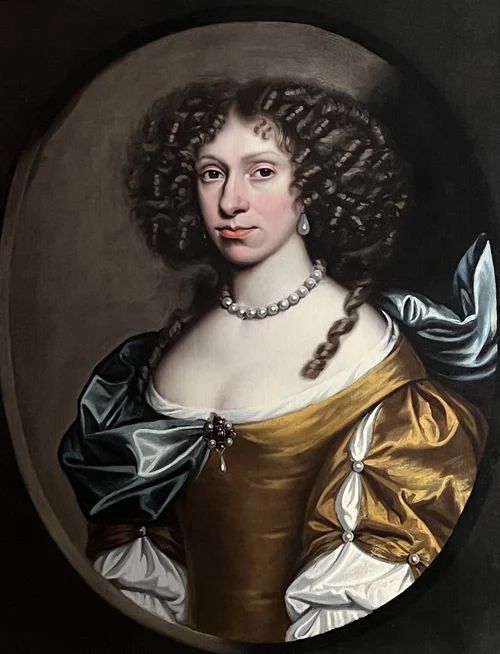

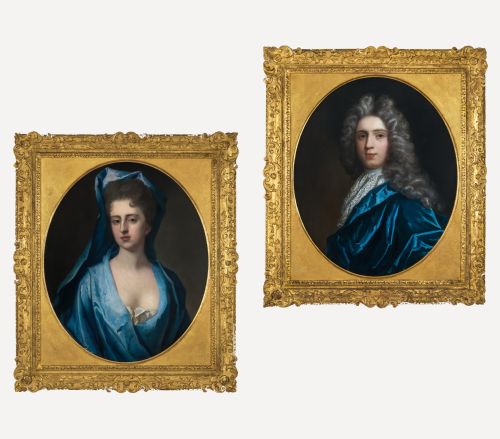

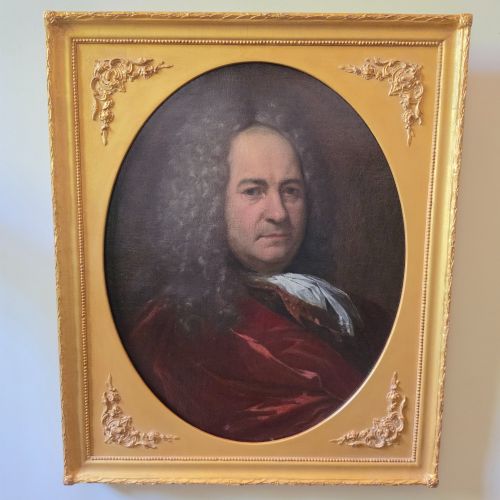
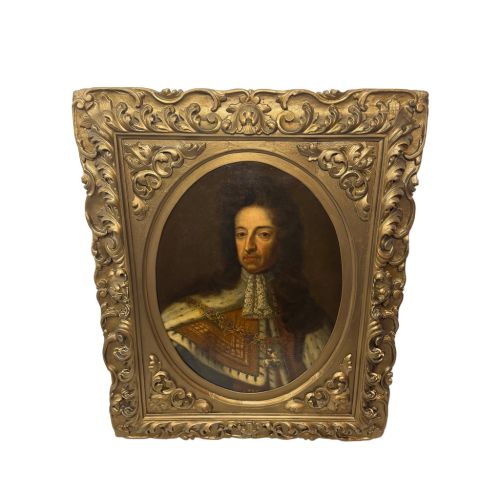
Oval Wall Portrait Painting
When you search for an oval wall portrait painting, you find historic likenesses preserved in curved frames that bring immediate character to a room.
Oval Wall Portrait Painting
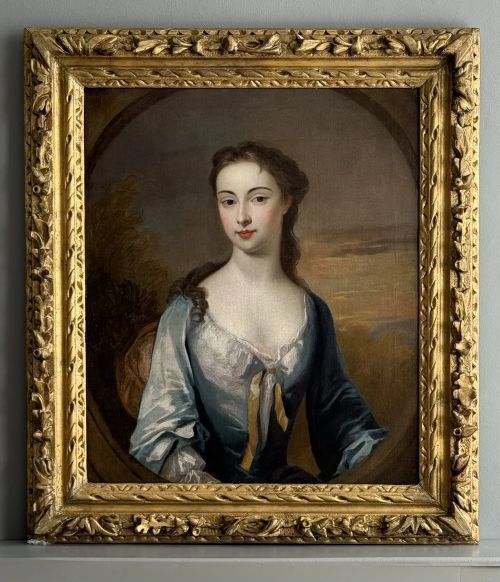
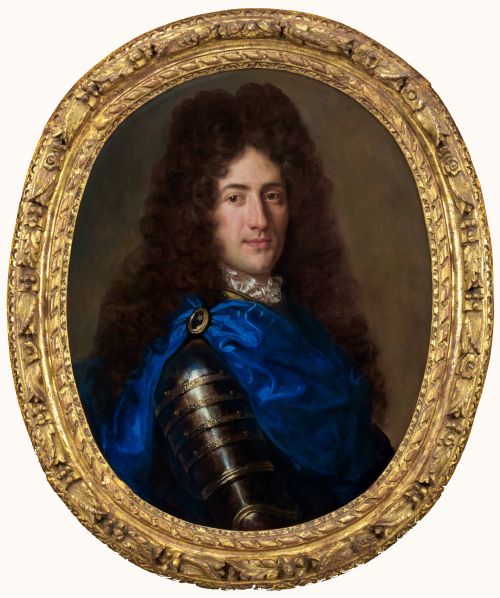
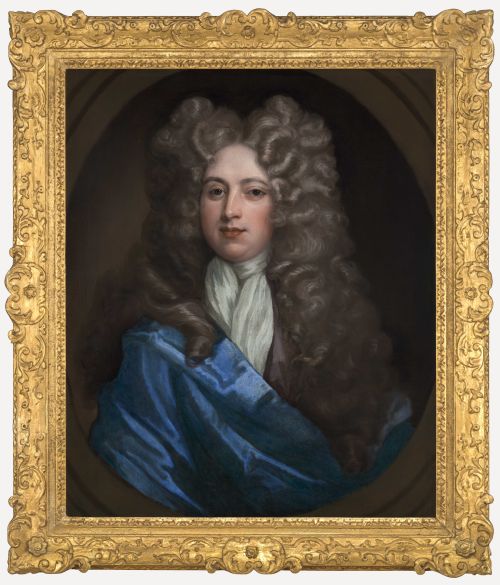
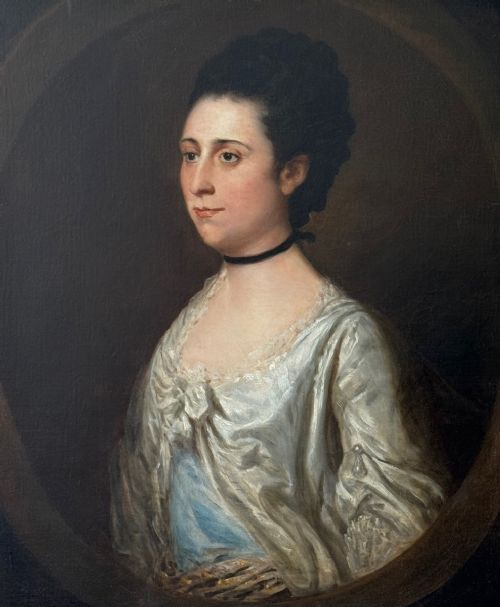
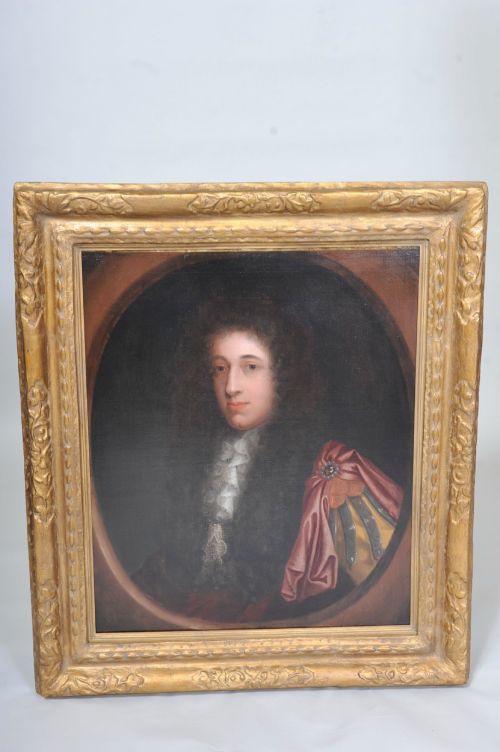
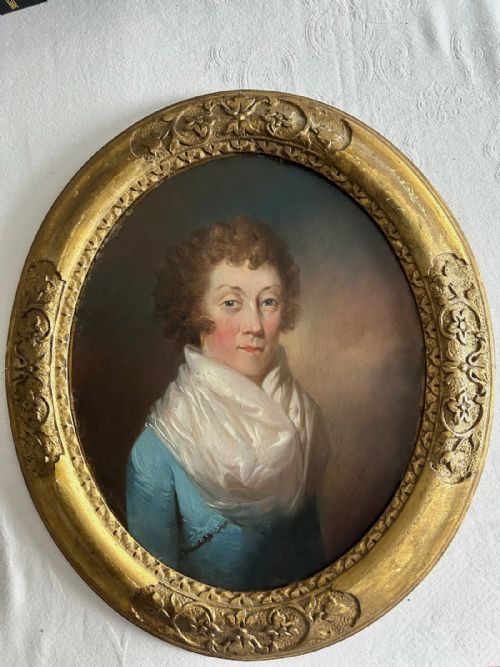
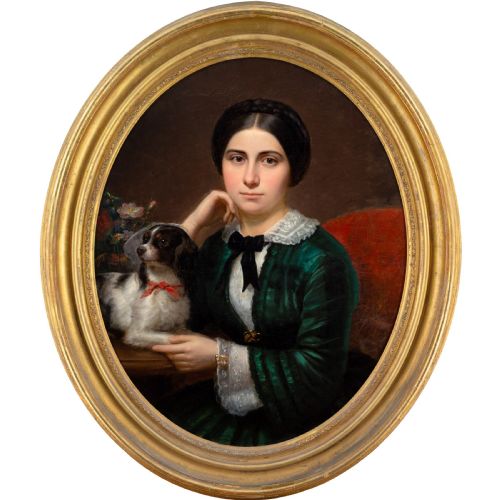
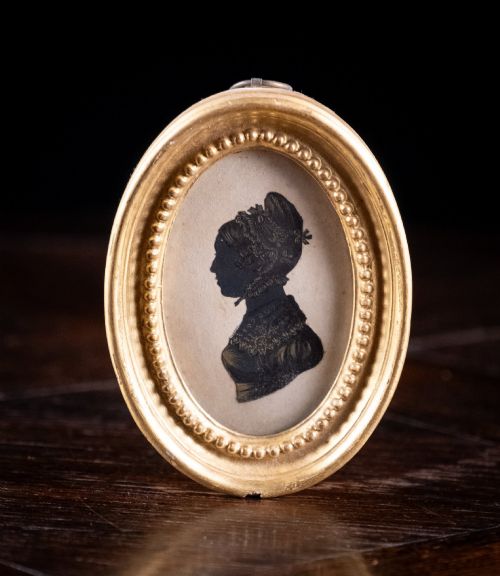
An oval wall portrait painting presents a human subject within a curved boundary, a format favoured across centuries to soften the hard corners of domestic architecture. You will frequently encounter oil on canvas works alongside delicate portrait miniatures and works on paper from the seventeenth, eighteenth, and nineteenth centuries.
The subjects range from titled nobility and children to gentlemen and ladies depicted in regional British, French, and Italian schools. These pieces often arrive in period frames of giltwood or ebonised wood designed specifically to hold the curved edge.
Makers and schools recorded in the listings span centuries of portraiture tradition, encompassing circles of noted painters as well as accomplished regional artists working in oil, pastel, and watercolour.
Materials and Technique
The foundational medium for these works is oil paint applied to canvas or panel, supported by period techniques in pastel, watercolour, and print reproduction under glass. Canvases are stretched over bespoke curved internal wooden bars or fitted carefully inside circular and oval wooden apertures.
Frames play a structural role, utilising carved giltwood and dark ebonised mouldings that match the geometry of the painting within. Gold leaf accents catch candle or natural light, while early glazing protects works on paper from atmospheric dust.
Several subjects wear elaborate cut sleeves and bonnets, proving that historic fashion choices remain endlessly entertaining.
Distinguishing Quality
Quality rests in the precision of the brushwork and the psychological depth captured in the subject's expression, separating master studio output from naive provincial output. The handling of textiles, lace, and skin tones reveals the true skill of the hand behind the work.
Original matching frames contribute substantially to the integrity of the piece, as period giltwood and carved mouldings complement the proportions of the canvas. The preservation of the paint surface and minimal intervention during past restorations also determine the standing of an individual artwork.
Sir Godfrey Kneller·David Scougall·Michael Dahl·Thomas Murray·Richard Cosway·Allan Ramsay·John Russell·Charles Jervas·Thomas Beach·Pieter Borseler·Jeremiah Davison·Thomas Gainsborough·Emily Eyres·William Millar
The Oval Wall Portrait Painting Glossary
- Oval wall portrait painting
- A framed likeness executed on canvas, panel, paper, or enamel, shaped with curved ends for interior display. This specific geometry directs the viewer's eye straight to the subject's face.
- Oil on canvas
- Pigment bound in a drying oil applied to a woven fabric support. This combination allows for rich colour blending and longevity.
- Giltwood
- Timber carved and coated with a thin layer of gold leaf or metallic powder. It provides a reflective, ornate border suited to formal historic interiors.
- Portrait miniature
- A small-scale painting executed with fine detail, often created as a personal keepsake. These pieces frequently employ watercolour or enamel.
- Ebonised frame
- Wood treated chemically or painted black to imitate expensive ebony. This dark finish creates a sharp contrast against lighter portrait backgrounds.
Oval Wall Portrait Painting: Frequently Asked Questions
How do I hang an oval frame safely?
Use two picture hooks spaced evenly to distribute the weight and prevent the frame from tilting crookedly on the wall.
Ensure the cord or wire attached to the back is robust and secured firmly to the wooden structure rather than old backing boards.
Were these always meant for walls?
Most works of this scale were commissioned specifically to hang in panelled rooms or domestic parlours as part of a family collection.
Some smaller examples began life in cabinets or as portable keepsakes before receiving later frames for wall display.
How can I tell an eighteenth century piece apart from a nineteenth century copy?
Examine the preparation layers, canvas weave, and pigments under magnification to identify period-specific materials and stretcher construction.
Clothing styles, hair powder usage, and framing techniques also offer reliable clues to the exact decade of creation.
What is the best lighting for oil portraits?
Position paintings away from direct, harsh sunlight to prevent the oil pigments from fading or the canvas from drying out.
Soft, indirect ambient light or dedicated picture lights mounted above the frame reveal the brushwork best.