





Oval Sterling Frame
An oval sterling frame turns a simple photograph into a desk ornament, combining precious metal with glass and velvet backs.
Oval Sterling Frame
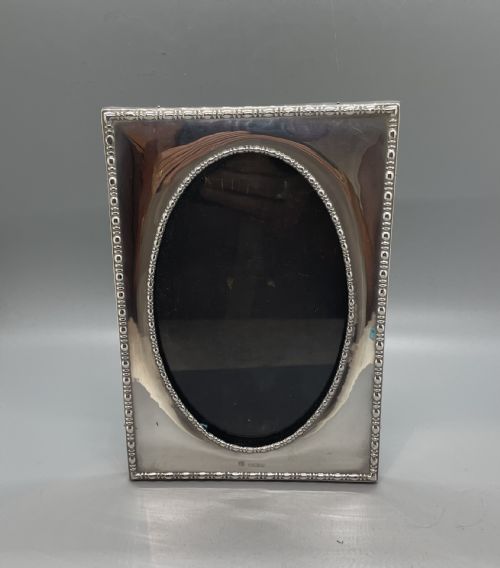
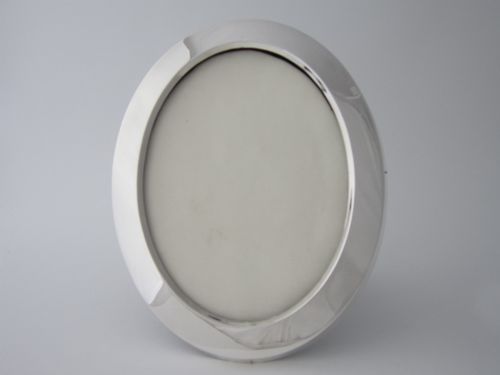
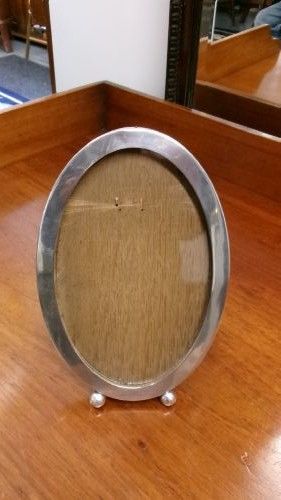
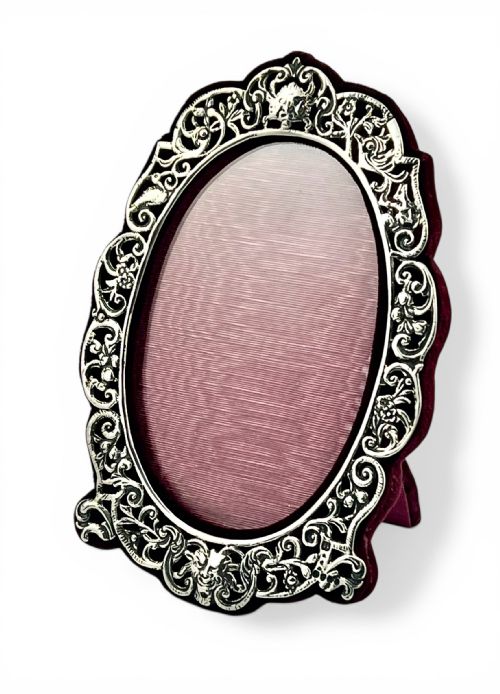
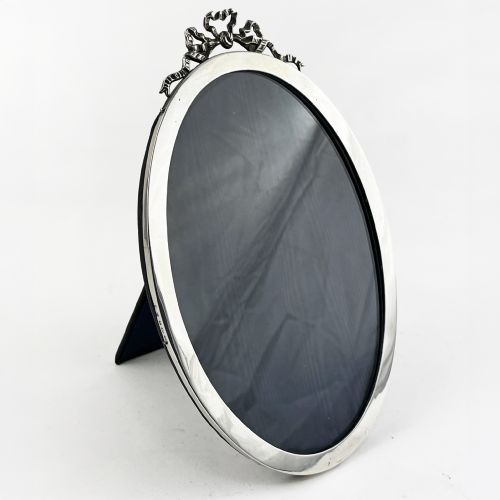
An oval sterling frame is a domestic picture holder designed for portrait photographs, appearing primarily in Edwardian, George V, and Victorian styles. These pieces range from plain borders to elaborate embossed designs, often featuring wooden or fabric backs for support.
Buyers searching for an oval sterling frame most frequently encounter early twentieth-century examples from the 1900s through the 1930s. Makers produced these in varied sizes, from small four-inch tokens to large display pieces.
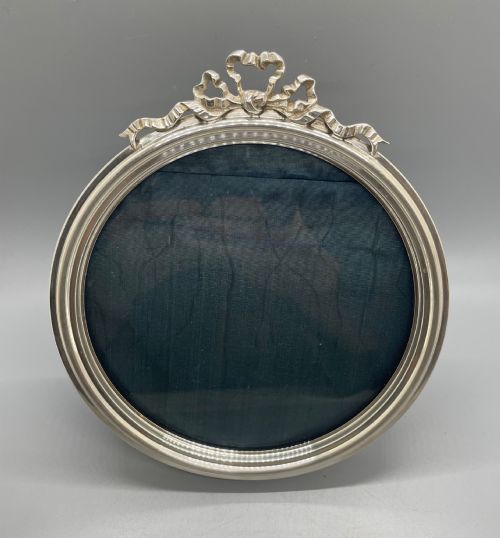
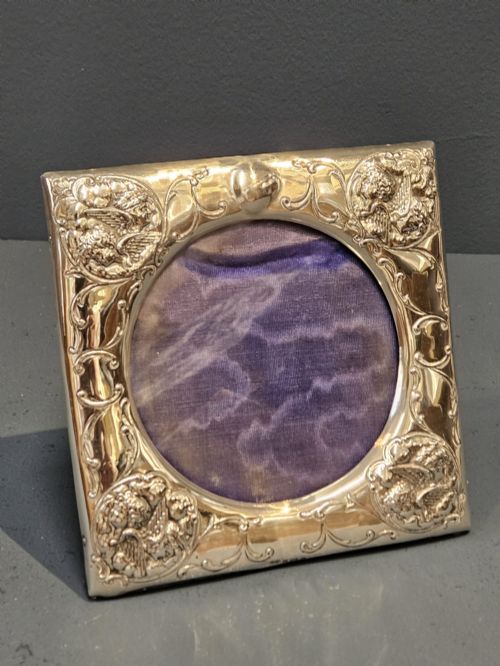
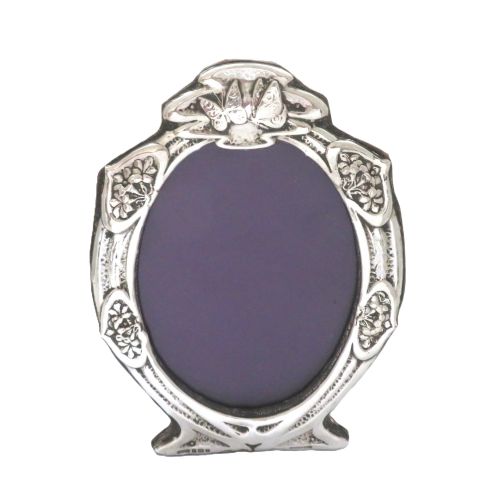
The materials combine precious sterling silver fronts with glass viewing panels and supportive backing boards. Many incorporate decorative motifs such as ribbons, bows, angels, or butterflies characteristic of Art Nouveau and Belle Epoque tastes.
Materials and Construction
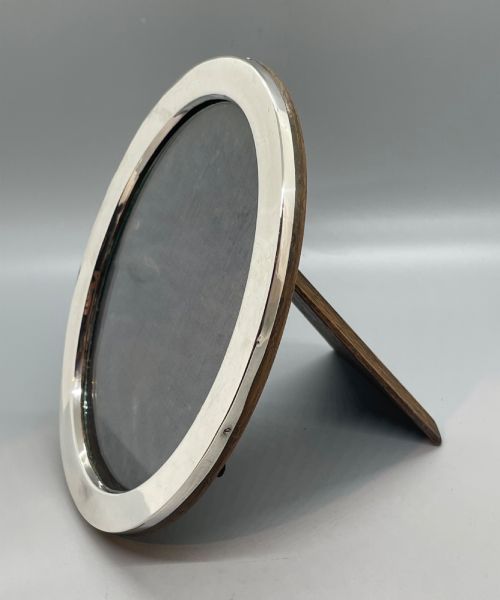
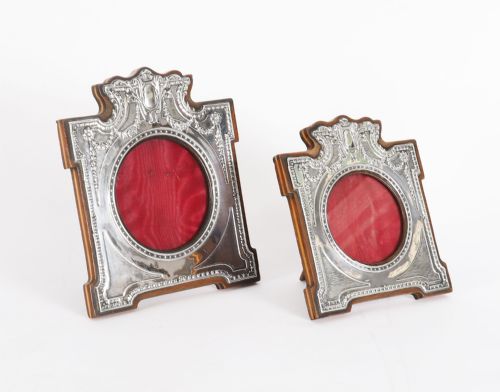
The construction relies on thin sheets of sterling silver shaped through stamping, pressing, or embossing to create the distinctive oval borders. Makers soldered or fitted these metal fronts to wooden backing structures, frequently oak, which held the internal glass and photograph secure.
Backing boards were typically covered in fabric, velvet, or simple wood, fitted with hinged metal struts for desktop display. The glass was cut precisely to fit the curved interior rebate of the silver surround.
Reynolds angels peer out from Edwardian silver, watching over your desk with perpetual Victorian innocence.
Quality and Craftsmanship
Quality in an oval sterling frame depends heavily on the crispness of the chased or embossed detail and the weight of the metal used. Thicker silver resists denting and maintains its structural integrity around the curved bezel over decades of handling.
The finish of the internal backing and the original integrity of the glass and strut also dictate the standard of a piece. Maker marks and clear hallmarks contribute to the standing of the work, distinguishing standard production items from signed pieces by notable silversmiths.
Mappin Bros·Emile Langlois
The Oval Sterling Frame Glossary
- Sterling Silver
- A silver alloy containing 92.5 percent pure silver and 7.5 percent other metals, usually copper, ensuring durability for decorative items. This standard is verified by traditional hallmarking.
- Hallmark
- An official stamp applied to precious metals indicating the standard of purity, the assay office, and the year of manufacture. British pieces frequently display town marks and date letters.
- Art Nouveau
- A decorative style prevalent in the late nineteenth and early twentieth centuries, characterised by fluid, organic lines and motifs like insects and figures. It appears often in floral and butterfly frames.
- Art Deco
- A design style emerging in the 1920s and 1930s defined by geometric shapes, streamlined forms, and modern industrial influences. Frames from this era show cleaner, more angular borders.
- Strut
- The hinged support leg attached to the rear of the frame allowing it to stand upright on a desk or table. These are typically covered in fabric or leather.
Oval Sterling Frame: Frequently Asked Questions
How do I clean my silver frame?
Use a soft microfiber cloth designed for silver to gently remove tarnish from the embossed or plain borders.
Avoid getting polish on the velvet backing or trapped behind the glass panel during cleaning.
Are all these frames solid silver?
The front surrounds are made of sterling silver, supported internally by wooden frames and backings.
The metal portions carry British hallmarks or silver purity stamps to confirm the material.
How do I insert a photograph?
Most frames utilise small metal tabs on the reverse that lift to release the wooden backing board and glass.
Trim your portrait to fit the oval aperture before securing the components back in place.
What is a ribbon or bow frame?
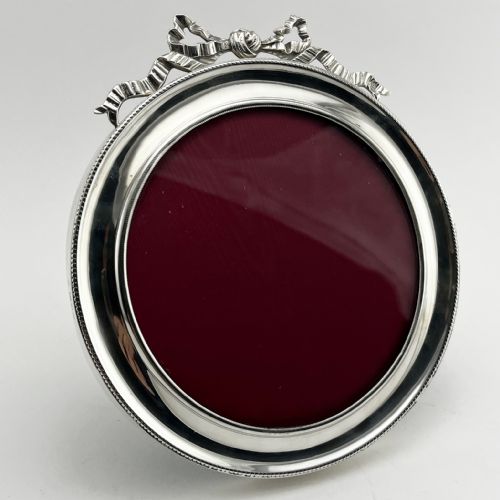
These are specific decorative variants featuring a carved or embossed ribbon motif at the top of the oval border.
The design mimics a suspended pendant and was especially popular during the Edwardian period.