




Oval Side Table Lamp
When you search for an oval side table lamp, you are looking at small tables from the eighteenth, nineteenth and twentieth centuries adapted to hold lighting.
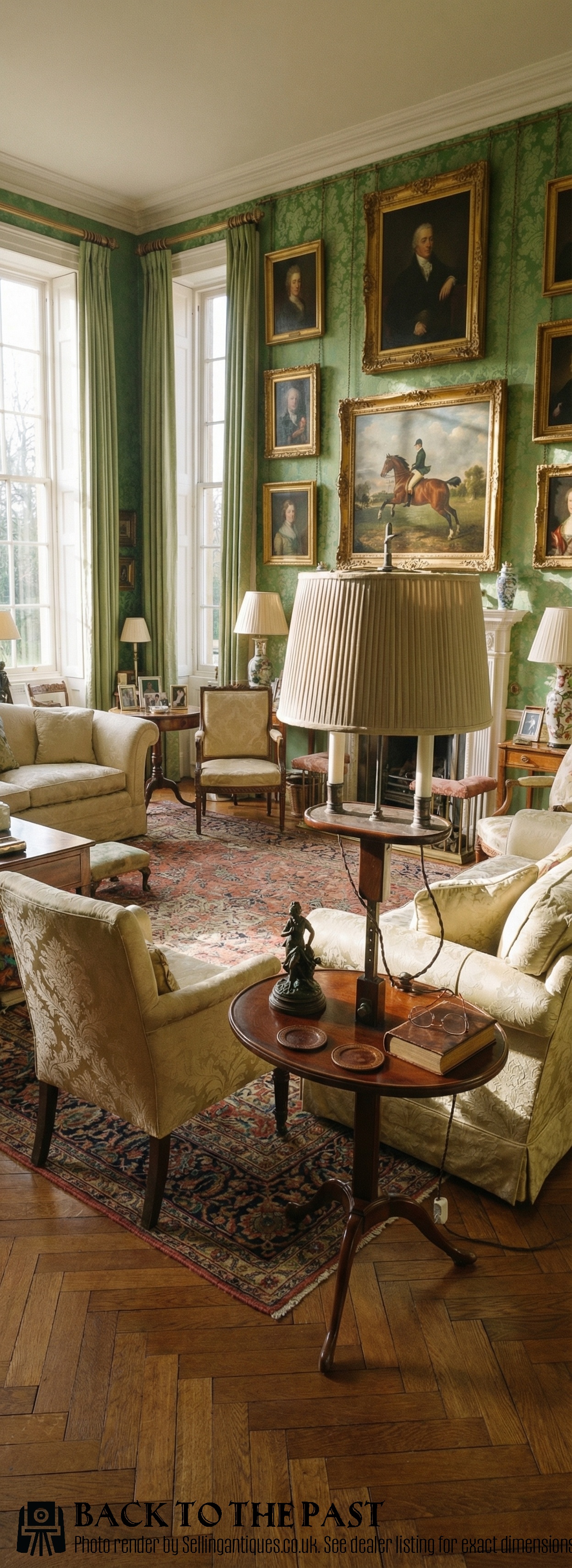
Oval Side Table Lamp
The oval side table lamp group encompasses small occasional tables, urn stands and window tables originating from Georgian, Victorian and Edwardian periods.
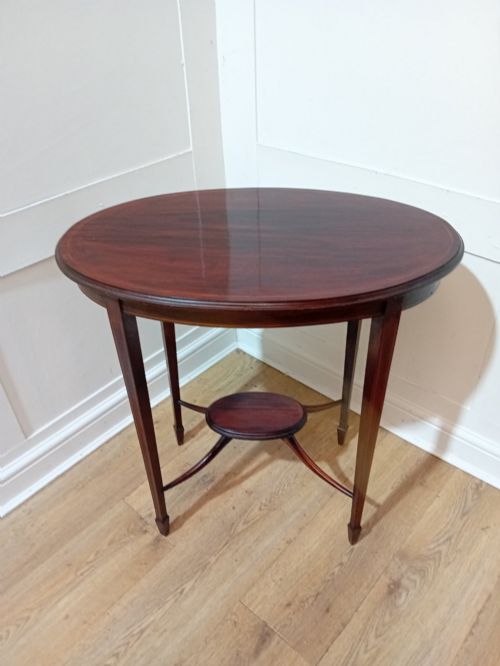
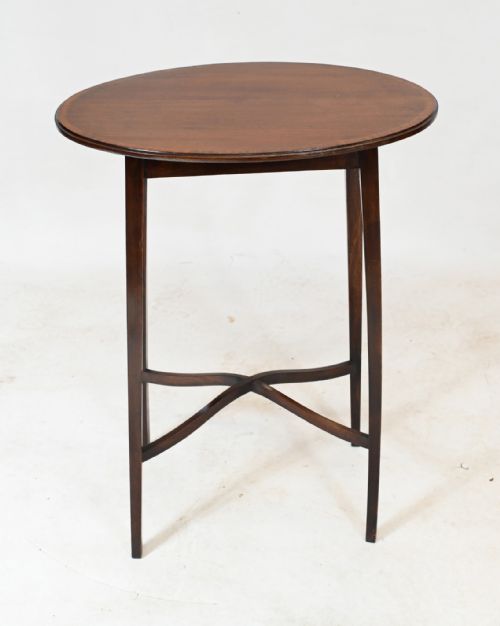
Most examples found on this page date from the Edwardian era and the late nineteenth century, constructed primarily in mahogany, walnut and satinwood.
These pieces originally served diverse domestic functions, such as holding tea, display or sewing, before finding a modern purpose supporting table lamps.
How they were made
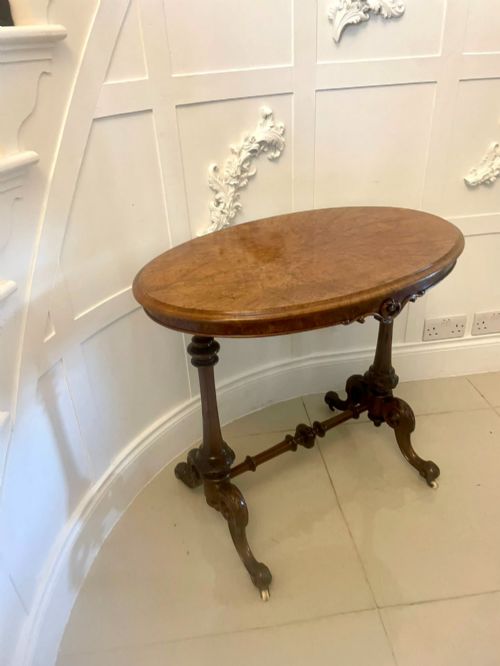
Cabinetmakers used solid timbers like mahogany, oak and walnut for structural stability, often applying fine veneers such as burr walnut, satinwood and kingwood to oval tabletops.
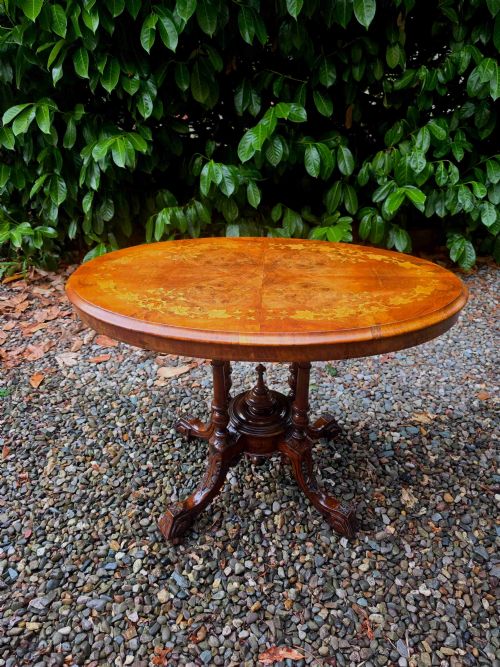
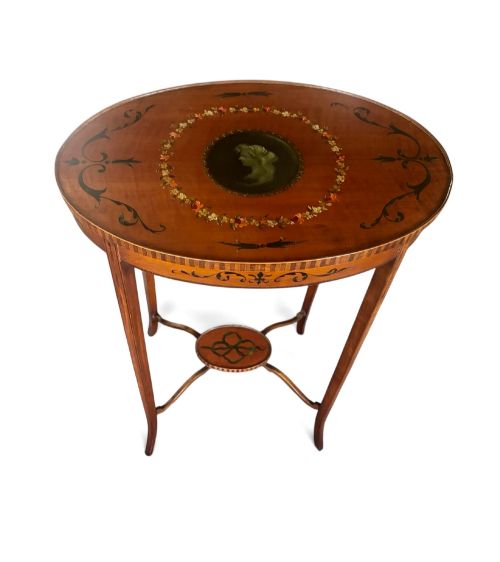
Decorative techniques recorded in the evidence include floral paintwork, marquetry inlay, parquetry and hand-carved foliate details on tops and borders.
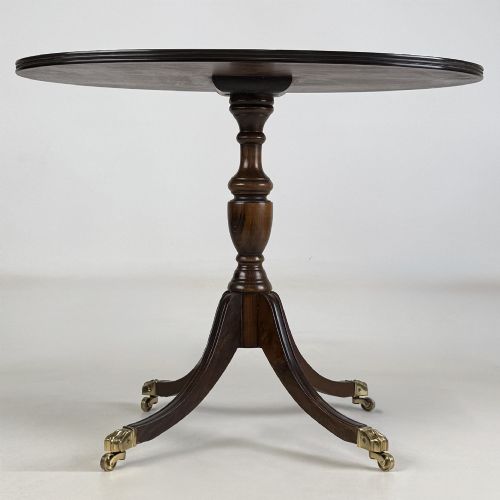
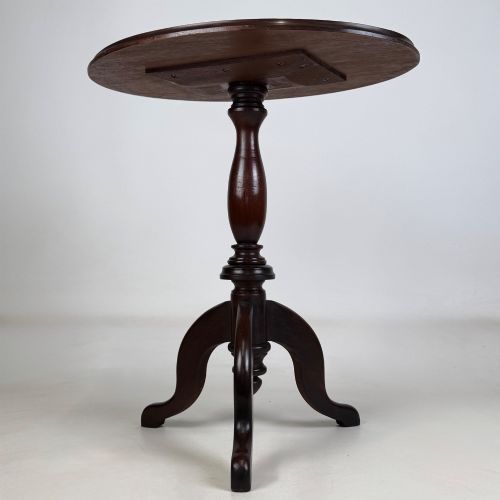
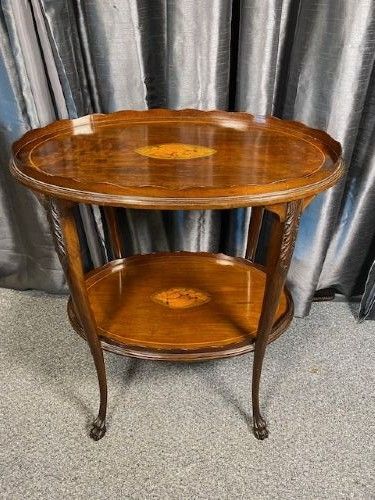
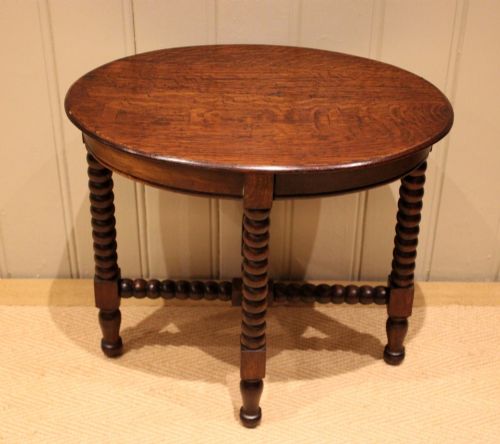
Supports range from simple tripod bases and barley twist legs to four-legged frames, occasionally incorporating tiers or folding mechanisms.
Listings feature woods spanning mahogany, brass, satinwood, walnut, oak, burr walnut, marble and paint.
What varies in quality
Quality rests upon the selection of timbers and veneers, distinguishing plain solid mahogany or oak from elaborately figured burr walnut and marquetry satinwood.
The execution of decorative elements, from hand-painted floral motifs and marquetry to carved foliate edges, marks the difference between standard production and superior craftsmanship.
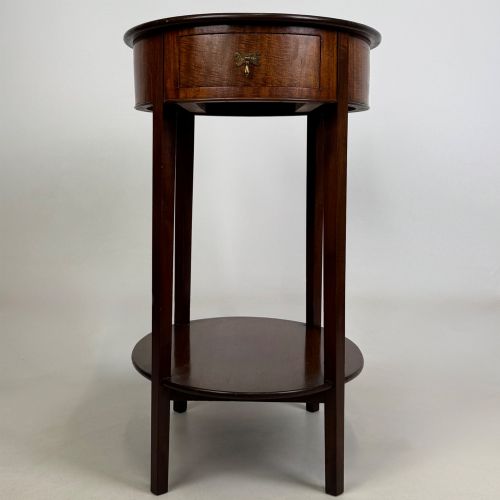
Proportion and structural integrity define the better pieces, where slender legs and stable frames maintain balance on an oval top.
The Oval Side Table Lamp Glossary
- Occasional table
- A small, portable table designed for general use in a reception room rather than a specific function. These pieces form the majority of small lamp table listings.
- Marquetry
- The art of applying pieces of veneer to a structure to form decorative patterns or pictures. This technique often appears on nineteenth-century walnut and satinwood tabletops.
- Parquetry
- A geometric mosaic of wood pieces used for decorative floors and tabletops. French styles frequently utilise this method.
- Urn stand
- A tall, slender small table originally made to support a hot water urn during tea service. Georgian examples represent the earliest iterations in this category.
- Burr walnut
- A figured wood grain obtained from walnut tree growths, prized for its swirling patterns. Cabinetmakers used it extensively on Victorian and Edwardian tabletops.
Oval Side Table Lamp: Frequently Asked Questions
What periods do these lamp tables come from?
The pieces span from the Georgian and Victorian eras through the Edwardian period into the twentieth century. Most examples date between the late nineteenth century and nineteen-twenty.
Design influences extend across Sheraton Revival, Regency Revival and French Louis styles, showing how cabinetmakers reinterpreted earlier aesthetics for later homes.
How were these tables used originally?
They served as flexible occasional furniture in drawing rooms and bedrooms for holding books, tea or decorative items. Many functioned as window tables or small display pieces.
Their compact oval shape allowed them to sit beside seating without blocking walkways, which makes them suitable for holding modern lamps today.
What timbers should I expect to find?
Mahogany, walnut and oak form the structural core of most pieces, supplemented by lighter decorative woods like satinwood and kingwood. Finer specimens feature burr walnut or marquetry tops.
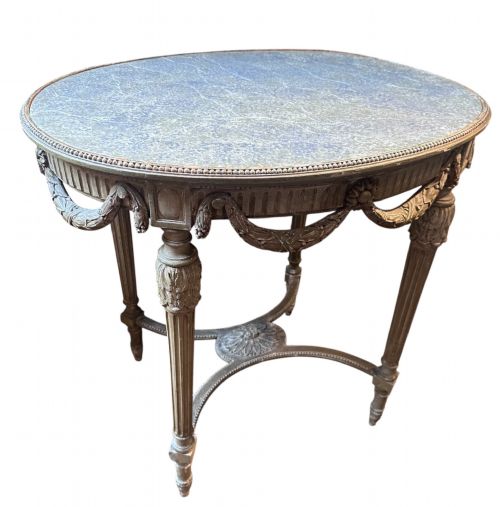
Some examples also incorporate marble inserts, particularly in pieces influenced by French nineteenth-century design.
How can I tell an Edwardian piece from a Victorian one?
Victorian tables often display heavier proportions, rich burr walnut veneers, hand-carved foliate details and darker finishes. They frequently date from the mid to late nineteenth century.
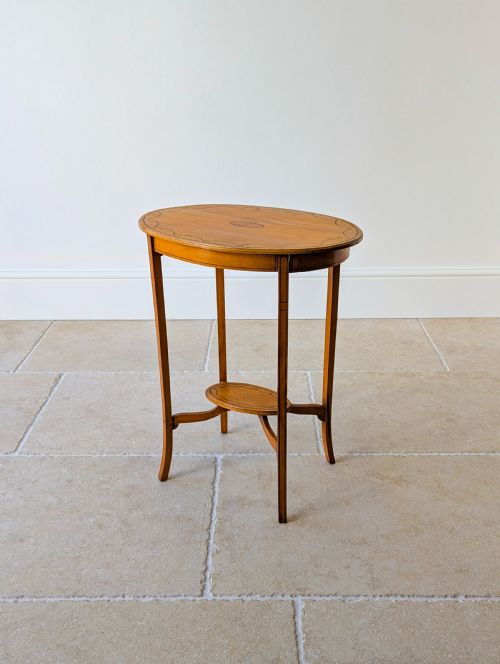
Edwardian pieces tend to be lighter in scale, frequently utilising satinwood with painted floral decoration, mahogany with subtle inlay, or simpler oak construction.