



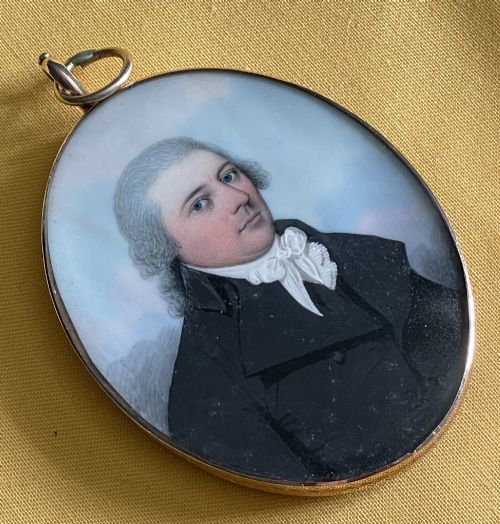
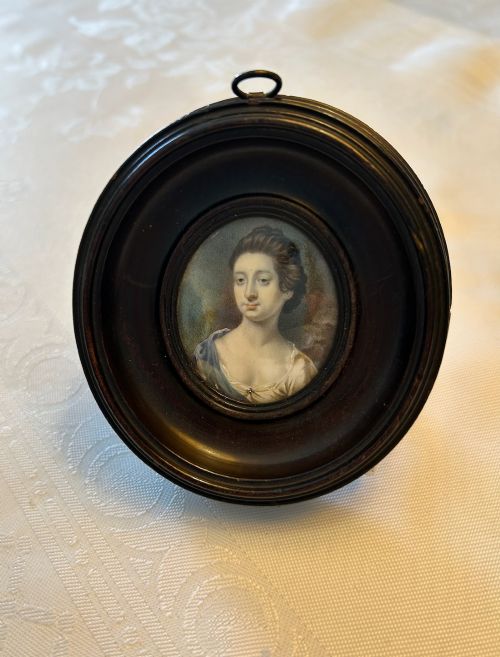


Oval Portrait Pendant
An oval portrait pendant holds a hand-painted likeness behind glass, offering a direct encounter with faces from the Georgian, Victorian and Edwardian eras.
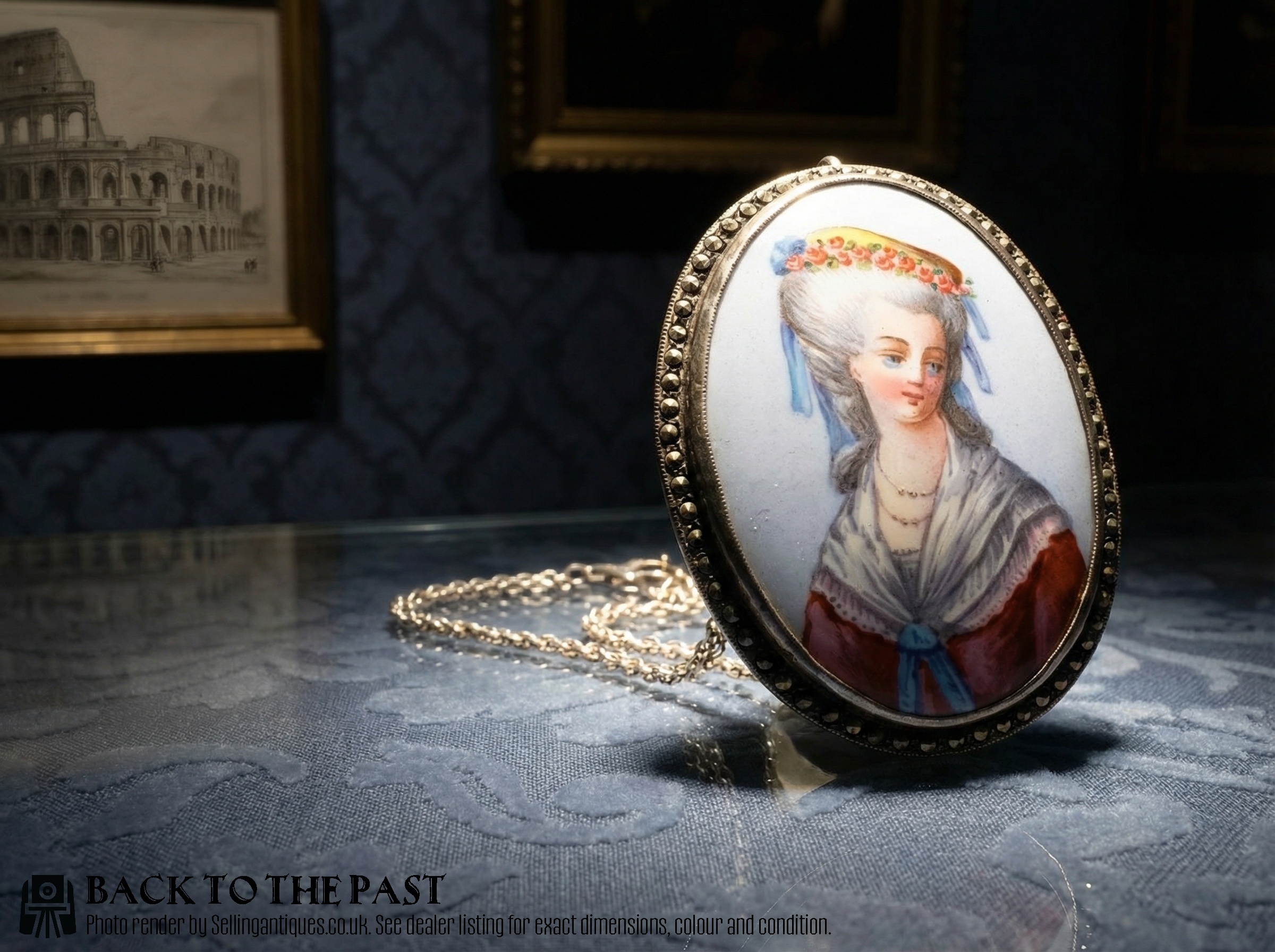
Oval Portrait Pendant
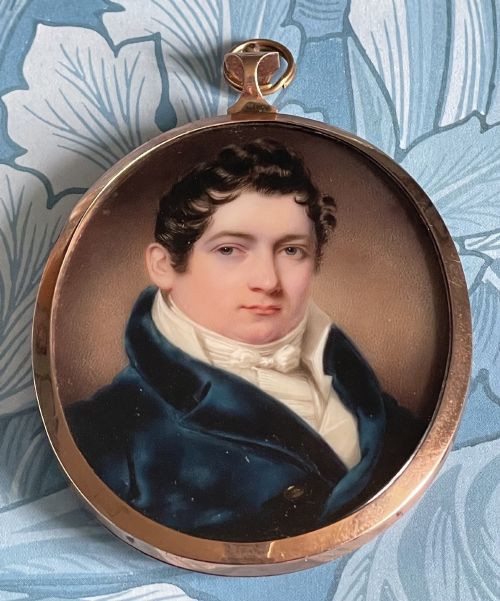
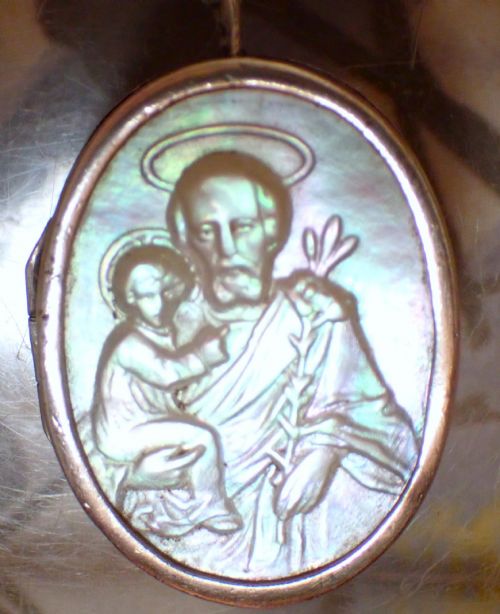
An oval portrait pendant is a small piece of wearable art enclosing a miniature painting, silhouette or carved cameo. These items function simultaneously as jewellery and personal mementoes, designed to keep the image of a relative, officer or notable figure close to the wearer.
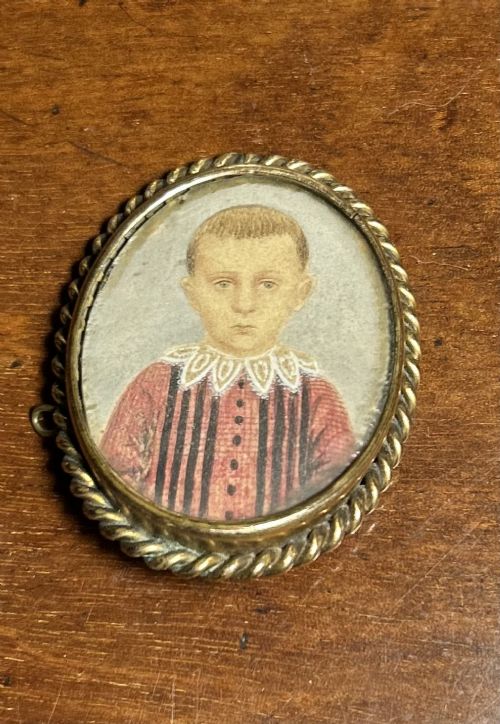
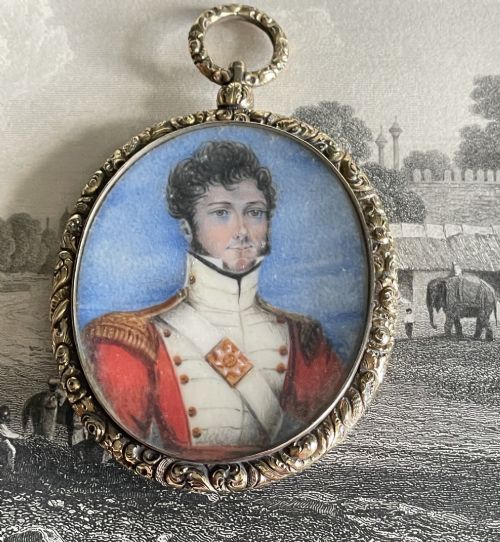
The examples gathered here span from the 18th century through the Georgian and Victorian periods into the 20th century. Most take the form of portrait miniatures, lockets or convertible brooch-pendants housing delicate watercolours, enamels or pigment works on glass, ivory, vellum and agate.
Makers ranged from skilled miniaturists working within British schools to continental artists producing Grand Tour souvenirs. The subjects encompass naval officers, country gentlemen, ladies in lace and children, rendered with remarkable intimacy.
How They Were Made
Artists painted these miniature portraits using fine pigments in watercolours, enamels or oils on fragile supports such as ivory, vellum, glass and agate panels. Because the surfaces were exceptionally small, painters utilised specialised brushes and magnifying lenses to achieve lifelike precision in skin tones and lace details.
Metalsmiths housed these delicate paintings in frames fashioned from gold, silver, gilt metal, pinchbeck or ebonised wood. Many frames incorporated protective glass fronts, hinged compartments for locks of hair, and secure suspension loops that allowed the piece to function as both a pendant and a brooch.
Oval Portrait Pendant Retail Price Guide 2026
Typical asking prices for oval portrait pendant among the pieces listed under this phrase on Sellingantiques today, from the lower quarter to the upper quarter. They describe what is for sale here now, not the wider market.
Listings feature portrait miniatures, lockets and brooches rendered in watercolour, enamel, glass, ivory and silver across the Georgian and Victorian eras.
What Varies in Quality
The standard of execution in the painted portrait itself dictates much of the distinction, separating hurried commercial work from the deft hand of a named miniaturist. Superior examples demonstrate confident brushwork, accurate anatomical proportion and subtle handling of light in the subject's expression.
The material integrity and substance of the surrounding metal frame also define the grade, with solid gold or substantial silver mountings outweighing thin gilt metal or base alloys. Furthermore, the preservation of the original glass, backing and any secondary hair compartment influences the overall integrity of the piece.
Henry Bone ARA·John C D Engleheart·Frederick Buck·Charles Hayter·William Naish·John Miers·George Engleheart·James Ferguson·William Grimaldi·AE Chalon·John Barry
The Oval Portrait Pendant Glossary
- Miniature
- A small-scale portrait painting executed with extreme precision using fine strokes. These works demand immense control from the artist due to the restricted dimensions.
- Pinchbeck
- An alloy of copper and zinc invented in the 18th century to imitate gold. This metal provided an accessible alternative for decorative frames.
- Vellum
- A fine parchment prepared from calfskin and utilised as a stable painting surface. Its smooth texture suited the detailed application of watercolour pigments.
- Silhouette
- A solid dark profile portrait, often cut from paper or painted on glass. These minimalist likenesses gained popularity during the 18th and Regency periods.
- Cameo
- A method of carving where a relief image is cut away from a layered stone or shell. This technique highlights the lighter figure against a darker background matrix.
Oval Portrait Pendant: Frequently Asked Questions
How were oval portrait pendants worn?
These pieces were typically suspended from ribbons or chains around the neck, or pinned to garments as dual-purpose brooches. Many were designed with loops that allowed the wearer to switch between hanging from a cord and fastening directly to fabric.
Because they combined portraiture with personal adornment, they served as intimate accessories worn close to the heart during social occasions and formal gatherings.
What materials are inside the frames?
The miniature paintings utilise watercolour, enamel, pigment or silhouette work applied to supports such as ivory, vellum, glass and agate. Each surface required specific preparation to hold the minute details executed by the artist.
Over the centuries, these delicate mediums were sealed securely behind protective glass panels within the metal casings to prevent moisture damage and surface rubbing.
How do I identify a Georgian piece?
Georgian examples often feature hand-painted miniatures of subjects in period attire, housed in gold, gilt metal or pinchbeck frames. The painting styles frequently reflect British school conventions of the 18th century, showing officers, gentlemen or ladies.
One must examine the framing construction, the style of the dress depicted in the portrait, and the mounting techniques used by metalsmiths of the era to confirm the period.
Can I open the locket back?
Many pendant frames include a rear compartment covered by glass, which historically held woven hair memorials or paper inscriptions. Whether a specific locket opens depends entirely on the individual hinge and bezel construction of the frame.
Collectors should handle these historic enclosures with care, as forced movement can crack the fragile glass or damage the original bezel seating.
Are these portraits signed by artists?
Some portrait miniatures bear signatures, monograms or contemporary inscriptions on the front or reverse, while many remain anonymous workshop productions. Signed pieces by recorded miniaturists carry particular historical documentation.
Even without a signature, the quality of the brushwork and the stylistic traits often allow experienced observers to attribute the work to a known painter's circle.