


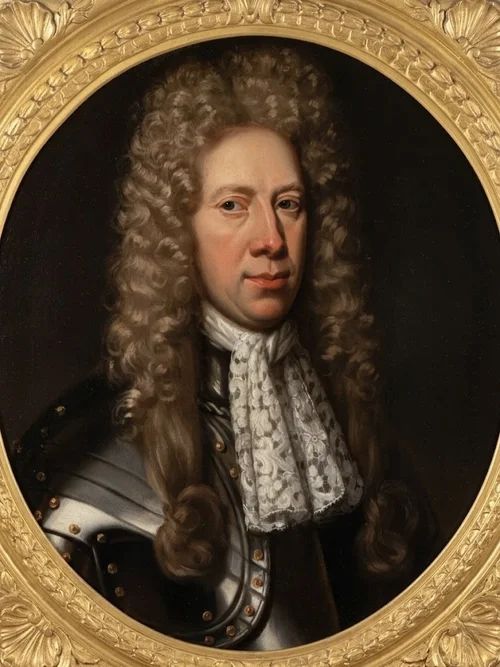
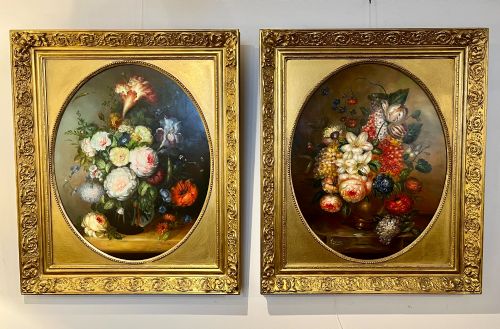
Oval Oil Painting
An oval oil painting brings curved portraiture and landscape work into rooms that need relief from hard architectural angles.
Oval Oil Painting
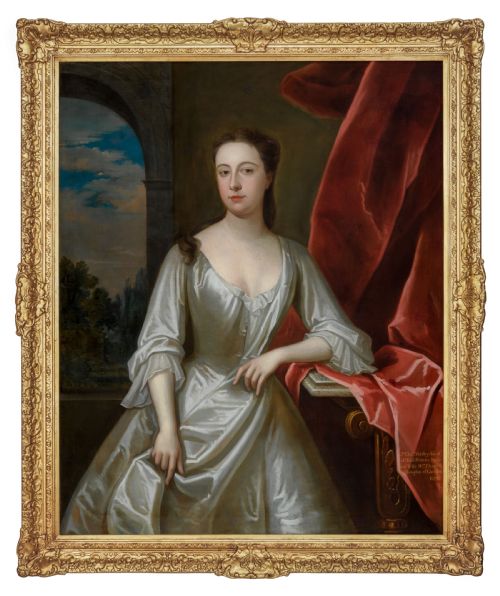
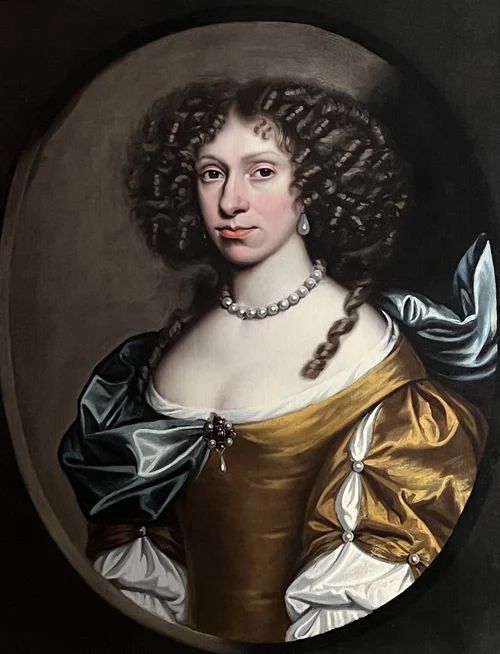
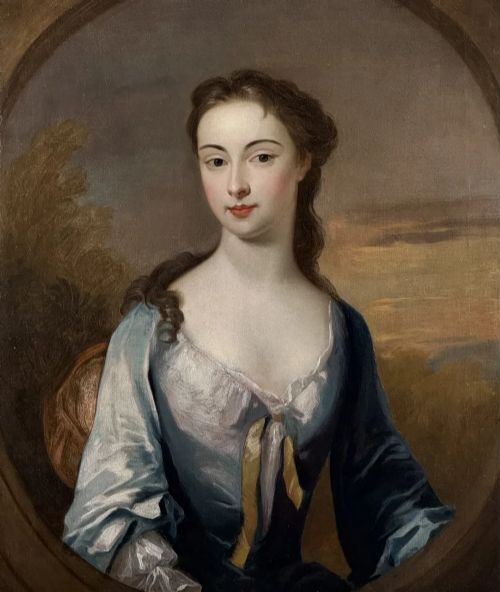
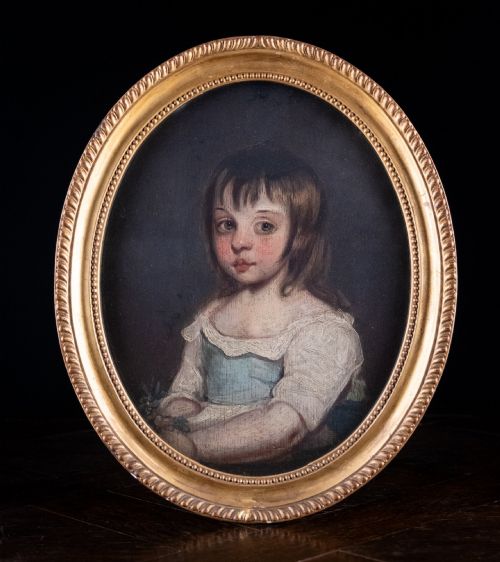
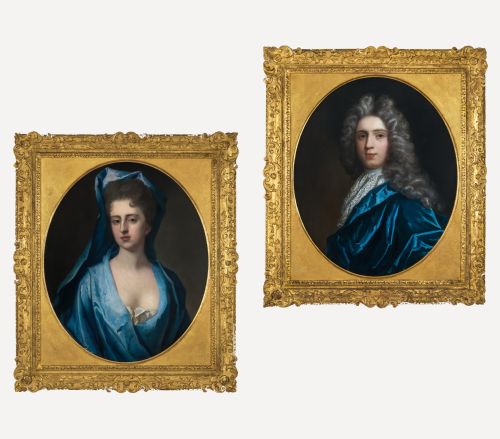
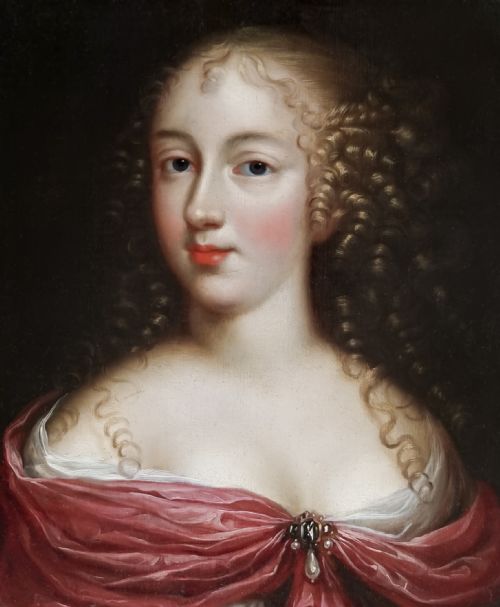
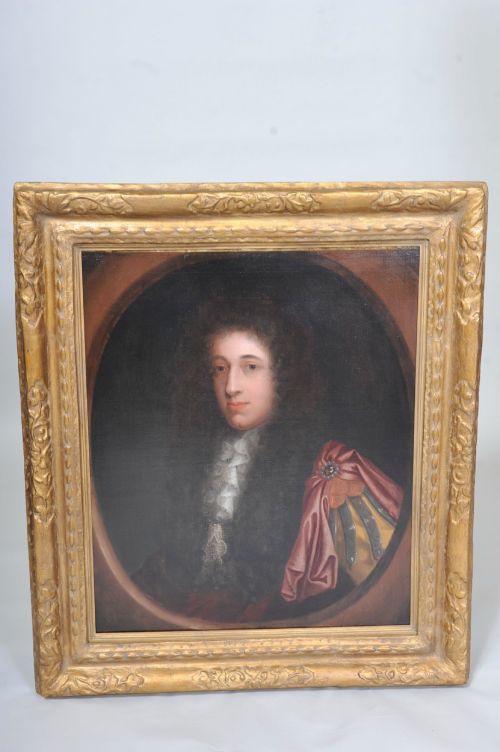
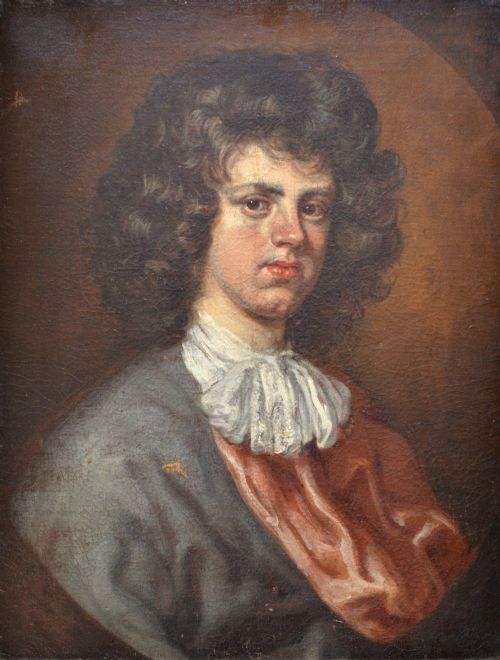
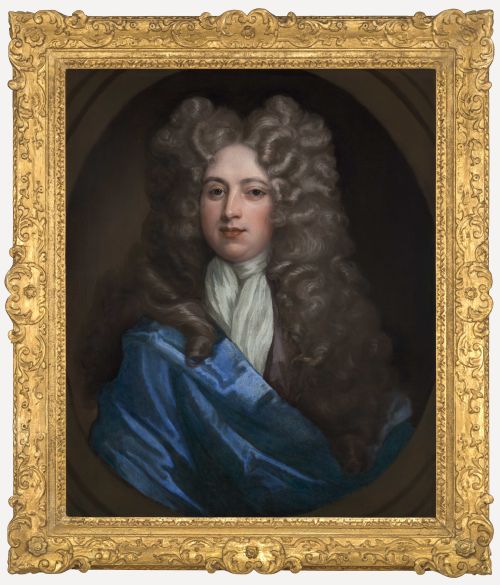
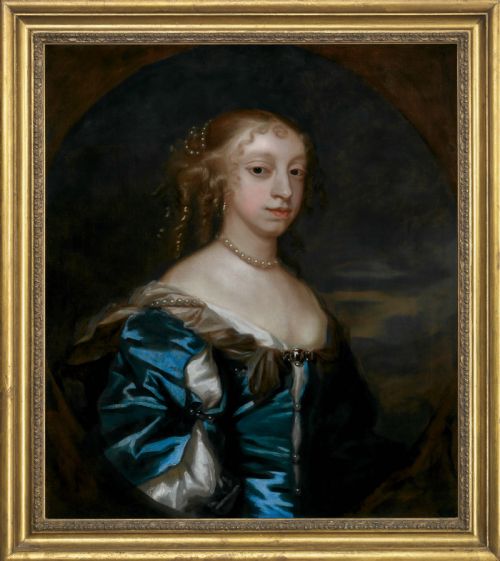
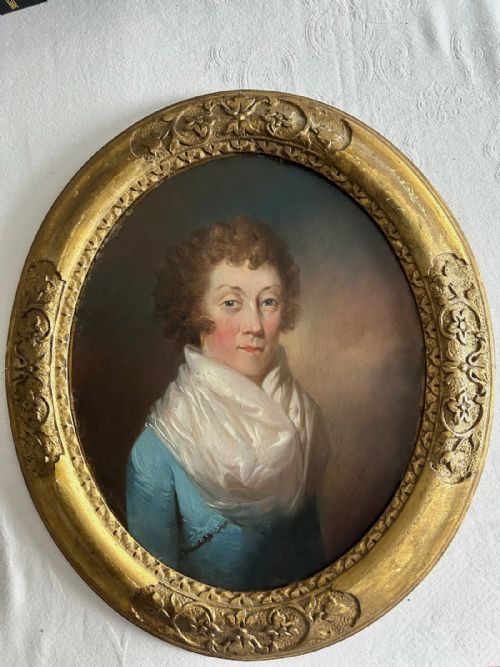
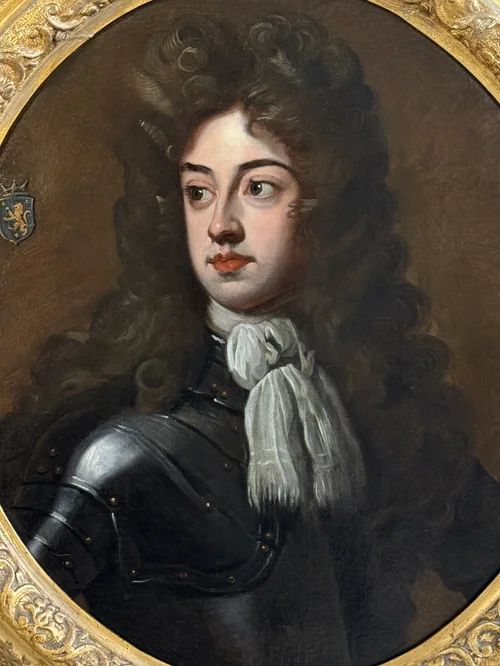
An oval oil painting primarily takes the form of portraiture, capturing sitters from the sixteenth century through to the nineteenth century within curved boundaries. These works emerge from various European schools, encompassing British, French, Dutch, and German traditions.
Alongside portraits, the selection includes landscape views, still life studies of flowers or songbirds, and trompe l'oeil compositions. Many examples retain their original shaped frames, often moulded in giltwood or gesso to match the curvature of the canvas or panel.
How they were made
Artists painted these works using oil pigments applied to stretched canvas, wooden panels, copper sheets, or board supports cut to an elliptical format. The supports required bespoke stretcher frames or shaped wooden panels to maintain the tension and curve without distorting the composition.
Oval Oil Painting Retail Price Guide 2026
Typical asking prices for oval oil painting among the pieces listed under this phrase on Sellingantiques today, from the lower quarter to the upper quarter. They describe what is for sale here now, not the wider market.
The selection spans from sixteenth-century Renaissance portraits to twentieth-century still life studies, using oil paint on canvas, wood, copper, and board.
What varies in quality
The standard of an oval oil painting rests upon the anatomical precision of the brushwork and the psychological depth captured in the sitter's expression or the rendering of light across a landscape. Earlier works from the seventeenth and eighteenth centuries demonstrate high levels of detail in costume and drapery, executed by skilled portraitists and their circles.
The integrity of the original support and the preservation of the paint surface also influence the standing of a piece. Works that retain their untouched canvas or panel alongside period giltwood framing represent the higher end of the tradition.
Sir Godfrey Kneller·Thomas Beach·Charles Jervas·David Scougall·Thomas Murray
The Oval Oil Painting Glossary
- Oil on canvas
- Pigment suspended in a drying oil and applied to a woven fabric support. This combination allowed artists to achieve rich colour blending and durability.
- Giltwood
- Wood carved and coated with gold leaf or metallic powder. It provides a reflective, ornate border that enhances the artwork.
- Gesso
- A paint mixture consisting of a binder mixed with chalk, gypsum, or pigment. It served as a smooth preparation layer for wooden panels and frames before gilding.
- Trompe l'oeil
- An art technique involving extreme realism to create the optical illusion that the depicted objects exist in three dimensions.
- Panel painting
- A painting executed on a flat piece of wood rather than canvas. This method was common in earlier centuries before stretched fabric became dominant.
Oval Oil Painting: Frequently Asked Questions
How do I hang an oval oil painting?
These works require secure wall fixings matched to the weight of both the canvas and the heavy timber or gesso frame. Ensure the hanging wire or brackets engage firmly with the structure rather than relying solely on the decorative moulding.
Because of their curved format, alignment with surrounding rectangular pictures benefits from careful spacing to let the distinct geometry of the piece stand out.
Are original frames important?
Original frames constructed specifically for curved canvases provide historical context and structural stability. They are tailored to the exact geometry of the painting.
Matching a period frame to a canvas later in time is common, but pieces retaining their initial framing demonstrate higher continuity of provenance.
How do I clean the surface?
Dust accumulation should be managed gently using a soft, dry brush without applying pressure to the painted canvas or panel. Avoid liquid cleaners or household agents entirely.
Professional conservators should handle any removal of darkened varnish or deeper grime to protect the underlying oil layers.
Why were these paintings made in oval formats?
Curved corners soften the visual impact of a portrait, drawing the eye naturally toward the centre of the composition. This format was frequently chosen for formal likenesses during the seventeenth and eighteenth centuries.
The shape also suited specific architectural spaces within period panelled rooms and overmantels.