
Oval Framed Wall Mirror
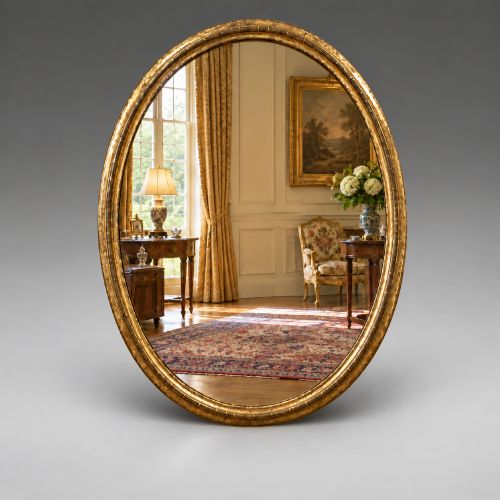
An oval framed wall mirror brings curved lines and reflective depth to a room, spanning styles from Georgian elegance to Arts and Crafts simplicity.
Oval Framed Wall Mirror
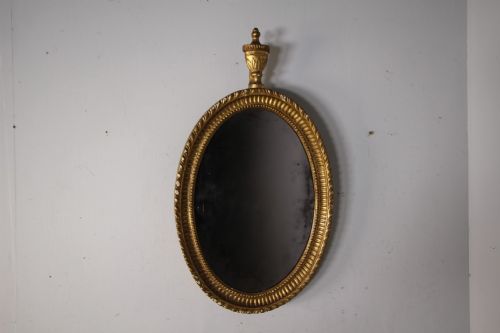
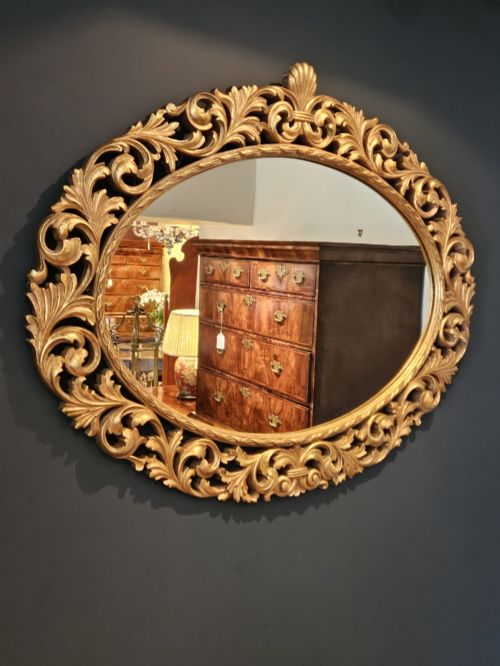
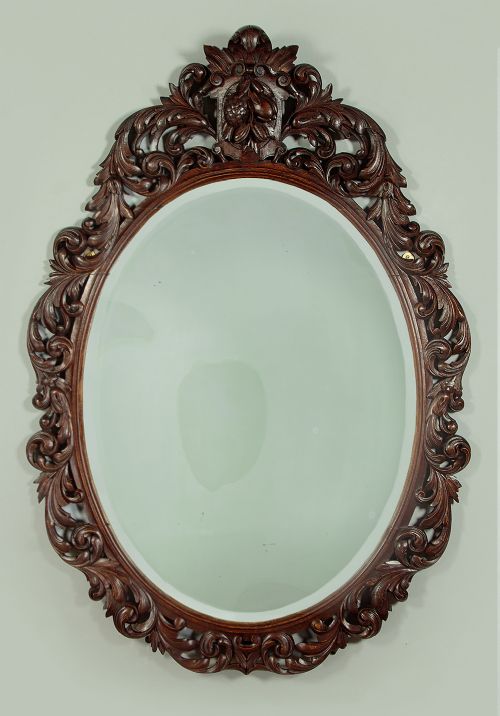
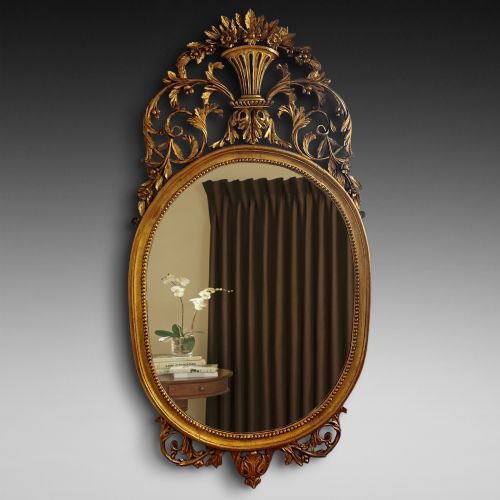
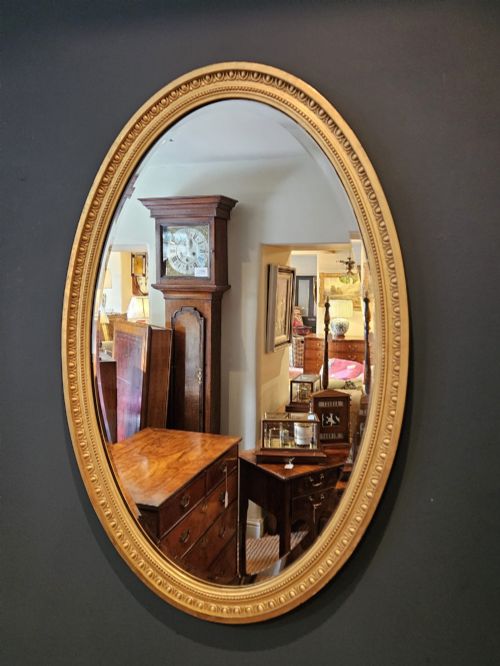
An oval framed wall mirror serves as a decorative focal point in a hallway, drawing the eye upward while softening the rectilinear geometry of typical domestic architecture. The pieces catalogued here encompass centuries of changing taste, ranging from restrained Georgian mahogany frames to heavily ornamented Victorian and Edwardian giltwood designs.
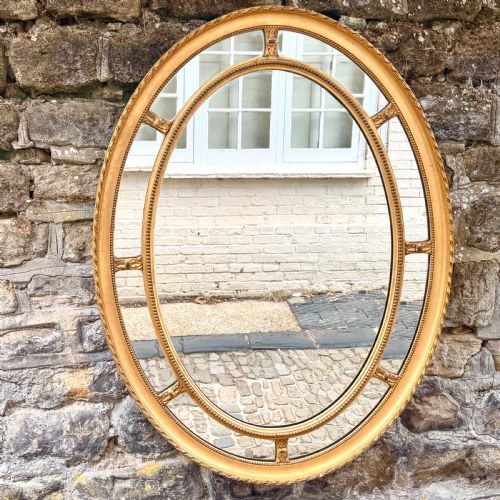
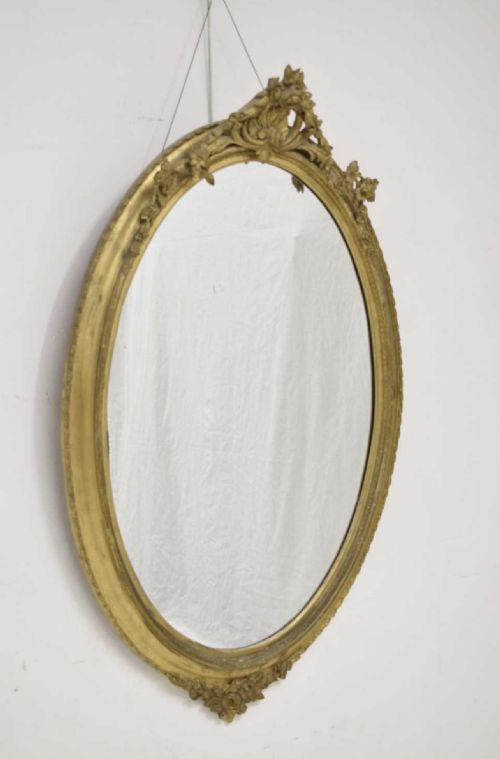
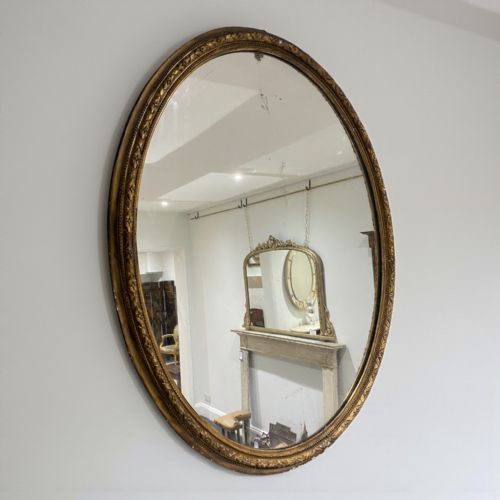
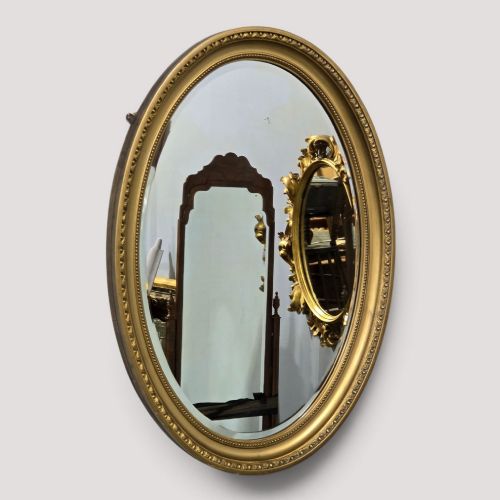
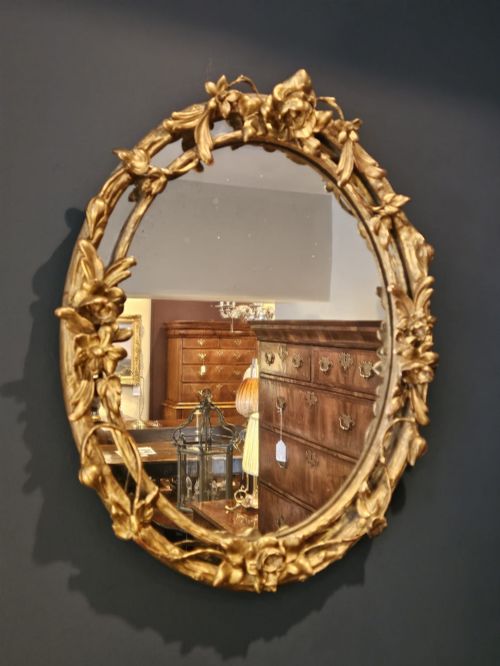
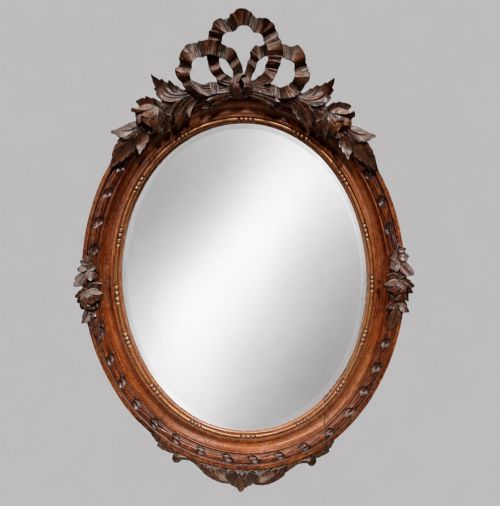
The version a buyer most frequently encounters on this page is the nineteenth-century gilt and gesso wall mirror, often featuring moulded foliate details or vine leaf motifs. Alongside these gilt examples, substantial country house mahogany and oak frames appear regularly, reflecting the enduring utility of dark timber in domestic interiors across Britain and France.
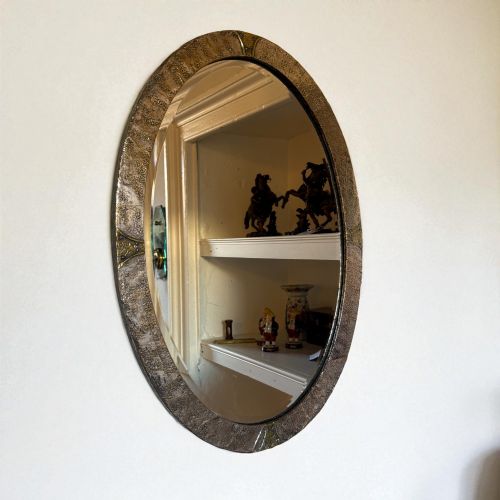
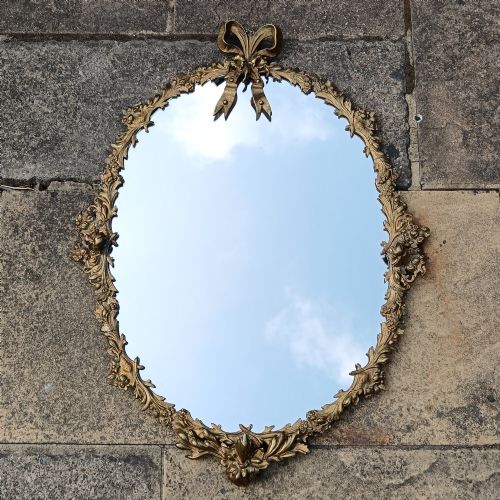
Buyers also discover specialised regional or stylistic variants, including French Louis XVI Revival bronzes, Scottish and Irish interpretations, and metal-bound Arts and Crafts copper and pewter designs. Each iteration uses the vertical curve of the oval frame to balance proportion and light within a space.
Materials and construction methods
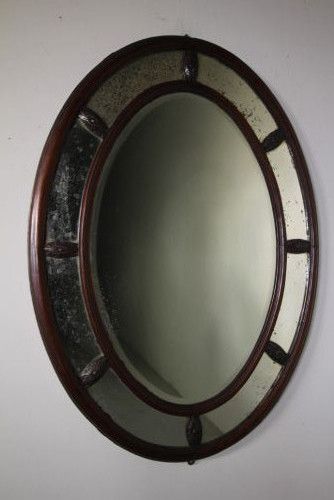
Makers constructed the primary support structures of these pieces using native timbers such as mahogany, oak, and walnut, frequently selecting wood for its grain or suitability for carving. Jointers shaped these hardwoods into continuous curved rims, sometimes incorporating inlaid stringing or ebonised finishes.
For ornate gilt surfaces, craftsmen applied layers of gesso over carved wood or plaster foundations before laying gold leaf or paint. This plaster-like medium allowed artisans to press intricate vine, floral, or rococo relief details into the frame prior to gilding or finishing.
Reflecting period technology, the reflective surfaces themselves utilise historical glass plates, occasionally retaining original mercury plate characteristics or bevelled edges suited to the weight of the frame.
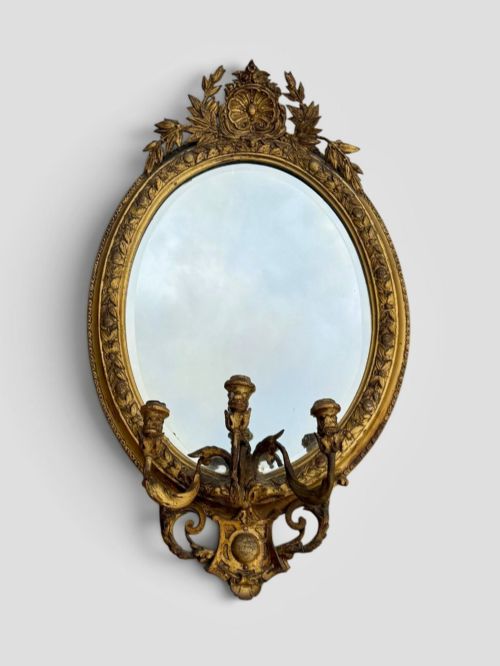
Several mirrors incorporate hidden candle sconces, designed to bounce flickering nineteenth-century light across dimly lit country house hallways.
Judging execution and finish
The standard of an oval framed wall mirror rests upon the depth and crispness of the carving within the timber or the underlying gesso. Superior examples display sharply defined relief moulding where floral vines, acanthus leaves, or classical details retain their original crisp edges without softening from over-restoration.
Material selection dictates the structural integrity and visual weight of the piece, with dense hardwoods and well-applied gold leaf distinguishing higher workshops from simpler painted or simulated finishes. Original mercury glass plates and intact historic backboards further elevate the integrity of the artefact.
Liberty & Co
The Oval Framed Wall Mirror Glossary
- Gesso
- A plaster-like preparation mixture used as a base for moulding intricate decorative relief patterns on mirror frames before gilding or painting.
- Giltwood
- Timber that has been coated with gold leaf or a gold-coloured finish, common in formal decorative frames from the eighteenth century onward.
- Mercury Plate
- An older type of mirror glass backed with a tin-mercury amalgam, identifiable by a slightly mottled or glittering reflective quality.
- Girandole
- A decorative wall-mounted mirror that incorporates one or more candle sconces attached to the frame to multiply candlelight in a room.
- Parcel-Gilt
- A finishing technique where only specific raised portions or carved details of a wooden frame are gilded, leaving the underlying wood visible.
Oval Framed Wall Mirror: Frequently Asked Questions
How do I hang a heavy antique oval mirror?
Heavy antique frames require secure wall fixings distributed across the hanging points on the original wooden backboards to support the substantial weight of timber and glass.
Professional mirror fixings or wall anchors matched to the specific wall material ensure the piece remains stable and properly balanced.
Are these mirrors suitable for bathrooms?
Historic frames featuring gesso, gold leaf, or exposed timber are sensitive to high humidity and fluctuating moisture levels found in typical bathrooms.
Dry interior spaces such as hallways, living rooms, or bedrooms better preserve the delicate finishes and historic backboards of these pieces.
How can I tell a Georgian mirror from a Victorian one?
Georgian mirrors typically rely on architectural mahogany frames, understated carving, and restrained proportions that emphasise the natural grain of the timber.
Victorian pieces often introduce heavier gesso ornamentation, elaborate rococo revival motifs, ebonised surfaces, or applied plaster decorations.
What is the difference between giltwood and painted gilt mirrors?
Giltwood pieces feature actual gold leaf applied over a prepared gesso and bole base on a solid wooden foundation, creating a warm metallic sheen.
Painted gilt surfaces substitute metallic leaf with gold-coloured paint or pigments, resulting in a more uniform and opaque appearance.