
Oval Framed Mirror
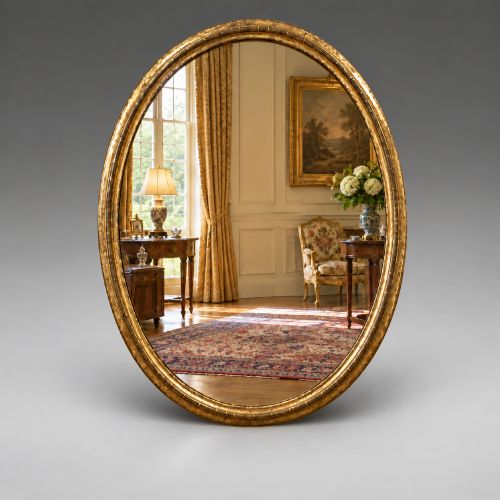
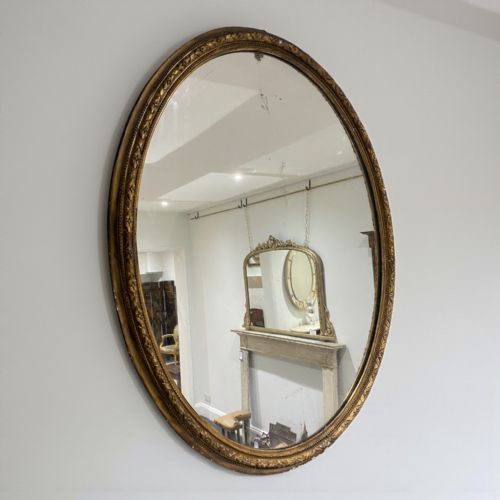
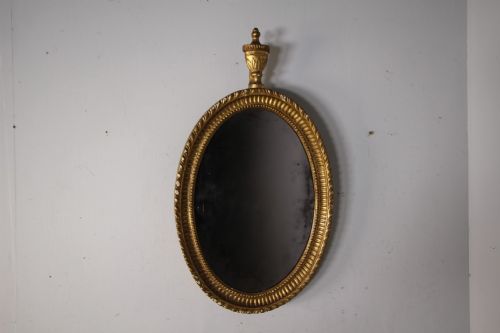
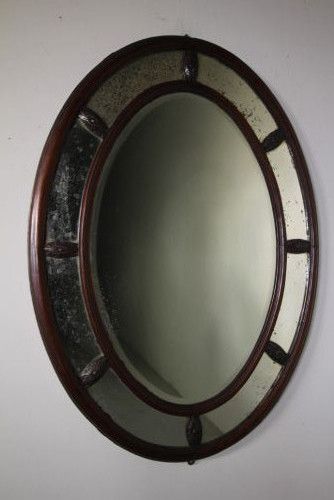
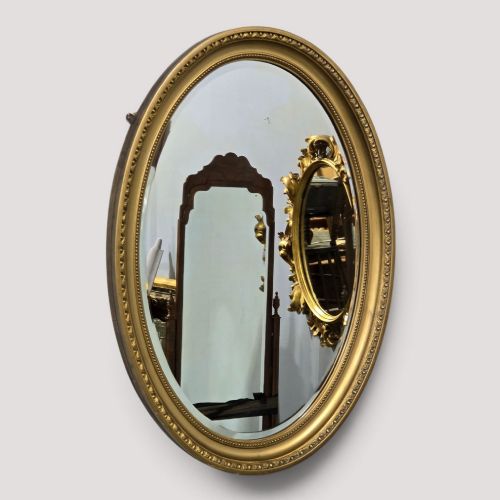
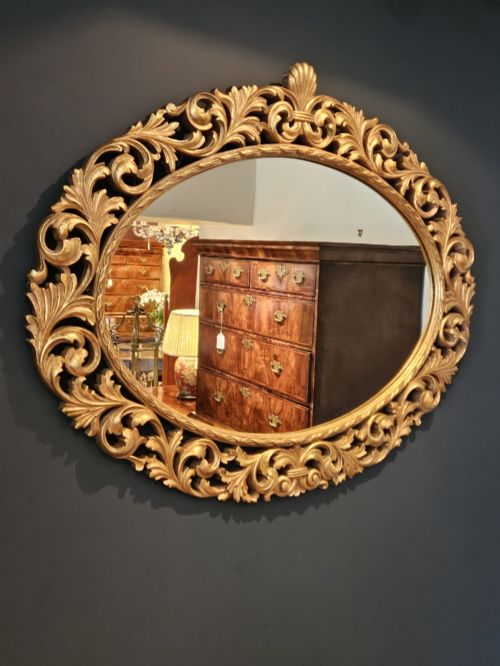
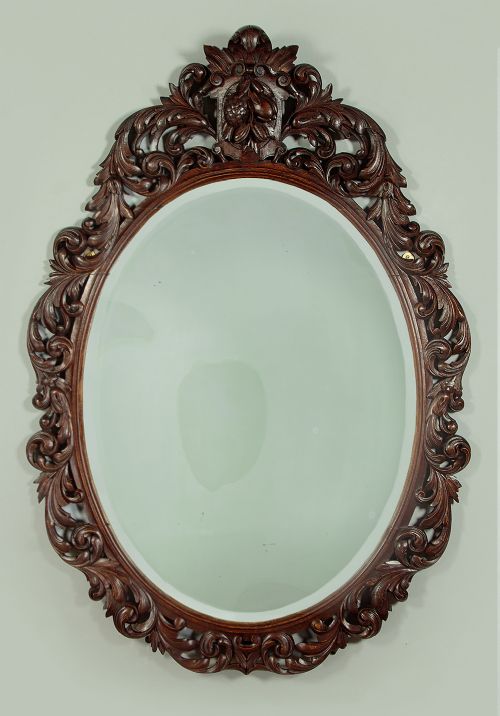
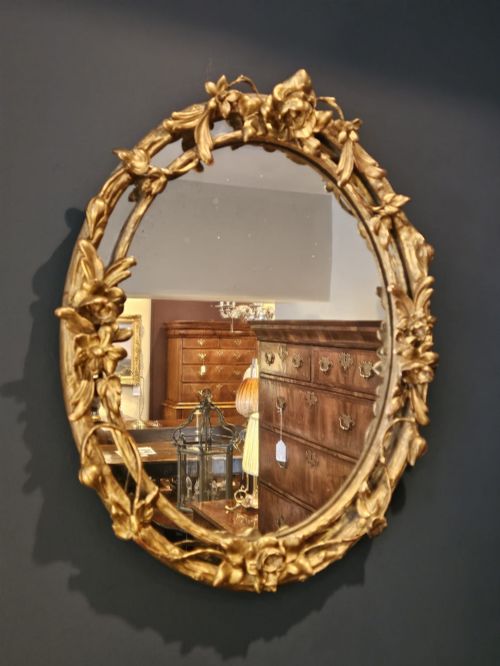
An oval framed mirror brings curved lines and reflective depth to a room, drawing the eye with classic proportions.
Oval Framed Mirror
An oval framed mirror serves as a decorative wall hanging or standing piece, uniting utility with period craftsmanship.
The pieces appearing on this page span the Victorian era, the Edwardian period, and the Georgian age, alongside later twentieth-century examples.
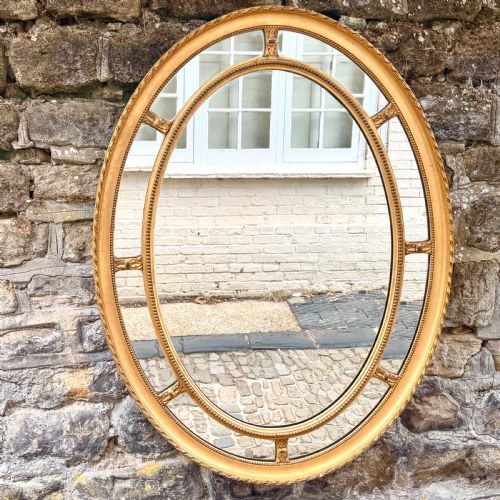
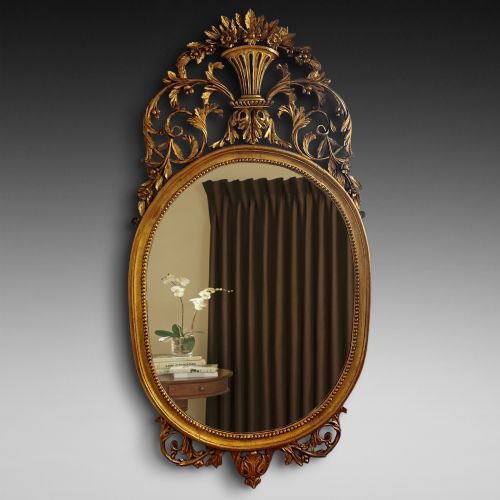
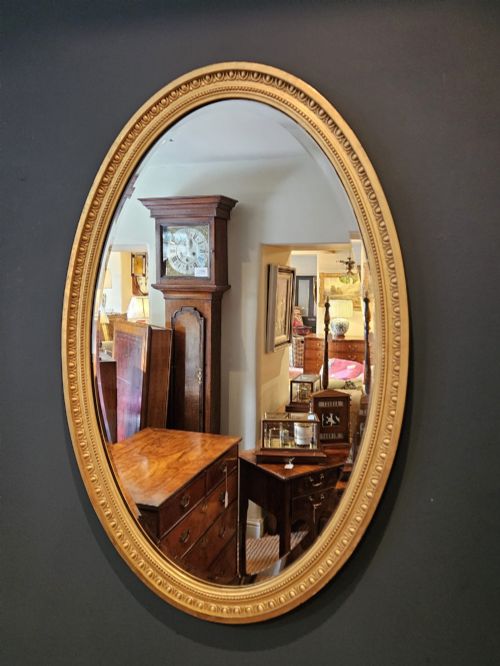
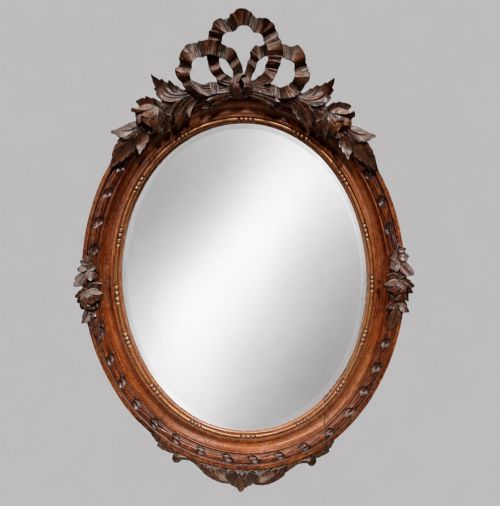
Among these items, buyers frequently encounter carved giltwood frames and solid mahogany surrounds shaped into gentle curves.
How they were made
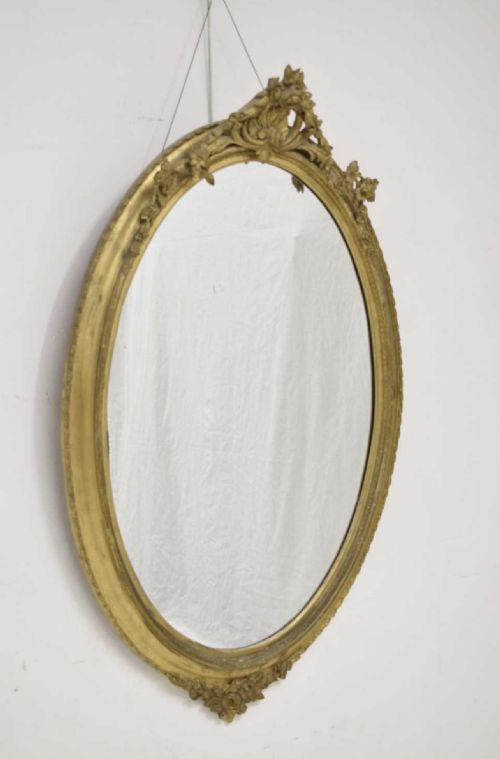
Carvers shaped wood such as mahogany, oak, and walnut to form the curved perimeters, often applying layers of gesso to build up ornamental detail.
Gilders then laid gold leaf over prepared surfaces, creating bright reflective finishes that caught candle or daylight.
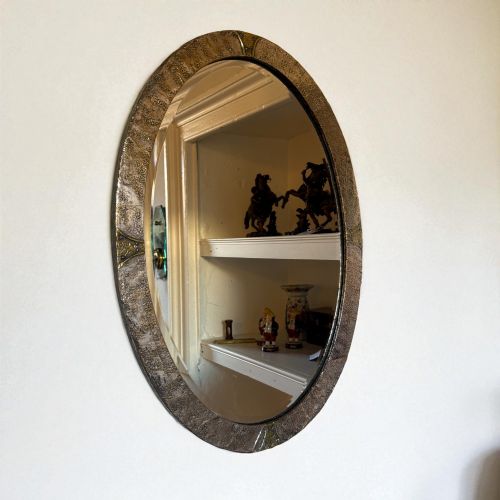
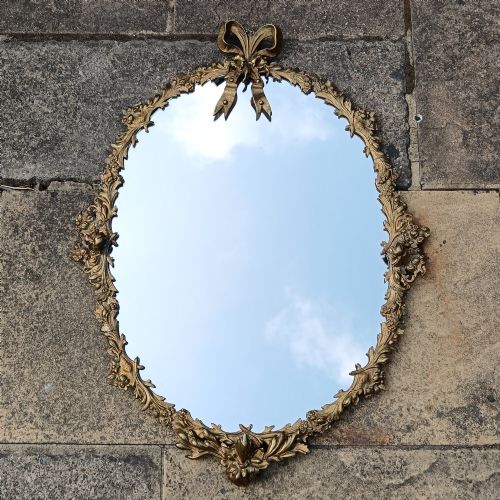
Listings feature Georgian, Victorian, and Edwardian periods alongside Arts and Crafts metalwork.
What varies in quality
The depth and crispness of the carving distinguish standard production pieces from ambitious workshop commissions.
Original mercury glass plates display subtle irregularities and darker tones that indicate age, separating them from later replacement glass.
Liberty and Co
The Oval Framed Mirror Glossary
- Gesso
- A plaster mixture applied to wood frames as a base for gilding or paint. It allowed makers to carve intricate relief ornaments before applying gold leaf.
- Giltwood
- Timber coated with gold leaf or gold paint. This technique provided the opulent appearance of solid gold at a manageable weight.
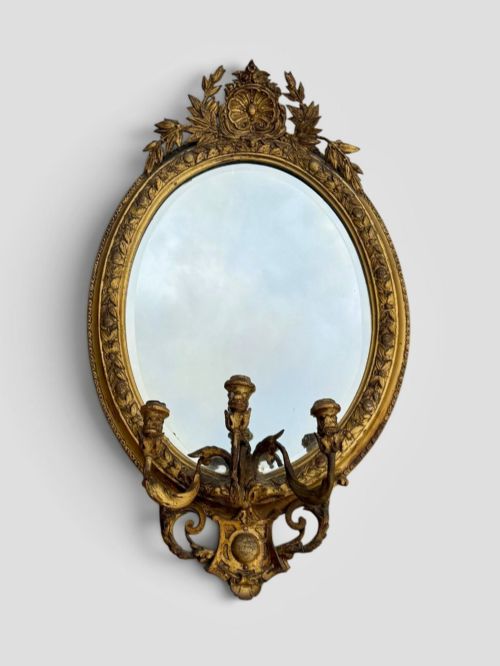
- Girandole
- A decorative wall mirror featuring attached candle sconces. The candle flames multiplied as they reflected in the glass.
- Mercury plate
- A mirror glass manufactured using a tin-amalgam process popular before the mid-nineteenth century. It creates a warm, mottled reflection.
Oval Framed Mirror: Frequently Asked Questions
Where should I hang an oval framed mirror?
These mirrors suit spaces that benefit from softened geometry, such as above a mantelpiece or across from a window to increase natural light.
Smaller examples work well in entrance halls or cloakrooms where a vertical curve balances linear furniture.
How do I identify a Victorian oval mirror?
Victorian pieces often display heavier gesso ornamentation, deep mouldings, and robust timber structures like mahogany or ebonised wood.
Look for original backing boards and fixings which give clear clues to the nineteenth-century manufacturing date.
What is the difference between Georgian and Edwardian styles?
Georgian mirrors typically feature restrained classical symmetry, hand-carved giltwood, and delicate proportions inspired by neoclassical design.
Edwardian versions often utilise simpler mahogany or inlaid frames with lighter framing suitable for more domestic, airy interiors.
How do I care for antique gilt frames?
Gilt surfaces require gentle dusting with a dry, soft brush to protect the delicate gold leaf layer from abrasion.
Avoid liquid cleaners and moisture entirely, as water can dissolve the underlying gesso and ruin the original finish.