
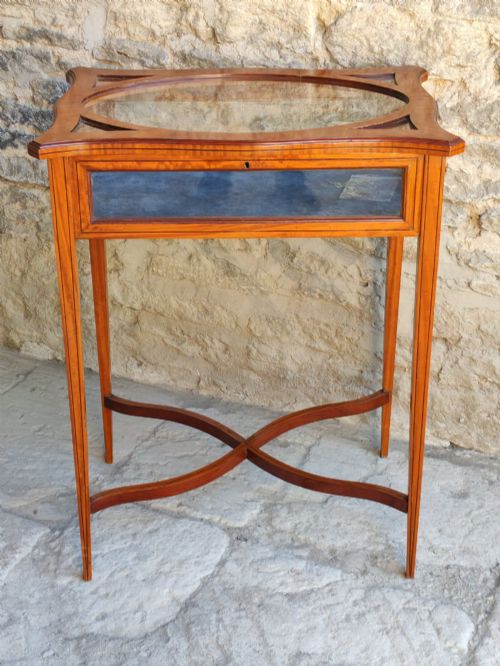
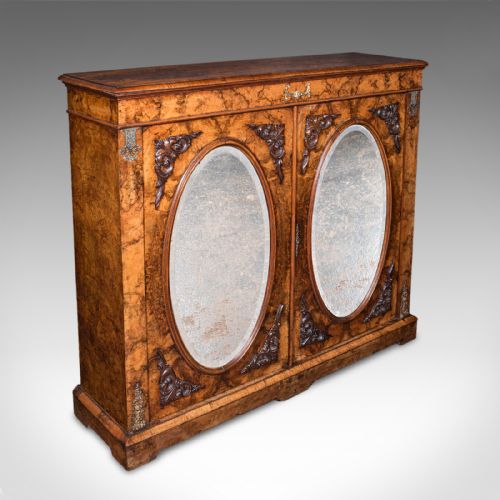


Oval Display Cabinet
An oval display cabinet gives a room curved elegance while putting small treasures on show.
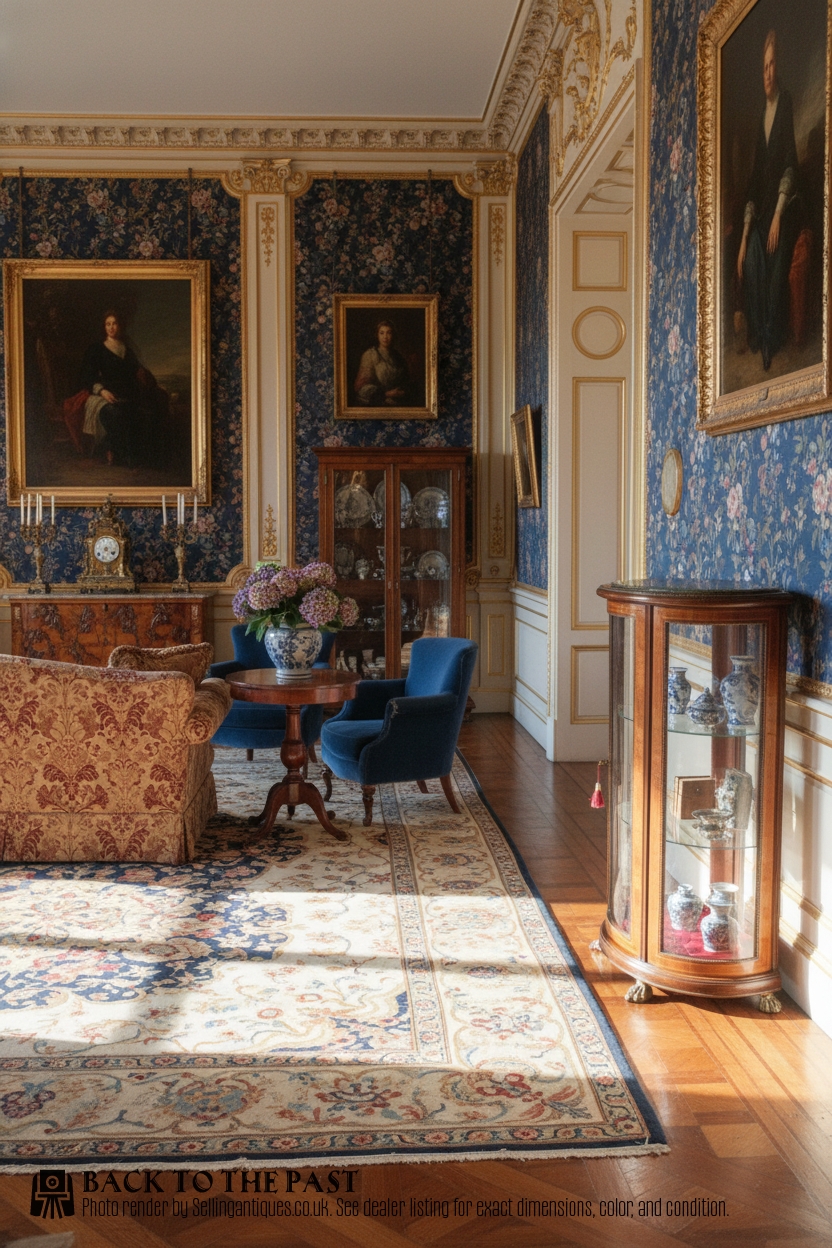
Oval Display Cabinet
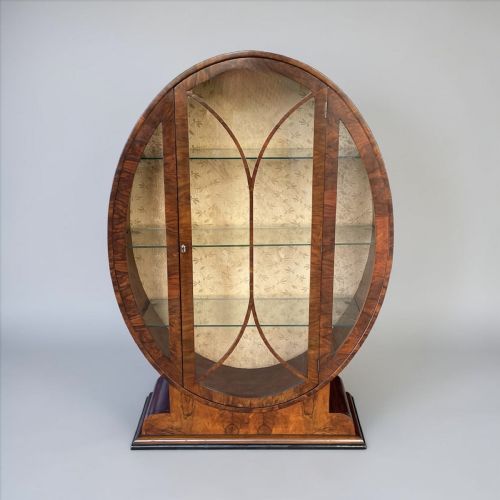
An oval display cabinet brings curved glazing and refined proportions into a room, serving as a focal point for precious objects and curiosities. When exploring this selection, buyers frequently encounter Edwardian and Art Deco iterations alongside pieces stretching back to the nineteenth century.
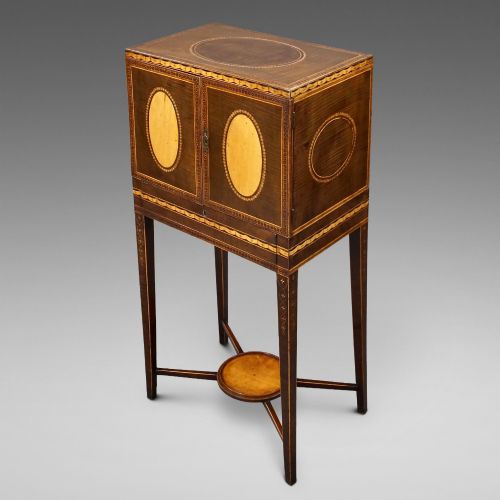
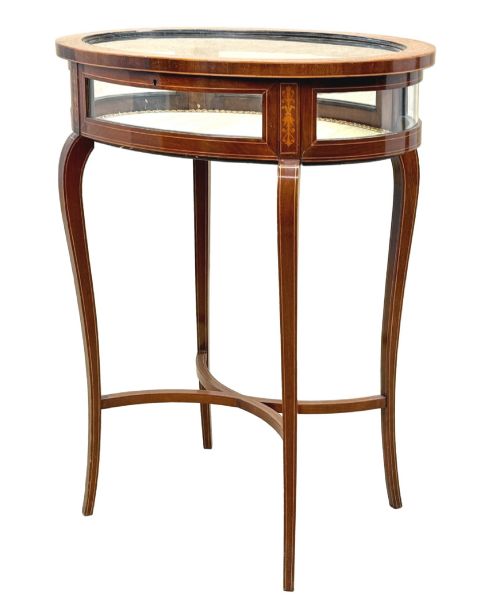
The forms range from freestanding vitrines and slender bijouterie tables to counter-top units and pedestal cabinets. Mahogany, walnut, and satinwood provide the structural foundation for these pieces, often shaped with glass panels designed to catch the light from every angle.
Materials and Construction
Craftsmen built these cabinets using timber frames of mahogany, walnut, or satinwood, frequently enhanced with delicate marquetry, brass fittings, or ormolu mounts. Curved glass panes required specialist glazing techniques to fit the sweeping contours of the oval framework.
Interiors were often lined with velvet or fabric to cushion delicate items, while brass and bronze provided structural support and decorative accents. The combination of fine timber and curved glazing defines the construction methods seen across the periods.
Listings feature items spanning the eighteenth century through the Art Deco era of 1930, utilising mahogany, walnut, satinwood, and brass.
Markers of Quality
The distinction between standard examples and the finest pieces lies in the crispness of the inlaid marquetry, the precision of the timber joints, and the clarity of the curved glass. Superior pieces display harmonious proportions and seamless integration of ormolu mounts or brass details.
Attention to interior detailing, such as fabric linings and well-fitted shelving, separates workshop production of higher ambition from ordinary utilitarian storage. The weight of the timber and the fluidity of the curved frame ultimately determine the standing of the piece.
H & R Daniel
The Oval Display Cabinet Glossary
- Bijouterie table
- A glass-topped display table designed specifically for showcasing small valuables, jewellery, and curiosities. These tables often feature hinged lids for easy access to the lined interior.
- Vitrine
- A glass-fronted cabinet or display case used for exhibiting fine china, glassware, or decorative objects. The term frequently describes freestanding French or English display pieces.
- Ormolu
- Gilded bronze mounts applied to furniture for decorative effect, popular in French-influenced and nineteenth-century cabinet making. It adds metallic contrast to polished timber surfaces.
- Marquetry
- Decorative wood-working technique where small pieces of veneer are fitted together to form pictorial or geometric patterns. It appears frequently on satinwood and mahogany cabinet surfaces.
- Pier cabinet
- A piece of furniture designed to stand against a pier or wall space between windows. These cabinets often incorporate glass doors and mirrored backs.
Oval Display Cabinet: Frequently Asked Questions
What fits inside an oval display cabinet?
These cabinets are suited for small collectables, porcelain, jewellery, and curated ornaments that benefit from all-around visibility.
The curved glass and interior shelving showcase detailed items without visual clutter.
How do I date an oval display cabinet?
Dating relies on identifying timber choices, such as satinwood or mahogany, alongside stylistic cues from the Edwardian, Victorian, or Art Deco periods.
Construction techniques and decorative elements like marquetry or ormolu mounts also point to specific eras of manufacture.
Are these cabinets freestanding or table top?
The selection includes both tall freestanding vitrines and low bijouterie tables designed to sit on the floor or a counter.
Each format serves a different interior requirement for displaying collections at eye level.
How do I care for the fabric lining?
Original velvet or fabric linings require gentle dusting with a soft brush to preserve the textile without disturbing delicate fibres.
Keeping the cabinet away from direct sunlight prevents the fabric and timber finishes from fading over time.