
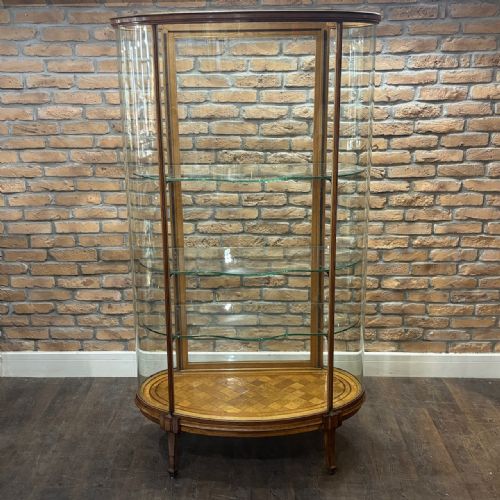
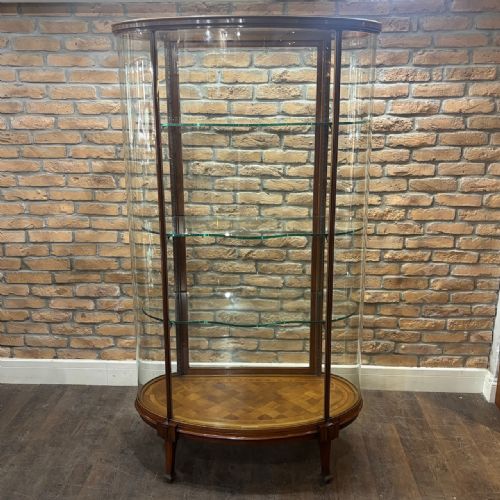
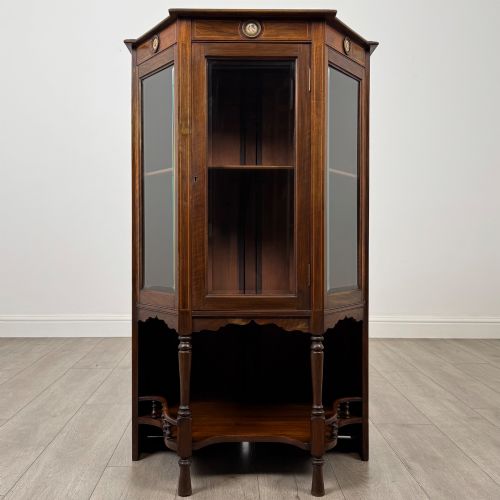
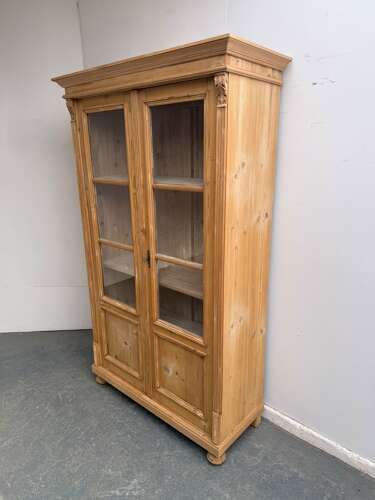
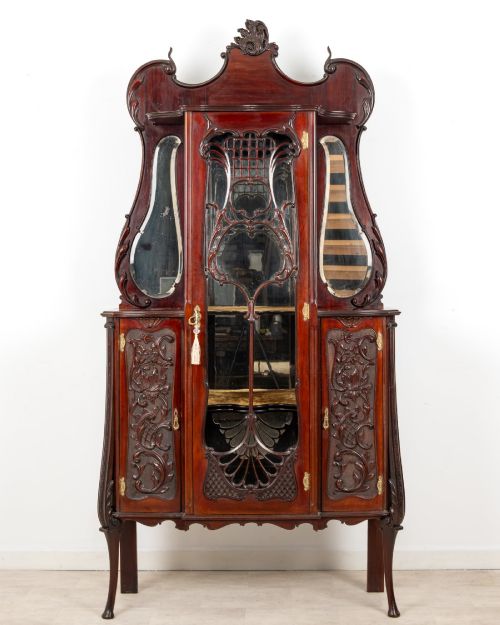
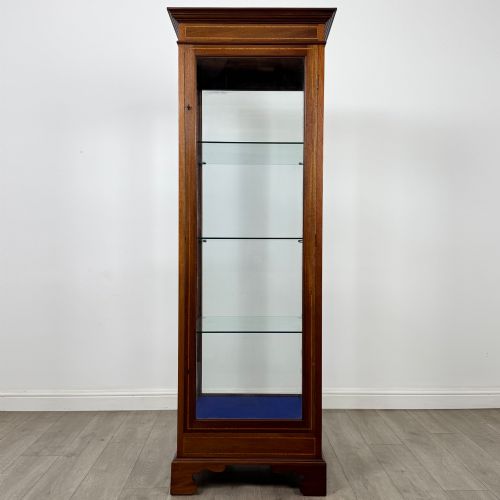
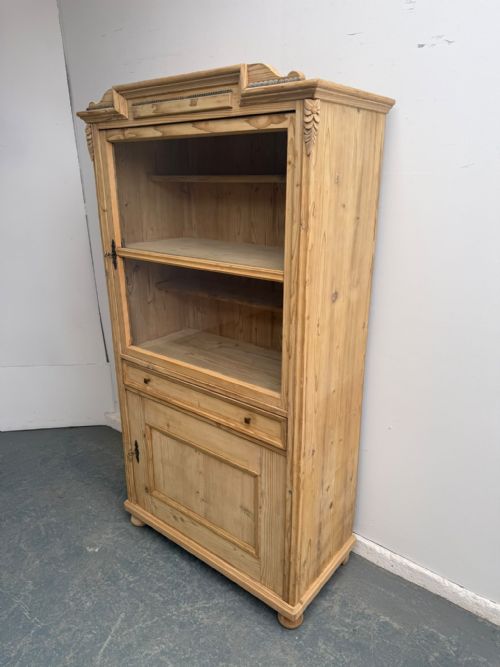
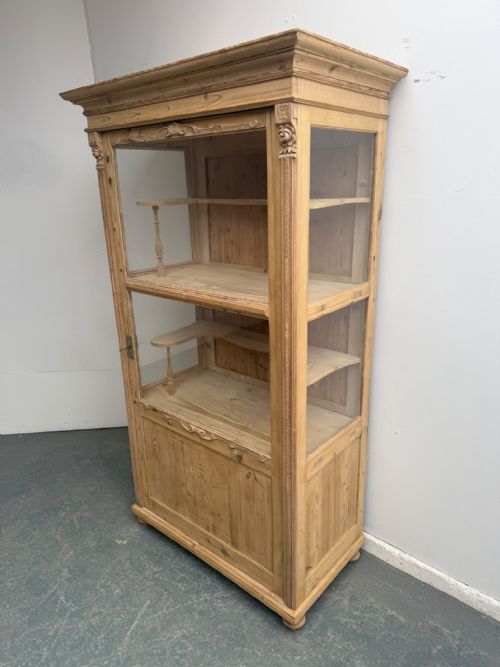
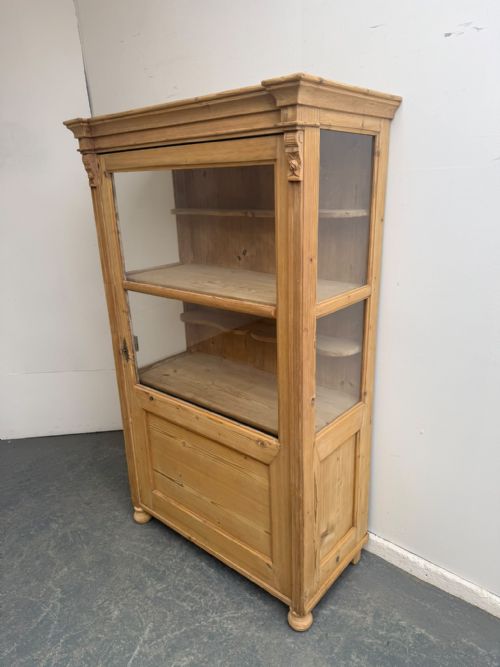
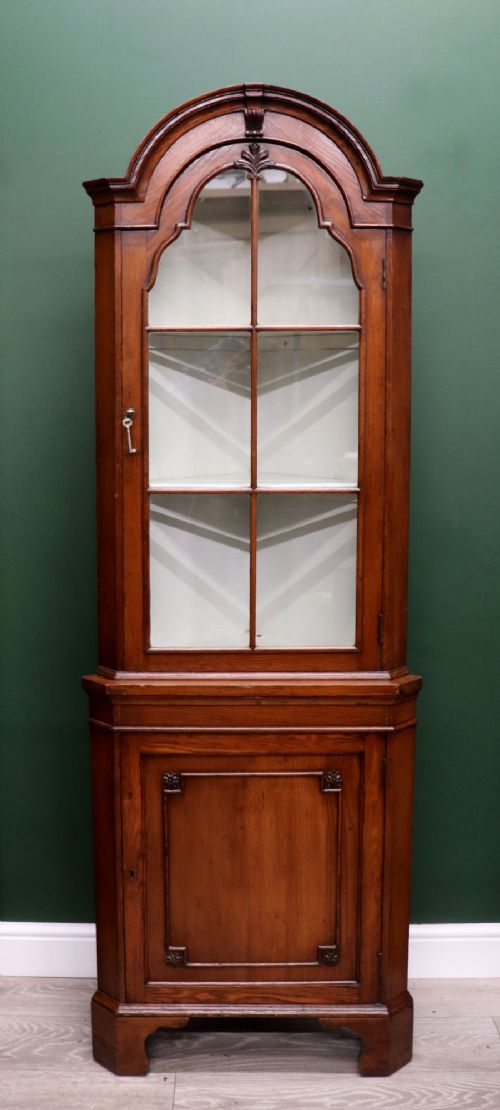


Freestanding Vitrine Cabinet
A freestanding vitrine cabinet brings a clear, glass-fronted presence into a room, designed to hold and display treasured objects safely.
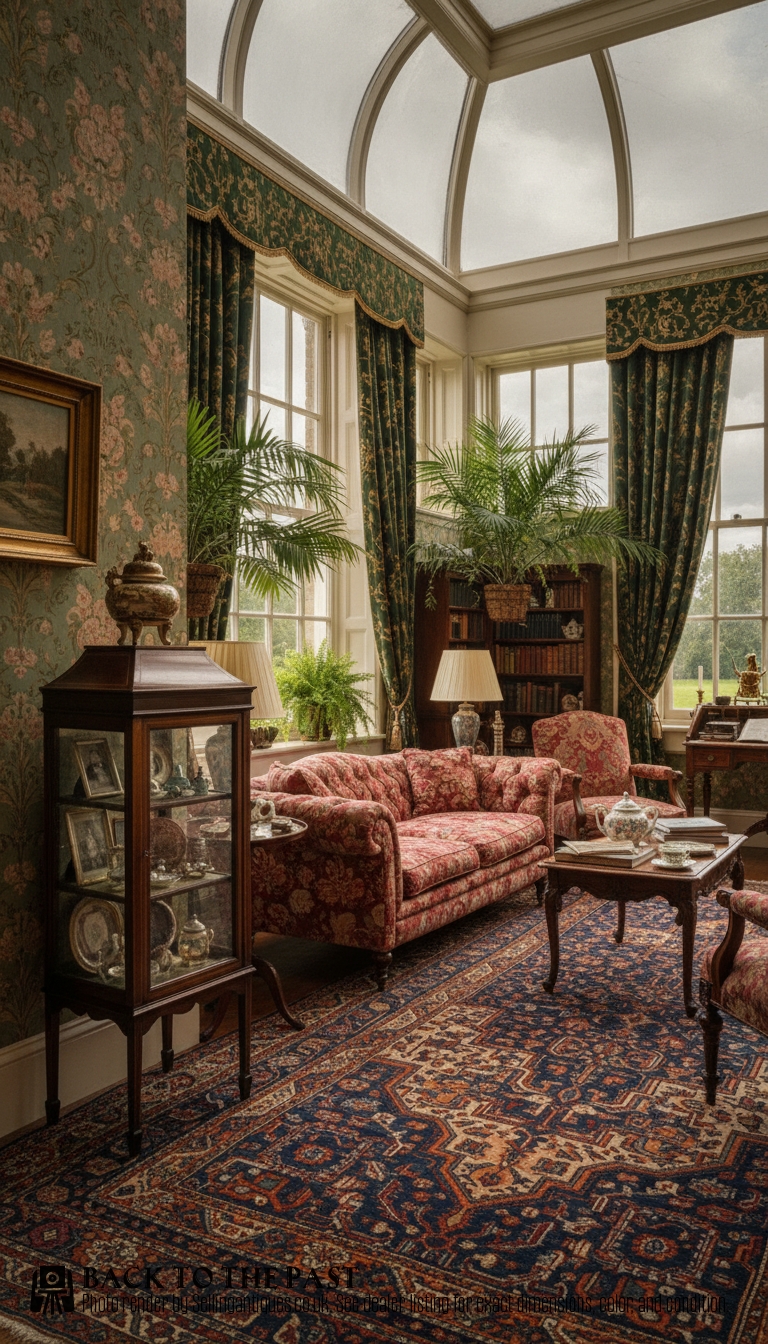
Freestanding Vitrine Cabinet
When you search for a freestanding vitrine cabinet, you are looking at glazed display furniture that stands independently without wall fixings. These pieces range from upright tower forms and corner units to lower bijouterie cases and pedestal cabinets.
The versions you are most likely to meet on this page span the Victorian and Edwardian eras, alongside pieces from the nineteenth and twentieth centuries. They appear in forms originating from British workshops as well as French and Chinese traditions.
Domestic display cabinets share floor space with larger shop display cases and museum vitrines adapted for home interiors. Each style offers a distinct way to present collections behind glass while keeping dust away.
How they were made
Cabinet makers utilised dense timbers such as mahogany, oak, walnut, satinwood and kingwood to build the primary structures. Frames often incorporated inlaid banding, carved details or ebonised finishes to enhance the timber grain.
Glazing forms the central visual element, utilising large glass panels held securely within wooden, steel or giltwood frames. Brass mounts, ormolu enrichments and fabric-lined interiors complete the construction of finer display pieces.
Some nineteenth-century shop display cases survived decades of retail trade before finding a quiet retirement holding tea cups at home.
What varies in quality
The distinction between standard utility furniture and superior examples lies in the selection of timbers and the precision of the joinery. Finer cabinets feature carefully matched veneers, delicate inlay work and substantial brass or ormolu mounts rather than plain hardware.
Proportion and the handling of glass set exceptional pieces apart from heavier commercial alternatives. Refined pedestals and museum cases display an architectural clarity that elevates the entire object in a room.
F. Sage & Co
The Freestanding Vitrine Cabinet Glossary
- Vitrine
- A glass-fronted display cabinet designed specifically for showing porcelain, curiosities and fine objects. This term frequently applies to French-influenced or formal drawing-room cabinets.
- Bijouterie
- A shallow glass-topped display table or cabinet created for jewellery, medals and small ornaments. These pieces often feature hinged lids and fabric-lined interior bases.
- Ormolu
- Gilt bronze mounts applied to furniture for decorative effect, common on nineteenth-century French pieces. The metal is cast and chased before receiving a gold amalgam finish.
- Vernis Martin
- A form of European furniture varnishing that imitates Asian lacquerwork through multiple translucent layers. It appears on decorative French cabinets from the nineteenth century.
- Pedestal cabinet
- A tall, narrow freestanding display unit designed to elevate a single important object. These cylindrical or multi-sided cases command attention in the centre of a room.
Freestanding Vitrine Cabinet: Frequently Asked Questions
What is a freestanding vitrine cabinet used for?
These cabinets serve to display collections of ceramics, glassware, silver and small ornaments while protecting them from dust. The glass panels allow viewing from multiple angles within a room.
They function equally well in drawing rooms, studies and hallways as both storage furniture and decorative focal points.
How do I tell Victorian from Edwardian cabinets?
Victorian cabinets often feature darker timbers, heavier carving and richer proportions, reflecting nineteenth-century taste. They frequently incorporate elaborate crests or deep mouldings.
Edwardian pieces tend to show lighter satinwood or mahogany frames with delicate inlaid stringing, reflecting a shift towards more slender, neoclassical revival forms.
Can I place a corner cabinet anywhere?
Corner cabinets are specifically built with angled backs to fit snugly into the junction of two walls. This makes them ideal for utilising awkward spaces without blocking room flow.
Ensure the corner walls are square and stable enough to accommodate the depth of the cabinet frame before placement.
How do I care for antique glass and timber?
Keep wooden surfaces nourished with appropriate wax or polish applied sparingly according to the finish. Avoid placing timber cabinets in direct sunlight to prevent veneer fading.
Clean the glass panels gently with a soft cloth and mild solution, taking care not to let moisture seep into wooden frames or brass mounts.