

Outdoor Garden Painting
Outdoor garden painting forms part of a wider collection of metalwork, stone and timber furniture created to weather the elements.
Outdoor Garden Painting
When you search for outdoor garden painting, you encounter surfaces applied to cast iron, wrought iron, wood and composite stone pieces designed for grounds and terraces. These items span periods from the Regency era through the Victorian period, Edwardian years and into the 1930s.
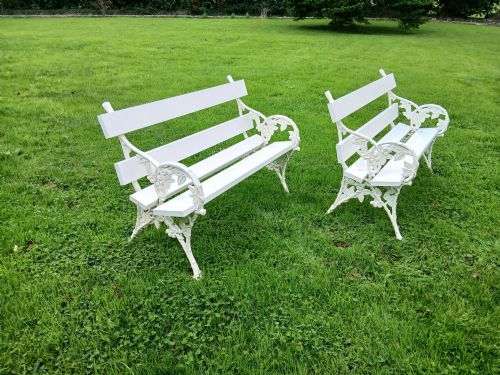
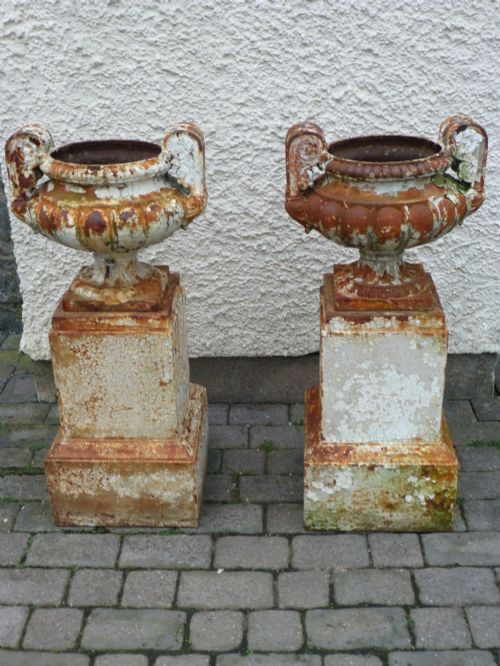
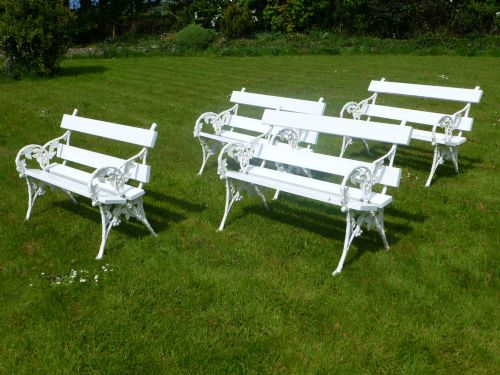
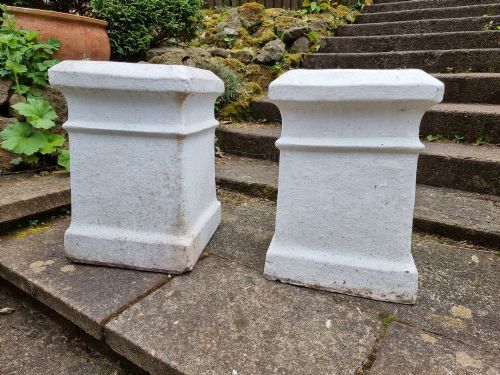
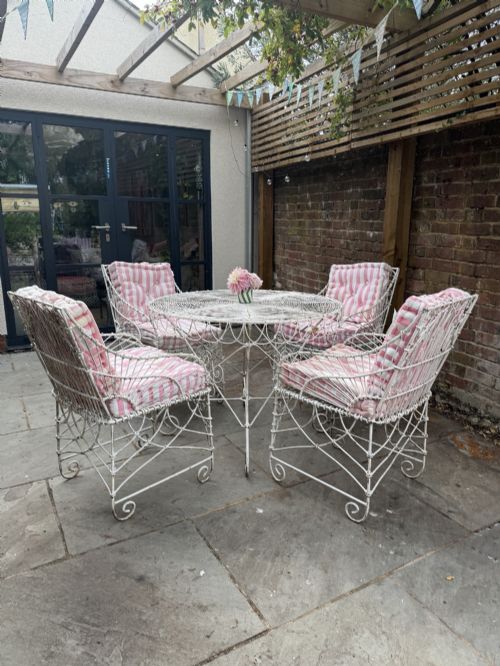
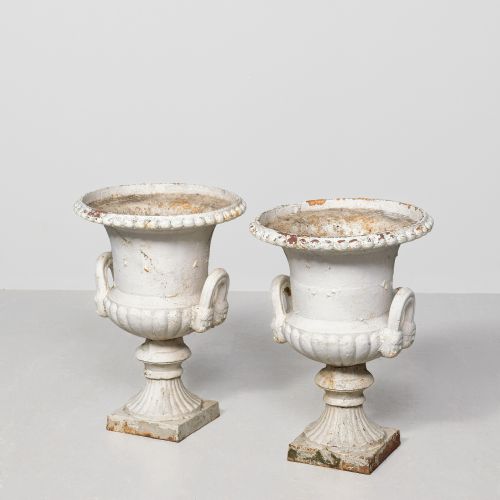
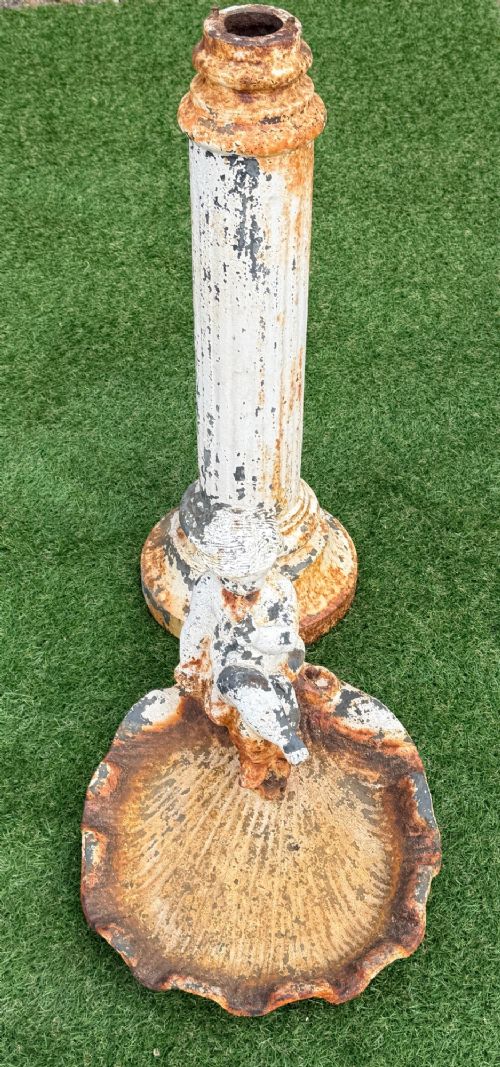
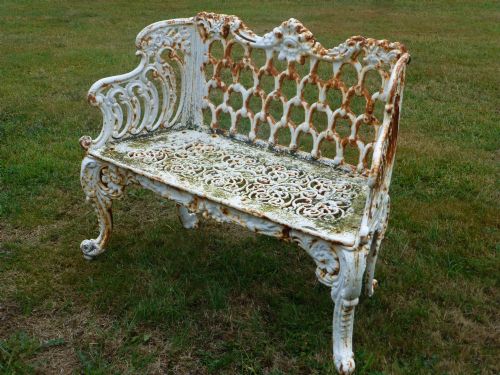
You meet forms such as garden benches, armchairs, urns on plinths, plant stands, dining sets and bird baths. Pieces often display specific botanical or classical motifs like blackberry leaves, acanthus foliage and strapwork.
Makers and foundries of the nineteenth century produced sturdy seating and ornamental vessels that retain traces of original or subsequent paint schemes. French and English workshops dominate the selection, combining functional patio furniture with architectural garden decor.
Materials and construction methods
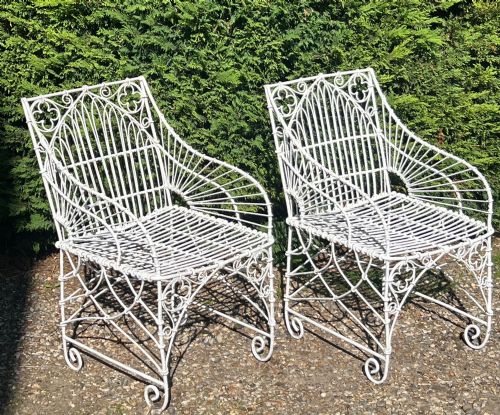
Foundries utilised cast iron poured into detailed moulds to create crisp decorative patterns for benches, chairs and urns. Wrought iron was shaped by hand into scrollwork, strapwork and frames for tables and plant stands.
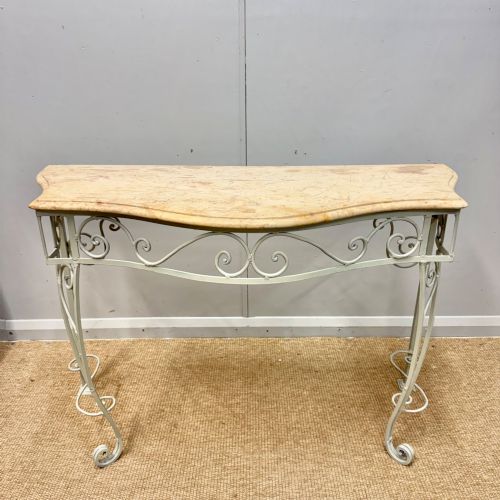
Wood, marble and timber were incorporated alongside metal structures, particularly in French garden dining sets and console tables. Protective coatings of paint were applied to shield the iron and wood from outdoor decay.
Distinctions in standard and finish
The clarity of the cast iron ornamentation dictates visual success, where sharply defined blackberry leaves or classical acanthus motifs separate superior foundry work from plain production. The integrity of the original structure and the survival of aged, weathered paint layers alter the character of each piece.
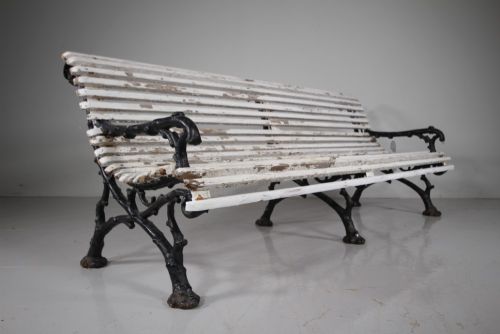
Proportion and balance in structural forms, such as urns matched with their original plinths or benches with correct slat alignment, determine the overall execution of the work.
Falkirk Carron Foundry·Coalbrookdale·Christopher Dresser
The Outdoor Garden Painting Glossary
- Cast iron
- A hard, brittle alloy poured into moulds to create intricate garden furniture and urns. It provides the heavy structure seen in nineteenth century benches and planters.
- Wrought iron
- Iron beaten and bent by hand into decorative scrolls and structural frames. This material appears frequently in French plant stands, tables and chairs.
- Strapwork
- A decorative motif resembling flat leather bands or ribbons applied in geometrical patterns. It defines the framework of specific Regency and Victorian garden benches.
- Campagna urn
- A bell-shaped classical vessel raised on a pedestal base, popular for garden ornamentation. These pieces are frequently cast in iron with classical leaf detailing.
- Jardiniere
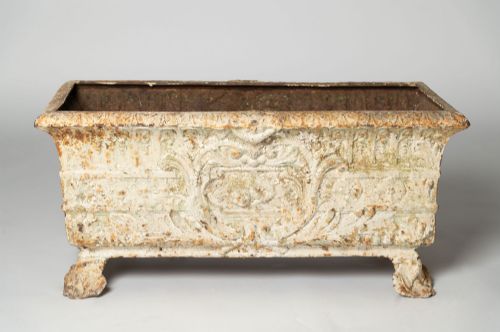
- An ornamental pot or stand designed to hold plants and flowers. Examples are constructed from wrought iron or ceramic materials for patio use.
Outdoor Garden Painting: Frequently Asked Questions
How do I care for painted iron garden furniture?
Painted iron pieces withstand outdoor conditions well when checked periodically for moisture penetration beneath the surface. Applying suitable protective coatings helps preserve the remaining historic paint layers.
Keep the metal clean of debris and store vulnerable wooden components indoors during harsh winter months to prevent timber rot.
Are cast iron urns frost resistant?
Cast iron handles low temperatures effectively, though standing water left inside urns can expand when frozen and crack the metal or underlying plinths. Lining the interior or draining containers before winter prevents potential structural stress.
Positioning heavy vessels on stable stone or gravel bases also stops moisture drawing up from the ground.
How do I date a garden bench?
Dating relies on examining the construction methods, such as the bolt types, framing structure and decorative style like Gothic Revival or Regency strapwork. Foundries often marked their ironwork with registration numbers or foundry names.
Comparing the pattern to known nineteenth or early twentieth-century foundry catalogues clarifies the period of manufacture.
Can these garden pieces stay outside all year?
Most metal benches, urns and stone figures remain outdoors throughout the year due to their robust construction. Weathering develops a natural patina on the painted and cast surfaces over successive seasons.
Items incorporating delicate timber or marble tops benefit from sheltered placement during extreme weather to protect the mixed media elements.