

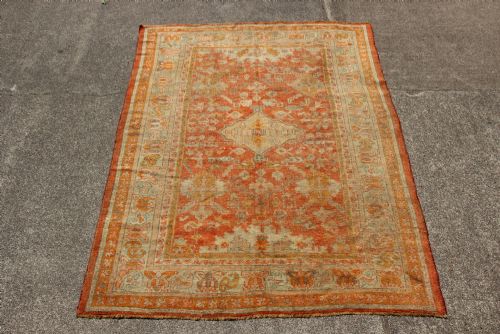
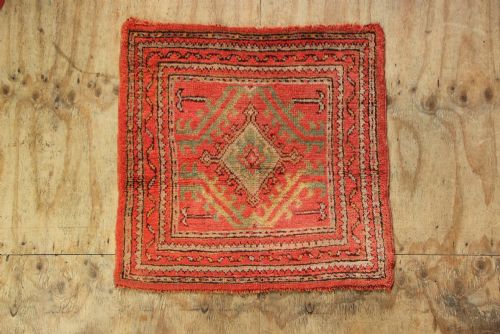
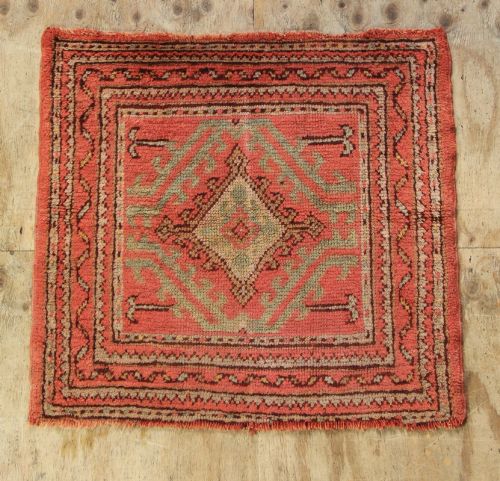


Oushak Wool Carpet
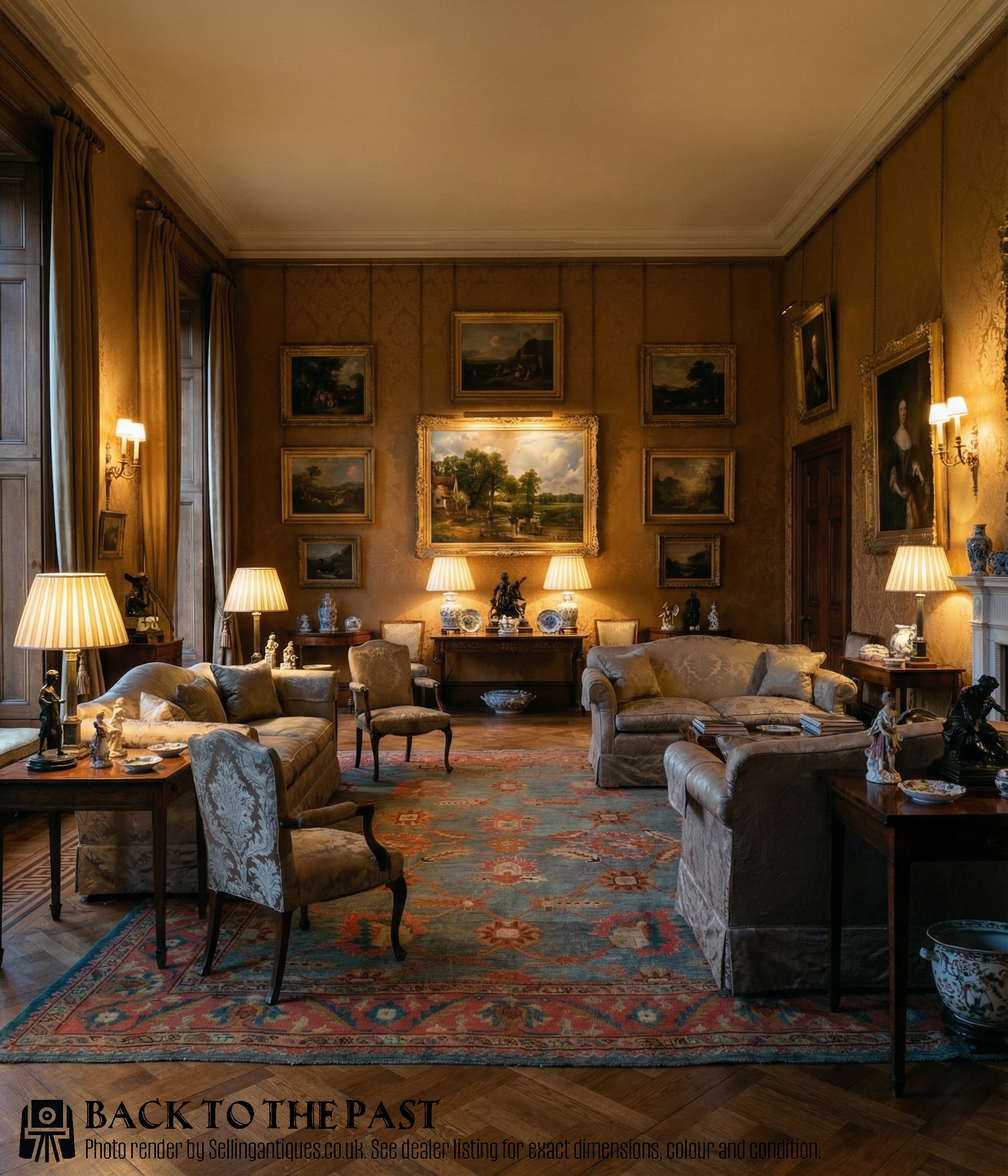
An oushak wool carpet brings a muted palette and grand Anatolian scale to a room, offering centuries of weaving tradition in a single floor covering.
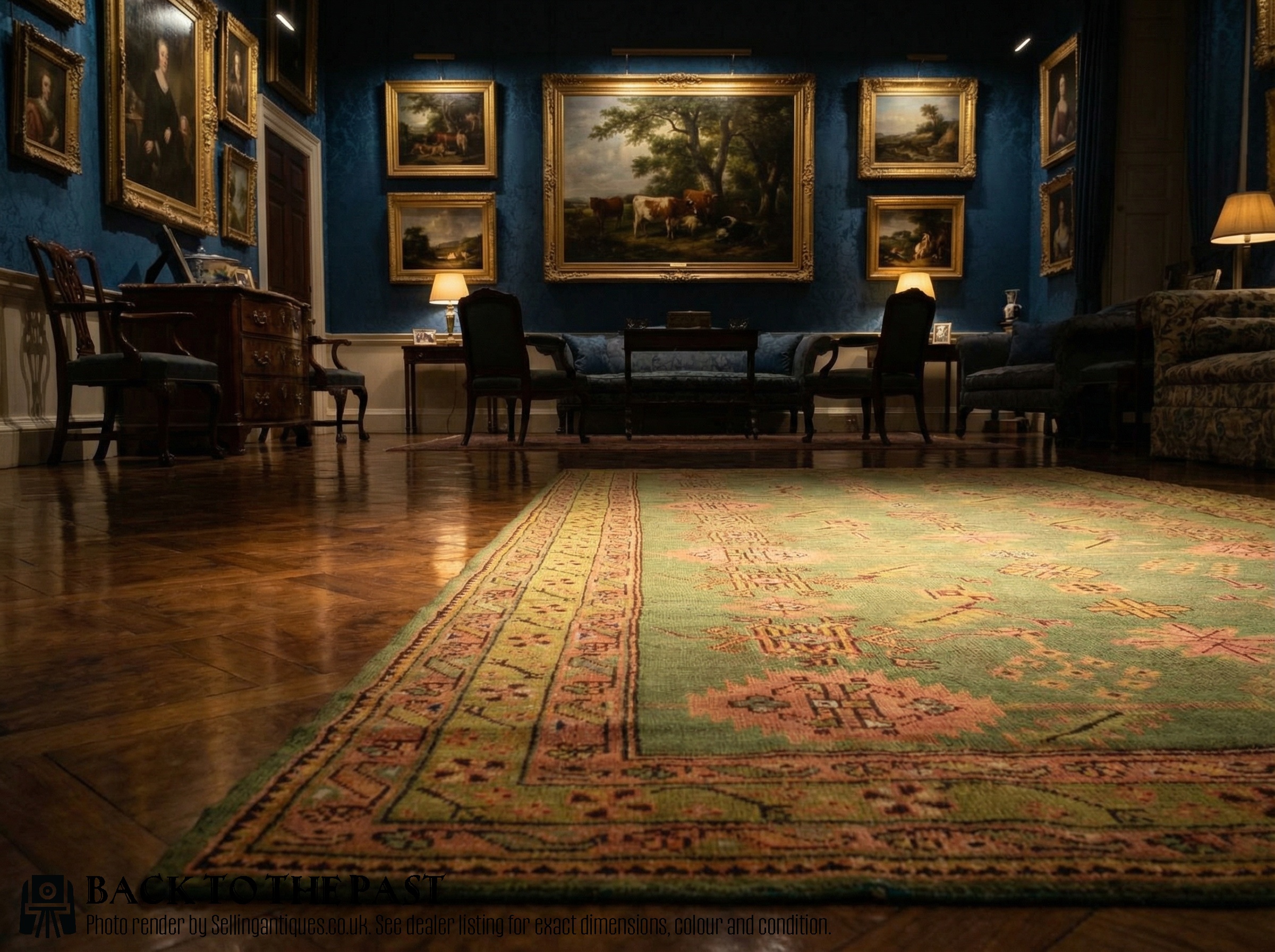
Oushak Wool Carpet
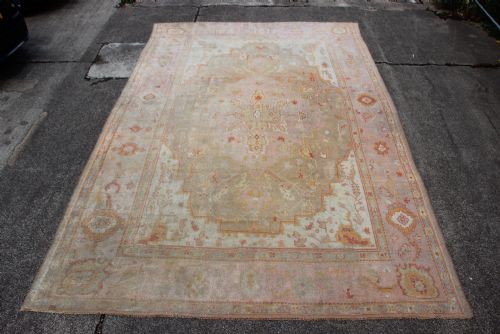
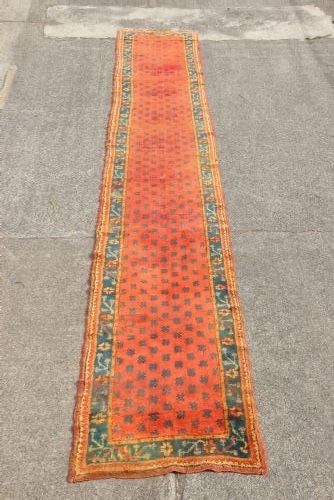
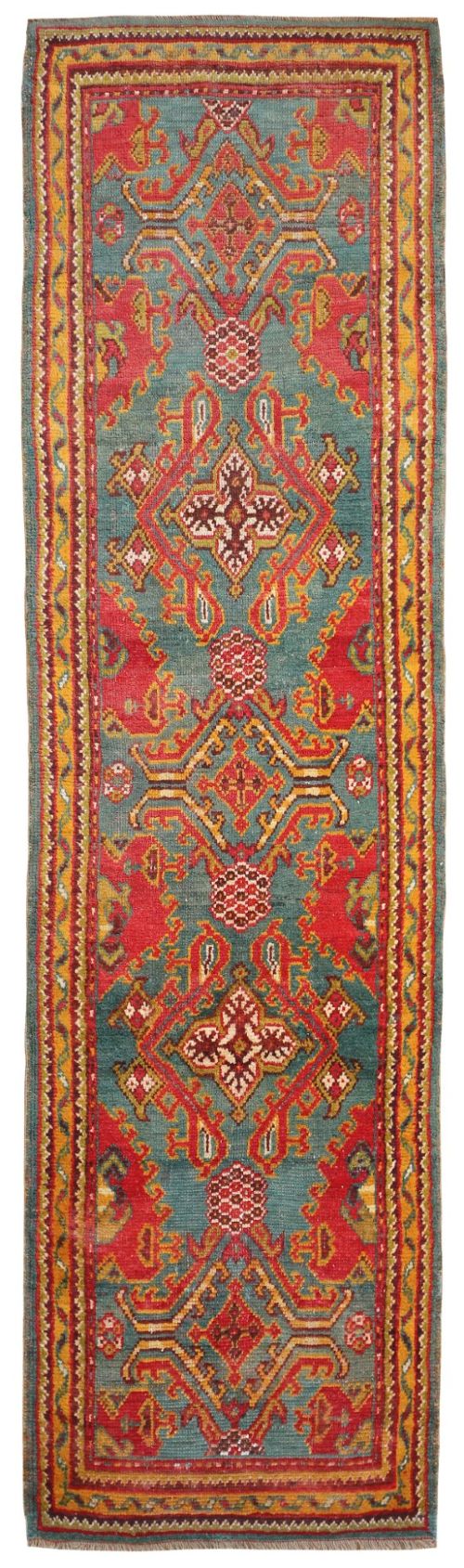
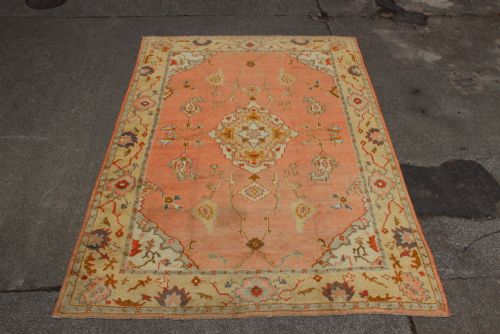
When someone searches for an oushak wool carpet, they are looking at large area rugs, room-size floor coverings, and long runners originating from Western Turkey, often bearing the distinct design vocabulary of Ottoman workshops. These pieces date from the late nineteenth and early twentieth centuries, spanning periods from the Victorian era up to the nineteen-twenties.
The most common form on this page is the large-scale carpet, alongside long narrow runners and smaller square mats or kilims. They appear in styles described variously as Ottoman, Anatolian, Ghiordes, Kula, and traditional Oushak, reflecting regional variations within Turkish weaving centres.
Buyers choose an oushak wool carpet for its faded elegance, generous dimensions, and ability to anchor large living spaces without overwhelming the room's other elements.
How they were made
These carpets are constructed primarily from wool pile on cotton foundations, utilising hand-knotted techniques common to Western Turkish production. Certain pieces incorporate angora wool, which imparts a softer handle and a subtle lustre to the surface.
The dyes and weave structures reflect traditional Anatolian methods, resulting in substantial floor coverings built to withstand heavy daily use. Individual pieces display distinctive regional designations such as Ghiordes and Kula, indicating specific local weaving traditions and knotting densities.
Some runners are matched in pairs, offering symmetrical coverage for grand hallways or parallel spaces.
What varies in quality
Quality in these carpets rests on the integrity of the weave, the balance of the composition, and the depth of the wool pile. Superior examples maintain structural soundness across large surfaces, while lesser pieces show heavy depletion of the pile and extensive foundation repairs.
The harmony of the colour palette also distinguishes better specimens, particularly where natural fading creates a softer, more desirable tone. Scale and proportion play a significant part, with well-balanced runners and expansive room-size carpets commanding greater visual presence than cramped or awkwardly proportioned formats.
Maple and Co
The Oushak Wool Carpet Glossary
- Oushak
- A traditional style of Turkish carpet originating from the town of Usak, known for larger-scale floral motifs and muted pastel colour palettes.
- Ghiordes
- A regional Turkish style associated with specific prayer rug designs and knot types used across Anatolia.
- Angora wool
- A finer fibre occasionally used in these carpets, providing a softer texture and distinct tactile quality compared to standard sheep wool.
- Kilim
- A flat-woven carpet or rug produced without a pile, offering a lighter alternative to knotted floor coverings.
- Runner
- A long, narrow carpet format designed specifically for hallways, corridors, or narrow spaces.
Oushak Wool Carpet: Frequently Asked Questions
Where were these carpets made?
These floor coverings originate from Western Turkey, principally from the town of Usak and surrounding Anatolian weaving districts. The region has a long history of supplying large carpets for both domestic use and export.
Production spanned several decades around the turn of the twentieth century, drawing on local Ottoman design traditions and established workshop practices.
How do I use a runner in a hallway?
Long narrow runners fit well in corridors, entryways, and beside large pieces of furniture. Their proportions allow them to soften hard floor surfaces in high-traffic areas.
Measure the available floor space carefully, leaving a uniform border of exposed wood or tile around the perimeter of the carpet.
What is the difference between an oushak and a kilim?
An oushak is a knotted-pile carpet with a thick, textured surface formed by tying individual tufts of wool to the foundation. A kilim is a flat-woven textile made without any pile at all.
This structural difference affects both the weight of the piece and how it feels underfoot in daily use.
How do I date an antique carpet?
Dating relies on stylistic markers, wool characteristics, and structural evidence within the weave and foundation materials. Pieces from the Victorian period often display distinct colour palettes and wear patterns.
Comparing the field design and border motifs with documented examples helps narrow down the period of production.