

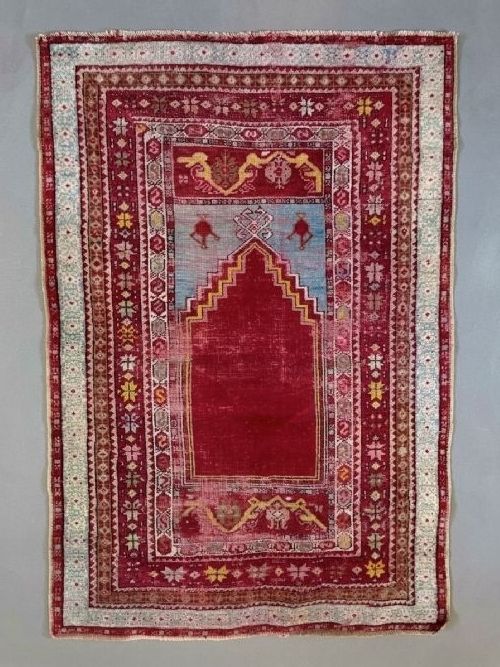


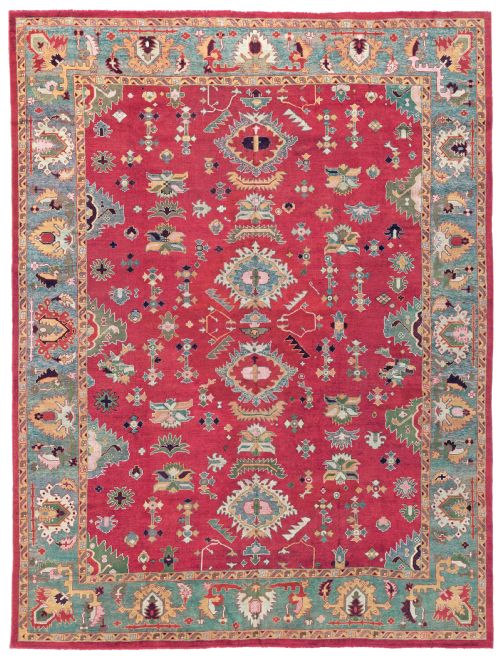


Ottoman Wool Floor Rug
An ottoman wool floor rug brings tactile warmth and historic Anatolian craft into a room.
Ottoman Wool Floor Rug
When you search for an ottoman wool floor rug, you enter a domain of hand-woven textiles originating from Turkish weaving centres like Ushak, Kula, Sivas, Kirsehir and Dazkiri. These pieces span from the late nineteenth century into the early twentieth century, encompassing the Victorian era.
The items you encounter here are predominantly large carpets or smaller area and prayer rugs designed for domestic use. The tradition draws on Ottoman and Anatolian aesthetic lineages, carrying centuries of design heritage into functional floor coverings.
How they were made
The foundation of an ottoman wool floor rug relies on natural fibres, principally wool for the pile alongside cotton for structural warps and wefts. Certain pieces incorporate fine angora wool, lending a softer handle and distinct lustre to the finished textile.
Weavers knotted these materials by hand, employing traditional techniques passed down through generations in Turkish villages and weaving towns. The density of the weave varies by origin, from the grand scale of Ushak carpets to the finer stitch work found in regional Sivas examples.
Ottoman Wool Floor Rug Retail Price Guide 2026
Typical asking prices for ottoman wool floor rug among the pieces listed under this phrase on Sellingantiques today, from the lower quarter to the upper quarter. They describe what is for sale here now, not the wider market.
Listings feature pieces from the 1870s through to the 1920s, spanning the Victorian era and the early twentieth century.
What varies in quality
The distinction between tiers of an ottoman wool floor rug lies in the finesse of the weave and the clarity of the composition. Pieces with a very fine weave demonstrate greater technical mastery by the maker.
Depth and vitality of tone also separate standard examples from superior ones. Natural dye variations and well-balanced palettes elevate certain rugs above others from the same period.
The Ottoman Wool Floor Rug Glossary
- Ushak
- A prominent Turkish weaving centre known for large-scale decorative carpets. These pieces often feature subdued, harmonious colour palettes and large floral motifs.
- Prayer rug
- A textile featuring a distinct mihrab or niche design used historically for ritual prayer. These formats direct the eye toward a specific focal point.
- Angora wool
- A soft fibre derived from angora goats, utilised in select rugs to impart a silky texture. It catches the light differently than standard sheep wool.
- Kula
- A regional Anatolian town celebrated for distinctive village rugs. Pieces from this area display specific local motifs and traditional colouring.
- Warp
- The vertical threads stretched on a loom that form the structural skeleton of the rug. Wefts are then interwoven horizontally across these structural lines.
Ottoman Wool Floor Rug: Frequently Asked Questions
How do I clean an old wool rug?
Surface dust is best removed through gentle, regular suction using a vacuum without a rotating brush bar. Professional textile conservators should handle deeper washing to protect the delicate structure.
Water and harsh chemical detergents can cause dyes to bleed or weaken ancient fibres. Spot cleaning requires specialist knowledge of the specific wool and dye types involved.
Where were these rugs made?
These textiles originate from Turkey, encompassing historic hubs like Ushak alongside regional weaving villages such as Kula, Sivas, Kirsehir and Dazkiri. Each location developed distinct stylistic traits.
Production spanned urban workshops and rural households alike. The resulting diversity reflects the rich craft traditions of Anatolia.
Are these rugs suitable for high traffic?
Wool possesses natural resilience and lanolin content that helps repel dirt, making these rugs durable for everyday living. Placing a quality underlay beneath the textile reduces friction against hard floors.
Heavily trodden areas may benefit from occasional rotation to ensure even wear over the decades. Lighter prayer formats suit low-traffic spaces better than large carpets.
How do I date an antique rug?
Dating relies on stylistic analysis, material composition and structural characteristics observed in the weave. Examining the palette and specific knotting technique offers clues to the era of manufacture.
Written records or stylistic hallmarks can narrow down the period to specific decades within the nineteenth or early twentieth century. Comparative study with documented examples anchors the timeline.