
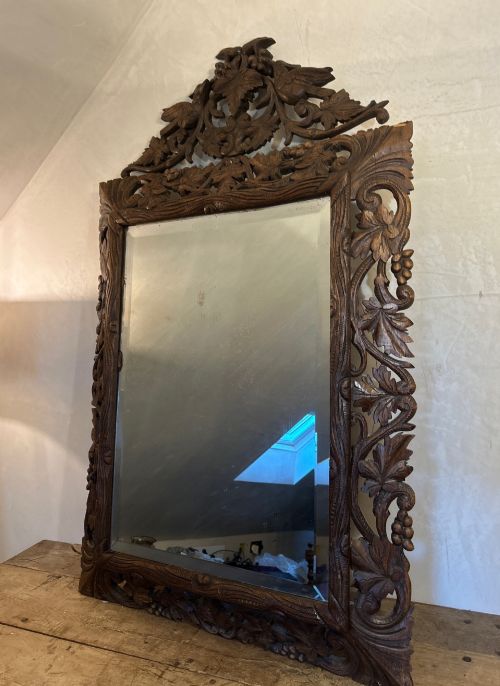
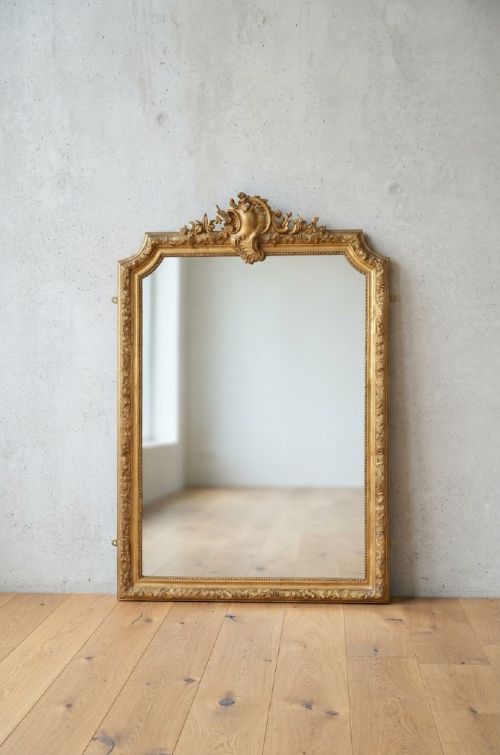
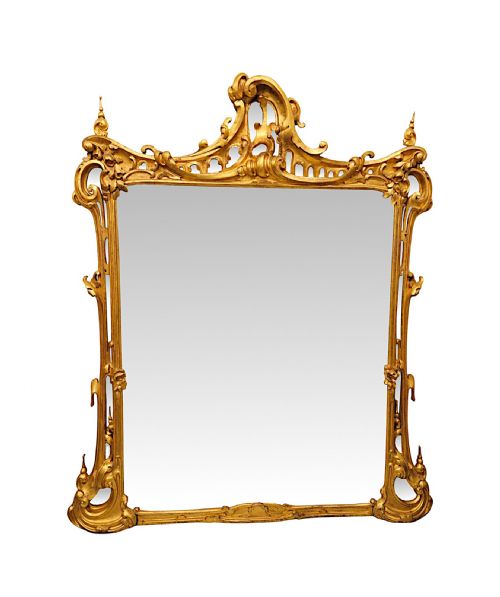
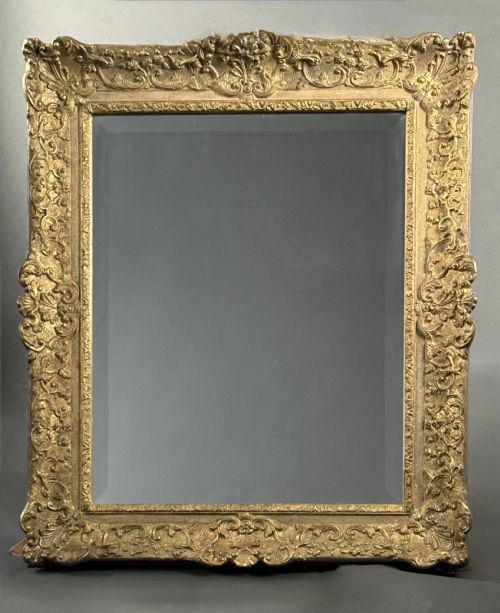
Ornate Overmantel Mirror
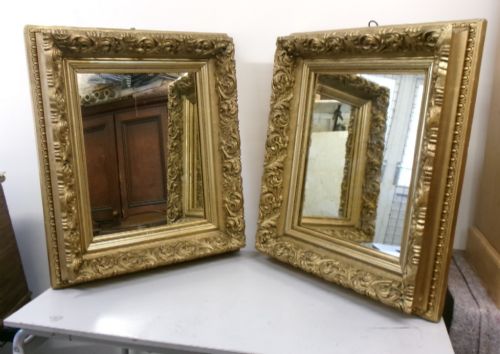
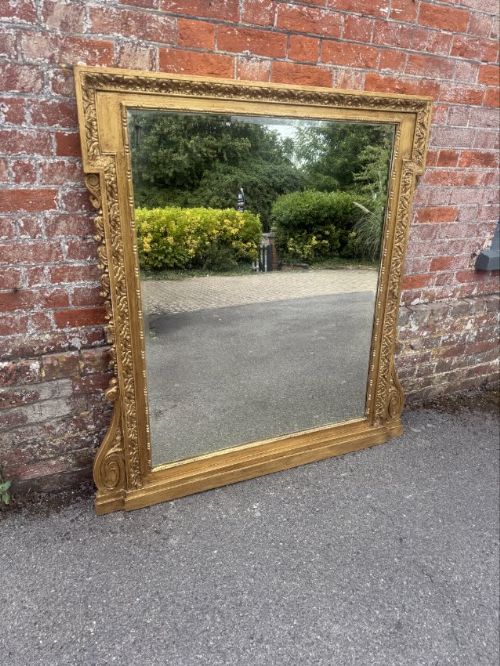
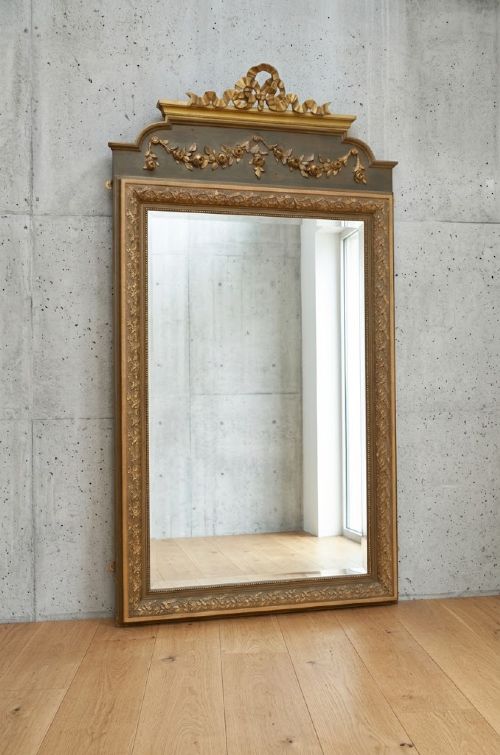
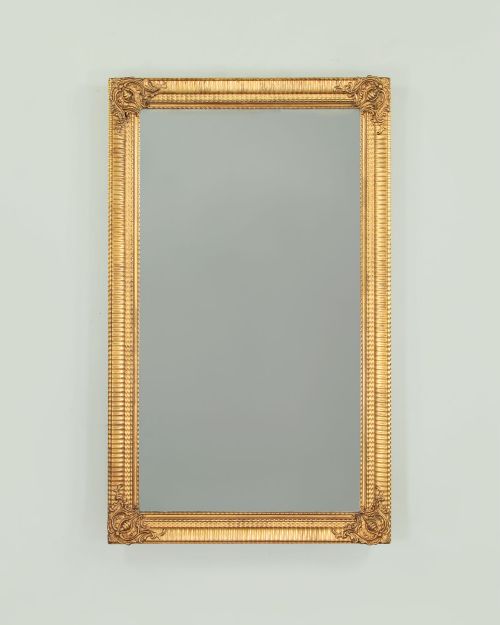
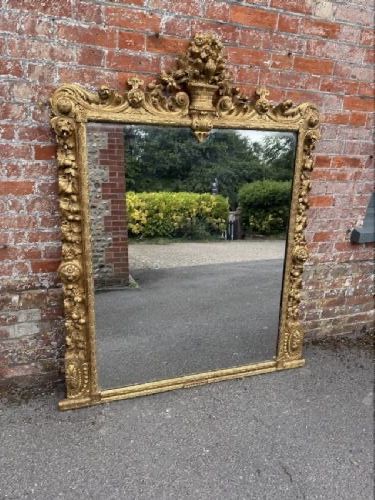
An ornate overmantel mirror commands a room, designed traditionally to sit above a fireplace with sweeping architectural presence.
Ornate Overmantel Mirror
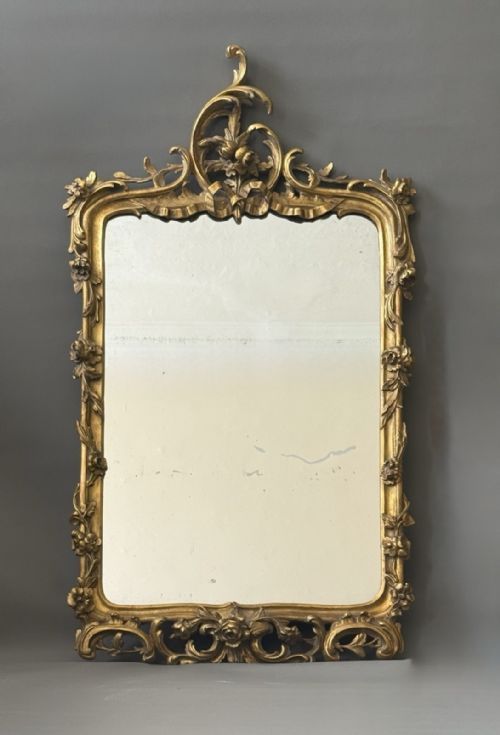
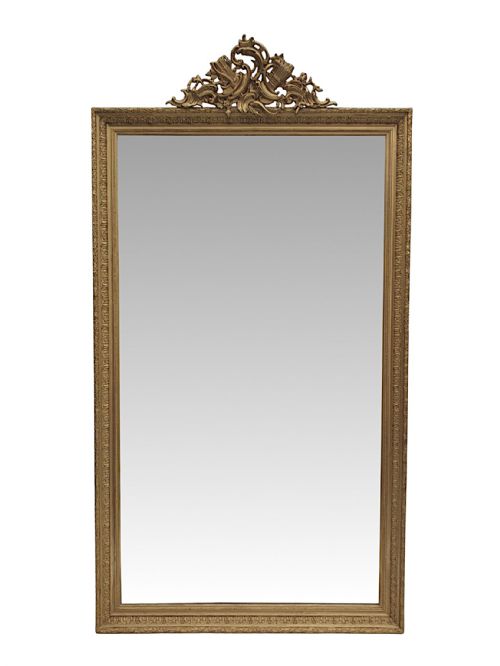
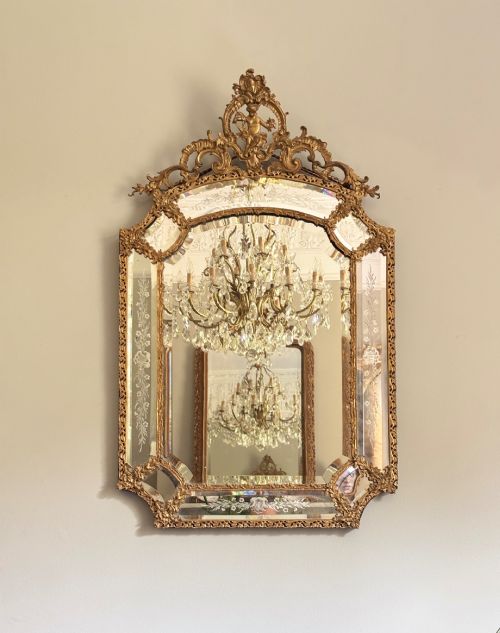
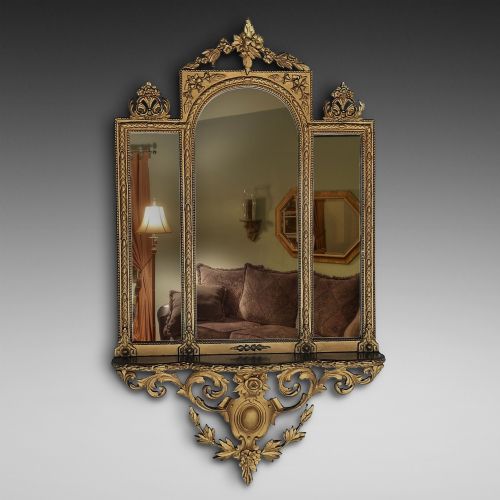
An ornate overmantel mirror is a large wall-hanging glass plate intended to reflect light and anchor the interior space above a mantelpiece. Most examples found here originate from the nineteenth century, spanning Victorian and French Rococo Revival styles.
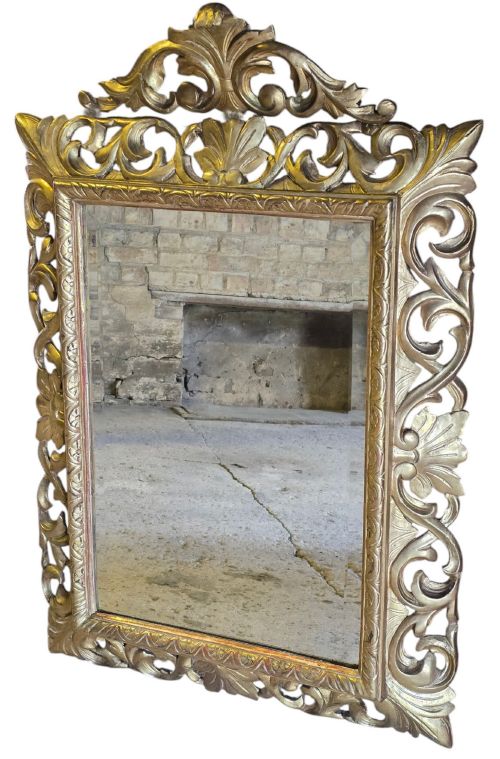
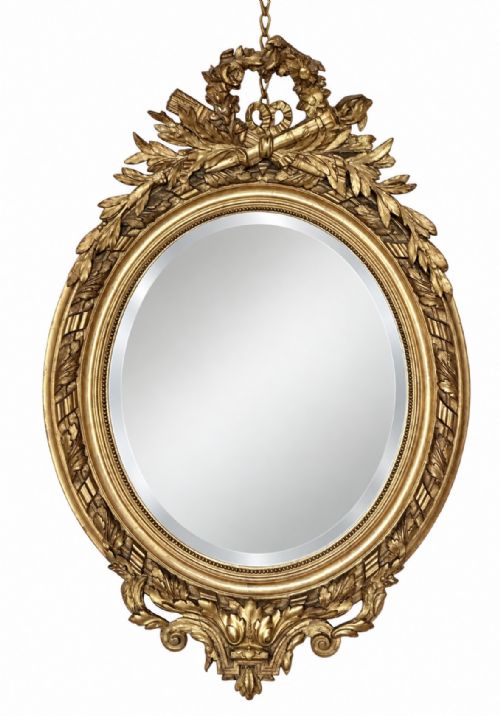
The selection ranges from grand arched top frames to rectangular and pier glass formats. Makers often drew upon French Louis XV, Chinese Chippendale, and Italian design vocabularies to create these imposing statements.
How they were made
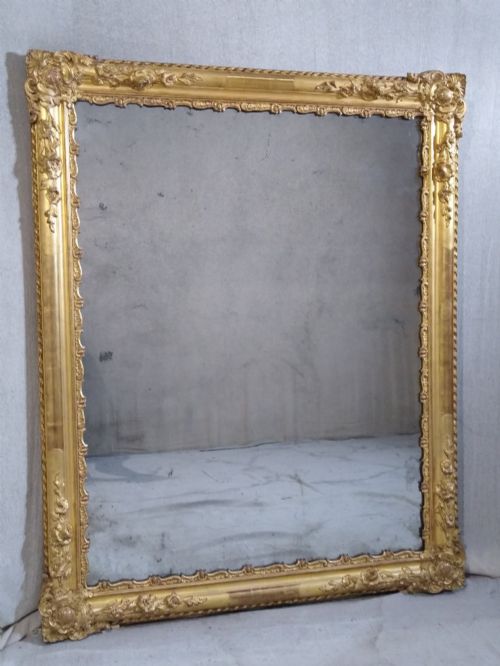
Frames rely upon carved wood, gesso, and composition moulded ornaments built over a robust timber foundation. Artisans applied gold leaf or gilding to these surfaces, sometimes combining them with painted details or ebonised finishes.
Mirror plates consist of glass, occasionally showing antique characteristics such as foxing. Heavy quality frames incorporate deep moulding and substantial timber to support the considerable weight of the glass.
Ornate Overmantel Mirror Retail Price Guide 2026
Typical asking prices for ornate overmantel mirror among the pieces listed under this phrase on Sellingantiques today, from the lower quarter to the upper quarter. They describe what is for sale here now, not the wider market.
Listings feature eighteenth-century, Regency, Victorian, and Edwardian periods alongside French Rococo and Chinese Chippendale styles.
What varies in quality
The depth and crispness of the carved ornamentation separate standard production from exceptional pieces. Hand-carved wooden details display a fluidity and precision that moulded composition decoration cannot fully replicate.
The integrity of the original gilding and the preservation of the antique mirror plate dictate the historical weight of the object. Substantial proportions and balanced proportions across large dimensions command greater visual authority.
The Ornate Overmantel Mirror Glossary
- Overmantel mirror
- A large mirror specifically proportioned to hang above a fireplace mantel. They frequently feature architectural crests or arched tops.
- Gesso
- A plaster-like material applied to wood frames to create a smooth surface for gilding. Artisans carved intricate relief patterns directly into this layer.
- Giltwood
- Timber that has been coated in gold leaf or gold paint. It provides the characteristic metallic sheen seen on period frames.
- Foxing
- Age-related spots and discolouration within the mirror glass plate. This chemical oxidation develops naturally over many decades.
- Pier glass
- A tall mirror designed to hang on the wall space between two windows. They share similar decorative traits with overmantel pieces.
Ornate Overmantel Mirror: Frequently Asked Questions
How do I hang an overmantel mirror safely?
These frames carry significant weight due to their dense timber construction and large glass plates. Secure fixings must anchor directly into wall studs or masonry using heavy-duty brackets.
Professional installation is recommended to distribute the load evenly and protect the antique structure from undue stress.
Can these mirrors be placed anywhere besides a fireplace?
While originally built for mantel placement, their scale makes them effective leaner mirrors or statement pieces in hallways and reception rooms. Their reflective surface expands visual space and captures ambient light.
Ensure the wall structure can support the height and breadth of the chosen piece before positioning it elsewhere.
What indicates a nineteenth-century piece?
Nineteenth-century examples often display Victorian Rococo Revival or French Louis XV influence through C-scrolls, foliate carving, and giltwood finishes. Construction methods typically involve layered gesso over carved wood substrates.
Examining the reverse reveals older timber boards and fixings consistent with nineteenth-century cabinet-making practices.
How should I clean the antique glass?
Use a soft, dry cloth to remove dust from the carved frame without damaging the delicate gilding or gesso work. Avoid harsh chemical cleaners that might seep behind the plate and accelerate foxing.
Apply mild glass cleaner sparingly to a cloth rather than directly onto the mirror surface to protect the surrounding wood.