
Ornate Gold Oval Mirror
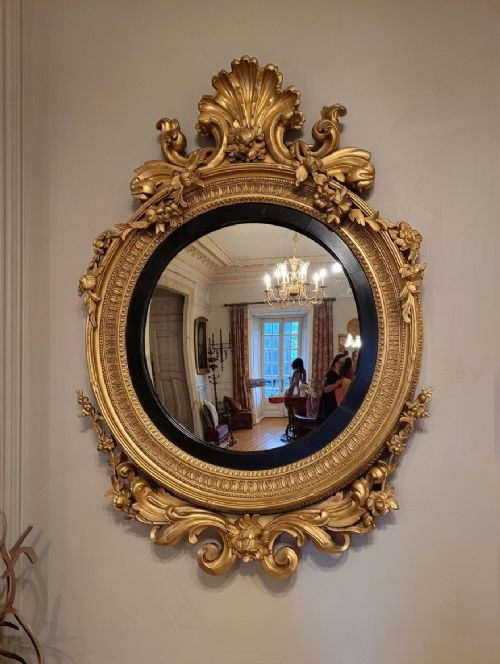
An ornate gold oval mirror brings immediate warmth and classical proportion to a room, catching the light in a way few other wall pieces manage.
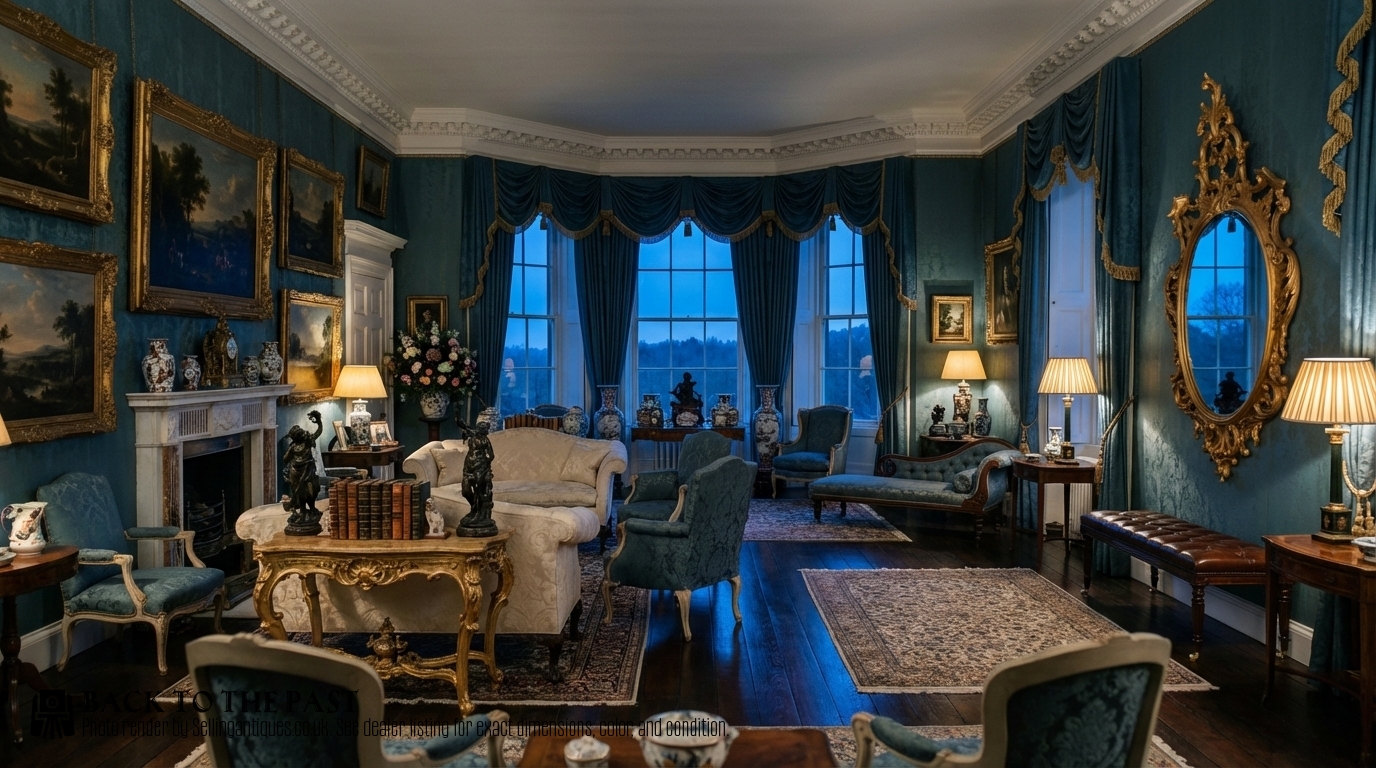
Ornate Gold Oval Mirror
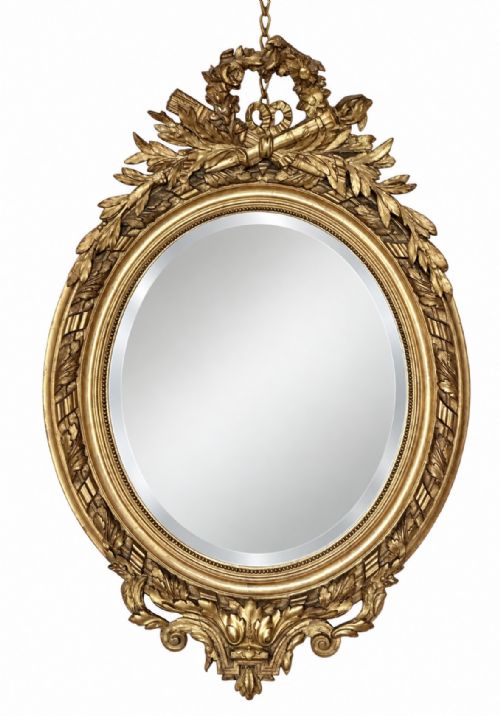
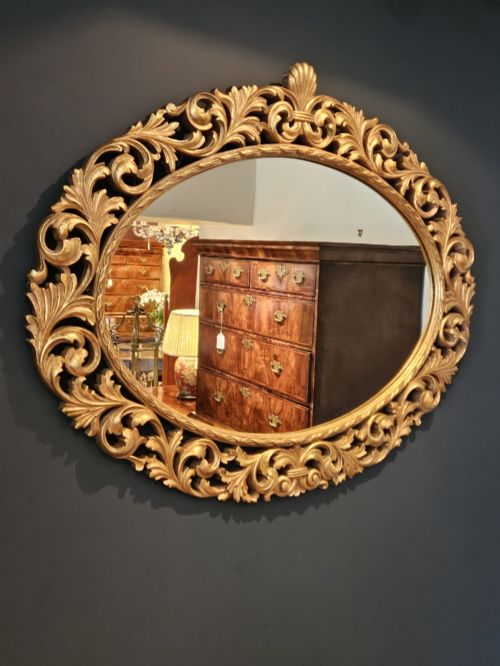
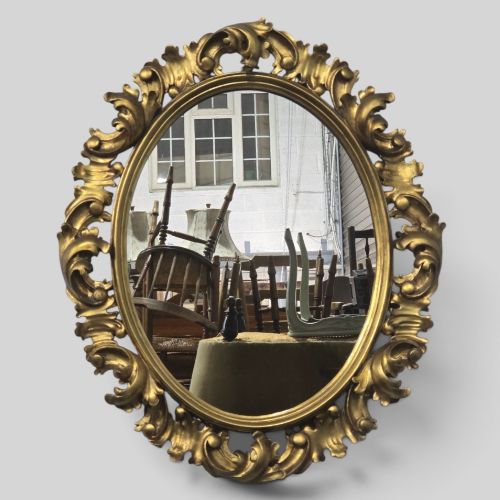
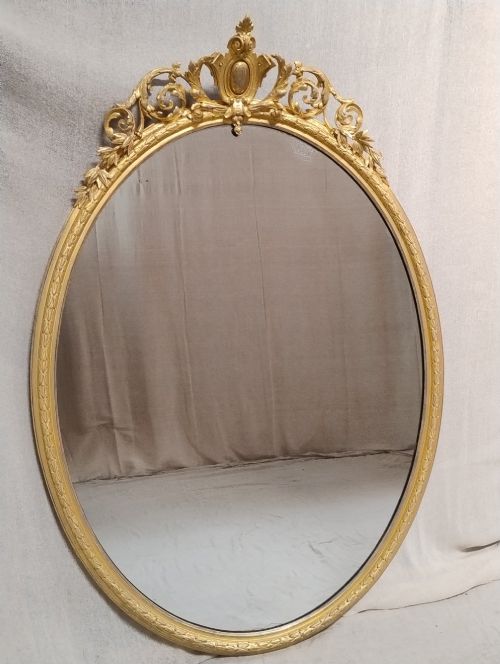
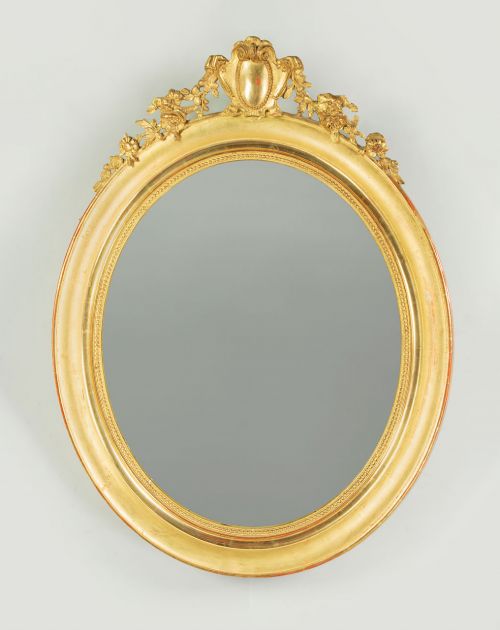
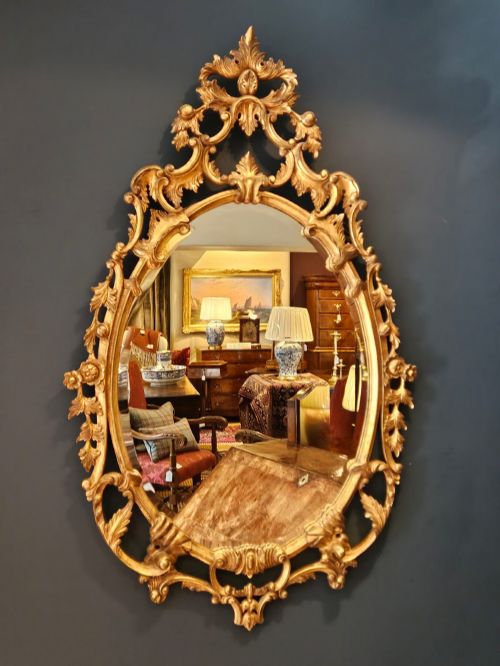
An ornate gold oval mirror draws the eye through its curved frame and decorative surface, functioning as both a practical looking glass and a central decorative focus. When searching for an ornate gold oval mirror, buyers encounter numerous nineteenth-century examples alongside Georgian and early twentieth-century pieces.
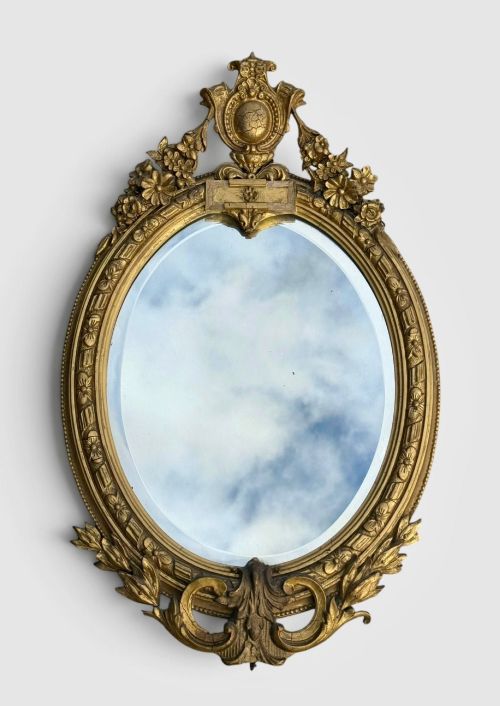
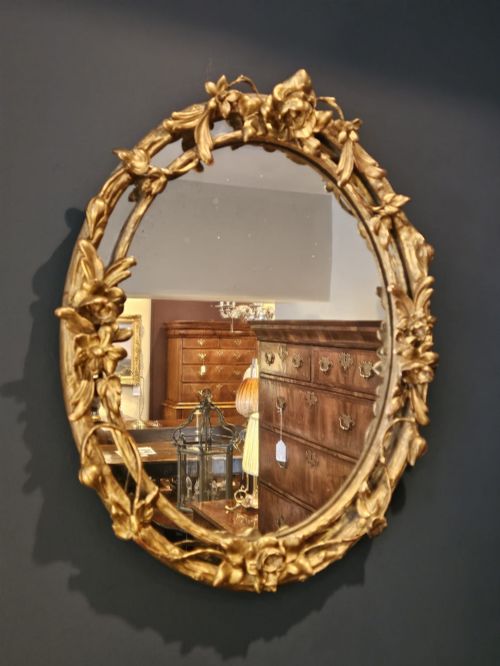
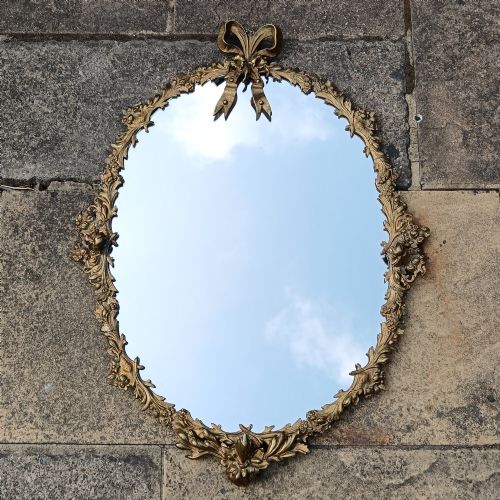
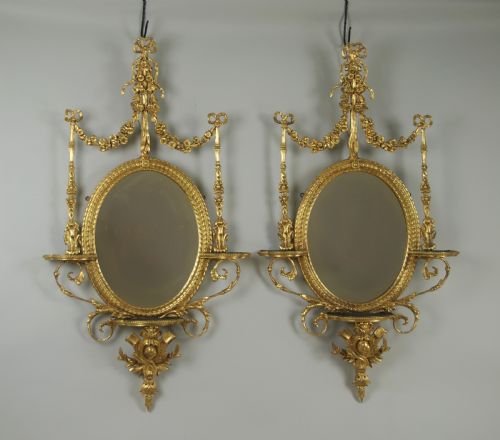
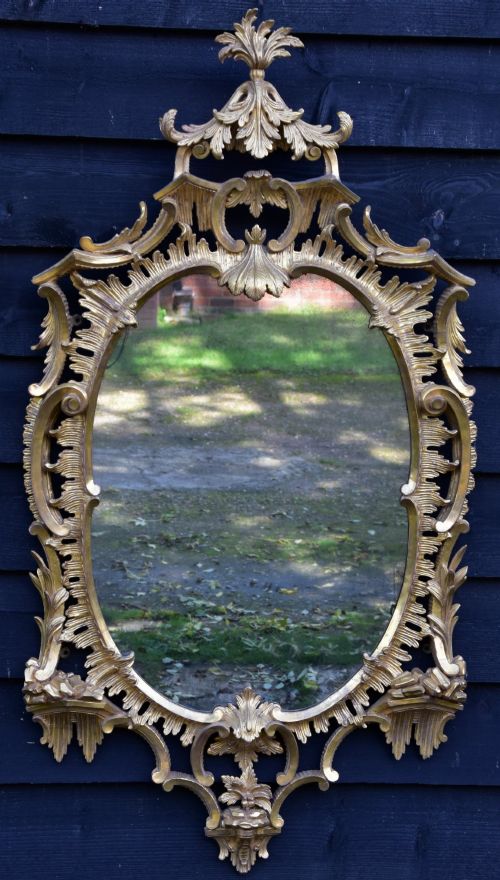
The selections span distinct revival styles, from Rococo and Louis XVI to Victorian interpretations and Adam designs. These pieces manifest primarily as wall mirrors, pier mirrors, and dressing mirrors, often featuring elaborate crests or carved vine details.
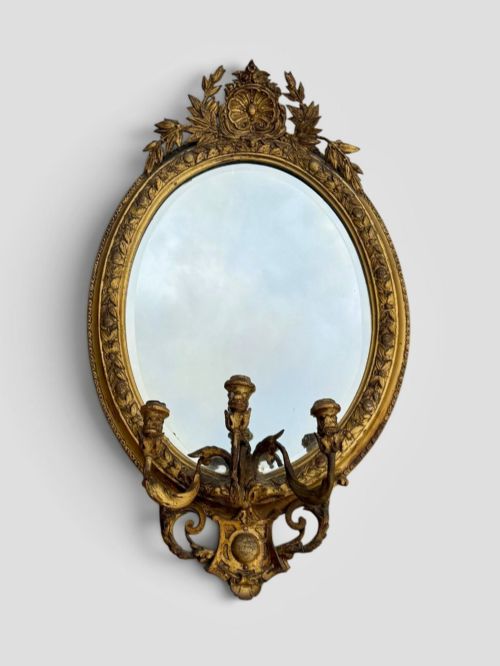
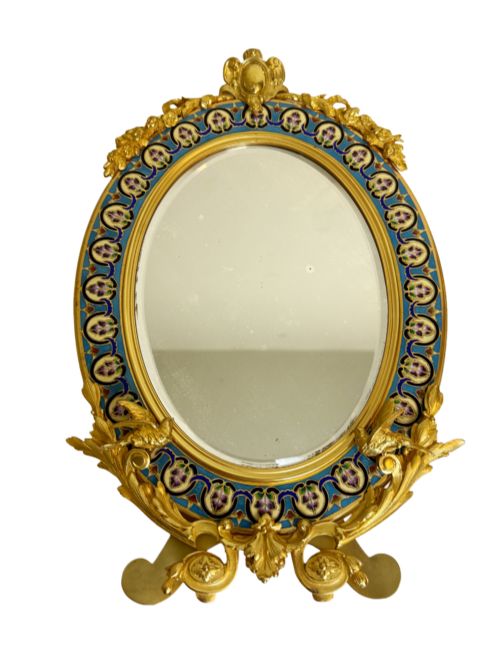
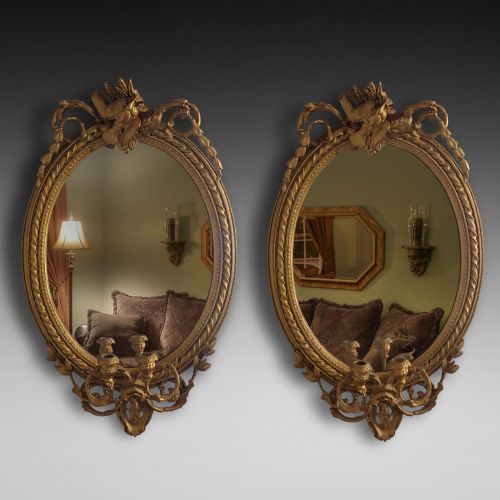
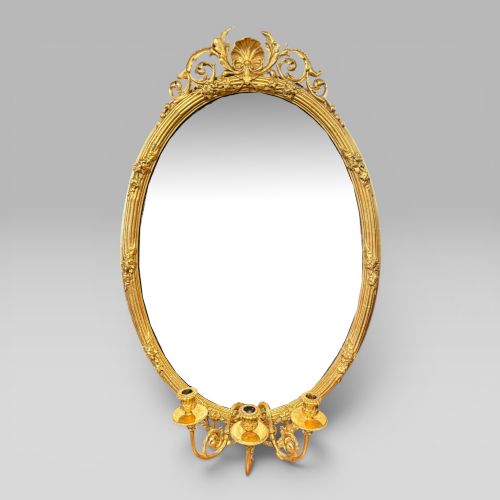
Origin plays a strong role, with French chateau designs and English Georgian pieces appearing frequently alongside Italian and domestic Victorian works. Tabletop mirrors and girandoles with candle branches also feature within the selection.
Materials and construction
Carved timber and giltwood form the structural foundation of these pieces, providing a sturdy base for intricate ornamentation. Artisans applied gesso and gold leaf over wood to create a luminous, reflective surface that catches the ambient room light.
Composition material also appears on moulded decorative elements, allowing for deep relief work such as ribbons, bows, and floral scrolls. Gilt bronze and champleve elements emerge on specific dressing table mirrors and French wall pieces.
Glass plates, including mercury plate in older examples, fit snugly within the rebated wooden frames. Joinery and backing boards typically reflect the period of manufacture, utilising traditional hand-cut timber fixings.
Ornate Gold Oval Mirror Retail Price Guide 2026
Typical asking prices for ornate gold oval mirror among the pieces listed under this phrase on Sellingantiques today, from the lower quarter to the upper quarter. They describe what is for sale here now, not the wider market.
Listings span the Georgian, Regency, and Victorian periods, extending into early twentieth-century revivals.
Evaluating craftsmanship and condition
The depth and crispness of the carving separate standard mouldings from superior hand-carved giltwood and gesso frames. Relief work that retains sharp edges and fine undercut details demonstrates a higher level of artisan skill during production.
The application and preservation of the gold leaf or gilding dictate the visual impact of the piece. Intact burnished surfaces with natural ageing differ significantly from later overpainting or heavy re-gilding that obscures the original texture.
The quality of the mirror glass itself influences the character, with original bevelled plates or mercury glass showing authentic foxing and depth that mass-produced replacements lack.
The Ornate Gold Oval Mirror Glossary
- Giltwood
- Wood that has been coated with gold leaf or a gold-coloured metallic finish. This surface treatment gives the frames their characteristic warm metallic glow.
- Gesso
- A plaster-like mixture applied to wood frames to create a smooth surface for gilding or to build up low-relief ornamentation. It allows artisans to carve intricate decorative motifs before applying gold leaf.
- Girandole
- A decorative wall mirror that incorporates one or more candle branches attached to the frame. These branches reflect candle flame to increase illumination in a room.
- Mercury Plate
- An older type of mirror glass manufactured using a tin and mercury amalgam before the modern chemical silvering process was invented. It often displays characteristic mottled dark spots known as foxing.
- Pier Mirror
- A tall mirror designed specifically to be hung on the pier, the section of wall situated between two windows. They frequently feature elongated oval or rectangular formats.
Ornate Gold Oval Mirror: Frequently Asked Questions
Where should I hang an oval wall mirror?
These mirrors work effectively above a mantelpiece, in a hallway, or positioned over a dressing table where the curved frame softens straight architectural lines.
Ensure the wall fixings match the weight of the timber and gesso frame to support the piece securely.
How do I identify a Georgian mirror?
Georgian pieces typically display restrained classical proportions, precise carved woodwork, and often employ mahogany or pine beneath the gilt surface.
Construction details on the reverse, such as hand-cut timbers and old fixings, help confirm the eighteenth-century origin.
Can I use a girandole mirror safely?
Girandole mirrors include attached candle brackets intended for low-flame illumination, though modern owners frequently use them unlit for decorative effect.
Take care when dusting the delicate arms and brass or gilt bronze fittings to preserve the original joints.