



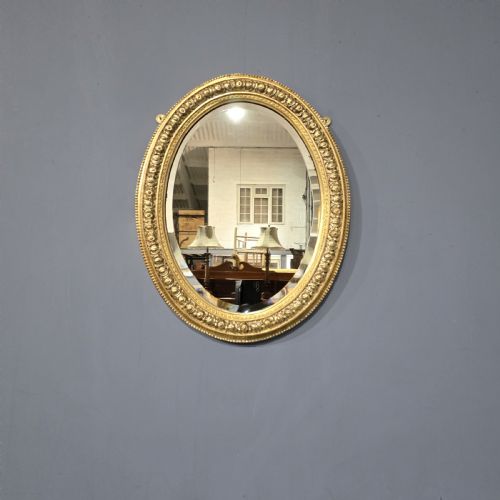


Ornate Gold Hallway Mirror
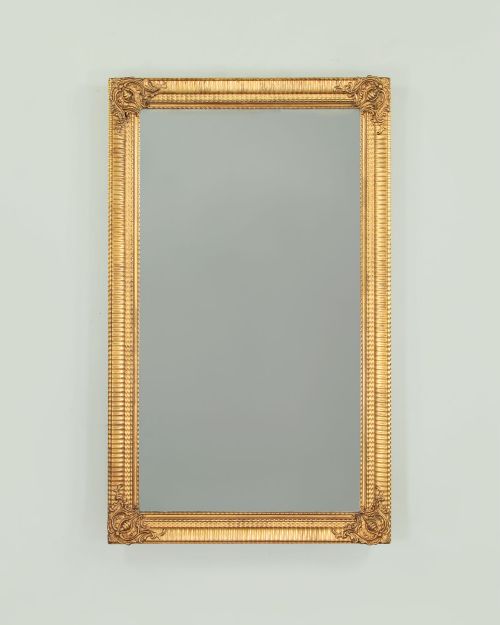
An ornate gold hallway mirror brings immediate light and a sense of architectural depth to a narrow entrance space.
Ornate Gold Hallway Mirror
An ornate gold hallway mirror is designed to anchor an entrance hall, offering both reflective practicality and strong decorative presence. The pieces listed here span the nineteenth century and the early twentieth century, showing periods from Victorian and Edwardian reigns alongside George II and French Rococo styles.
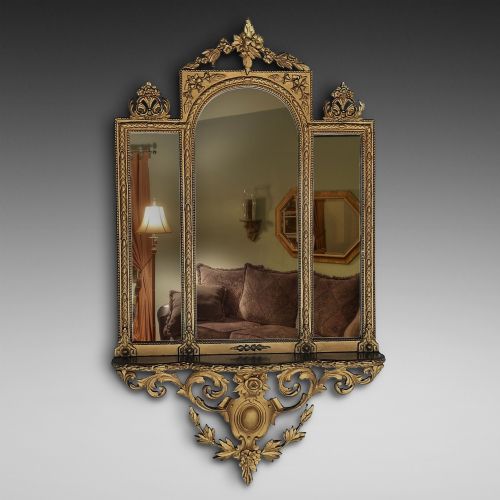
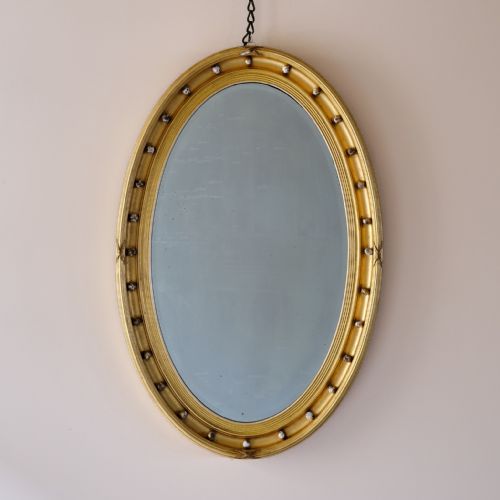
Most examples you encounter take the form of wall mirrors or console table and mirror sets, often shaped as grand overmantles or substantial pier mirrors. Materials lean heavily into giltwood, gesso, and gold leaf, complemented by wood and composition substrates.
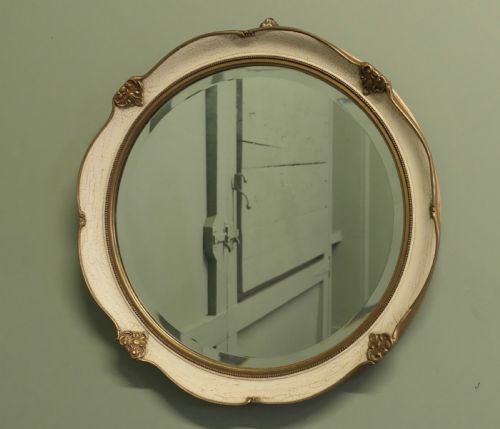
Origins include English workshops and continental makers, ranging from Italian giltwood designs to French round Art Deco and French Chateau forms. Buyers seek these mirrors to create an instant focal point that sets the tone for a period interior.
How they were made
Makers built these frames using seasoned wood or carved gilt-wood, applying intricate ornamentation through moulded composition or layered gesso. Artisans then applied gold leaf to these prepared surfaces, burnishing the metal to achieve a deep, catching lustre.
Cast iron also appears in specific sculptural frames, such as works from Coalbrookdale. Mirror glass is set within these heavy frames, often following oval, rectangular, shield, or round geometries that demanded precise glass-cutting and bevelling skills.
Listings feature 19th Century, Victorian, Edwardian, and 1930s periods, using materials like giltwood, gesso, cast iron, and marble.
What varies in quality
Quality rests upon the depth and crispness of the carved detail in the wood and gesso rather than simple surface brightness. Hand-carved giltwood displays fluid undulations in its Rococo scrolls and acanthus leaves, whereas lesser pieces rely on uniform composition pressings that lack sharpness.
The integrity of the original gilding and the preservation of the underlying plate determine the visual weight of the mirror. Superior examples maintain the interplay between matte and burnished gold leaf, which catches daylight differently from flat modern metallic paints.
The Ornate Gold Hallway Mirror Glossary
- Giltwood
- Wood that has been coated with gold leaf or gold paint. This technique provides the primary reflective warmth seen across Victorian and Edwardian frames.
- Gesso
- A plaster-like mixture applied to wood frames to create a smooth base for carving or gilding. Artisans can model this material into elaborate relief scrolls before applying gold leaf.
- Pier mirror
- A tall mirror designed to hang on the wall between two windows, often placed above a matching console table. These pieces maximise interior light in narrow architectural spaces.
- Composition
- A moulded mixture of whiting, resin, glue, and linseed oil pressed into shape for ornamentation. It allowed makers to produce intricate decorative motifs more quickly than hand carving.
- Overmantle mirror
- A wide mirror designed to sit directly above a fireplace mantelpiece. Their generous scale frequently translates well to large hallway spaces.
Ornate Gold Hallway Mirror: Frequently Asked Questions
How do I hang a heavy antique mirror?
Heavy giltwood and cast iron mirrors require secure fixing directly into masonry or through substantial wall studs using rated brackets.
Professional mirror hangers utilise French cleats or heavy-duty D-rings screwed into the wooden frame rather than relying on old hanging wire.
How do I clean an old mirror plate?
Clean the glass gently using a soft microfibre cloth and a mild, ammonia-free glass cleaner sprayed onto the cloth rather than the mirror.
Avoid letting moisture seep behind the silvering at the edges, which can cause dark foxing and deterioration over time.
How do I tell Victorian from Edwardian mirrors?
Victorian mirrors tend towards heavy, exuberant Rococo Revival carving, deep gesso mouldings, and dark gilt finishes that project authority.
Edwardian examples often display lighter, more restrained proportions, sometimes incorporating French styles with brighter cream and gold palettes.
What is a pier mirror used for?
A pier mirror was traditionally hung on the solid wall space between two windows to reflect natural light deeper into a room.
In modern hallways, they serve a similar purpose of illuminating dark corners while providing a vertical anchor above console tables.