

Ornate Gold Framed Mirror
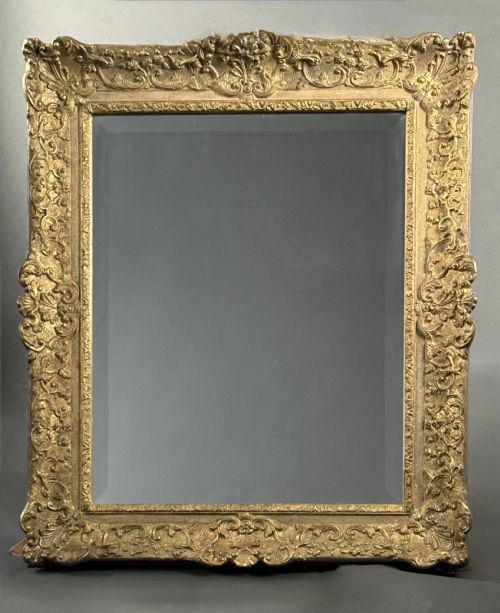
An ornate gold framed mirror brings reflective depth and carved detail into a room, drawing the eye with gilt surfaces and period forms.
Ornate Gold Framed Mirror
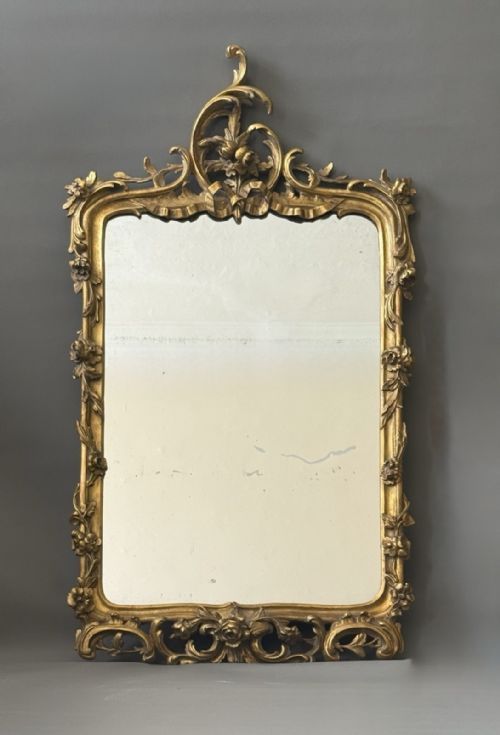
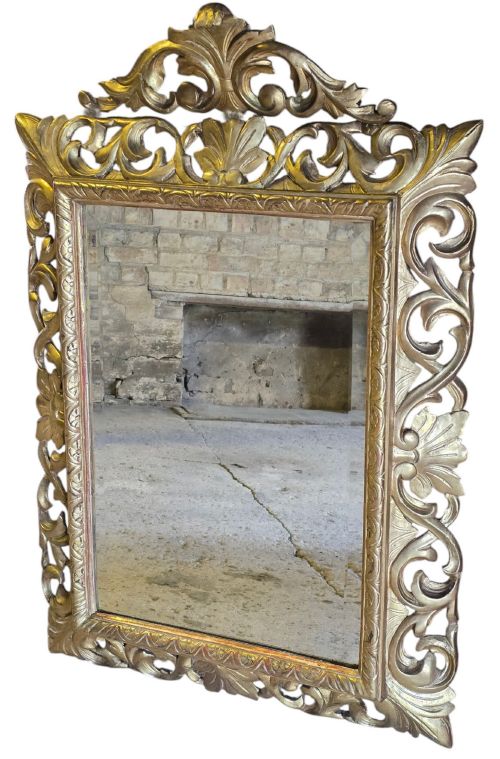
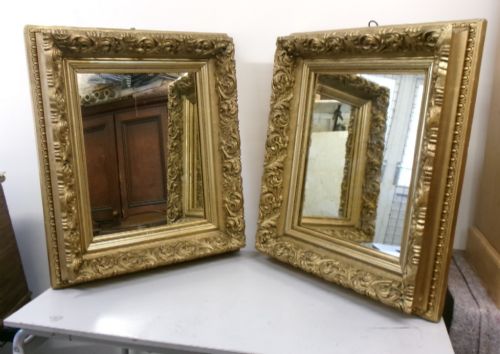
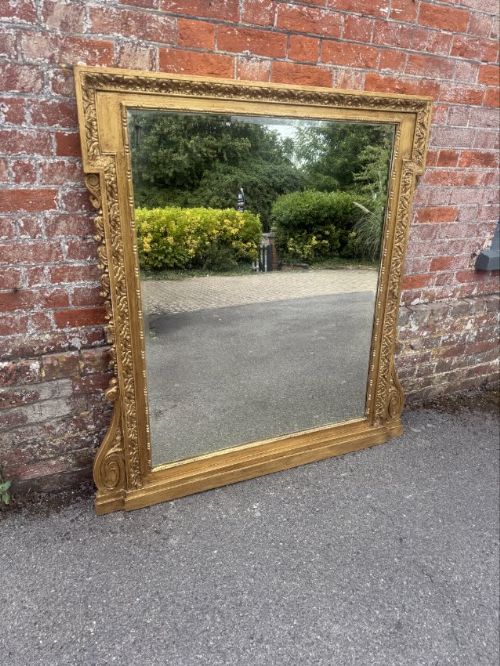
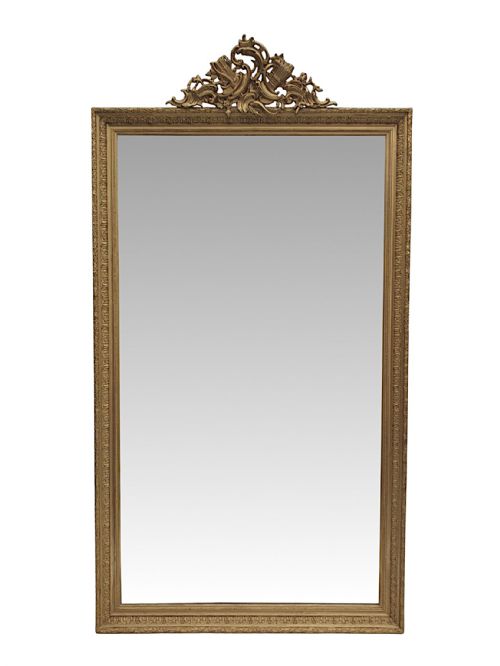
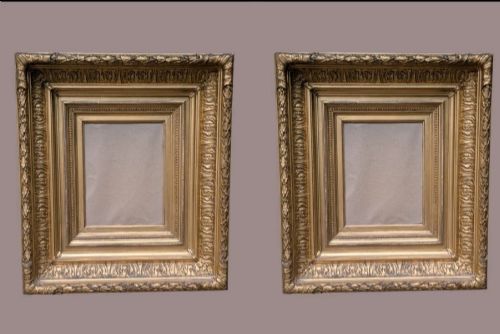
An ornate gold framed mirror is a decorative looking glass housed in a heavily embellished border of carved timber, gesso, or giltwood. The selection spans centuries of design, with particular strength in nineteenth-century interpretations of French and Italian styles.
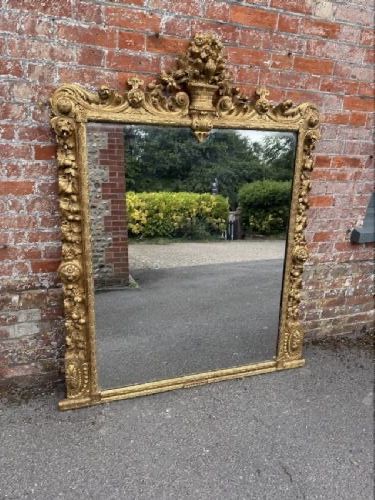
Buyers encounter a variety of forms including large overmantel mirrors designed for chimney breasts, smaller wall mirrors, and grand pier glasses meant for placement between windows. Many examples follow Rococo or Florentine traditions, showing intricate scrolling foliage and asymmetrical motifs.
Origins stretch across English, French, and Italian workshops, capturing the aesthetic tastes of the Victorian era, the Belle Époque, and earlier eighteenth-century revivals. Pieces range from intimate table mirrors to imposing floor-length dressing glasses.
How they were made
Makers built the foundational structures from timber such as wood, carving intricate patterns directly into the grain or applying moulded composition and gesso relief layers to achieve deep sculptural detail.
Gilding was applied using gold leaf or liquid gold preparations over prepared grounds, creating luminous metallic surfaces that caught candlelight and natural illumination.
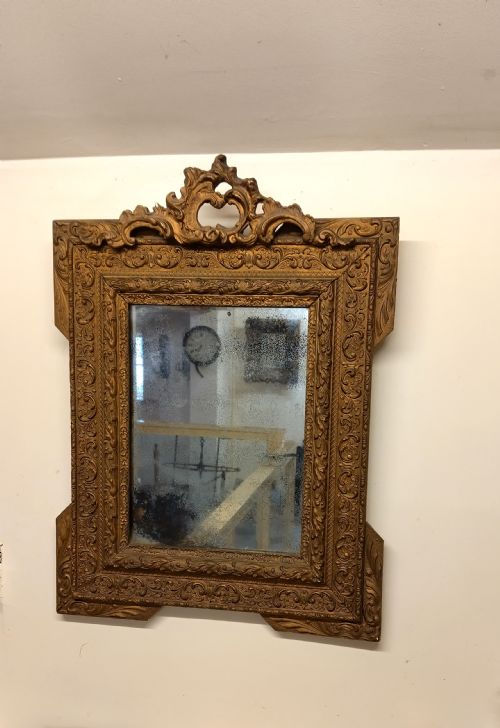
Reflective surfaces consist of glass plates, sometimes retaining antique characteristics such as mercury backing or foxed patination, secured within heavy frames designed to support their substantial weight.
Ornate Gold Framed Mirror Retail Price Guide 2026
Typical asking prices for ornate gold framed mirror among the pieces listed under this phrase on Sellingantiques today, from the lower quarter to the upper quarter. They describe what is for sale here now, not the wider market.
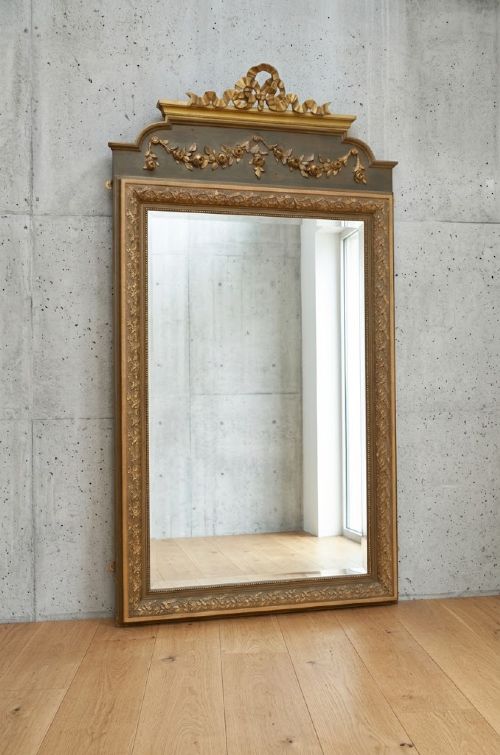
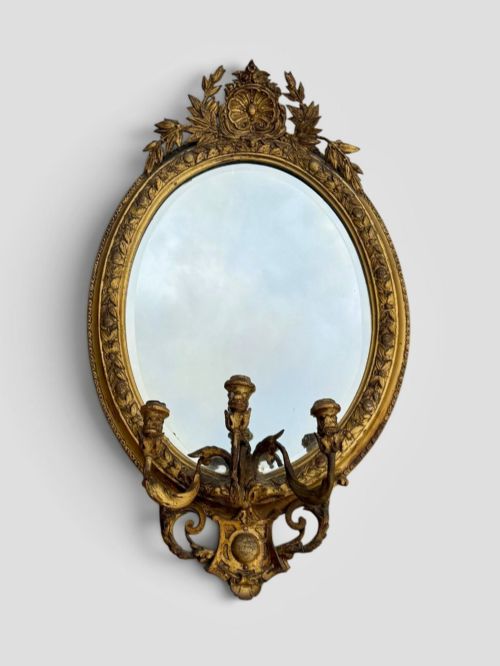
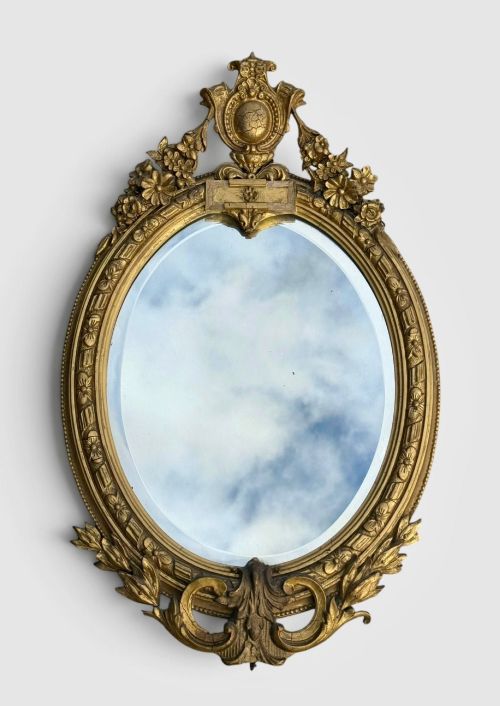
Some frames incorporate hidden ribbon crests and delicate rose vines carved directly into the timber.
What varies in quality
The depth and crispness of the carved ornament dictate the sculptural success of the frame, distinguishing hand-carved woodwork from mass-produced composition mouldings.
The integrity of the original gilding and the condition of the gesso ground determine how well the reflective border retains its historic character and luminosity.
The presence of period glass plates, whether original mercury mirrors or engraved antique glass, adds significantly to the authenticity and visual weight of the piece.
The Ornate Gold Framed Mirror Glossary
- Giltwood
- Timber that has been coated with gold leaf or a metallic finish. This material forms the primary structure of many high-status antique frames.
- Gesso
- A plaster-like mixture applied to wood frames to create a smooth surface for carving and gilding. It allows for intricate relief ornamentation.
- Overmantel mirror
- A large horizontal looking glass specifically designed to hang above a fireplace mantelpiece. These pieces often anchor the decorative scheme of a formal room.
- Pier glass
- A tall mirror designed to fit on the narrow wall space between two windows. They reflect additional light into darker interior spaces.
- Foxed glass
- Mirror plate displaying age-related spots, tarnishing, or degradation of the reflective backing. This creates a mottled, atmospheric appearance valued by collectors.
Ornate Gold Framed Mirror: Frequently Asked Questions
Where should I hang an overmantel mirror?
These large mirrors traditionally sit directly above a fireplace mantel, anchoring the visual weight of the hearth within the room. Their generous scale also suits placement above large sideboards or low console tables in reception spaces.
Ensure the wall construction and fixings can safely support the considerable weight of heavy wood and gesso frames before mounting.
What is a pier glass?
A pier glass is a tall, narrow mirror historically positioned on the solid wall section between two windows. This placement maximises natural light reflection and balances the fenestration of formal nineteenth-century interiors.
Due to their specific proportions, they work well in hallways or narrow spaces where standard horizontal mirrors do not fit.
How do I identify a Rococo Revival frame?
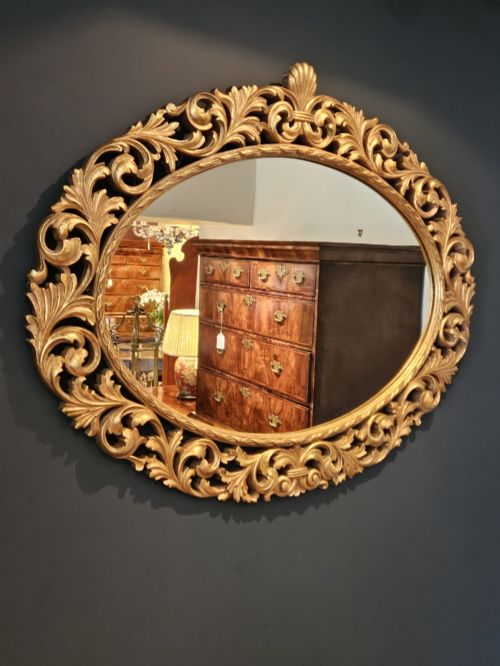
Rococo Revival frames feature asymmetrical scrolling, C-scrolls, floral motifs, and naturalistic elements like vine leaves or organic shell shapes. The style draws inspiration from eighteenth-century French design but gained widespread popularity during the Victorian era.
The carving tends to be deep and flowing, often incorporating crests or pierced work at the top and bottom.
What does foxed glass mean?
Foxed glass refers to mirror plates that have developed dark spots, mottling, or cloudy patches as the metallic backing degrades over time. This natural ageing process alters the clarity of the reflection.
Many collectors appreciate foxed glass for the soft, historic atmosphere it brings to antique interiors.