

Ornate Gilt Wall Glass
An ornate gilt wall glass brings architectural depth and reflective warmth to a room, drawing the eye through rich carving and gilded surfaces.
Ornate Gilt Wall Glass
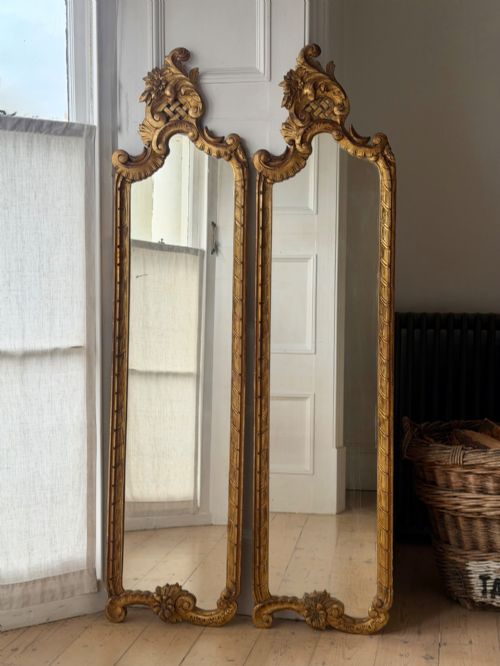
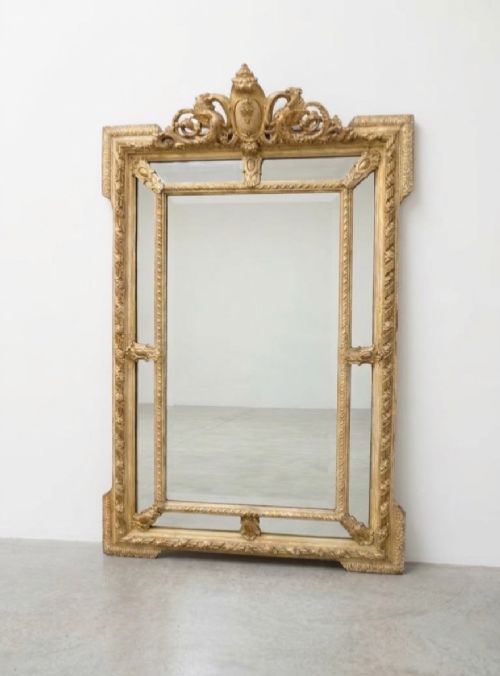
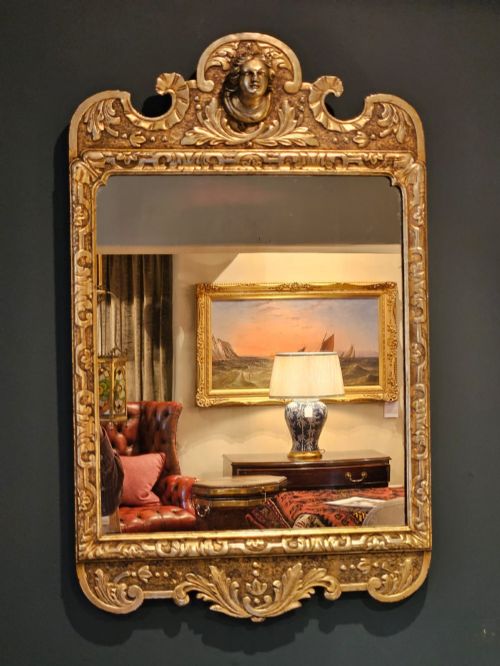
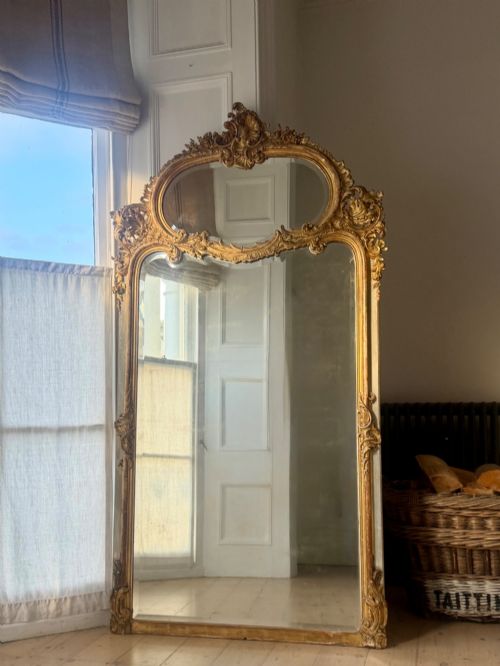
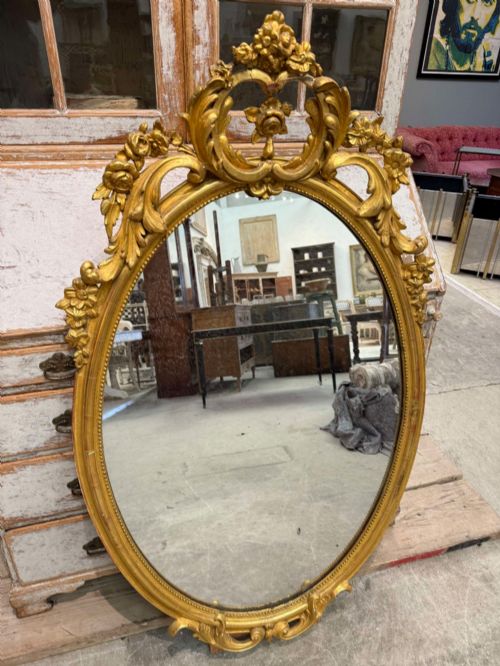
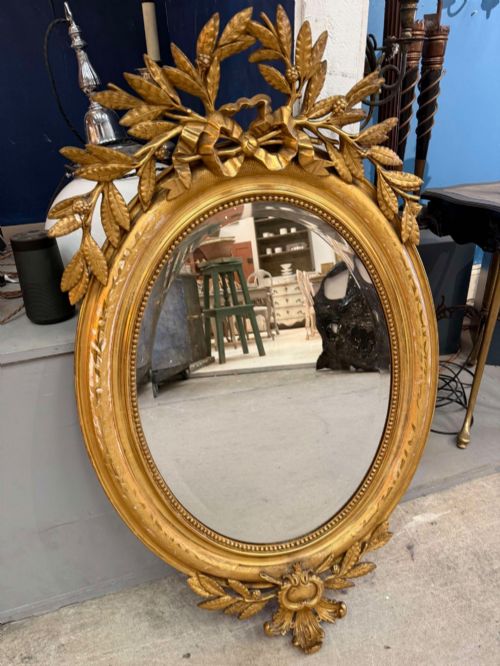
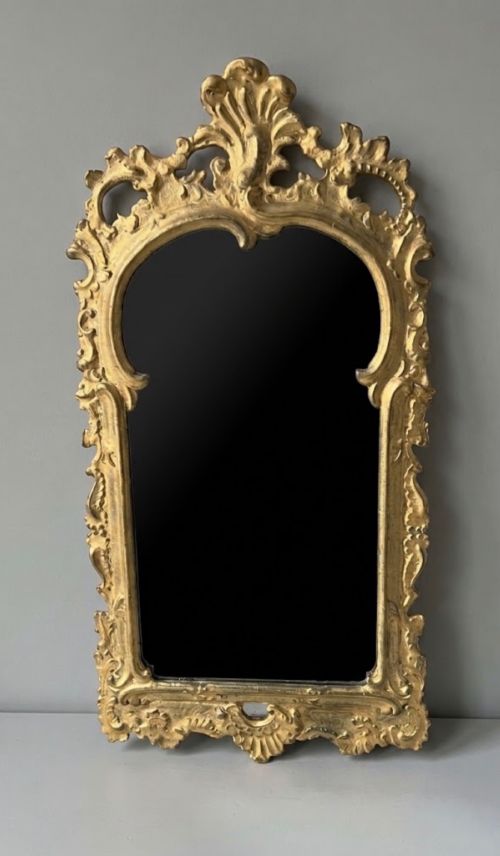
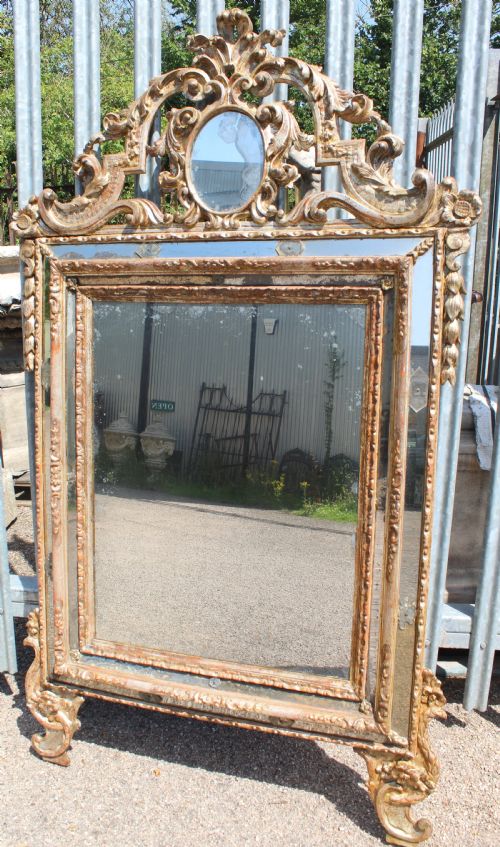
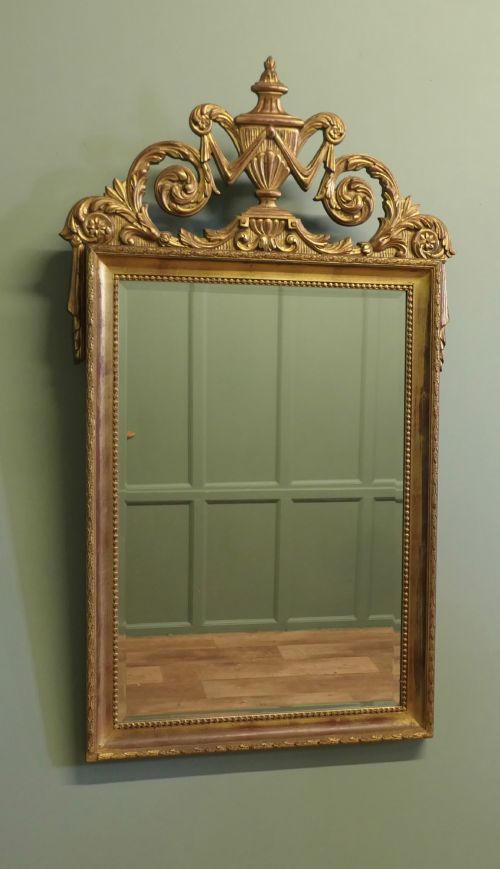
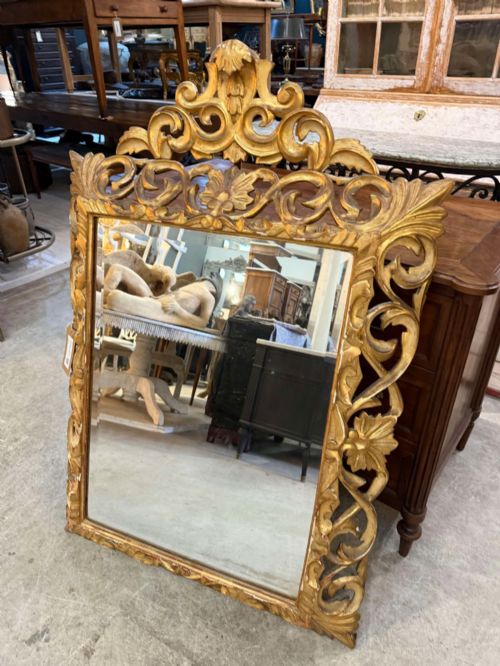
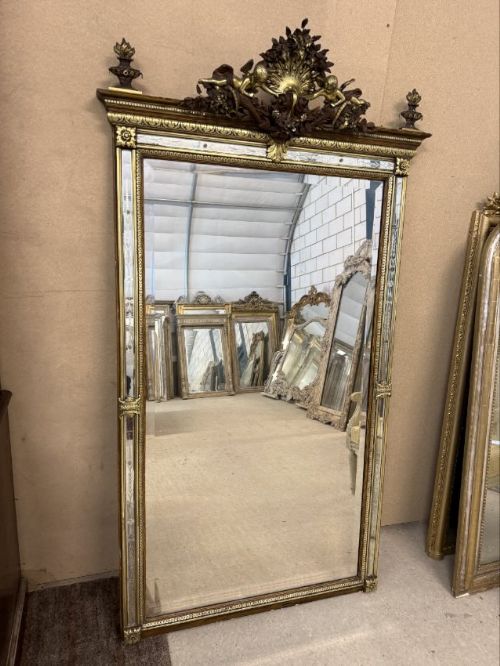
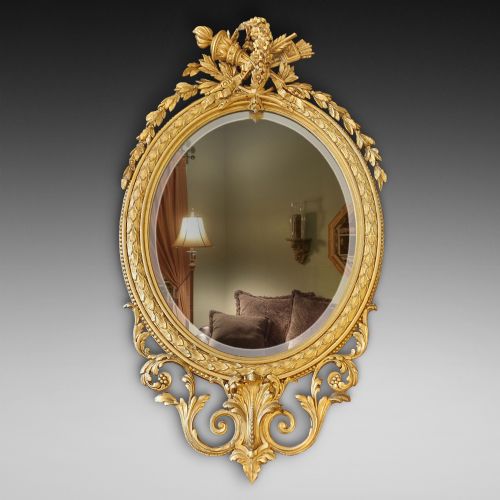
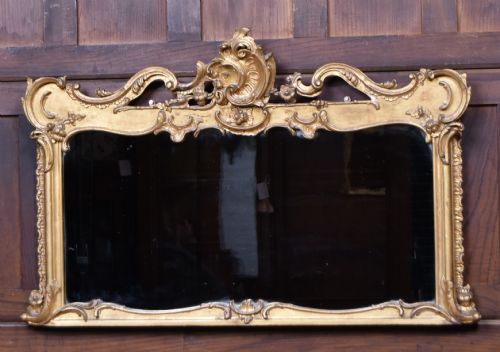
When hunting for an ornate gilt wall glass, you encounter pieces spanning from the eighteenth century through the Edwardian era, with nineteenth-century French and Victorian examples appearing most frequently. These items take several primary forms, including large overmantel mirrors designed to sit above a fireplace, pier glasses hung between windows, and smaller oval or rectangular wall mirrors. Styles lean heavily towards Rococo Revival and French chateau aesthetics, often incorporating elaborate crests, foliate scrolls, and architectural pediments.
Many of these mirrors display regional characteristics, such as the distinctive carved wood and gesso frames of English workshops or the flowing, asymmetric lines favoured by French makers. Console table and mirror sets also appear, offering a coordinated scheme intended for grand reception rooms. The glass itself varies from early mercury plates to later bevel-cut panels and etched surfaces, each contributing a distinct visual texture.
Materials and construction methods
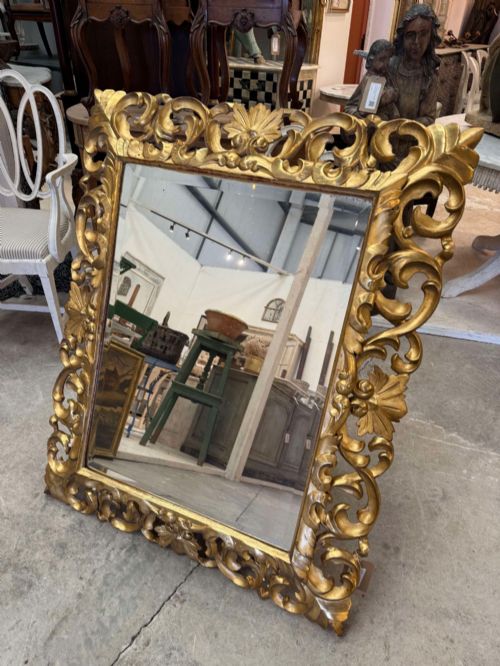
The construction of these mirrors relies on traditional cabinet-making and carving techniques applied to wood such as pine, walnut, or oak. Artisans built up intricate surface ornament using gesso - a mixture of chalk and binder - applied over the timber base and carved into detailed scrolls and masks before gilding.
Giltwood frames received layers of gold leaf applied over bole, whilst composition ornament - moulded paste pressed into shape - was frequently utilised for repetitive decorative motifs. The mirror plates were secured into the back of the frames, sometimes utilising original timber backing boards and holding silvered or mercury glass plates.
Ornate Gilt Wall Glass Retail Price Guide 2026
Typical asking prices for ornate gilt wall glass among the pieces listed under this phrase on Sellingantiques today, from the lower quarter to the upper quarter. They describe what is for sale here now, not the wider market.
Listings feature eighteenth-century walnut items alongside nineteenth-century French giltwood pieces and Edwardian Rococo Revival frames.
Judging quality and craftsmanship
The distinction between ordinary and exceptional pieces rests upon the crispness of the hand-carved detail within the wood and gesso, rather than moulded composition alone. Superior examples retain their original gilding with subtle variations in tone, whereas lesser pieces may show unsympathetic later paint or heavy-handed modern regilding that obscures the underlying work.
The integrity of the mirror plate also influences the standing of the piece, with original bevel-cut glass or period mercury plates showing desirable signs of age without compromising the reflection. Furthermore, the structural joinery of the frame corners and the complexity of the crest or pediment reveal the skill of the original workshop.
The Ornate Gilt Wall Glass Glossary
- Gesso
- A plaster-like preparation applied to wood frames to provide a smooth surface for carving and gilding. This mixture allows artisans to create sharp, intricate relief patterns.
- Overmantel mirror
- A large horizontal mirror specifically scaled to hang above a fireplace mantelpiece. These pieces often anchor the decorative scheme of a principal reception room.
- Pier glass
- A tall, narrow mirror designed to be hung on the strip of wall between two windows. They frequently match console tables placed directly beneath them.
- Mercury glass
- An early type of mirror plate produced by pouring a mercury and tin amalgam behind glass. It produces a characteristic mottled appearance and a deep, dark reflection.
- Margin mirror
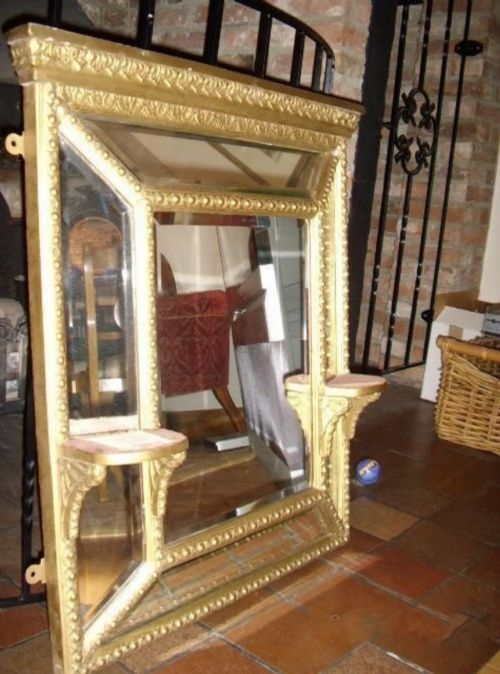
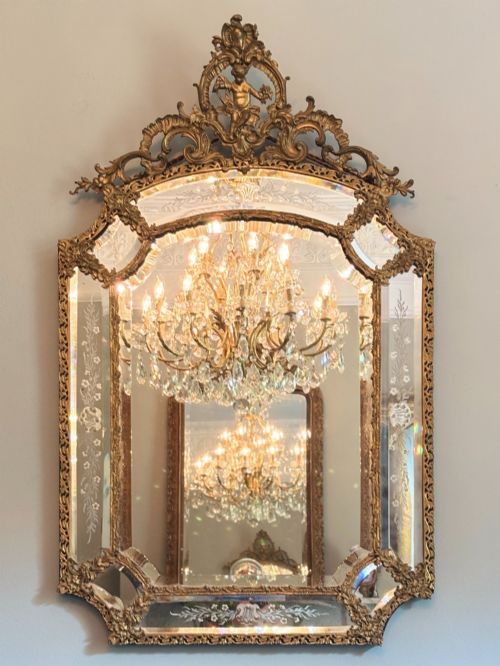
- A mirror featuring a central plate surrounded by smaller, angled border panes. These narrow outer panels refract light at different angles.
Ornate Gilt Wall Glass: Frequently Asked Questions
How do I hang a heavy overmantel mirror?
Heavy carved wood and gesso frames require secure wall fixings distributed evenly across the primary timber structure of the frame. Professional installation using wall anchors suited to the specific masonry or studwork is essential for safety.
Ensuring the weight rests upon sturdy brackets rather than hanging wires alone protects the antique joinery from undue stress and prevents accidental displacement.
Can I clean the antique glass plate?
Cleaning requires a soft microfibre cloth and a gentle, neutral glass cleaner applied sparingly to the cloth rather than directly onto the glass surface. Avoid harsh chemical sprays that might seep behind the plate and damage the silvering or foil.
Particular care is necessary around foxed or mercury glass, where the reflective backing has deteriorated naturally over time, as aggressive wiping can remove the historic finish entirely.
How do I distinguish Rococo Revival from Neoclassical styles?
Rococo Revival frames are characterised by asymmetrical scrolls, C-scrolls, shell motifs, and abundant naturalistic foliage. The lines curve organically without strict symmetry.
In contrast, Neoclassical frames rely on geometric balance, straight architectural lines, urns, and classical motifs such as Greek masks or beading, reflecting a return to ancient proportions.
Should original foxed glass be replaced?
Original glass showing foxing, clouding, or minor spotting is generally preserved by collectors as evidence of age and authenticity. Replacing the plate with modern, flawless glass removes part of the historic character of the piece.
Unless the degradation completely obscures the reflection to the point of rendering the mirror useless, retaining the original plate maintains the integrity of the antique.