

Ornate Gilt Picture
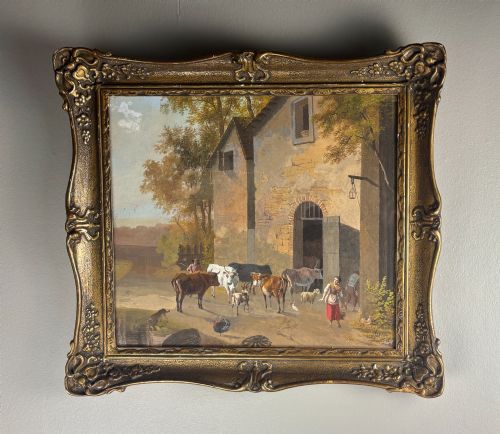
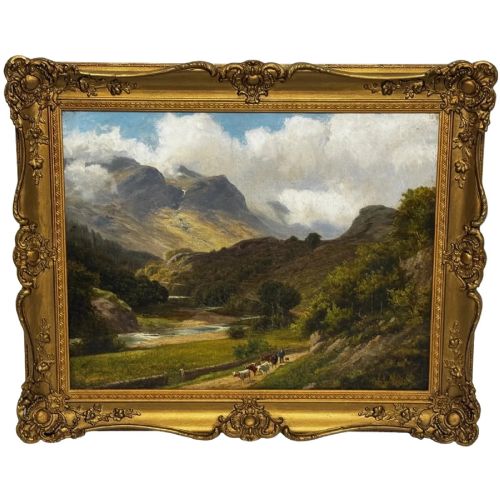
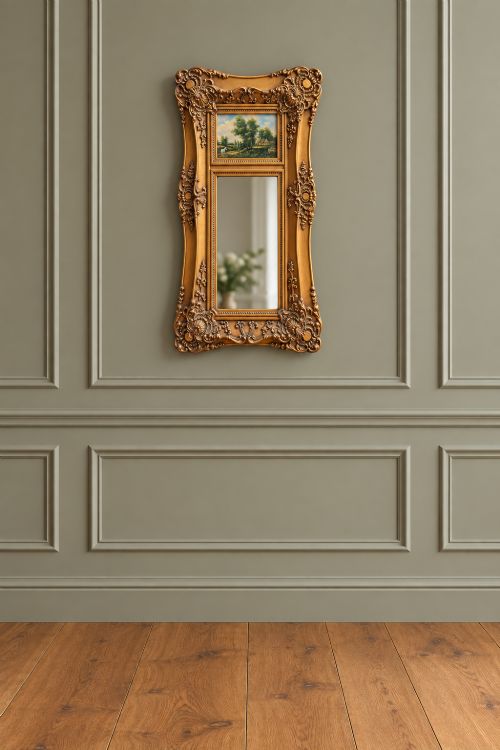
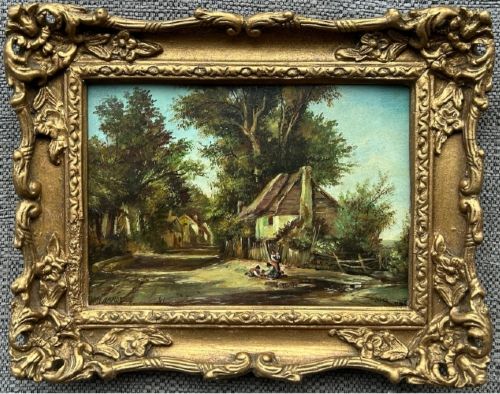
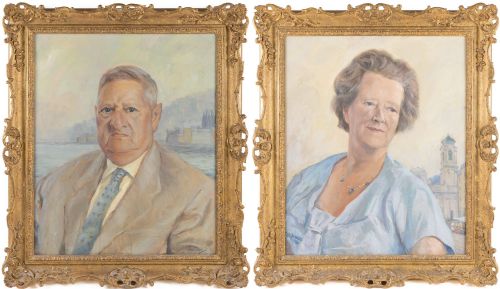
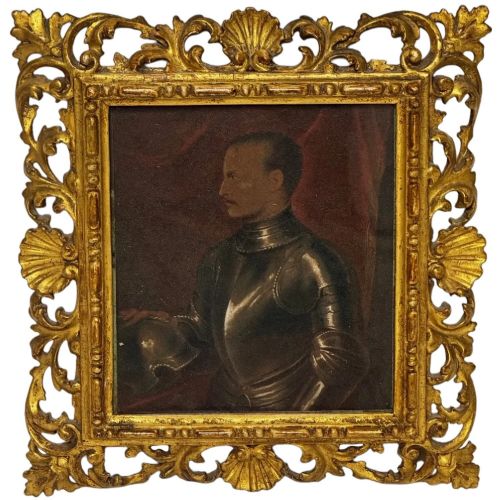
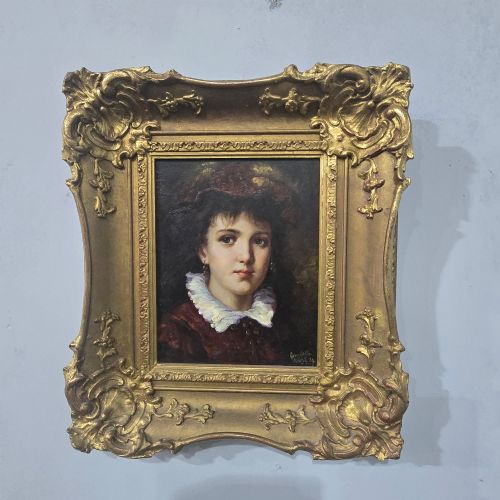
An ornate gilt picture brings together historic artwork and reflective metallic frames designed to catch the ambient light in a room.
Ornate Gilt Picture
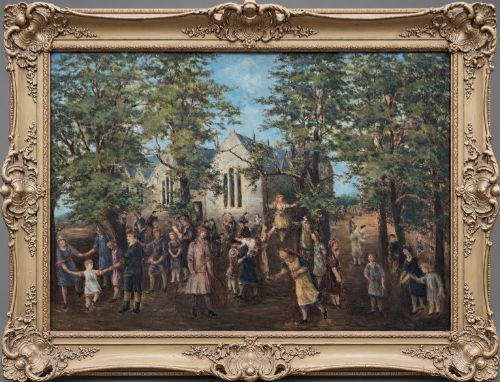
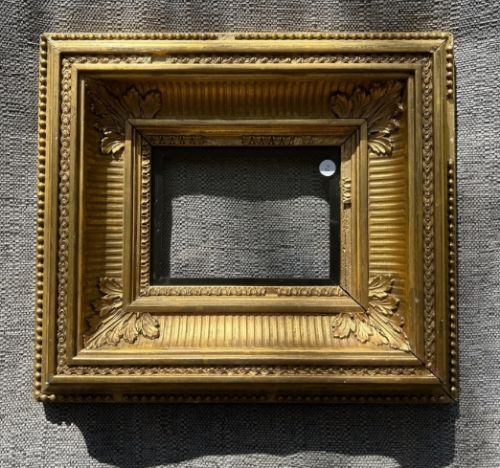
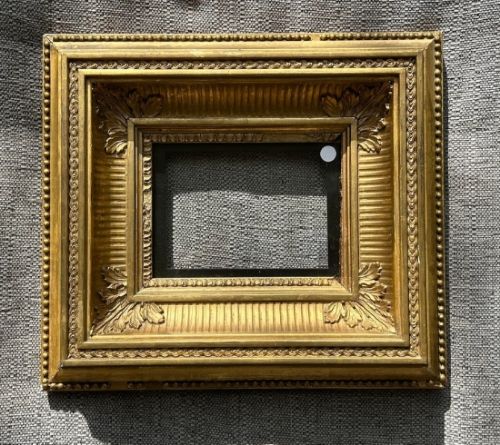
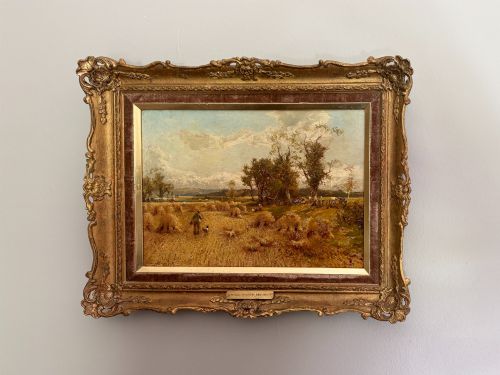
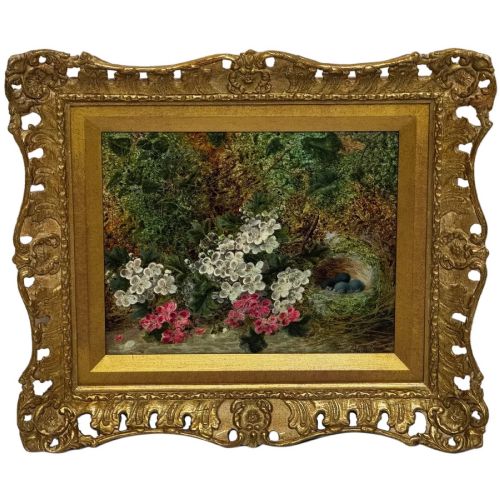
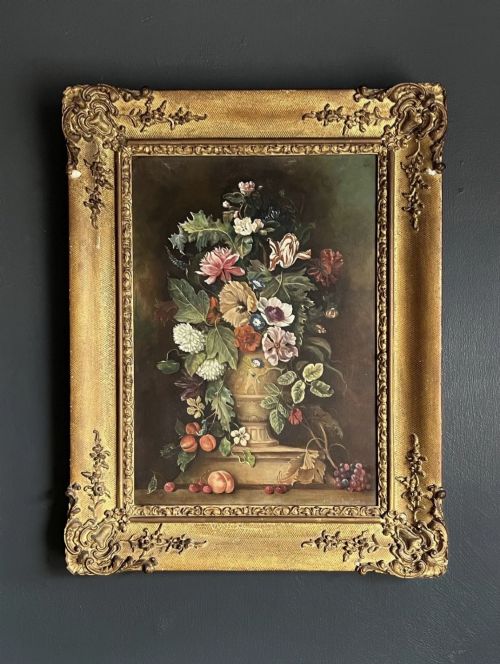
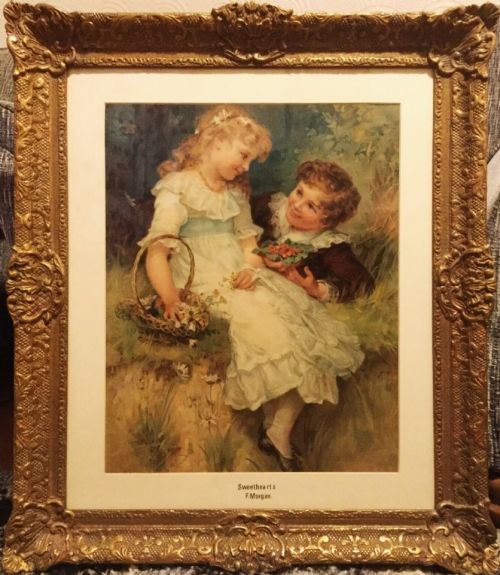
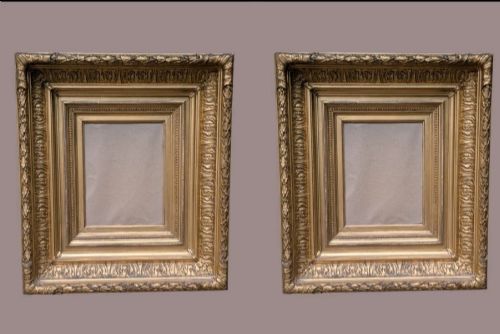
When searching for an ornate gilt picture, a buyer encounters a diverse selection of framed artworks, prints, and empty decorative frames spanning the nineteenth century into the twentieth century. The primary forms include oil paintings on canvas or panel, pastel portraits, and detailed picture frames styled in the Rococo revival and Victorian taste.
Most examples originate from British and European studios, featuring subjects such as landscape scenes, still life studies of flowers and game, and interior genre portraits. The frames themselves range from deep timber mouldings to intricate cast bronze and gesso compositions designed to house period artwork.
Materials and construction
The physical construction of these items relies heavily on timber substrates built from wood or carved gesso applied to a wooden base. Artisans built up surface decoration using layers of gesso to form relief ornament before applying gold leaf or liquid gilt finishes.
Artworks housed within these housings utilise traditional media such as oil on canvas, oil on board, and watercolours. Metal elements also appear in the form of gilt bronze and champleve housings, combining cast metalwork with decorative enamel trims.
Materials recorded across these listings include gesso, wood, gold leaf, oil on canvas, giltwood, glass, and canvas.
Distinctions in quality
The standard of an ornate gilt picture depends on the depth and crispness of the modelling in the gesso relief or carved wooden elements. Hand-carved surfaces and burnished gold leaf display a crispness and warmth that distinguish them from simpler moulded compositions.
The integration between the artwork and its housing also dictates the piece's standing, with original period frames matched to contemporary paintings offering greater cohesion than later assemblies. Artist attribution, signature clarity, and the finesse of the brushwork further separate standard decorative items from fine art examples.
Oliver Clare·John Horace Hooper·David Teniers The Younger·George Rankin·Thomas Kent Pelham
The Ornate Gilt Picture Glossary
- Gesso
- A plaster-based mixture applied to wood frames to create a smooth surface for gilding or to build up low-relief decorative moulding.
- Giltwood
- Timber that has been coated with gold leaf or a gold-coloured metallic finish to simulate solid gold decoration.
- Oleograph
- A mechanical colour lithograph print produced on canvas to imitate the texture and appearance of an oil painting.
- Rebate
- The recessed channel on the inner reverse side of a picture frame designed to hold the canvas, glass, and backing board securely.
- Slip
- A narrow decorative liner, often fabric-covered or gilt, placed inside a larger picture frame to separate the artwork from the outer moulding.
Ornate Gilt Picture: Frequently Asked Questions
How do I date an ornate gilt frame?
Dating relies on examining the construction materials, the style of the gesso ornaments, and the timber used on the reverse of the frame. Victorian and nineteenth-century pieces often feature heavier plaster compositions and hand-beveled wooden joinery.
Later twentieth-century reproductions tend to display uniform synthetic mouldings and brighter, chemically consistent metallic paints rather than aged gold leaf.
Can I replace the art inside an antique frame?
Replacing the contents is possible provided the rebate dimensions match the new canvas or panel. Many collectors acquire empty frames specifically to house compatible period artwork.
Care must be taken when opening older frames, as brittle gesso corners and aged fixings require gentle handling to prevent structural damage.
What is the difference between oil paintings and oleographs?
Oil paintings are original hand-painted works executed with pigmented brushstrokes directly onto canvas, panel, or board. Oleographs are mechanical prints created to replicate the visual texture of an oil painting.
Close inspection under magnification reveals the flat dot pattern of print reproduction rather than the raised impasto of actual brushwork.
How do I care for giltwood and gesso surfaces?
Maintenance requires gentle dusting with a soft, dry brush to prevent particulate accumulation within the intricate crevices of the frame. Moisture and chemical cleaning agents should be avoided entirely to protect the delicate gold leaf and underlying gesso.
Displaying pieces away from direct sunlight and high humidity preserves the stability of both the timber substrate and the metallic finish.