

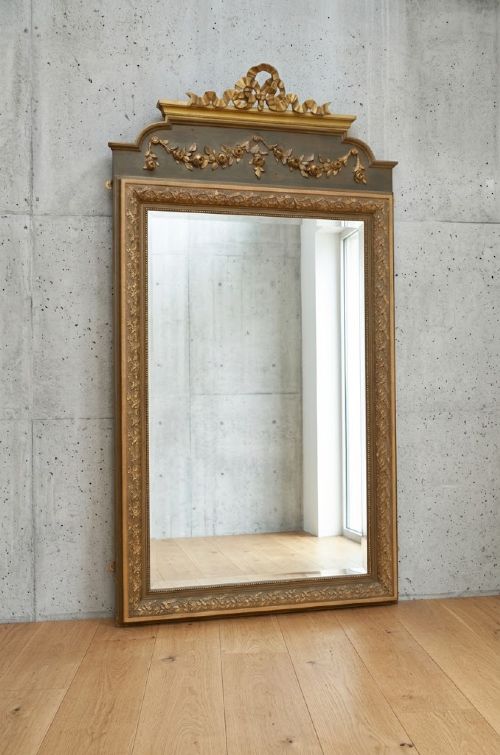
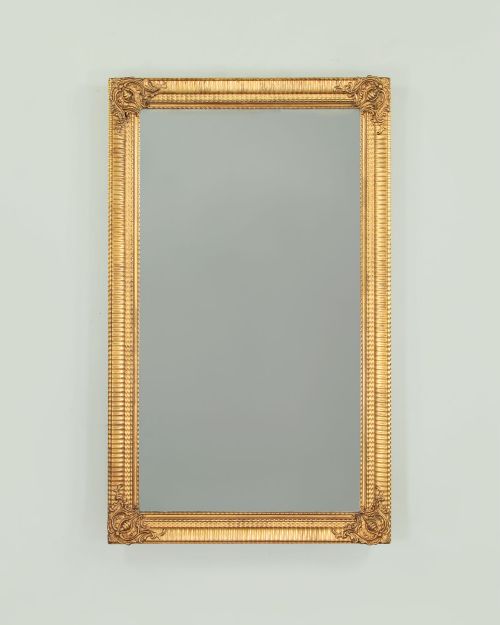
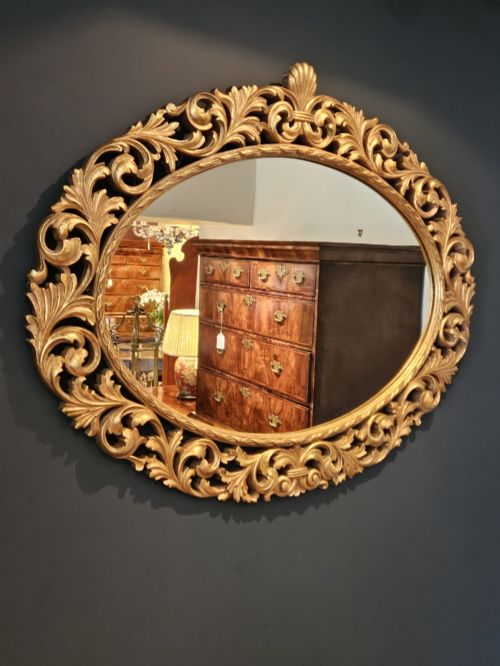
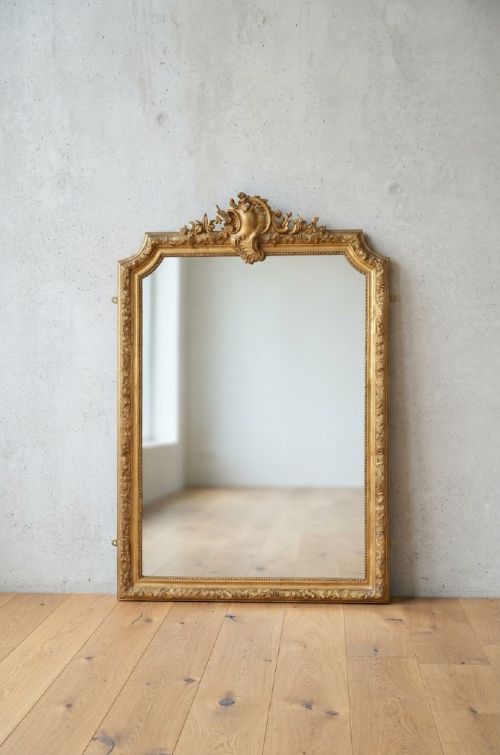
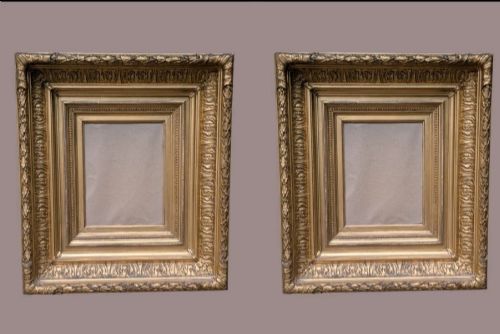
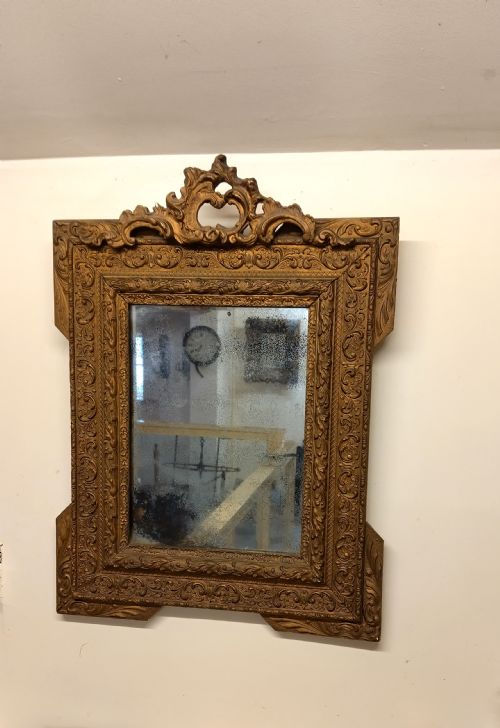
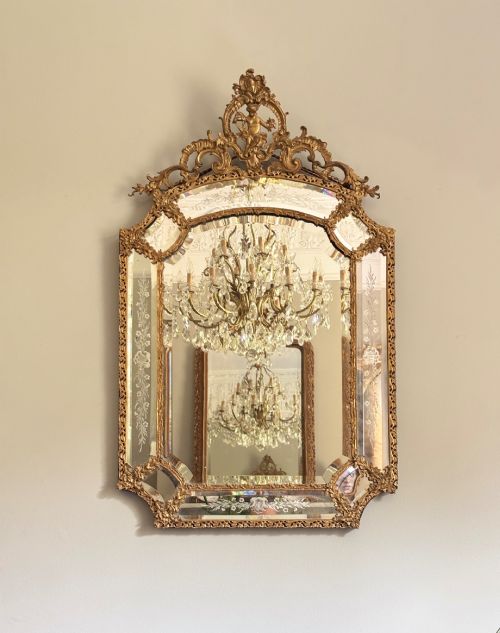
Ornate Gilt Frame Mirror
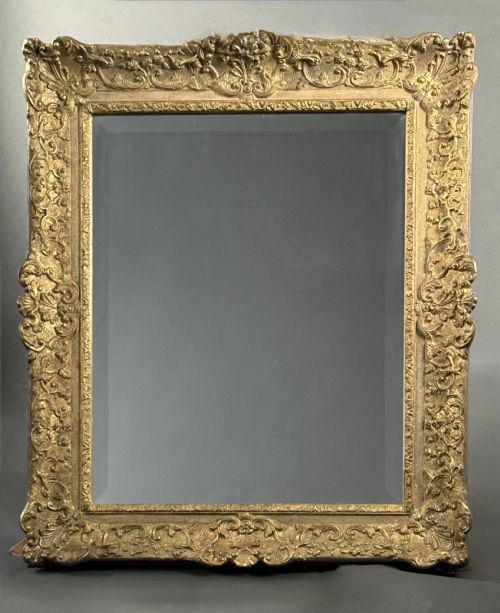
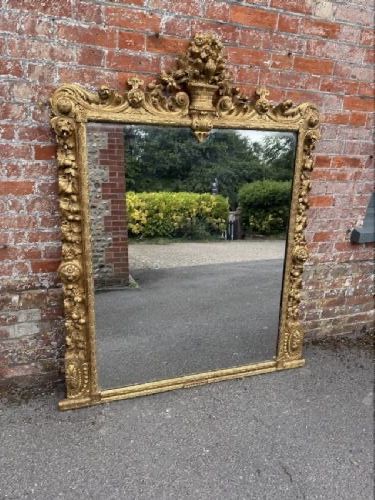
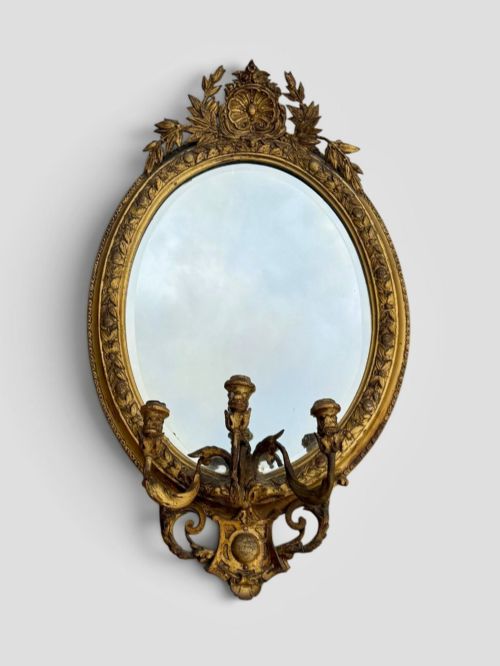
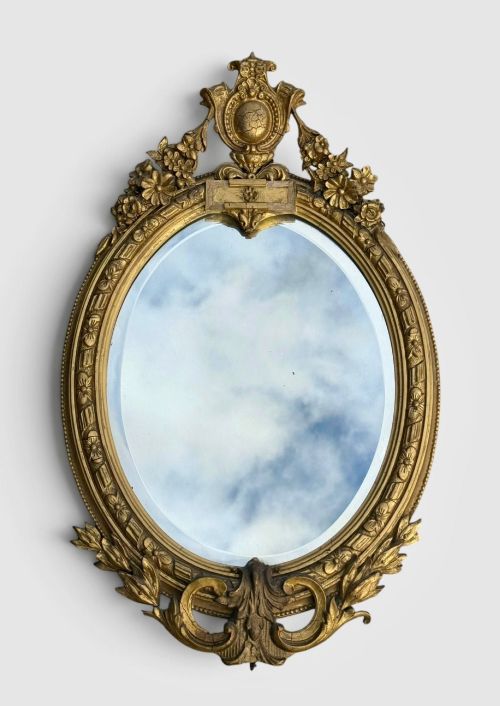
An ornate gilt frame mirror brings reflective depth and sculpted golden presence to a room, spanning grand Victorian overmantels and intimate French wall pieces.
Ornate Gilt Frame Mirror
An ornate gilt frame mirror sits at the intersection of decorative carving and functional reflection, designed to catch light and anchor a room's proportions.
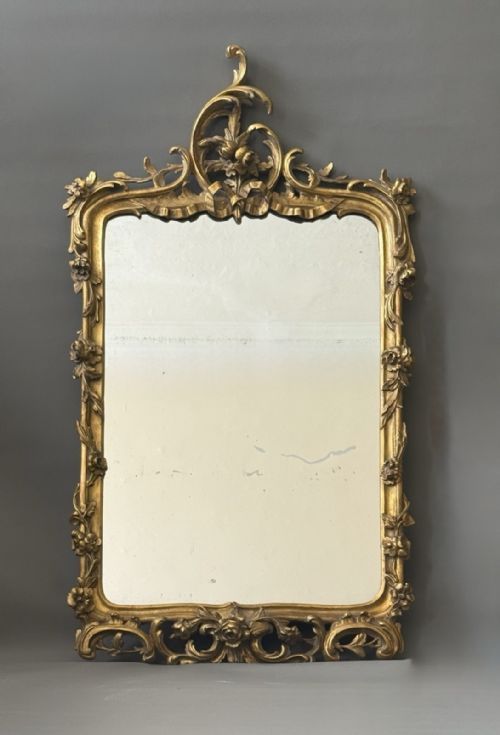
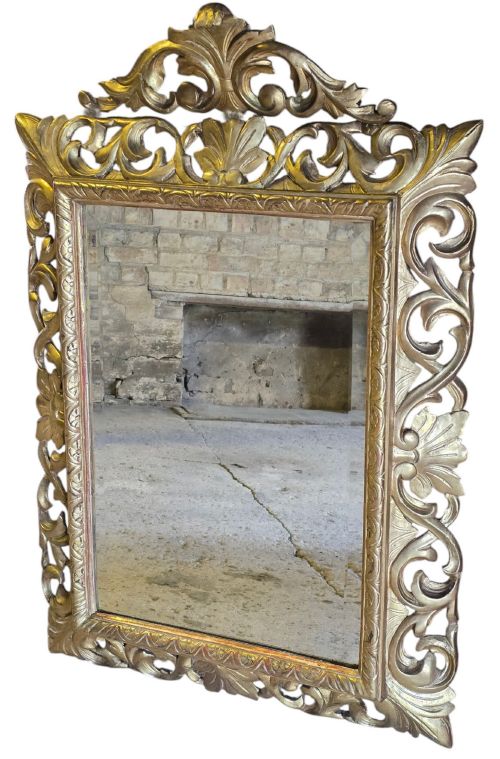
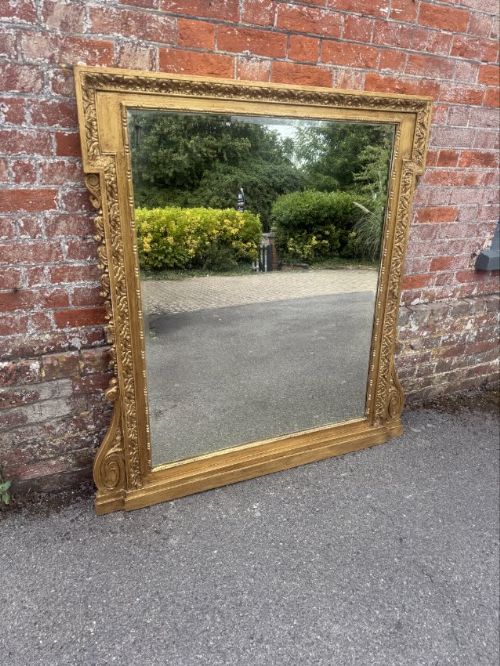
The selections available range widely in scale and regional origin, covering imposing English overmantels, tall French wall glasses, and intricate Italian Florentine carvings.
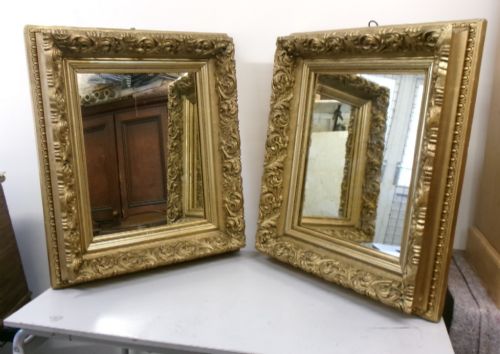
Victorian and Edwardian iterations dominate alongside French Rococo and Louis XVI revival pieces, generally dating from the nineteenth and early twentieth centuries.
How they were made
Makers built the foundational structures from timber, frequently carving the wood directly or applying moulded gesso to create high-relief ornamentation.
Workers then gilded these surfaces using gold leaf or metal leaf applications, sometimes incorporating cast gilt bronze elements on finer French examples.
Reflecting plates varied from antique mirror glass and mercury plates to bevelled and foxed glass panels showing centuries of natural oxidation.
Ornate Gilt Frame Mirror Retail Price Guide 2026
Typical asking prices for ornate gilt frame mirror among the pieces listed under this phrase on Sellingantiques today, from the lower quarter to the upper quarter. They describe what is for sale here now, not the wider market.
Several mirrors carry the quiet proof of centuries past through foxes, spots, and speckled glass that stubbornly refuses to show you a straight truth.
What varies in quality
Depth and crispness of the carving distinguish standard mouldings from superior hand-chiselled woodwork and modelled gesso details.
The integrity of the original gilding defines the visual richness, with intact gold leaf ageing differently than later paint treatments or flaking metal applications.
Substantial timber frames with original backboards and period mirror plates maintain greater structural authenticity than heavily altered examples.
The Ornate Gilt Frame Mirror Glossary
- Giltwood
- Wood that has been coated with a thin layer of gold leaf or powder. This finish produces a warm, reflective metallic sheen across carved details.
- Gesso
- A plaster-like mixture applied to a wooden base and sculpted before gilding. It allows for sharp, intricate ornamental relief work.
- Overmantel Mirror
- A large horizontal mirror designed to hang above a fireplace mantelpiece. These pieces frequently feature arched tops and heavy frames.
- Pier Glass
- A tall mirror specifically sized to hang on the narrow section of wall between two windows. They often coordinate with matching console tables.
- Foxed Glass
- Mirror plate showing dark spots and mottled patches caused by the degradation of the backing over time. This ageing process creates a distinctive speckled reflection.
- Rococo Revival
- A nineteenth-century design style emulating the asymmetric scrolls, C-scrolls, and naturalistic motifs of the eighteenth century. It relies heavily on floral and shell carvings.
Ornate Gilt Frame Mirror: Frequently Asked Questions
Where should I hang an overmantel mirror?
These large horizontal mirrors belong above a fireplace mantelpiece, where they naturally anchor the room and reflect opposing light sources.
Ensure the wall fixings match the substantial weight of the timber and gesso frame before mounting.
How do I identify a Victorian mirror?
Victorian examples often feature deep gesso frames, rose vine motifs, or heavy swept mouldings characteristic of mid to late nineteenth-century British production.
Backboards and screw types help confirm the period of construction alongside traditional joinery methods.
What is an antique mercury plate?
Older mirrors utilised a tin-amalgam backing process that produces a deeper, slightly darker reflection than modern aluminium-backed glass.
This historic technique frequently results in characteristic clouding and subtle distortion across the surface.
How do I care for antique gilding?
Dust the carved surfaces gently with a dry, soft brush to protect fragile gold leaf and delicate gesso details from damage.
Avoid liquid cleaners and moisture entirely, as water causes lifting and deterioration of historic gilding.