
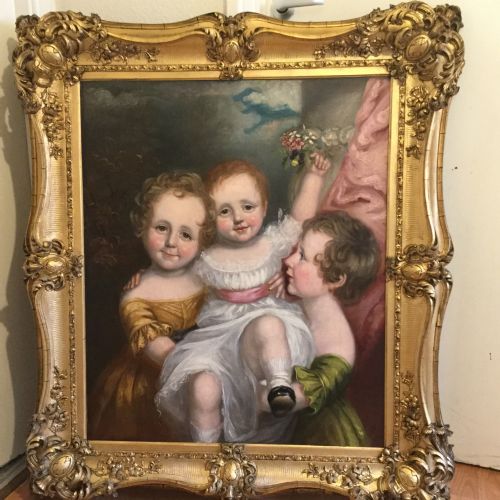
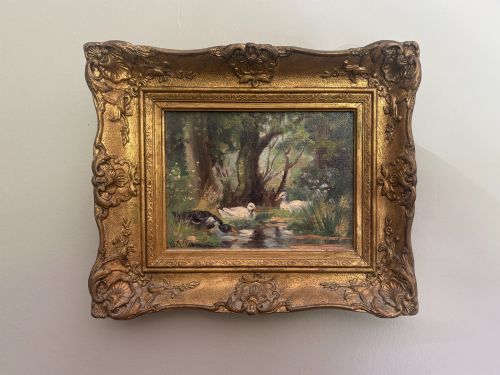
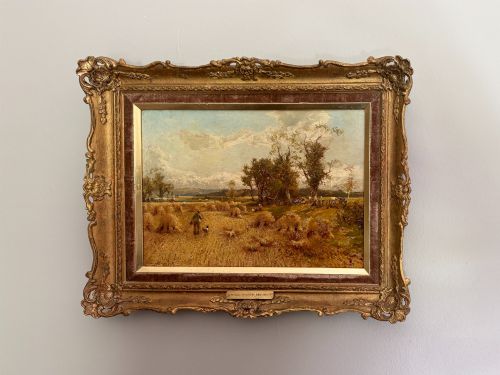
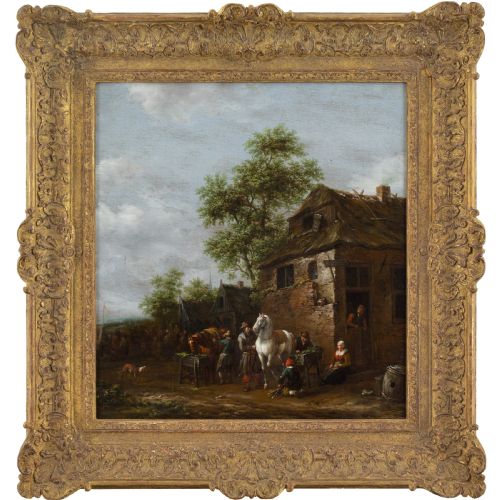
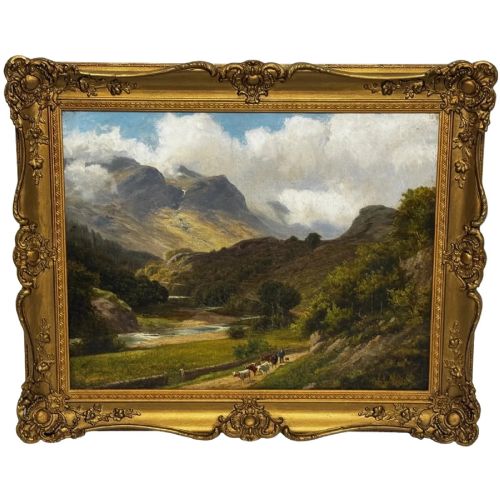
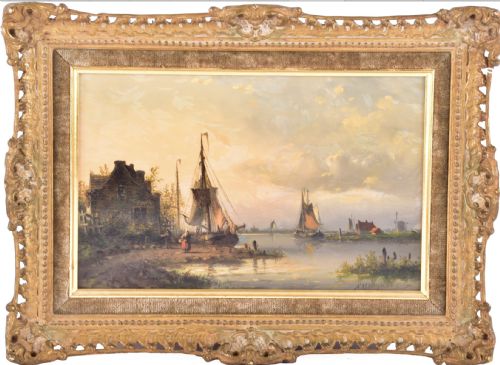
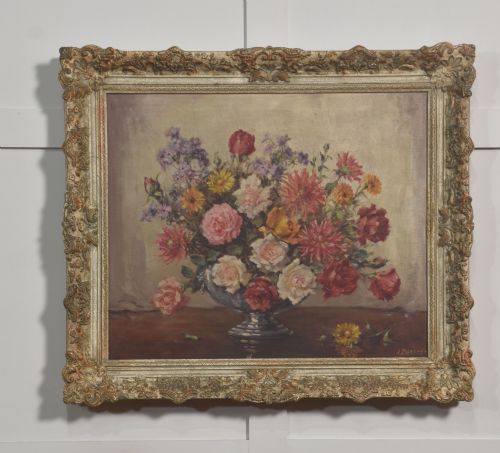
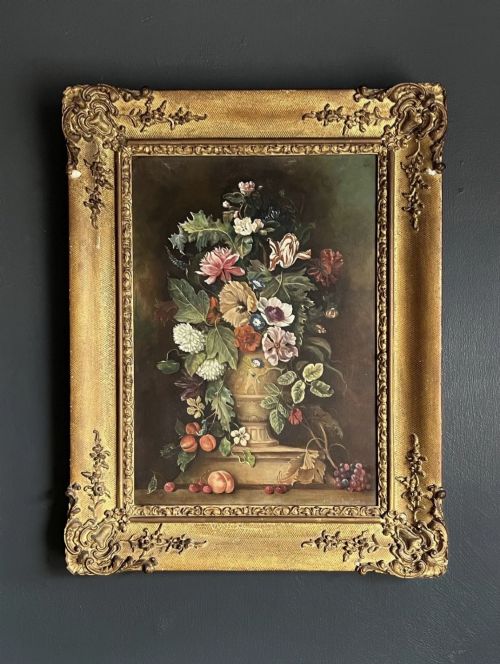
Ornate Gilt Frame Canvas
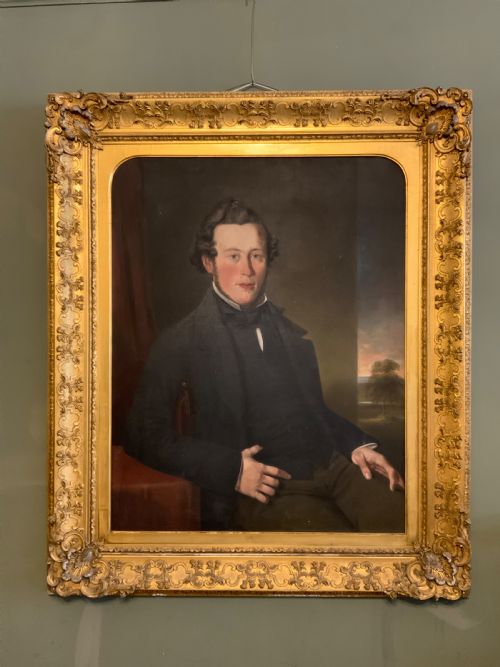
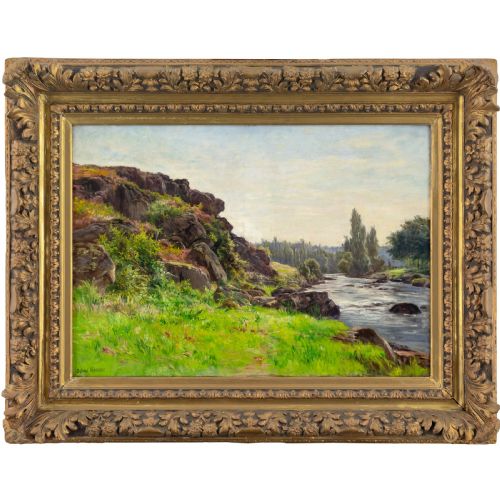
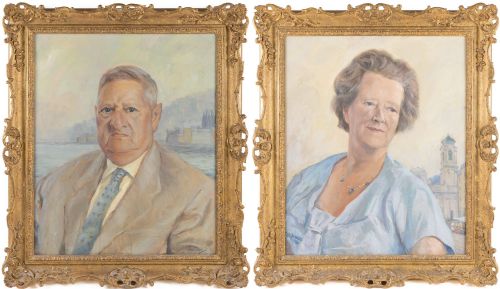
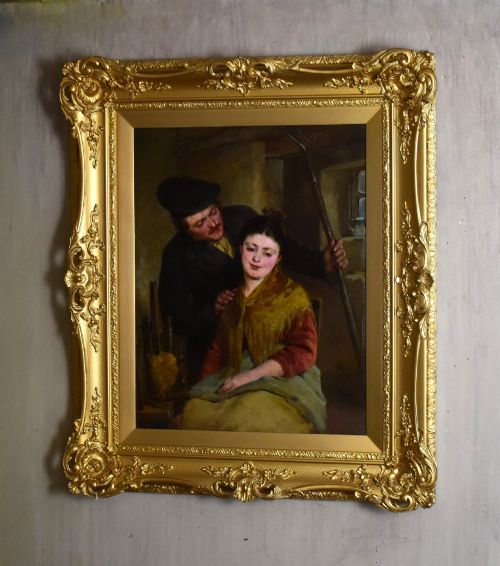
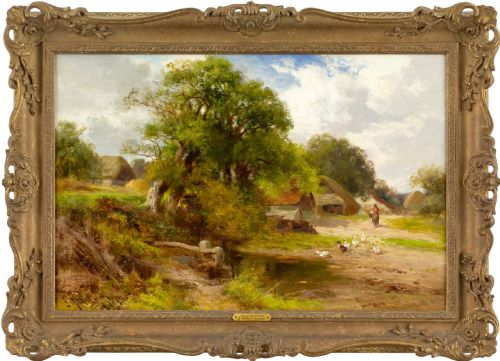
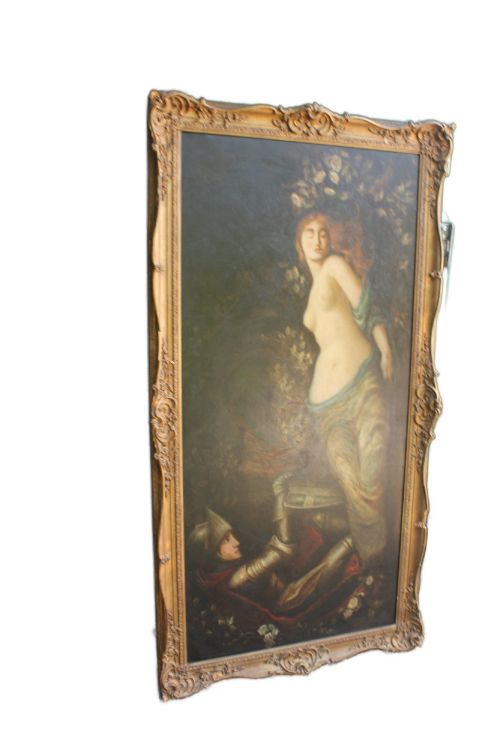
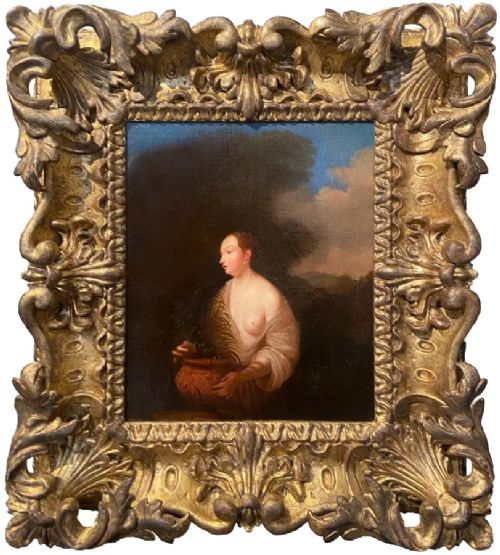
When you search for ornate gilt frame canvas, you are looking at oil paintings enclosed in decorative gold-finished surrounds.
Ornate Gilt Frame Canvas
An ornate gilt frame canvas brings together historical oil paintings and elaborate decorative surrounds. These pieces span from the seventeenth century through to the mid-twentieth century, encompassing portraits, landscapes, still-lifes, and genre scenes.
The selections on this page frequently include nineteenth-century landscapes and portraits alongside twentieth-century French and Italian works. Each pairing of painting and frame reflects the aesthetic choices of its period.
The physical objects combine stretched fabric supports, oil pigments, and heavily moulded wooden surrounds. They represent centuries of painting traditions coupled with elaborate carpentry and gilding techniques.
Materials and Construction
Makers constructed the supports using woven canvas stretched over wooden frames, applying layers of oil paint to build the compositions. Giltwood and gesso formed the heavy decorative surrounds, shaped with moulded plaster or carved wood.
Artisans applied thin sheets of gold leaf or metallic paint to the gesso surfaces to achieve the characteristic reflective finish. This process required skilled handwork to ensure the intricate corners and relief details remained sharp.
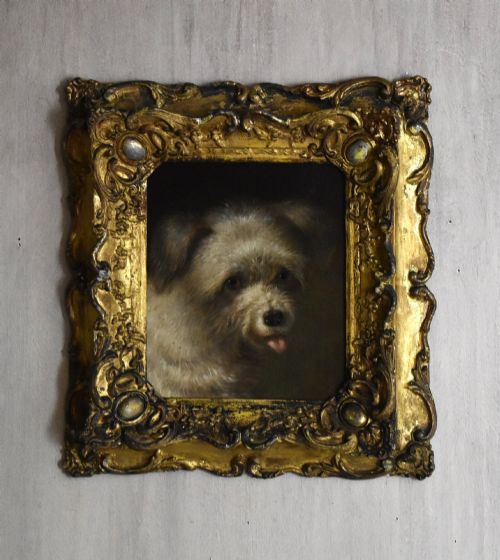
Several canvases capture Victorian domestic animals sitting patiently, proving that pets have demanded painted portraits for centuries.
Distinctions in Quality
The depth and intricacy of the carving or gesso moulding dictate much of the character in the surrounding border. Hand-carved wooden details and burnished gold leaf display a different level of craftsmanship compared to simpler moulded plaster.
The execution of the oil painting itself, from brushwork control to anatomical accuracy in portraits, separates standard works from master-level output. Preservation of the original canvas and the crispness of the surrounding gilding also influence the overall standard.
William Beattie-Brown·Martin Theodore Ward·Howard Helmick·James Hamilton·Edgar Hunt·Abraham Cooper·William Watson Jnr·Thomas Kent Pelham
The Ornate Gilt Frame Canvas Glossary
- Gesso
- A plaster mixture applied to wood as a base for painting or gilding. It provides a smooth surface that makers could carve or stamp with decorative patterns before applying gold leaf.
- Giltwood
- Timber that has been coated with gold leaf or gold paint. This material forms the base of many historical picture frames.
- Oil on Canvas
- Pigments mixed with drying oils applied to a woven fabric support. This technique became the primary medium for easel painting from the Renaissance onward.
- Baroque
- An artistic style prevalent from the seventeenth well into the eighteenth century, characterised by dramatic movement and exuberant decoration. Frames from this era display heavy, sweeping relief ornament.
- Rococo Revival
- A nineteenth-century revival of an eighteenth-century style noted for asymmetry, C-scrolls, and naturalistic plant motifs. It heavily influenced the design of ornate picture frames.
Ornate Gilt Frame Canvas: Frequently Asked Questions
How do I clean an ornate gilt frame?
Dust the surface gently with a soft, dry brush to remove particles without disturbing the gilt layer. Avoid using water, chemical cleaners, or abrasive cloths that can strip the gold leaf or damage the underlying gesso.
For stubborn grime, consult a professional conservator rather than attempting wet cleaning at home. Moisture easily penetrates microscopic cracks in older gesso and wood.
Are the frames original to the canvases?
Many paintings retain their period surrounds, though framing practices varied widely across centuries. Dealers note whether a frame is period-correct or a later matching addition in the item descriptions.
Matching a canvas to a contemporary frame was common practice to enhance the presentation of the artwork. Examining the fit and corner construction helps determine the history of the pairing.
How do I hang a heavy framed canvas safely?
Use heavy-duty picture hooks rated well above the combined weight of the painting and its solid wood frame. Fix the fixings directly into wall studs or employ appropriate masonry anchors for brick walls.
Ensure the hanging wire or D-rings on the back of the frame are secure and structurally sound. Professional framing cord or multi-strand wire distributes the weight evenly across the structure.
What lighting suits these oil paintings?
Position picture lights or directional spotlights to illuminate the canvas without creating glare on the varnished surface. LED bulbs are preferable because they emit minimal heat and ultraviolet radiation, protecting both paint and canvas over time.
Avoid placing these works in direct sunlight, which causes fading in oil pigments and dries out the wooden stretcher bars and frame.