
Victorian Country Landscape Painting
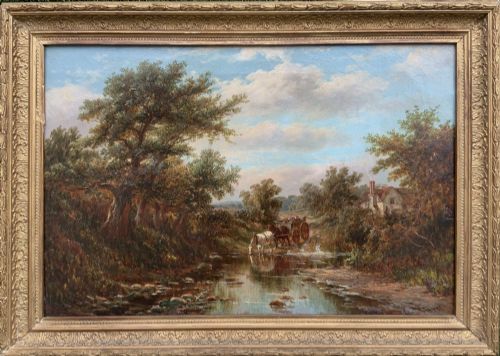
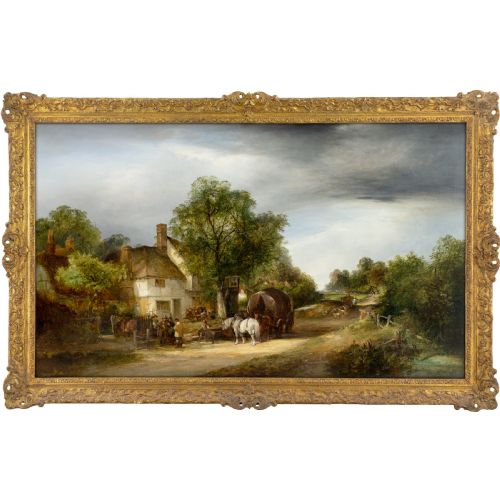
A victorian country landscape painting captures rural fields, cottages, and river scenes through the brush of nineteenth-century artists.
Victorian Country Landscape Painting
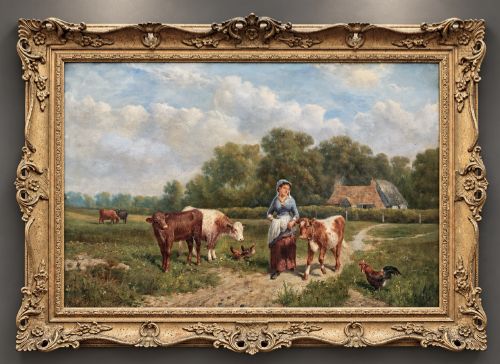
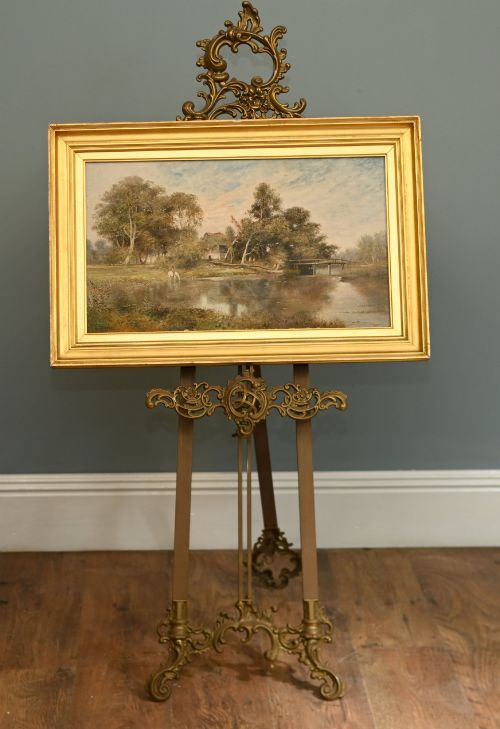
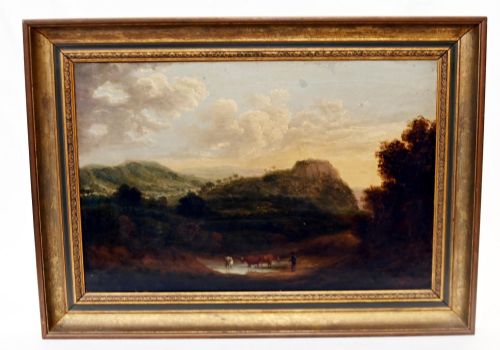
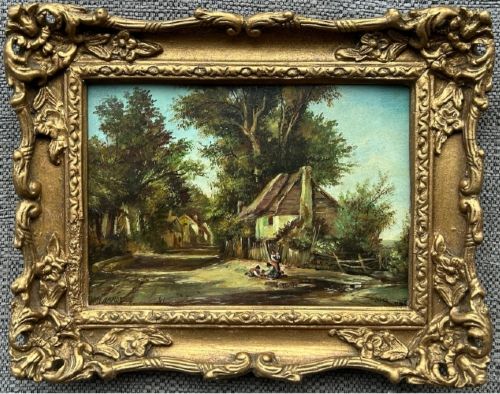
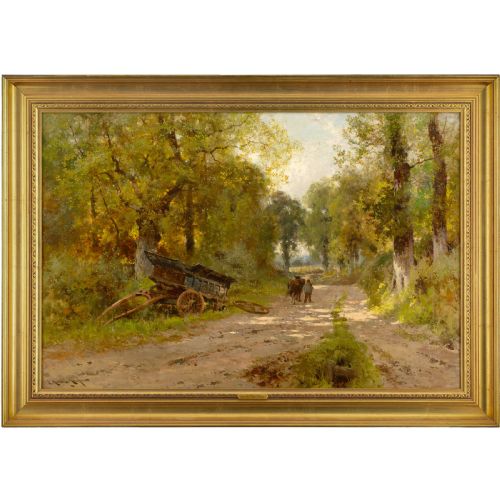
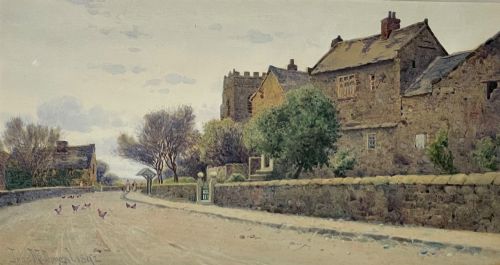
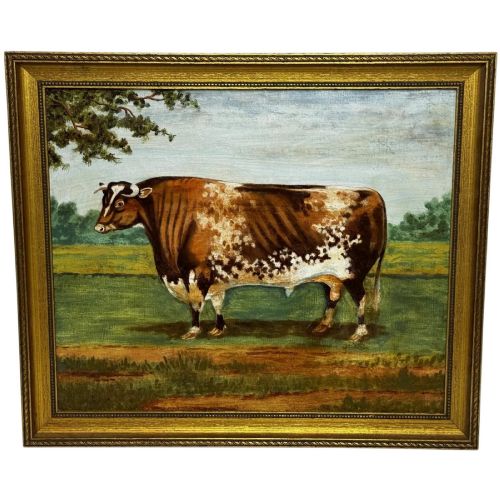
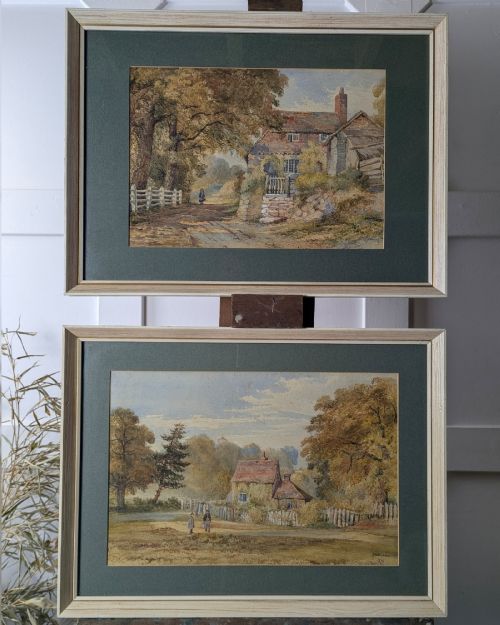
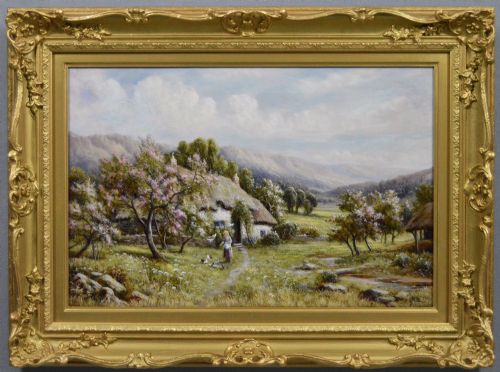
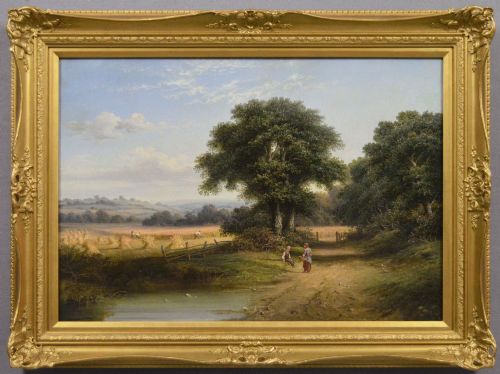
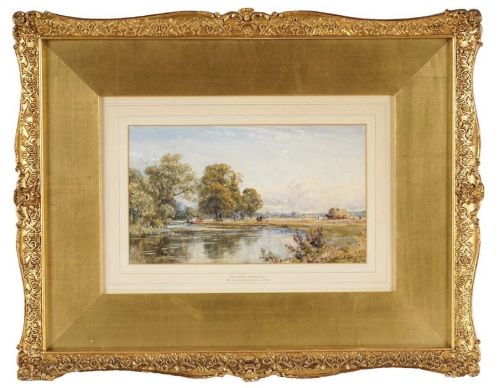
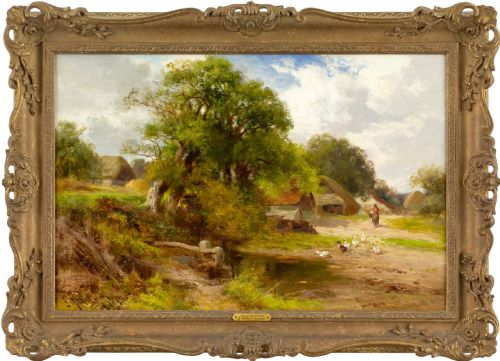
A victorian country landscape painting depicts pastoral views, agricultural fields, and rural river scenes created during the nineteenth century. These artworks reflect a period of deep fascination with the British countryside, often showing cottages, livestock, and working figures.
Most pieces encountered on this page originate from the Victorian era, spanning oils on canvas or board alongside watercolours on paper. Artists recorded specific regional locations across Britain, from Berkshire and Sussex to Devon and the Thames.
The selection ranges from detailed pastoral realism to broader atmospheric sketches framed in original giltwood and gesso mouldings. Buyers find both intimate watercolours and larger oil paintings reflecting rural life.
Materials and technique
Painters of this era worked primarily with oil paint on stretched canvas or wooden board, while others utilised watercolour and gouache on paper. These mediums allowed artists to build rich textures for foliage, skies, and terrain.
Frames play a significant role in the construction of these works, frequently employing carved wood finished with gesso and gilt. These ornate surrounds complement the pastoral subjects and protect the edges of the canvas or paper.
Listings feature works executed in oil on canvas, oil on board, watercolour, pastel, and gouache, dating from the mid-nineteenth to the early twentieth century.
Factors determining quality
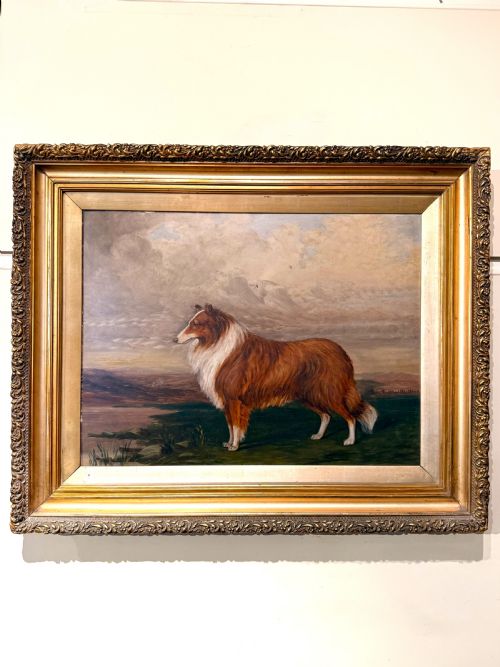
Technical skill in handling light, atmospheric depth, and naturalistic detail separates standard topographical records from masterworks. Superior paintings demonstrate precise control over brushwork, particularly in complex elements like animal anatomy, foliage, and moving water.
The integrity of the original materials also influences standing, with untouched canvas surfaces, stable oil paint, and well-preserved giltwood frames commanding greater appreciation. Works bearing signature documentation or exhibition provenance carry additional weight.
John Horace Hooper·Thomas Sidney Cooper·Walter Heath Williams·Henry H Parker·Sydney Yates Johnson
The Victorian Country Landscape Painting Glossary
- Gesso
- A plaster-like mixture applied to wooden frames as a base for gilding. It provides a smooth surface for intricate moulding work.
- Giltwood
- Wood that has been coated with thin gold leaf or gold paint. This finish creates a bright, reflective border around the artwork.
- Pastoral
- A style of art that idealises rural life and agricultural landscapes. These scenes typically feature shepherds, cattle, and quiet country cottages.
- Watercolour
- A paint consisting of pigment suspended in a water-based solution applied to paper. It yields translucent washes suited to atmospheric skies.
Victorian Country Landscape Painting: Frequently Asked Questions
What subjects appear in these paintings?
Artists focused heavily on agricultural scenes, river banks, and livestock grazing in pastures. Figures outside cottages and rural workers feature prominently alongside specific regional topography.
Views span locations across Berkshire, Sussex, and the Thames, capturing the changing moods of the British countryside during the nineteenth century.
How do oils and watercolours differ?
Oils use pigment bound in drying oils on canvas or board, allowing for rich textures and deep colour layering. Watercolours employ water-soluble pigments on paper to create lighter, translucent effects.
Oils usually require heavier frames with gesso and giltwood, while watercolours are traditionally mounted under glass.
How should I display these frames?
Original giltwood frames benefit from stable indoor environments away from direct sunlight and excessive humidity. Maintaining moderate temperatures protects both the wooden moulding and the delicate gesso underneath.
Hanging paintings securely on solid walls prevents vibrations from damaging the canvas or paper support.
How can I identify the period?
Dating relies on stylistic markers of nineteenth-century realism, artist signatures, and framing materials. Canvas stamps, stretcher construction, and inscriptions on the reverse offer further clues.
Many works include specific dates or references to Victorian exhibition venues within their cataloguing.