






Ornate Gilt Accent Mirror
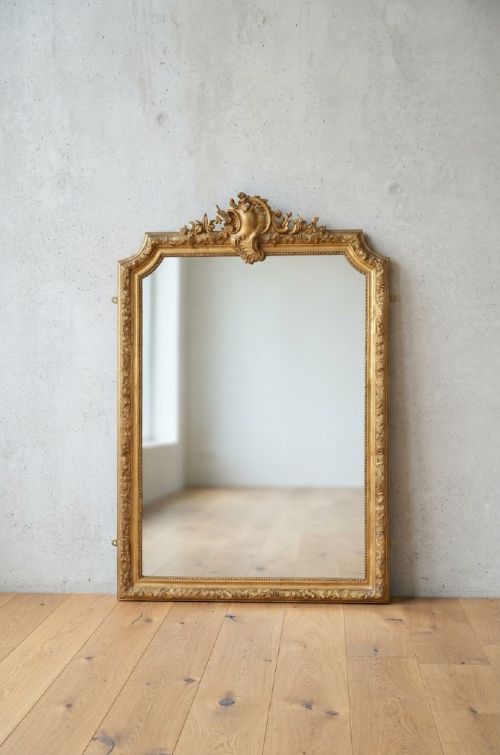
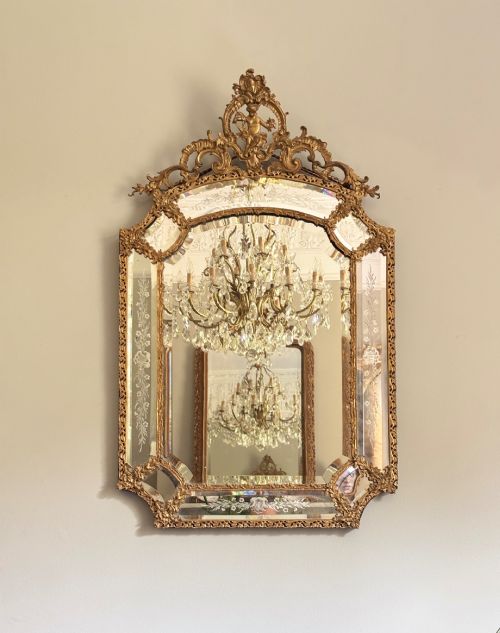
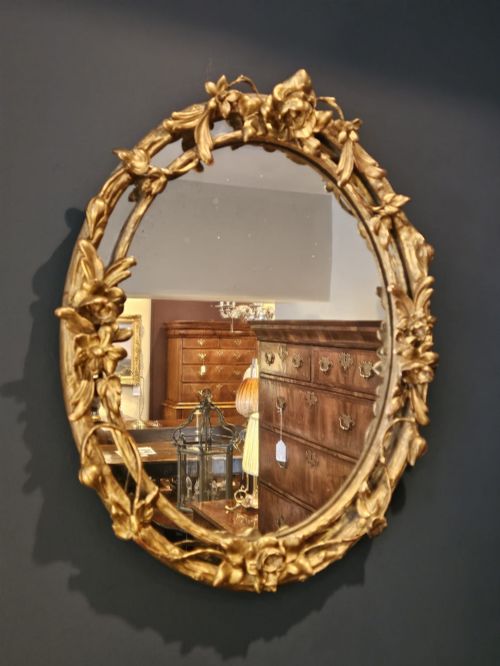
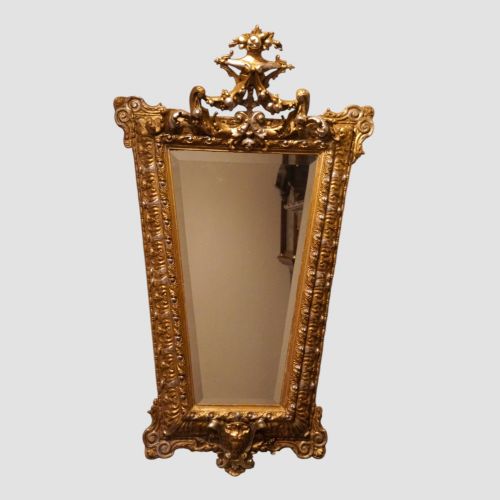
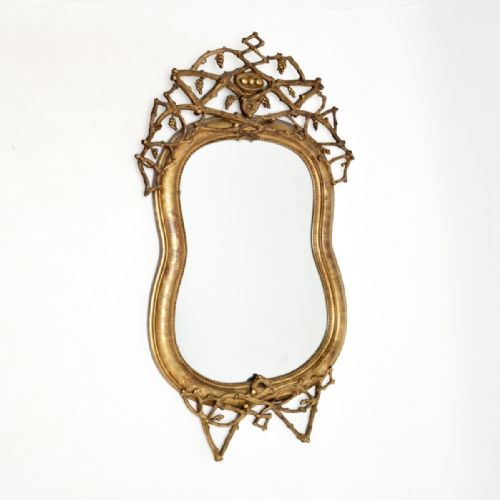
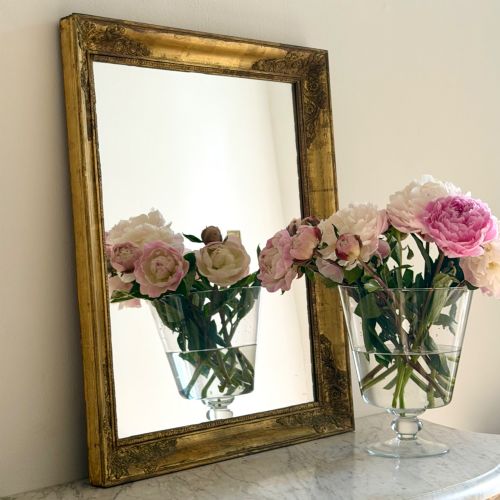
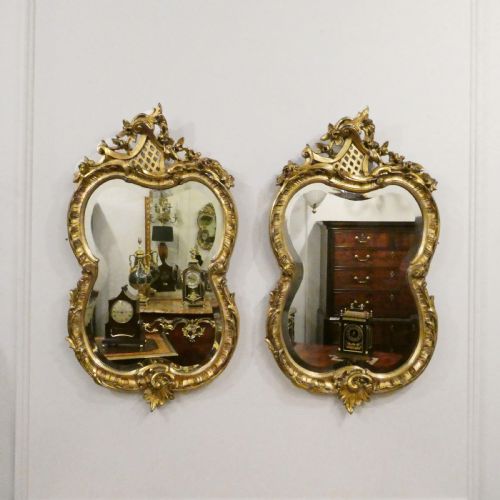
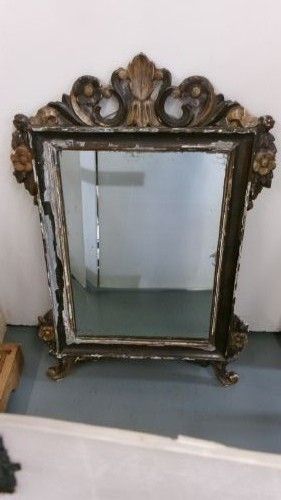
An ornate gilt accent mirror brings reflected light and sculptural presence into a room, drawing the eye with gilded frames and elaborate carving.
Ornate Gilt Accent Mirror
An ornate gilt accent mirror encompasses a range of decorative wall-hanging looking glasses designed to catch the light and adorn a room. When exploring this selection, buyers frequently encounter French and Italian designs dating from the eighteenth, nineteenth, and early twentieth centuries.
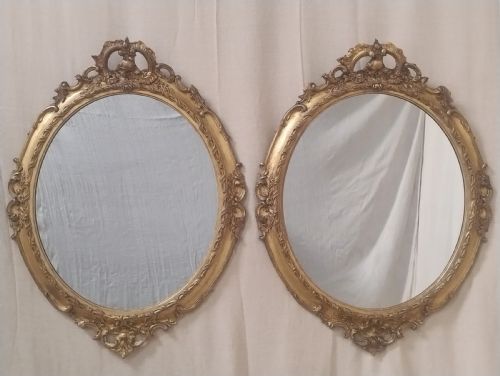
The styles span from elaborate Rococo and Baroque revivals with asymmetrical curves and foliate crests to restrained Neoclassical and Adam formats. Forms vary from grand overmantels and cartouche shapes to compact oval and rectangular wall mirrors.
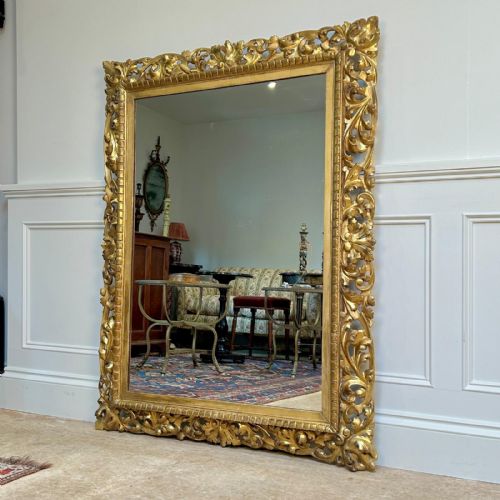
Origins stretch across European workshops, including Italian carved Florentine pieces and French chateau styles alongside Georgian and Victorian British interpretations. Each piece relies on historical revival aesthetics to create a dramatic focal point in an interior.
Materials and construction
Construction typically begins with a timber base of oak, pine, or other carved wood, shaped into scrolls, vines, and architectural motifs. Artisans then applied layers of gesso to smooth the surface before adding intricate hand-carved details.
Gilding was achieved using fine gold leaf or silver-gilt applied over the prepared ground, sometimes supplemented by cast brass elements. Mirror plates range from original bevelled glass to engraved glass plates retained within the timber and gesso framework.
Listings feature pieces spanning the eighteenth century through to the early twentieth century, utilising materials such as gesso, carved timber, and mirror glass.
Assessing craftsmanship
Quality rests upon the depth and crispness of the hand-carved woodwork, where sharper undercut foliage distinguishes superior artisan output from softer moulded compositions. The handling of the gilding, including the delicate burnishing of gold leaf over gesso, dictates how the frame catches ambient light.
Proportion and structural integrity matter significantly, particularly how harmoniously the cresting relates to the main mirror plate. Original mirror glass with natural patination and genuine period construction methods further elevate a piece.
The Ornate Gilt Accent Mirror Glossary
- Giltwood
- Wood that has been coated with gold leaf or a gold-coloured finish. This material forms the primary shimmering surface of these decorative frames.
- Gesso
- A plaster-like mixture applied to wood frames to create a smooth surface for carving and gilding. It allows for intricate relief ornamentation.
- Rococo Revival
- A nineteenth-century design movement mimicking the ornate, asymmetrical curves and scrollwork of the eighteenth century. It heavily influences many of these mirrors.
- Overmantel mirror
- A large horizontal mirror designed specifically to hang above a fireplace mantel. These pieces often feature expansive proportions.
- Cartouche form
- A frame design shaped like a scrolled shield or parchment roll. This distinctive silhouette appears frequently in French mirrors.
Ornate Gilt Accent Mirror: Frequently Asked Questions
How do I hang a heavy giltwood mirror safely?
Heavy carved wood and gesso frames require robust wall fixings secured directly into masonry or wall studs to support the substantial weight safely. Using professional mirror plates or heavy-duty wire rated well above the weight of the object ensures secure installation.
Position the mirror at a height that reflects eye level or catches desirable light from nearby windows, keeping the weight evenly distributed across multiple anchor points.
What is the difference between Rococo and Baroque styles?
Baroque mirrors emphasise heavy symmetry, grand architectural presence, and formal classical dignity. They use bold, imposing volumes to project authority and classical balance.
Rococo mirrors embrace asymmetry, organic leaf motifs, C-scrolls, and playful lightness. The decoration feels more fluid and dynamic compared to the stricter formality of the Baroque aesthetic.
How should I clean an antique gilt frame?
Dust giltwood frames gently using a soft, dry brush to prevent dislodging delicate leaf or aged gesso work. Avoid all liquid cleaners, commercial polishes, and abrasive cloths that can strip the gold leaf or damage the fragile ground.
For mirror glass, apply a small amount of glass cleaner to a cloth rather than spraying directly, ensuring no moisture seeps behind the frame edges or into the silvering.
How do I identify a nineteenth-century revival mirror?
Nineteenth-century revival pieces often display machine-sawn timber behind the hand-applied gesso and carved details, reflecting industrial manufacturing shifts. The joinery and backboards typically show the mechanical precision characteristic of the Victorian era.
Stylistically, these mirrors faithfully copy earlier Louis XV or Baroque designs while utilising nineteenth-century framing techniques and standardised hardware.