

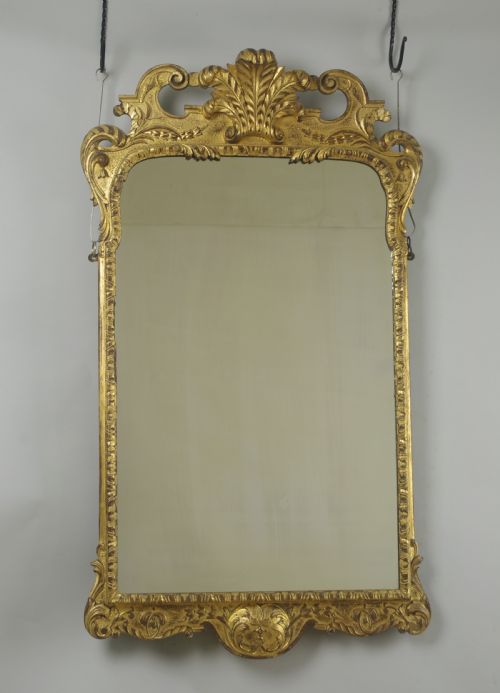
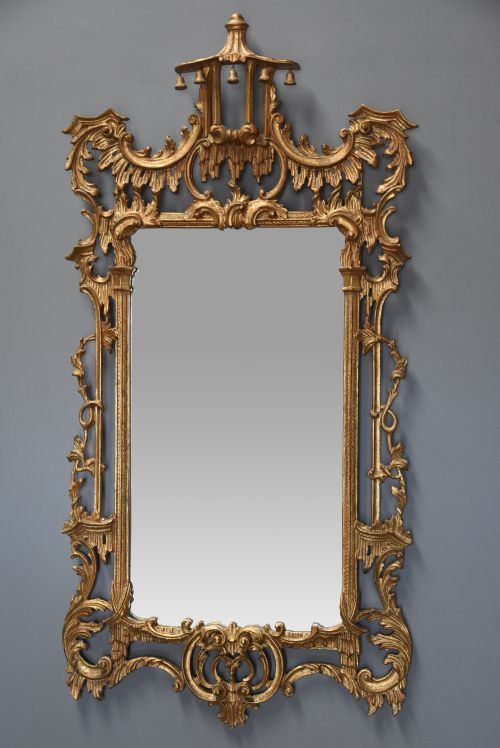
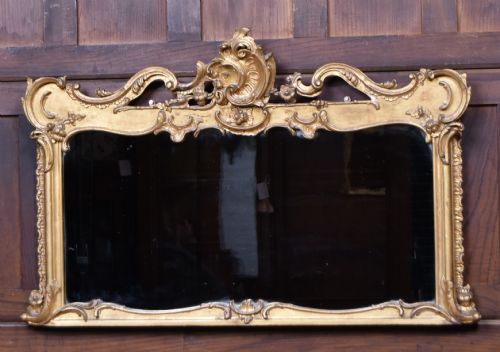
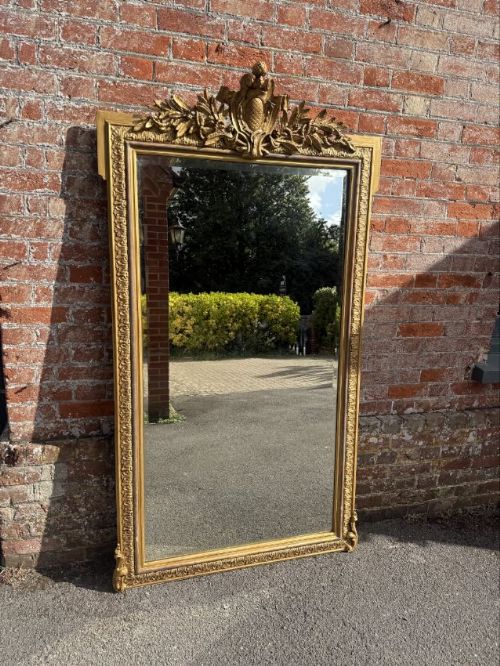

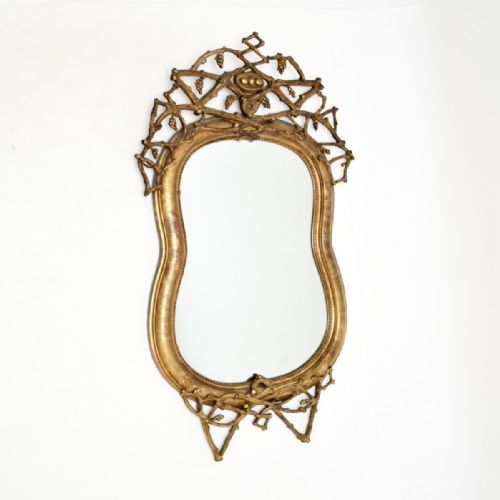
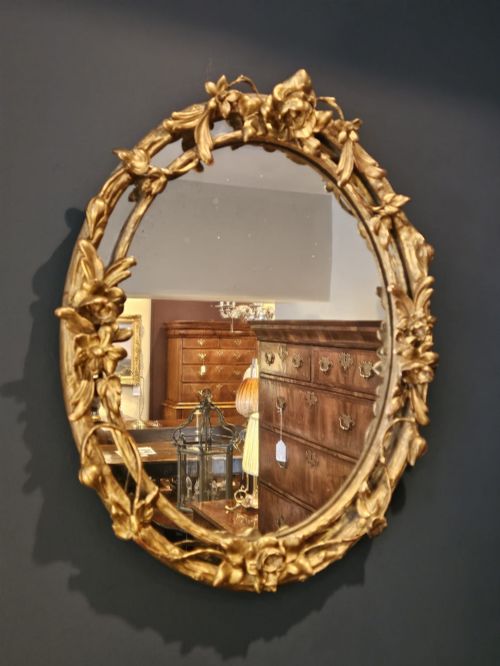

Ornate Gilded Accent Mirror
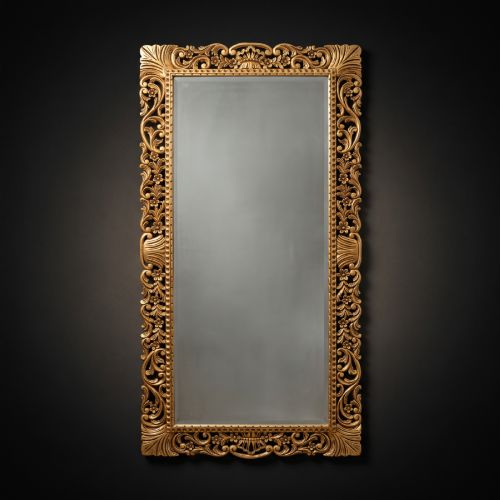
An ornate gilded accent mirror brings warmth and reflective depth to a room through its brilliant surface and decorative frame.
Ornate Gilded Accent Mirror
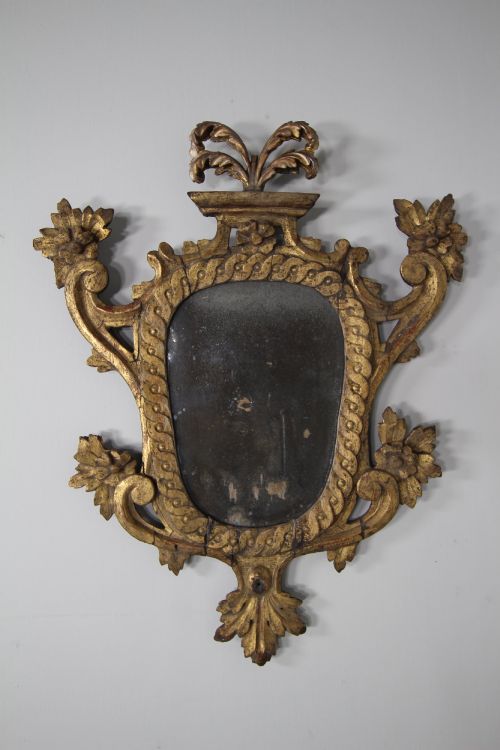
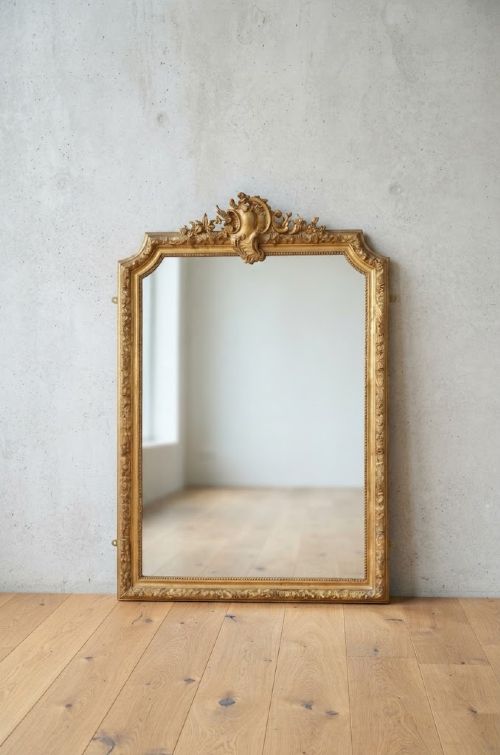
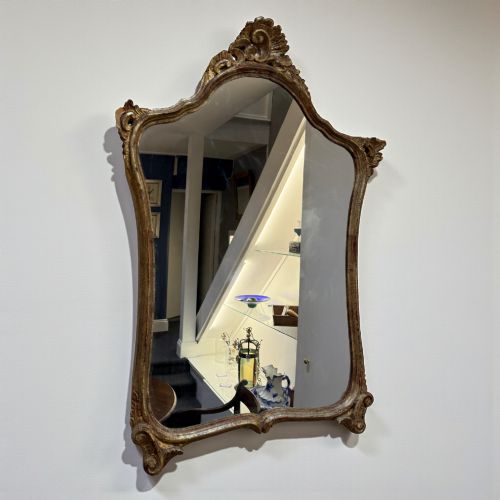
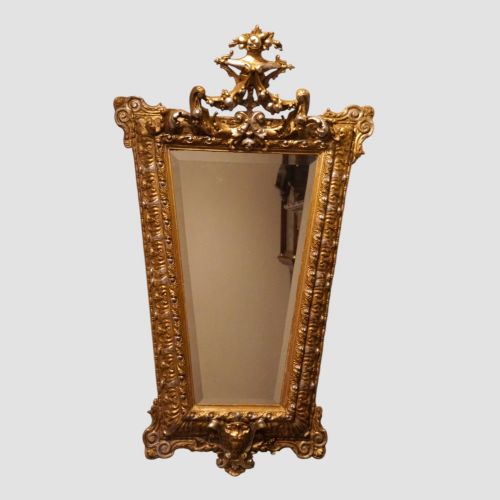
An ornate gilded accent mirror is a decorative wall glass designed to catch the light and punctuate a room with historic character. When exploring this selection, buyers frequently encounter pieces spanning the eighteenth, nineteenth, and early twentieth centuries.
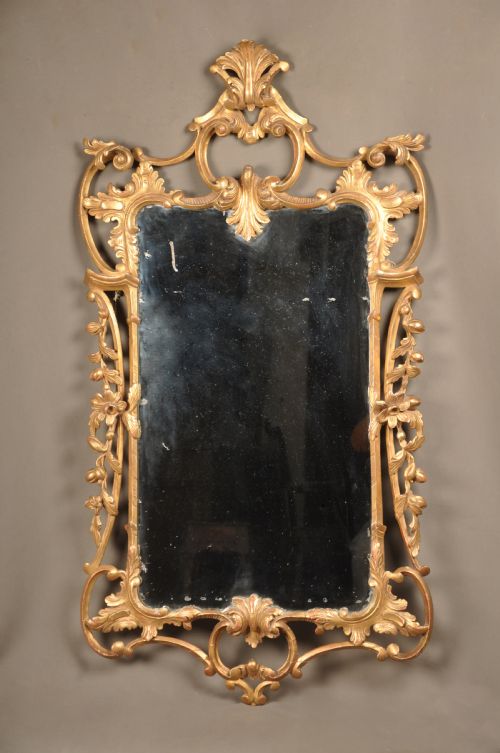
The assortment includes wall mirrors, pier glasses, and overmantel mirrors in varied forms from cartouche to octagonal. Regional interpretations surface regularly, including French, Italian, English, and Chinese Chippendale styles.
Many examples lean into revival aesthetics such as Rococo, Baroque, and Neoclassical designs. These diverse origins reflect centuries of craftsmanship focused on decorative interior glass.
How they were made
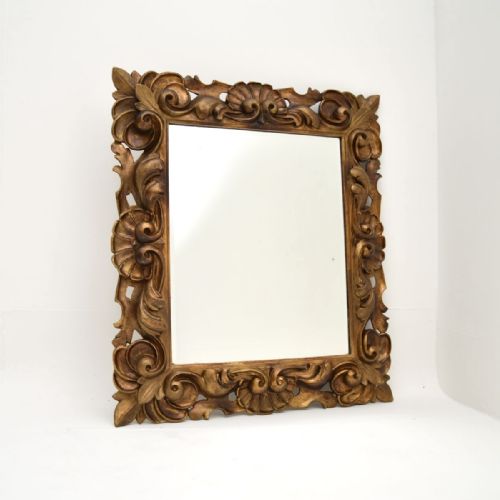
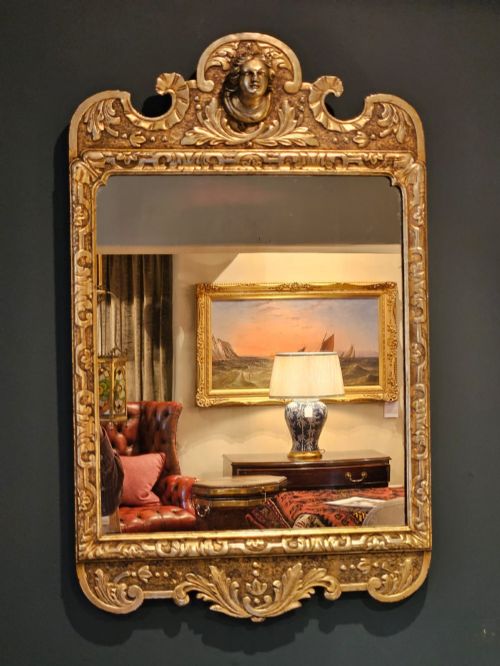
Carved wood, gesso, and composition provide the structural foundation for the frames in this collection. Artisans shaped these materials into intricate scrolls, flowers, foliage, and masks before applying the surface finish.
Gold leaf and silver-gilt layers were meticulously applied over the prepared wooden bases to achieve the luminous metallic sheen characteristic of these frames. Mirror glass completes the works, held within the gilded borders.
Ornate Gilded Accent Mirror Retail Price Guide 2026
Typical asking prices for ornate gilded accent mirror among the pieces listed under this phrase on Sellingantiques today, from the lower quarter to the upper quarter. They describe what is for sale here now, not the wider market.
Grecian masks and ribbon bows peer out from several pediments, quietly watching over centuries of daily routines.
What varies in quality
The depth and crispness of the carving distinguish finer examples from simpler work. Skilled hands produced organic details like flowers, ribbons, and foliage with distinct relief and fluidity.
The quality of the gilding and the preparation of the underlying gesso shape the overall radiance of the frame. Superior pieces retain harmonious proportions and balanced ornamentation across the entire surface.
The Ornate Gilded Accent Mirror Glossary
- Giltwood
- Wood that has been coated with gold leaf or metal leaf. This finish provides a bright, reflective metallic surface to the carved frame.
- Gesso
- A plaster-like mixture applied to wood frames as a base for gilding. It is often modelled or carved once dry to create sharp decorative details.
- Rococo
- An ornate design style marked by asymmetry, C-scrolls, and naturalistic plant motifs. It heavily influences many of the nineteenth-century frames here.
- Overmantel mirror
- A large horizontal looking glass designed specifically to hang above a fireplace mantel. These pieces anchor the visual weight of a chimney breast.
- Pier glass
- A tall mirror intended to be hung on the narrow wall space between two windows. They reflect additional light into darker interior rooms.
Ornate Gilded Accent Mirror: Frequently Asked Questions
Where should I hang an ornate gilded accent mirror?
These mirrors suit spaces that benefit from reflected light and decorative emphasis, such as above a fireplace, in a hallway, or across from a window. Their historic frames provide a focal point in a reception room or bedroom.
Ensure the wall construction supports the weight of carved wood and glass, particularly for larger overmantel and wall formats. Positioning them to capture natural daylight will brighten the surrounding interior.
How do I identify a Rococo style mirror?
Rococo style mirrors display characteristic asymmetrical motifs, C-scrolls, and abundant floral or foliage carvings. The frames avoid rigid symmetry in favour of flowing, organic movement.
Originating in the eighteenth century and revived through the Victorian era, these pieces often feature cartouche shapes and crested tops.
What is the difference between gesso and carved wood?
Carved wood forms the structural base of the frame, shaped directly by the artisan using cutting tools. Gesso is a plaster mixture applied over the wood to smooth the surface and allow for finer moulded details.
Many antique frames combine both techniques, using carved wooden foundations embellished with moulded gesso ornamentation.
How do I care for antique giltwood?
Dust the frame gently with a dry, soft brush to remove surface particles without disturbing the delicate metallic leaf. Avoid liquid cleaners and modern polishes, which can damage the historic surface.
Keep the mirror away from direct moisture and extreme temperature fluctuations to protect the underlying wood and gesso foundation.