

Gilded Rectangular Mirror
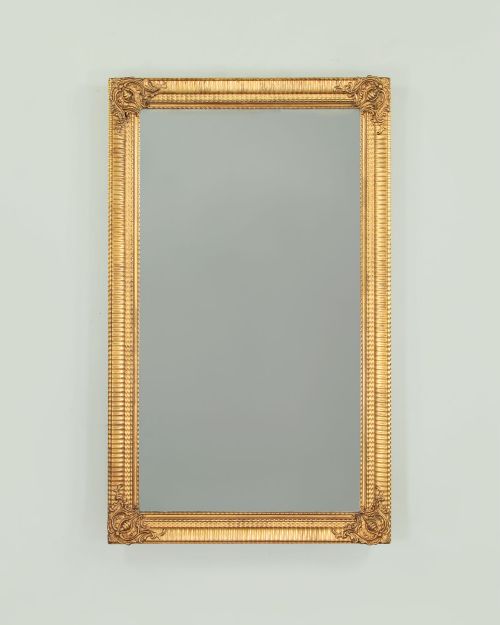
A gilded rectangular mirror brings light and scale to a room, offering functional reflection through an ornate historical frame.
Gilded Rectangular Mirror
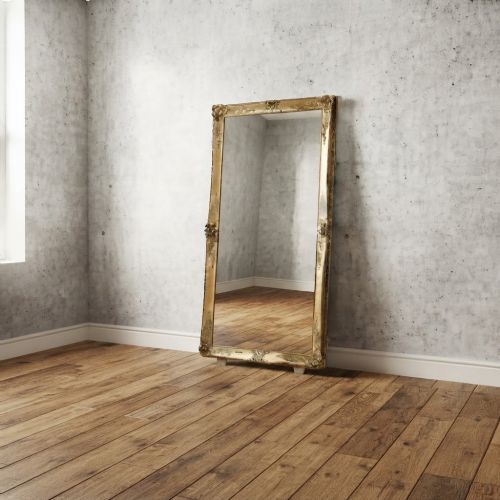
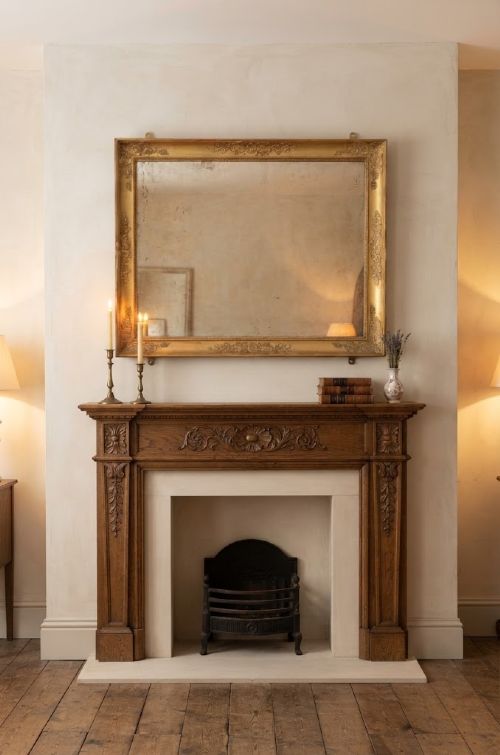
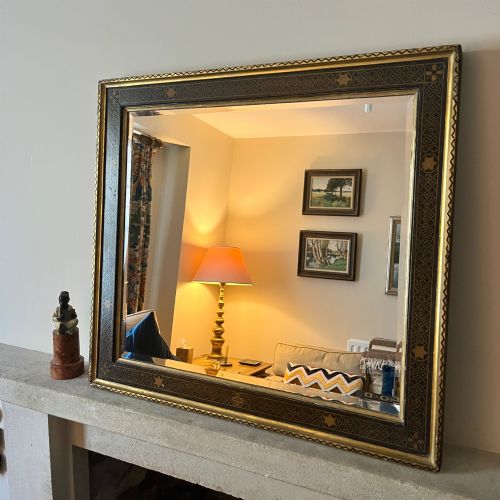
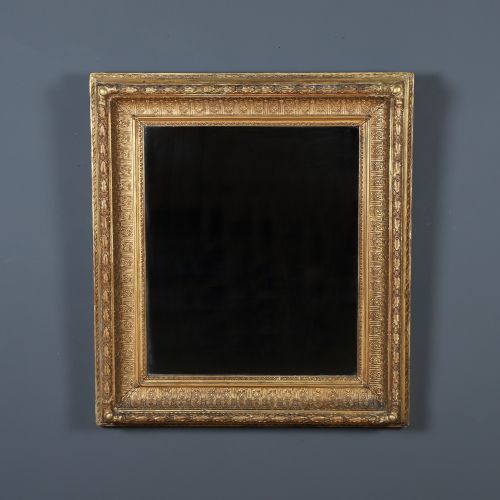
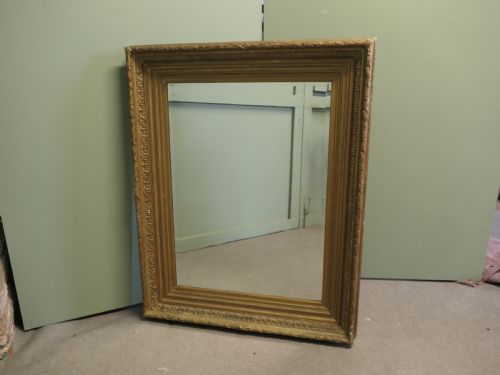
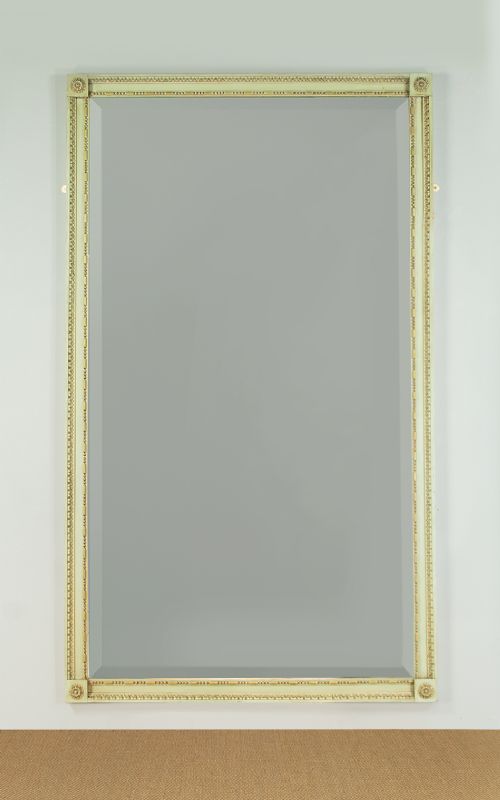
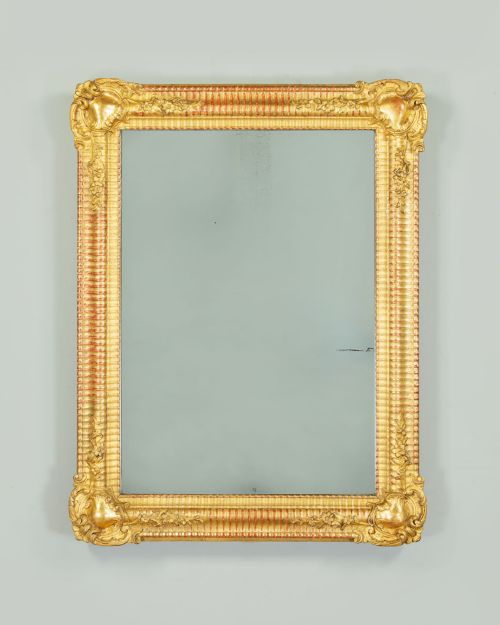
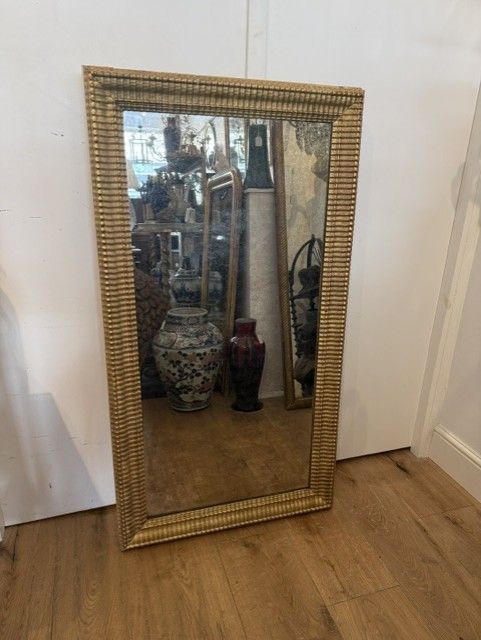
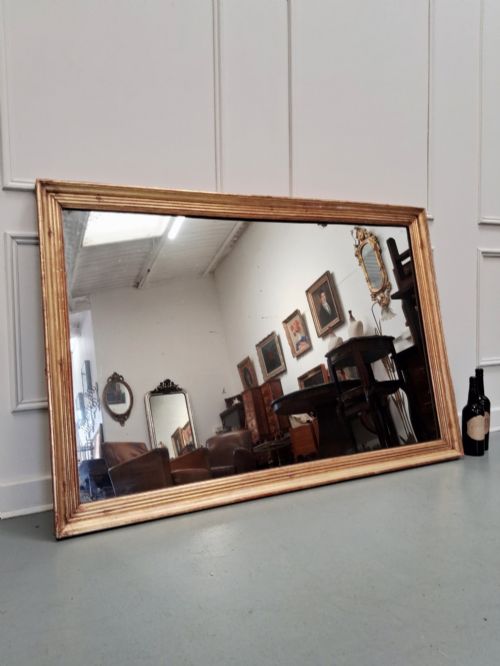
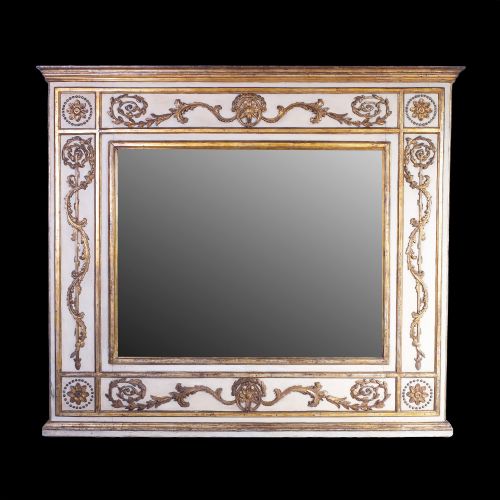
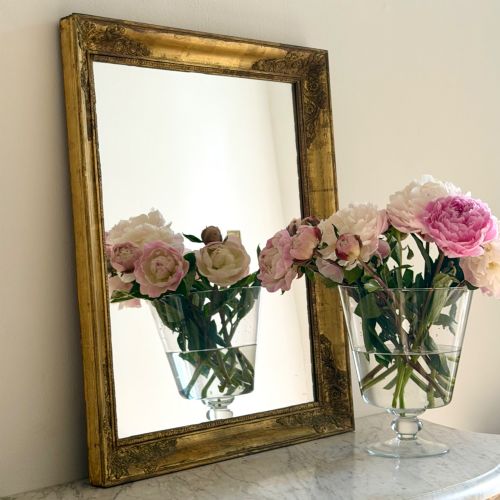
A gilded rectangular mirror combines reflective glass with a gold-finished wooden frame, serving both decorative and practical roles in interior spaces. When searching for a gilded rectangular mirror, buyers encounter wall-hung pieces, larger overmantel designs intended for placement above fireplaces, and substantial leaner mirrors.
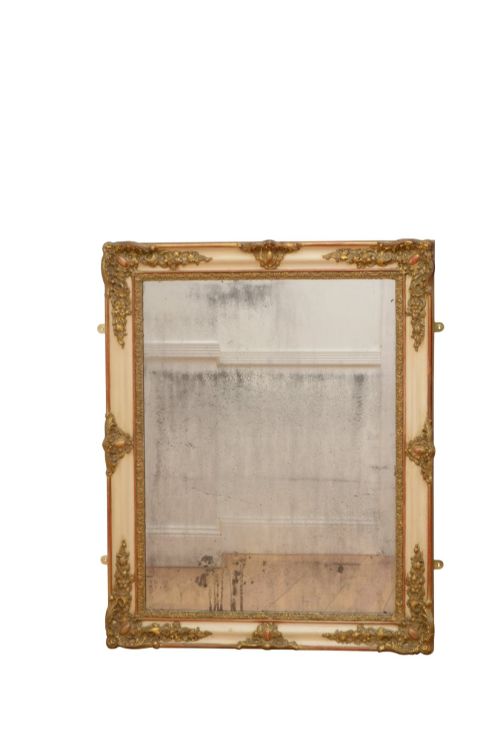
The selection spans several distinct periods, with nineteenth-century French and English examples appearing frequently alongside Regency and Edwardian pieces. Formats range from simple moulded frames to heavily ornamented versions featuring floral and mythological carvings in gesso and wood.
How they were made
The construction of these frames relies on timber foundations, frequently shaped from wood or built up with moulded gesso to create intricate relief decoration. Artisans applied thin sheets of gold leaf or oil gilt directly onto the prepared surfaces, often combining paint or ebonised details to achieve depth and contrast.
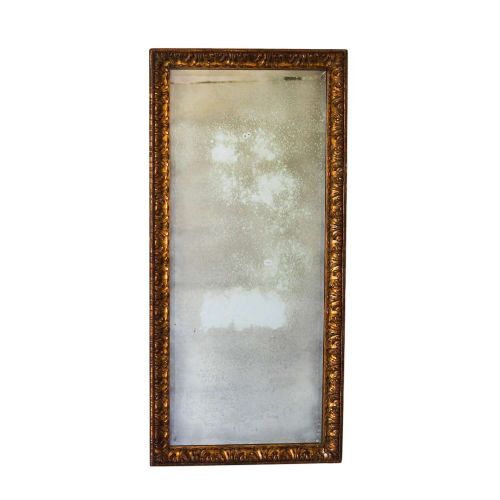
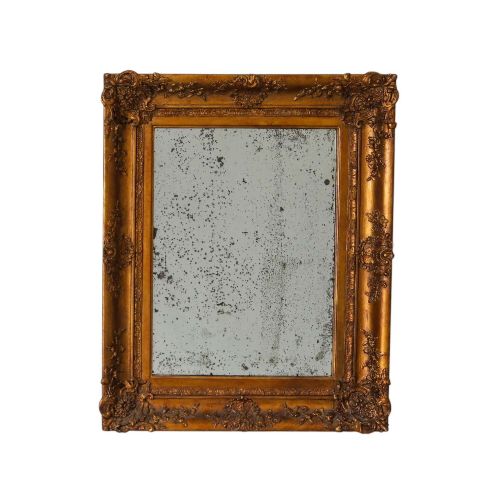
Mirror glass was set into the rebates behind protective backboards, with many surviving examples retaining their original plates, complete with foxing and age spots. Heavier overmantel and leaner formats required robust joinery to support the combined weight of the timber frame and thick glass plate.
Haberdashery shop mirrors originally helped nineteenth-century customers check their outfits, bringing unexpected scale and daily utility into modern domestic hallways.
What varies in quality
The standard of a frame rests upon the crispness and depth of the hand-carved detail within the wood and gesso ornamentation. Superior examples display sharp relief work where floral and classical motifs remain distinct and well-defined rather than softened by excessive layers of later coating.
The integrity of the gilding itself marks another clear distinction, as genuine gold leaf ages with a softer, warmer lustre compared to harsher metallic paints. Original mirror plates showing natural oxidation add period character, whereas poorly executed modern replacements alter the historical balance of the piece.
The Gilded Rectangular Mirror Glossary
- Giltwood
- Timber that has been decorated with a fine layer of gold leaf or gold paint. This technique creates a luminous surface that catches and reflects ambient room light.
- Gesso
- A plaster-like mixture applied to wooden frame bases to form a smooth surface for carving and gilding. It allows craftsmen to model intricate floral and scrollwork details.
- Overmantel mirror
- A large horizontal mirror designed specifically to hang above a fireplace mantelpiece. These pieces traditionally anchored the visual weight of the hearth area in period rooms.
- Foxed plate
- Mirror glass displaying dark spots and irregular patches caused by the degradation of the backing over time. Collectors prize this natural ageing for the authentic historical atmosphere it provides.
- Pier mirror
- A tall, narrow mirror designed to hang on the wall space between two windows. They were frequently paired with matching console tables in nineteenth-century interiors.
Gilded Rectangular Mirror: Frequently Asked Questions
Where should I hang an overmantel mirror?
These large horizontal frames are traditionally positioned directly above a fireplace mantelpiece to draw the eye upward and reflect light across the room.
They also work effectively above low sideboards or large pieces of furniture where a wide reflective surface balances the proportions.
How do I clean an antique gilt frame?
Dust the carved surfaces gently with a soft, dry brush to prevent any accumulation of dirt in the recesses of the gesso.
Avoid using liquid cleaners, polishes, or damp cloths, as moisture and chemicals can permanently damage or strip the delicate gold leaf.
Are original mirror plates always clear?
Older glass frequently exhibits foxing, which appears as cloudy patches and dark spots resulting from the slow deterioration of the reflective backing.
Many buyers prefer this aged appearance because it confirms the genuine age and history of the piece.
How do I identify a Regency style frame?
Regency and Regency-style pieces often feature classical architectural motifs, bold moulding profiles, and crisp neoclassical ornamentation.
They tend to emphasise geometric clarity and symmetry compared to the more fluid, asymmetrical curves found in later Rococo revivals.