

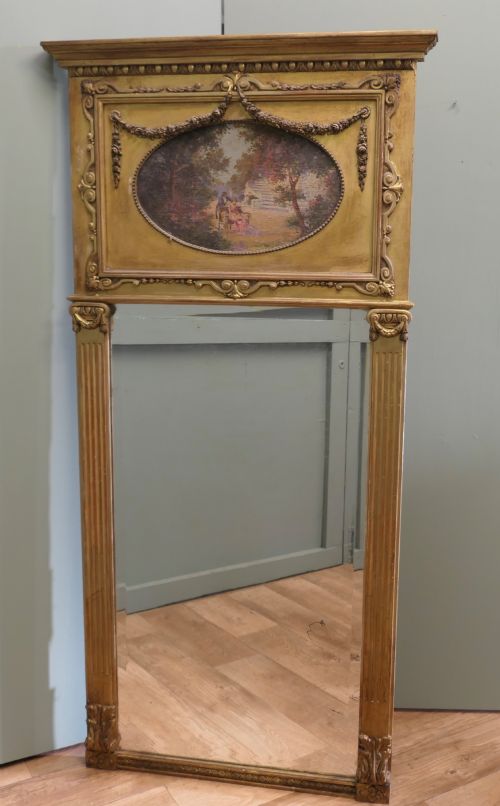
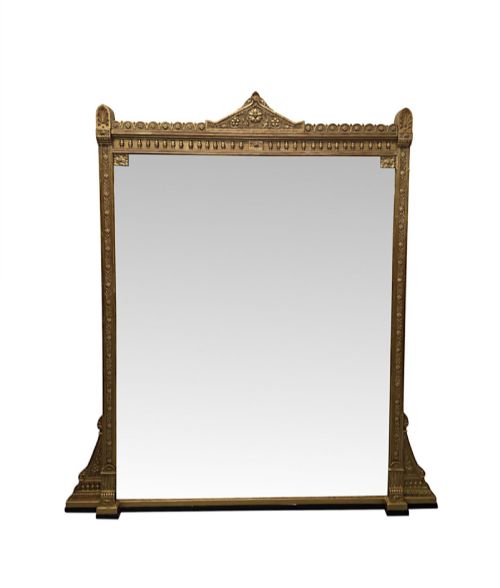
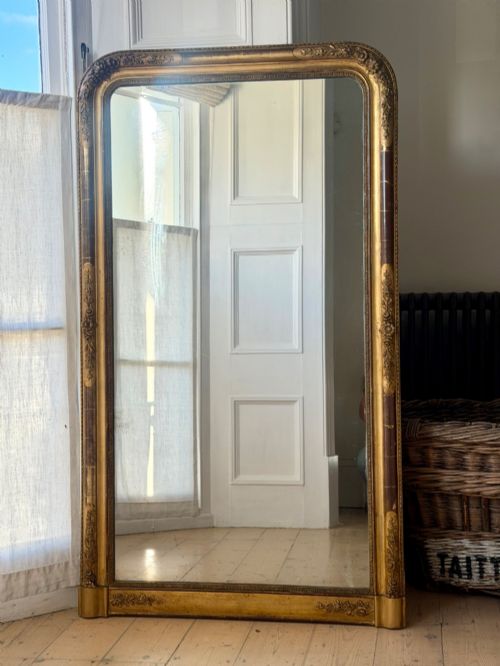
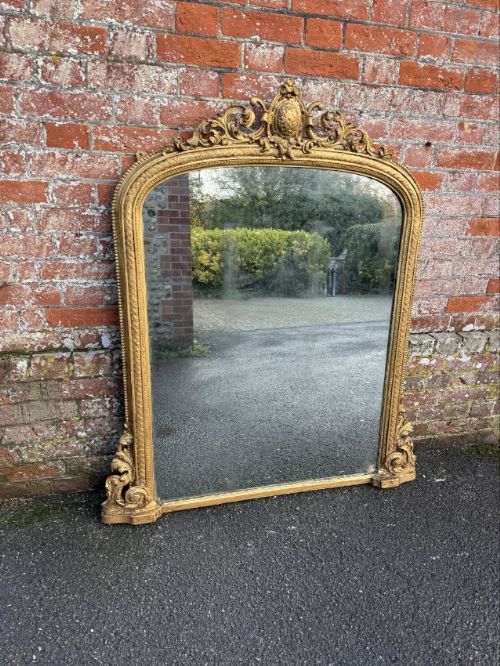
Large Style Mirror
A large antique style mirror anchors a room with scale and reflective depth, drawing the eye through gilded surfaces and period proportions.
Large Style Mirror
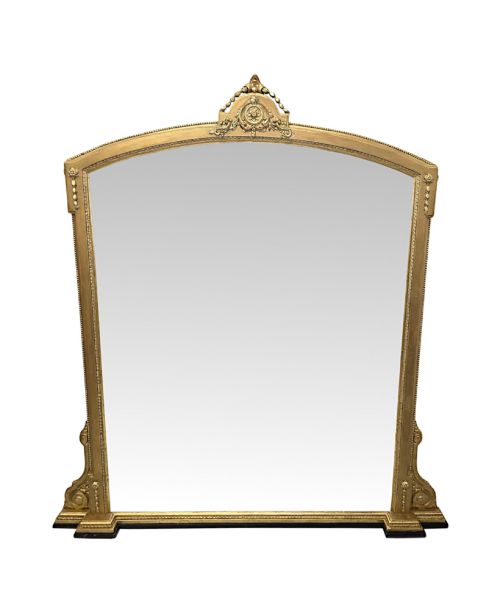
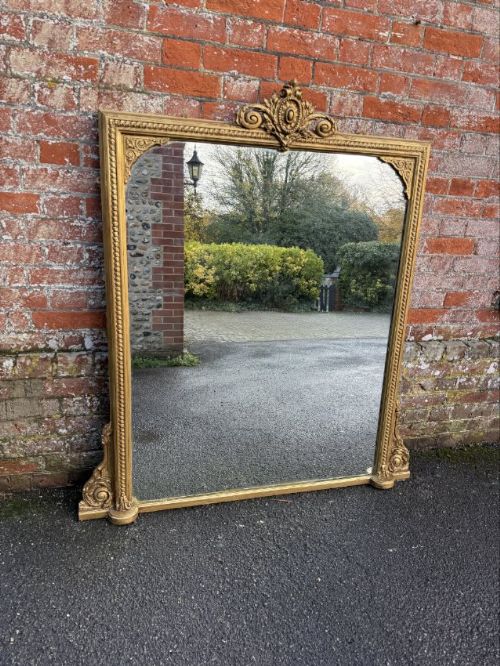
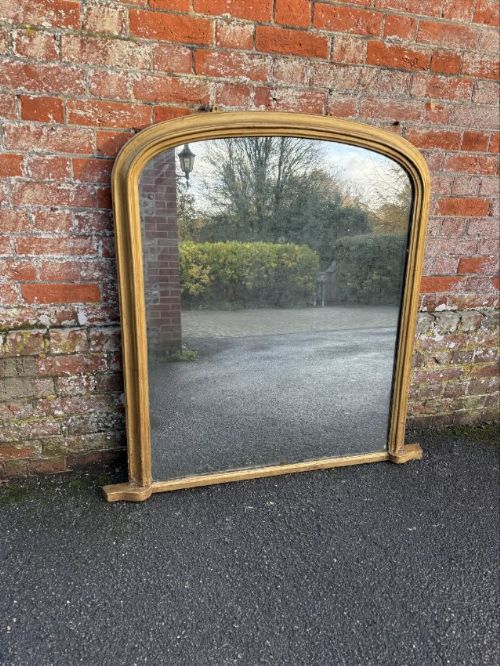
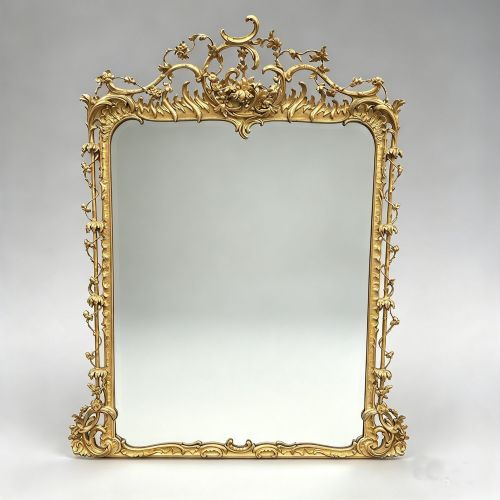
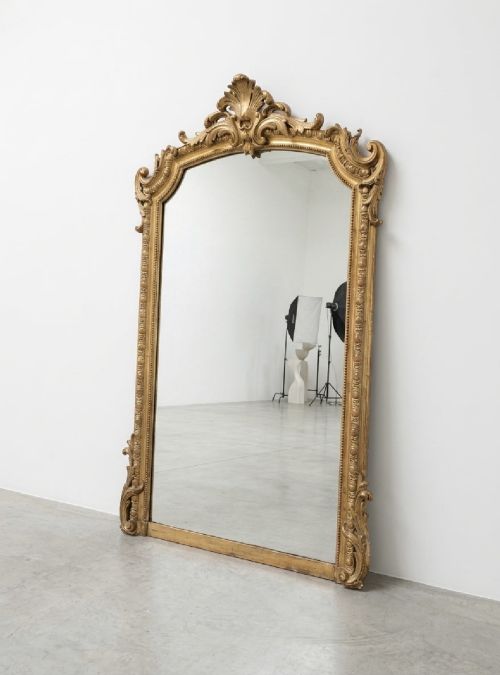
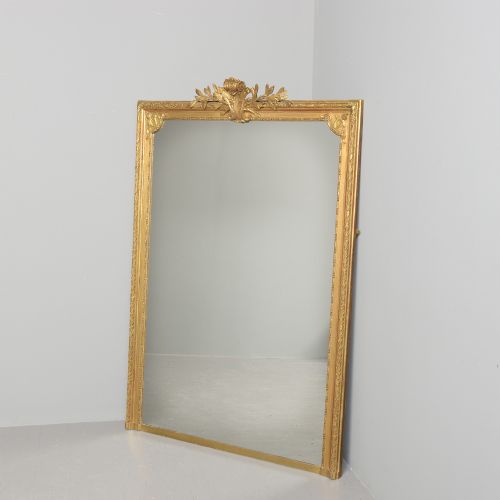
A large antique style mirror on this page predominantly takes the form of an overmantel or wall-hanging glass intended to dominate a principal room. These pieces emerge chiefly from the nineteenth century, encompassing Victorian, Regency, and French Louis Philippe styles alongside later twentieth-century interpretations.
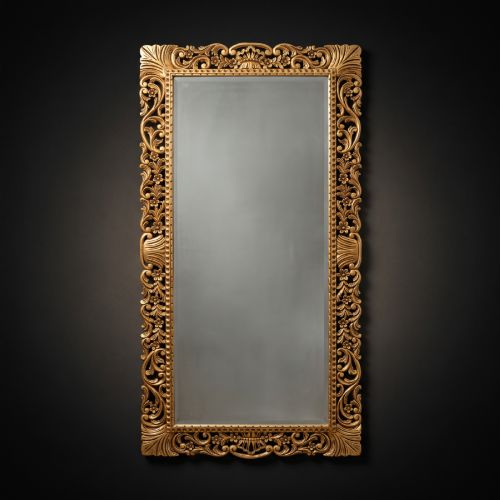
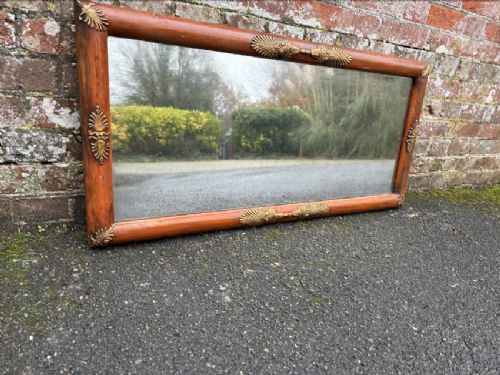
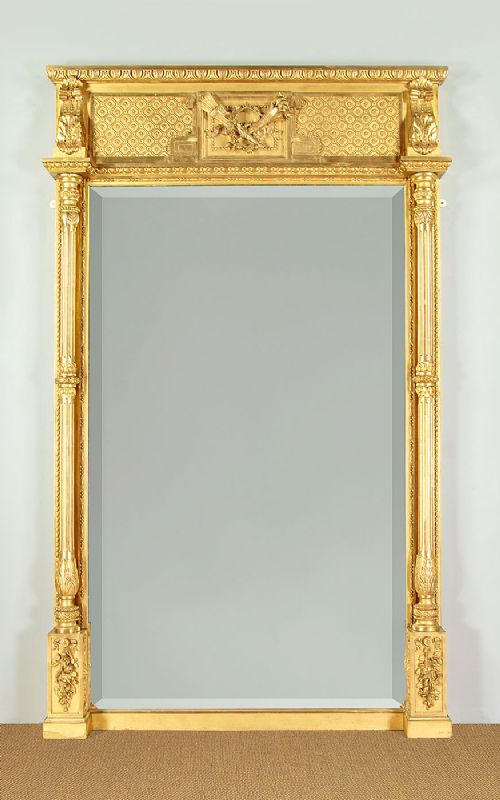
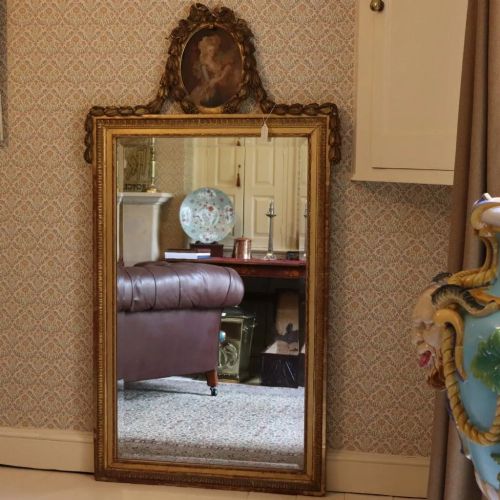
The selection ranges from arched top gesso frames to rectangular giltwood pier mirrors and painted French chateau designs. Buyers encounter substantial carved wooden structures designed to hang above mantelpieces or anchor large wall spaces.
How they were made
Frames rely on timber foundations of mahogany or carved wood coated in layers of gesso to build up intricate relief decoration such as flowers, foliage, and ribbons. Artisans then applied gold leaf, silvering, or oil paint directly onto the prepared gesso surfaces.
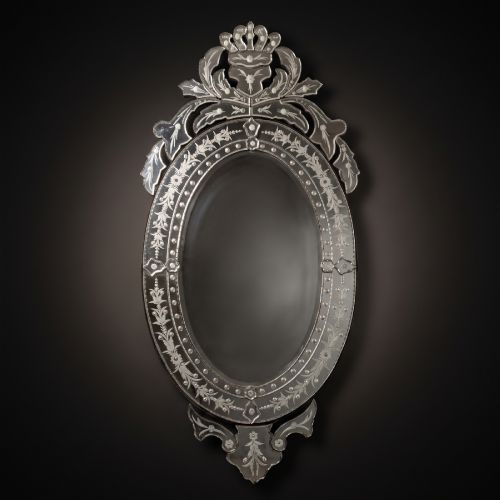
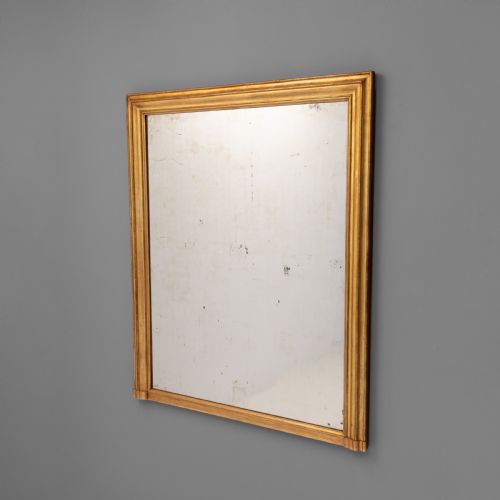
Reflective surfaces utilise traditional mirror glass, including mercury glass variants that exhibit characteristic speckling and depth. Some examples incorporate specialist techniques like Venetian etching or integrated painted panels.
Large Style Mirror Retail Price Guide 2026
Typical asking prices for large style mirror among the pieces listed under this phrase on Sellingantiques today, from the lower quarter to the upper quarter. They describe what is for sale here now, not the wider market.
Listings feature eighteenth, nineteenth, and twentieth-century periods, utilising materials such as mahogany, giltwood, gesso, and oil paint.
What varies in quality
The standard of a frame rests upon the crispness of the hand-carved wooden relief and the depth of the gesso mouldings. Finer examples display sharp definition in decorative motifs without the softening that occurs in secondary casts.
The integrity of the reflective glass plate and the originality of the gilding dictate the higher tiers of the range. Authentic period silvering and undisturbed original frames hold greater visual weight than later restorations.
The Large Style Mirror Glossary
- Giltwood
- Wood that has been coated with a thin layer of gold leaf. This finish defines the most prominent frames in the collection.
- Gesso
- A plaster-like mixture applied to wooden frames to provide a smooth base for carving and gilding. Artisans build intricate relief designs upon this compound.
- Overmantel mirror
- A large glass specifically proportioned to hang above a fireplace mantel. These pieces often feature arched tops to fit architectural chimney breasts.
- Trumeau mirror
- A decorative wall mirror that incorporates a painted or carved panel above the glass. French examples frequently showcase this dual arrangement.
Large Style Mirror: Frequently Asked Questions
Where should I hang a large overmantel mirror?
These pieces traditionally sit directly above a fireplace mantel to reflect light and anchor the vertical space of a chimney breast. They also function effectively on principal living room walls where their scale opens up the surrounding area.
Ensure the wall construction and fixings can support substantial weight, particularly with nineteenth-century wooden and gesso frames. Positioning them opposite windows maximises natural daylight across the room.
How do I identify mercury glass?
Mercury glass typically displays a characteristic mottled, dark speckling behind the glass plate rather than the uniform reflection of modern mirrors. This optical depth results from historical silvering methods involving metallic amalgams.
While not strictly containing liquid mercury, this antique glass carries a distinctive cloudy brilliance that develops across the nineteenth century.
How do I clean an antique gilded frame?
Dust gilded and gesso surfaces gently with a soft, dry brush to prevent disturbing the delicate gold leaf layers. Avoid using water, chemical solvents, or modern cleaning sprays on historic gilding.
Harsh liquids strip away the original finish and underlying composition work, so gentle dry maintenance preserves the surface integrity.