
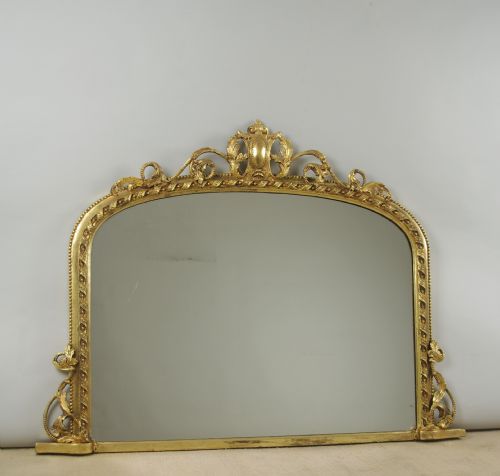

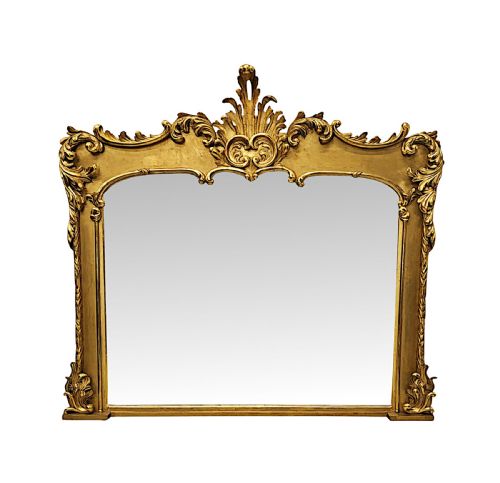
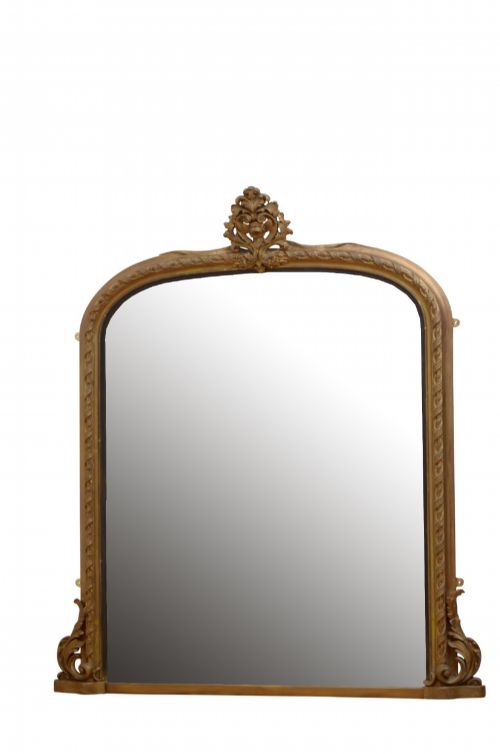
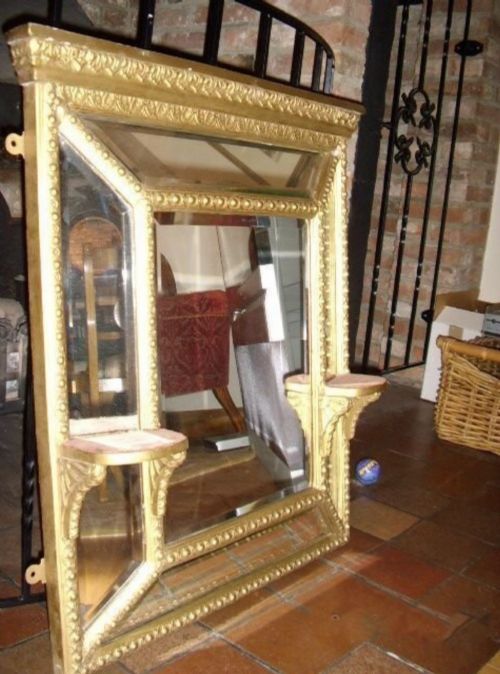
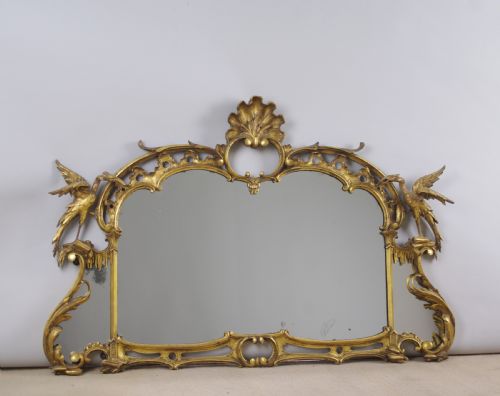


Ornate Fireplace Mirror
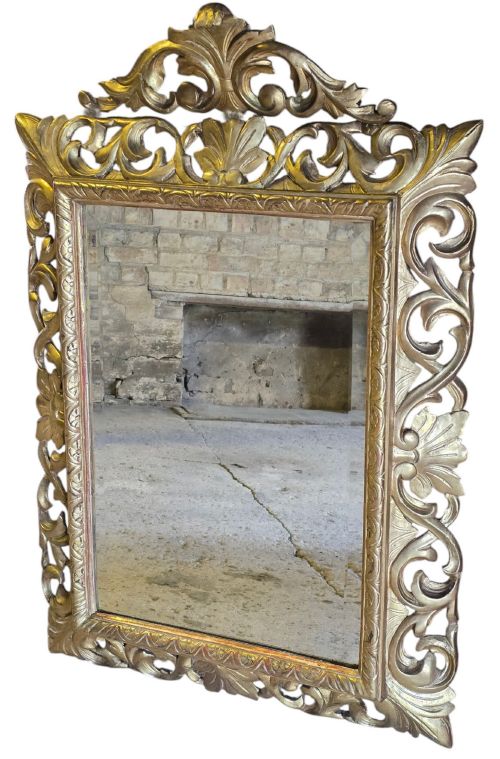
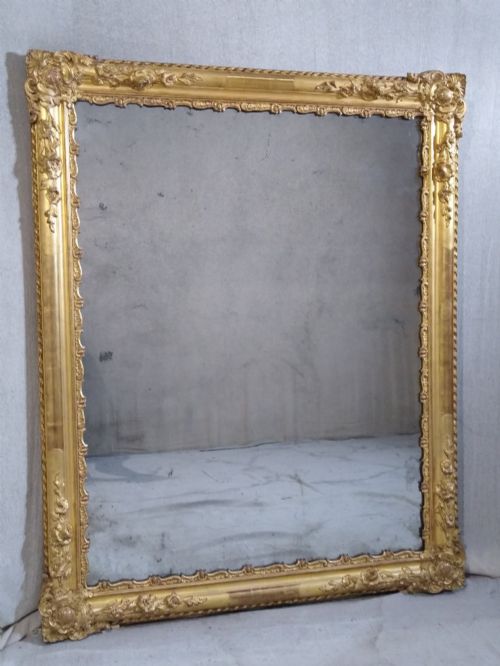
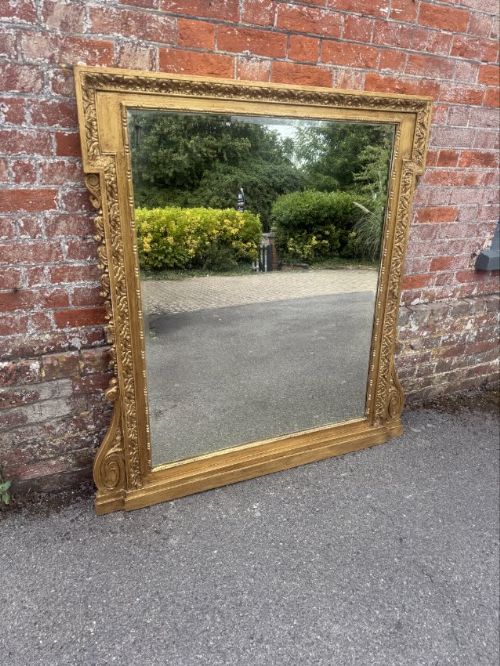
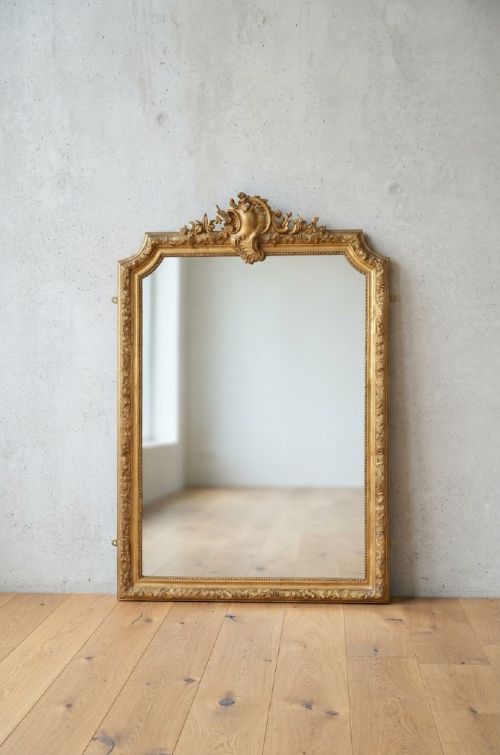
An ornate fireplace mirror commands a room, reflecting light and shifting the scale of a hearth through centuries of gilding and carved form.
What these mirrors are
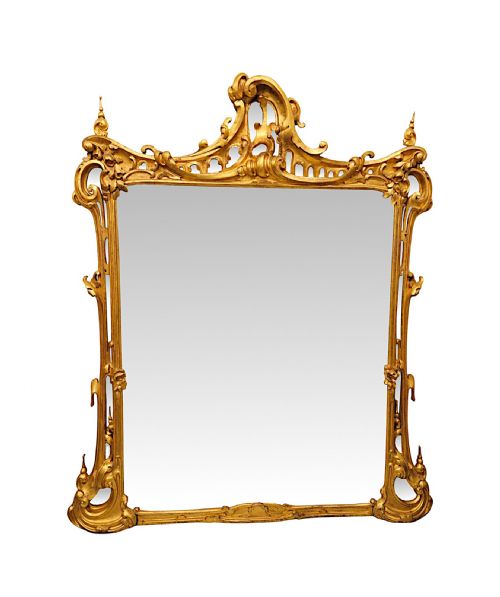
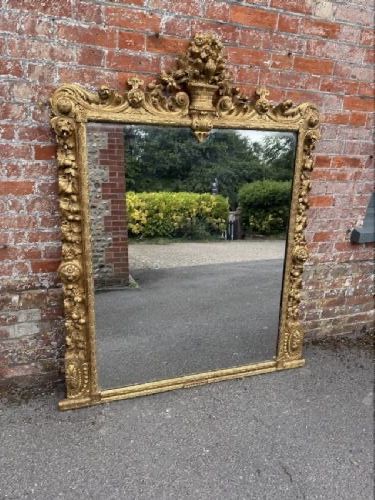
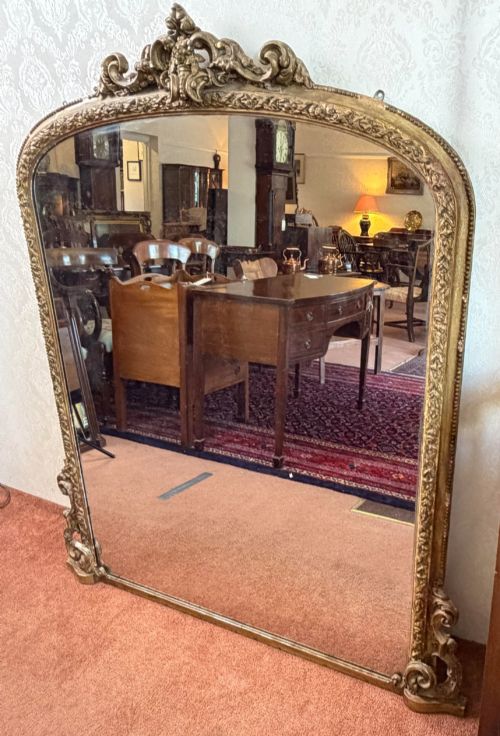
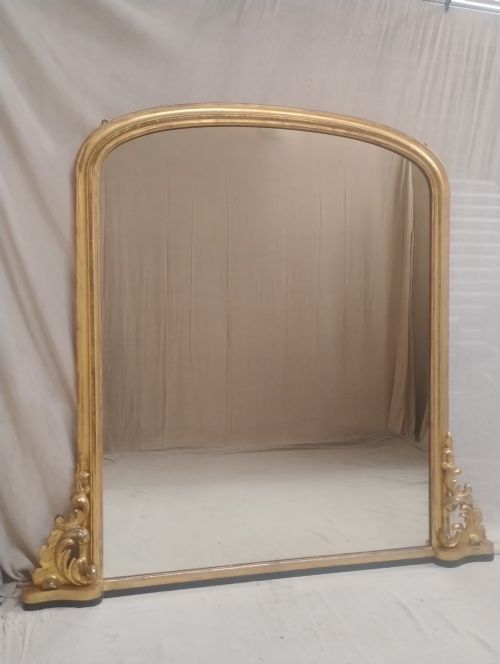
An ornate fireplace mirror takes the form of an overmantel mirror designed to sit directly above a hearth. These pieces command attention in any room through their generous proportions and heavy architectural presence.
The selections encountered here stretch across the nineteenth and twentieth centuries, taking in Victorian, High Victorian, and French Rococo Revival styles. Collectors meet large castle or country house formats alongside wide shapes and shaped top configurations.
The core type seen on this page is the overmantel mirror, spanning periods from eighteen-sixty through to nineteen-sixty. Each piece brings the scale of a French chateau or a traditional English country house directly to the domestic interior.
How they were made
Carved wood provides the structural foundation for these heavy frames, joined with applied gesso and composition ornament. Artisans modelled intricate scrolls and foliage in soft gesso before applying gold leaf or liquid gilding to the surfaces.
Mirror glass is set within these robust wooden carcasses, often reflecting the specific manufacturing tolerances of nineteenth and twentieth-century glass production. The combination of carved wood, gesso, and gold leaf creates a heavy, durable assembly built to endure above a heat source.
Retail Price Guide 2026
Typical UK retail prices for ornate fireplace mirror, calculated from the Sellingantiques database of over a million retail prices indexed since 2003. This retail price guide relies exclusively on Sellingantiques data; no external sources or auction records are used, so the figures do not describe the wider market.
Listings feature pieces spanning from the mid-nineteenth century through the nineteen-sixties, utilising carved wood, gesso, and gold leaf.
What varies in quality
The depth and crispness of the carved wood and gesso ornamentation separate standard production from finer work. High-quality examples display deep undercut carving and precise modelling in the composition details rather than soft, blurred relief.
The application of gold leaf versus plain gilt finishes dictates the visual richness of the surface. Superior pieces show the warm tonality of genuine gold leaf laid over prepared gesso grounds, whereas lesser items rely on uniform modern metallic paints.
The Ornate Fireplace Mirror Glossary
- Overmantel mirror
- A large mirror specifically proportioned to hang on the wall directly above a mantelpiece or fireplace. These objects were traditionally designed to reflect light from the hearth into the wider room.
- Gesso
- A plaster-like mixture applied to wood frames to create a smooth surface for carving and gilding. Artisans built up layers of gesso to model intricate three-dimensional decorative motifs.
- Giltwood
- Timber that has been coated with gold leaf or metallic paint. This finish creates the bright, reflective surfaces characteristic of formal period interior decoration.
- Composition
- A moulded material made from whiting, resin, glue, and linseed oil, pressed into decorative ornaments for frames. It allowed makers to produce complex repeating patterns quickly.
- Rococo Revival
- A nineteenth-century design movement characterised by asymmetrical scrolls, shell motifs, and naturalistic floral forms. This style drew inspiration from eighteenth-century French decorative arts.
Frequently Asked Questions
How do I hang a heavy overmantel mirror?
These substantial frames require secure fixing directly into masonry or heavy wall studs using appropriate brackets.
Because the timber and glass combination carries considerable weight, professional installation ensures the piece remains safely anchored above the fireplace.
What is the difference between an overmantel and a standard wall mirror?
An overmantel mirror is specifically proportioned in a wide or large format to match the horizontal span of a fireplace breast.
Standard wall mirrors generally follow more balanced vertical or square dimensions suited to general room placement.
How do I date a giltwood mirror?
Dating relies on examining the construction methods of the wooden carcass, the composition of the gesso, and the style of the carving.
Victorian and Rococo Revival pieces display specific decorative motifs and material layering that distinguish them from later twentieth-century interpretations.
Can these mirrors be cleaned safely?
Dusting the carved gesso and giltwood surfaces with a soft, dry brush prevents the buildup of grime without damaging the finish.
Harsh chemical cleaners must be kept away from the gilded areas to preserve the integrity of the gold leaf or paint.