



Ornate Fire Surround
An ornate fire surround grounds a room with heavy cast iron, gleaming brass and intricate rococo detail.
Ornate Fire Surround
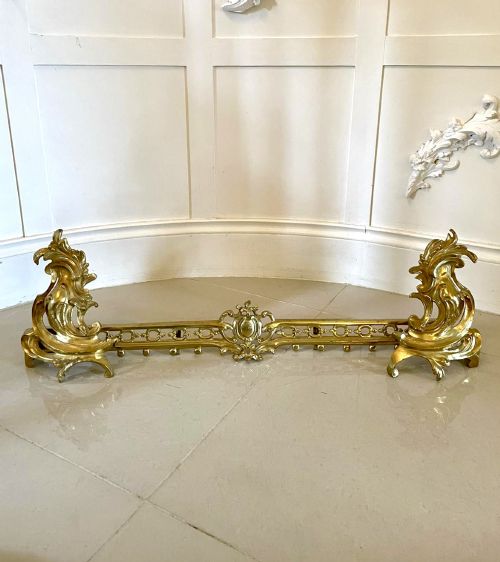
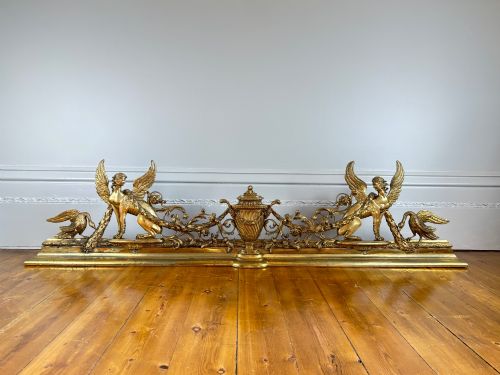
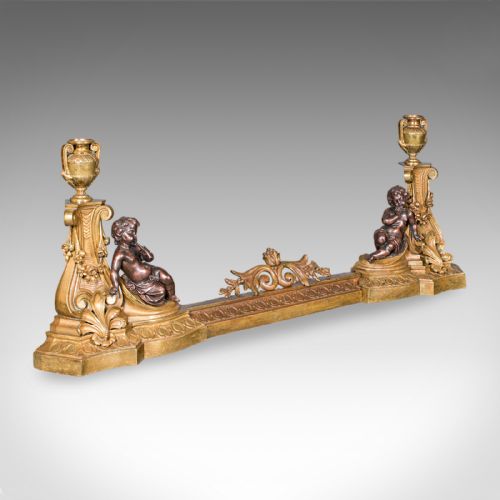
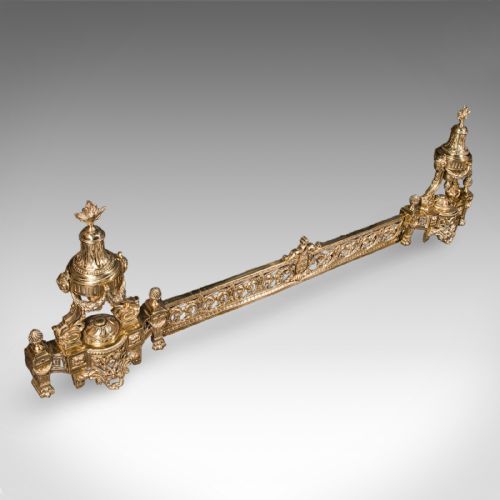
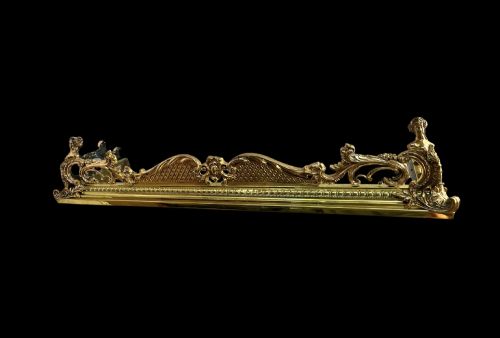
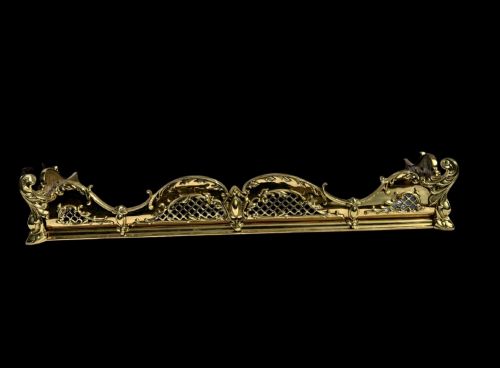
When you search for an ornate fire surround, you encounter a collection of hearth fenders, fireplace accessories and fire kerbs designed to contain embers and frame the hearth. These pieces anchor the fireplace with substantial metalwork and decorative castings.
You are most likely to meet Victorian brass and cast iron fenders on this page, alongside French Rococo and Louis XV styles. Many examples incorporate adjustable mechanisms, extending to fit various hearth widths while maintaining their ornate borders.
How they were made
Makers utilised heavy cast iron and brass, often combining steel components for structural strength in adjustable frames. Metal casting and forging created the foundational shape of the kerb.
Finishes include gilt bronze, ormolu, and gilded brass applied to highlight relief work such as garlands and scrollwork. Skilled metalworkers chased the surfaces to achieve crisp definition in the revival styles.
What varies in quality
The distinction between standard examples and finer pieces lies in the crispness of the casting and the weight of the metal. Heavier gauge brass and deeply chased ormolu indicate superior workshop production.
Proportion and decorative restraint separate mass production from exceptional design. Superior items integrate pierced galleries and applied garlands with precise joins and robust adjusting mechanisms.
E F Caldwell New York
The Ornate Fire Surround Glossary
- Fender
- A low metal guard placed around the hearth to keep burning coals and ash from spilling onto the floor.
- Ormolu
- Finely ground high-carat gold applied to a bronze base, creating a rich golden finish characteristic of French decorative metalwork.
- Chenet
- An alternative term for firedogs or ornamental metal supports placed at the hearth.
- Kerb
- The structural border or frame of the fender enclosing the fireplace opening.
- Gilt
- A thin layer of gold applied to the surface of brass or bronze to simulate solid gold metalwork.
Ornate Fire Surround: Frequently Asked Questions
How do I measure my fireplace for a fender?
Measure the width of the hearth opening and the clearance available on the floor surrounding the hearth. Many period pieces offer adjustable lengths to accommodate different masonry dimensions.
Ensure you account for the depth of the hearth so the kerb sits securely without obstructing foot traffic or hearth tiles.
Can these fenders be adjusted to fit?
Many nineteenth century examples feature sliding mechanisms that allow the metal frame to expand or contract. This design enabled them to fit various hearth sizes.
Check the listing details to confirm if the specific piece uses an extending bar or fixed corner construction.
How do I clean antique brass and iron?
Dust regularly with a dry cloth and avoid harsh chemical polishes that strip historic patination. Gentle dusting preserves the aged surface.
Cast iron components benefit from a light application of protective wax to prevent oxidation in rooms with fluctuating humidity.
What is the difference between a fender and a fireguard?
A fender sits low on the floor around the hearth perimeter to contain stray embers. It acts as a physical boundary for the fire.
A fireguard stands taller to block sparks from leaping out into the room, often featuring mesh or screen panels.