





Ornate Cast Iron Stand
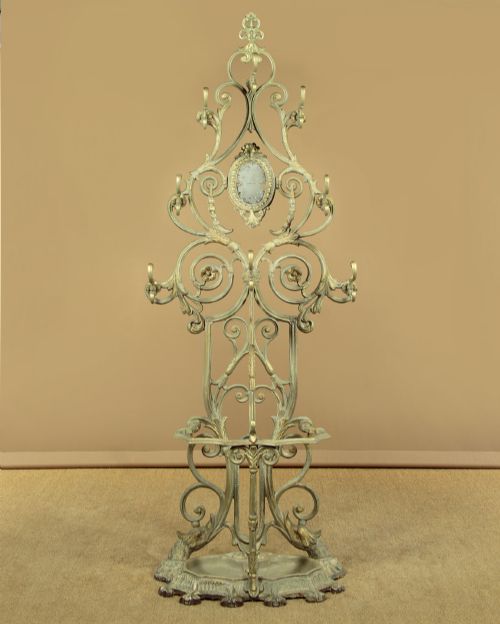
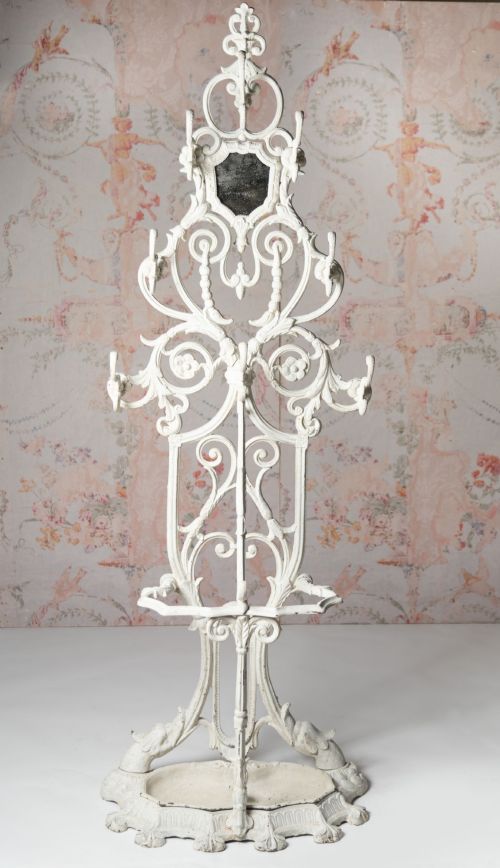
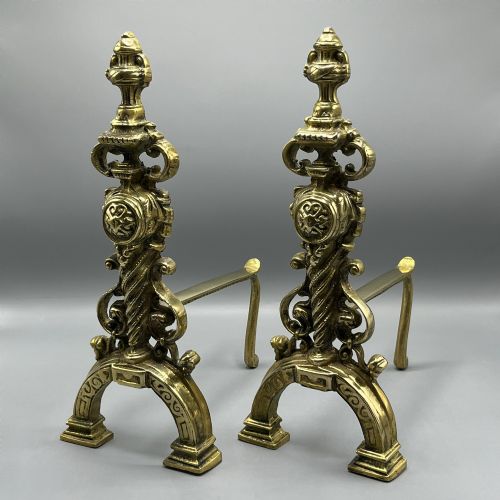
An ornate cast iron stand brings robust utility and intricate Victorian flourish to an entranceway or garden, offering a durable framework for walking sticks, plants, or coats.
Ornate Cast Iron Stand
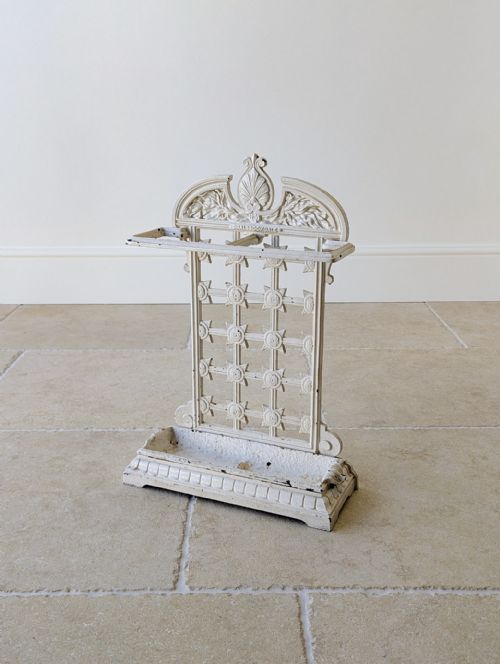
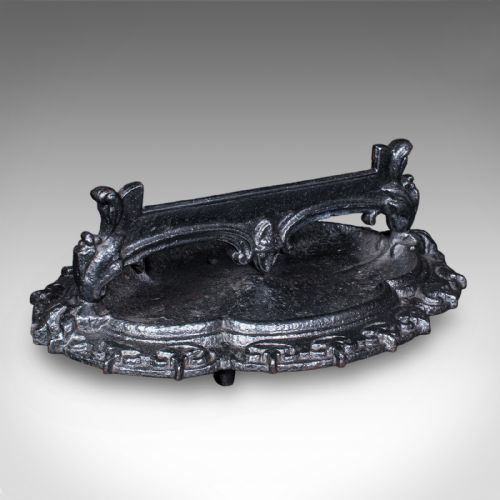
An ornate cast iron stand encompasses heavy metal furnishings designed primarily for hallway storage or garden display, with umbrella and stick stands appearing most frequently alongside plant tiers and hall stands.
The pieces span the nineteenth and early twentieth centuries, drawing heavily upon Victorian, Edwardian, and Regency aesthetics. Makers deployed elaborate casting techniques to merge domestic practicality with sculptural form.
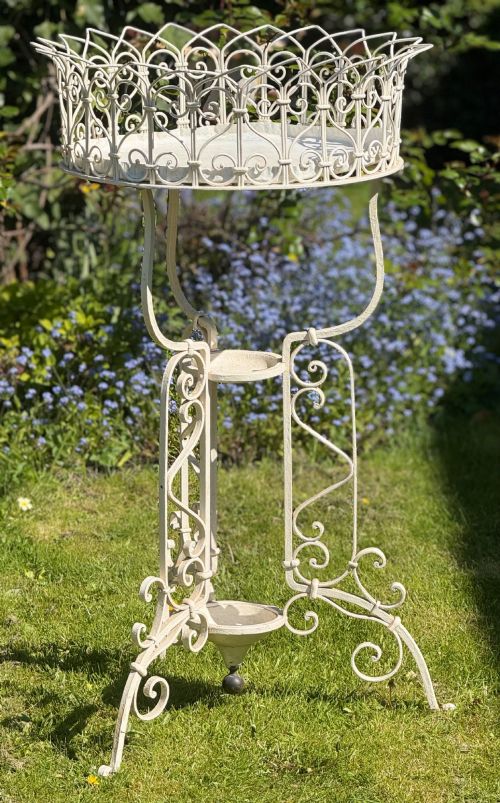
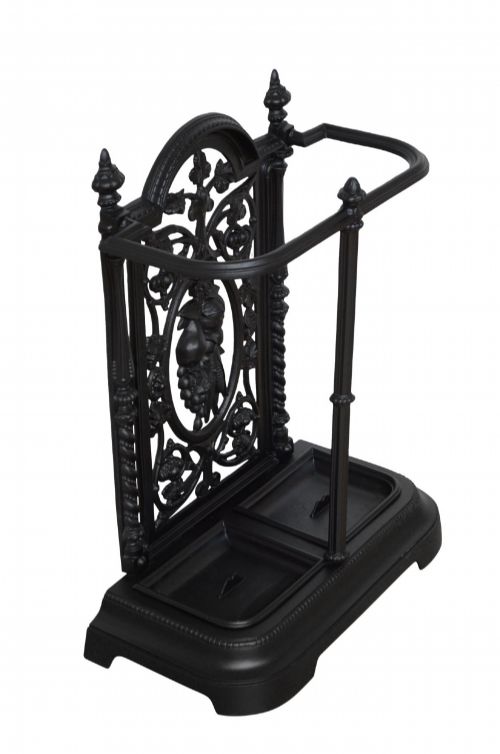
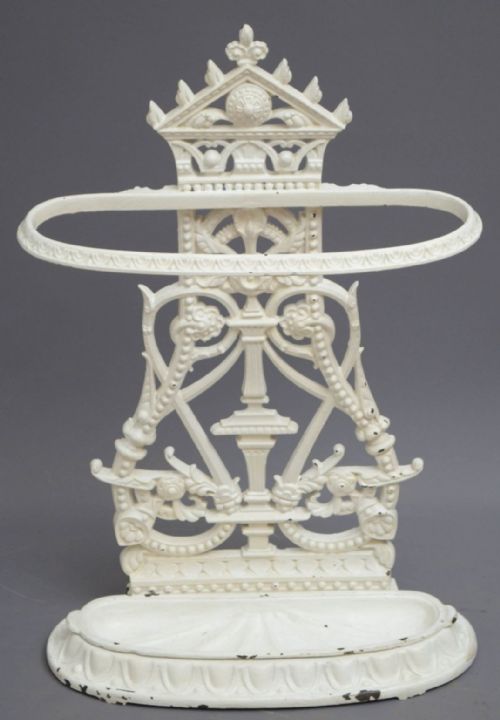
Hall stands and umbrella holders dominate the selection, often featuring designated loops for walking sticks and drip pans beneath. Plant stands and jardiniere supports also emerge frequently, bringing structured weight to greenery.
Materials and casting methods
Foundries utilised molten iron poured into detailed moulds to achieve the crisp relief work characteristic of the period. This heavy metal framework was frequently combined with applied paint finishes, whilst some pieces integrated glass, solid brass, or firebrick components.
Wrought iron appears alongside cast iron in structural elements, providing tensile strength where slender supports were required. Assembly typically involved threaded bolts and structural joints to secure substantial trays and frames.
Listings feature Victorian, Edwardian, and Regency periods, utilising cast iron, wrought iron, solid brass, and glass across umbrella stands, plant holders, and hall furniture.
Factors of quality and design
The refinement of the casting separates standard production from exceptional examples, with finer pieces displaying deep, sharp relief and delicate openwork rather than softened edges. Proportional balance and the complexity of the scrollwork or figural motifs dictate the upper tier of design.
Maker attribution elevates certain works, particularly foundry output associated with Coalbrookdale designs. The preservation of original painted surfaces and the inclusion of matching drip trays further distinguish superior survivals.
Coalbrookdale
The Ornate Cast Iron Stand Glossary
- Cast iron
- An iron-carbon alloy poured into moulds to create rigid, highly detailed objects. It provides the dense weight necessary for stable umbrella and plant stands.
- Jardiniere
- An ornamental pot or stand for holding plants or flowers. These items often feature elevated cast iron frames designed for interior or garden placement.
- Hall stand
- A combined piece of hallway furniture incorporating hooks, mirror frames, and umbrella storage. They organise entranceways using heavy metal and wooden elements.
- Drip pan
- A shallow tray positioned beneath stick and umbrella holders to catch moisture. Original trays complete the utility of the stand.
- Adam style
- A neoclassical design vocabulary characterised by symmetrical urns, husks, and delicate swags. This aesthetic influenced lighter Regency ironwork.
Ornate Cast Iron Stand: Frequently Asked Questions
What is an ornate cast iron stand used for?
These metal stands serve primarily to organise hallways by holding walking sticks, umbrellas, and coats in an upright position. Alternatively, smaller tiered versions function as plant stands or garden furniture.
Their substantial weight makes them stable enough to support wet weather gear and heavy foliage without tipping over.
How do I date an antique cast iron stand?
Dating relies on stylistic clues such as Victorian Gothic revival motifs, Edwardian simplicity, or Regency neoclassical details. Foundry marks and registration numbers cast into the reverse can also pinpoint the manufacturing era.
The complexity of the surface ornamentation often aligns with Victorian production periods when decorative iron foundries flourished.
Where should I place a cast iron stand at home?
An entrance hall or boot room provides the traditional setting for umbrella and coat stands, where their practical storage shines. Garden terraces and conservatories suit plant stands and jardiniere supports.
Ensure heavy pieces rest on stable flooring capable of supporting dense metalwork and damp environments.
Are cast iron stands difficult to maintain?
Maintenance involves keeping painted surfaces dry and checking for active rust in areas exposed to moisture, particularly around umbrella drip trays. Gentle cleaning with a soft brush preserves the fine casting details.
Applying a light wax or protective coating helps safeguard the metal without altering the historic finish.