


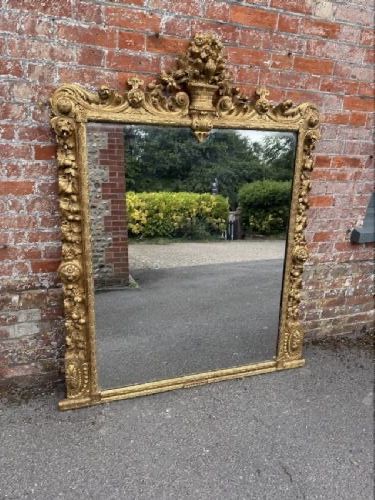
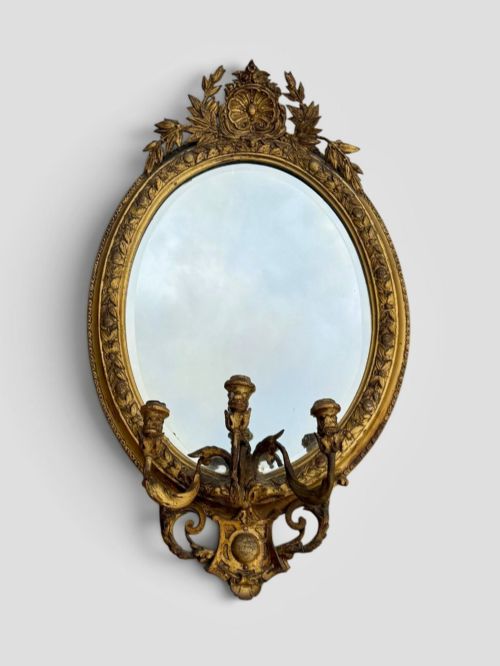
Ornate Carved Wall Mirror
An ornate carved wall mirror brings a room to life, catching the light and opening up smaller spaces with centuries of craft behind it.
Ornate Carved Wall Mirror
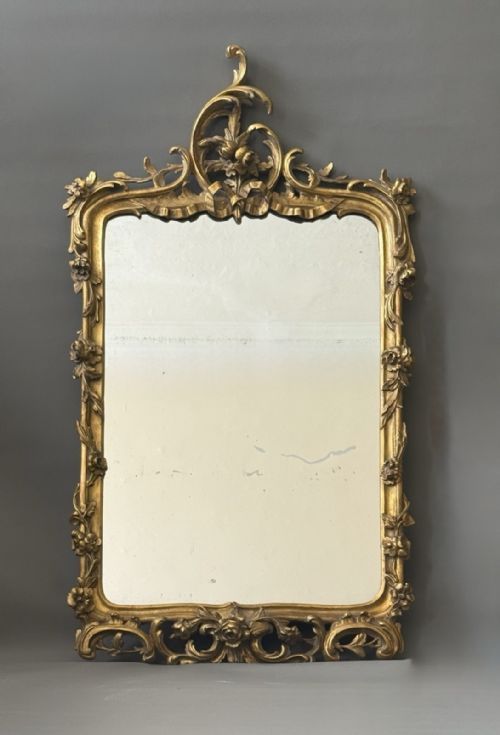
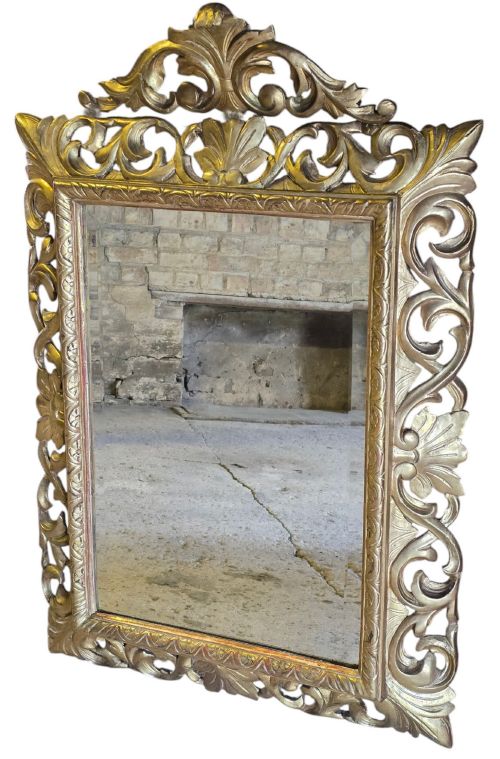
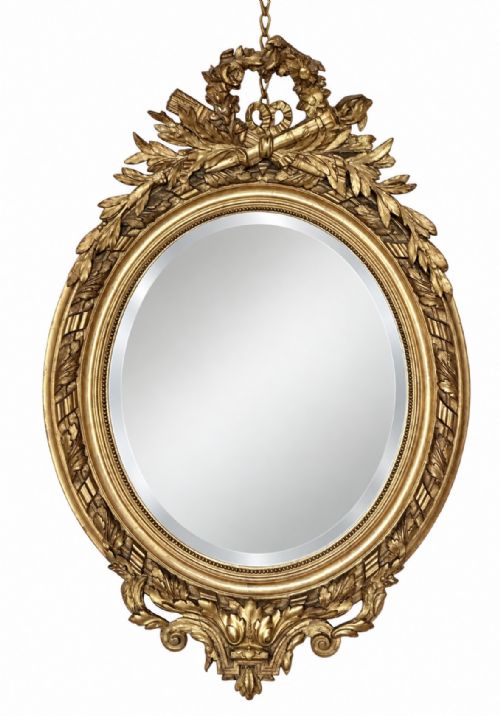
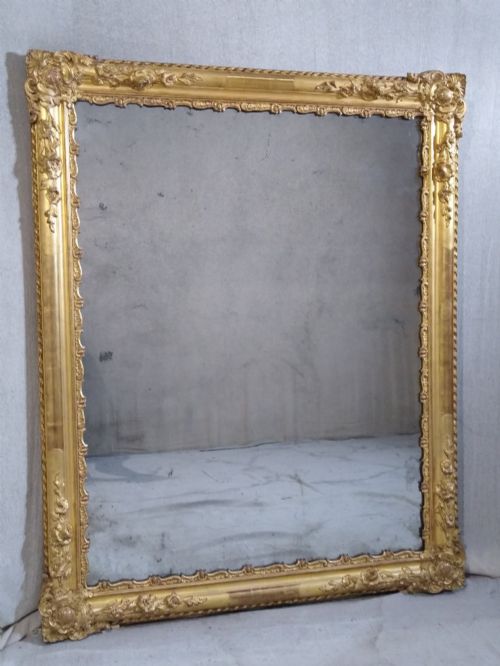
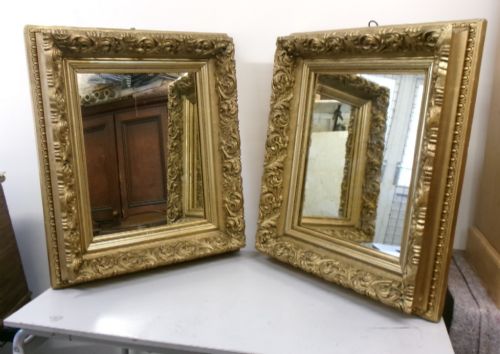
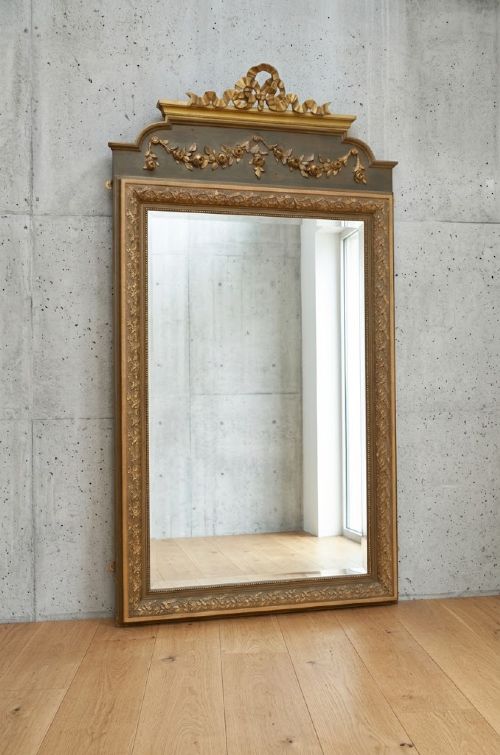
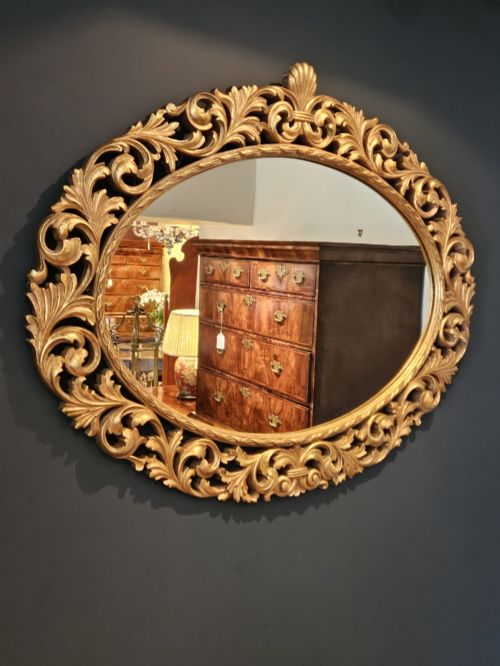
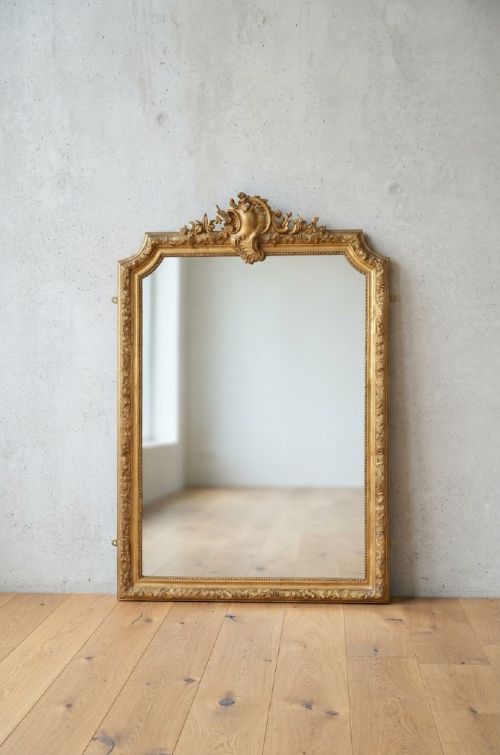
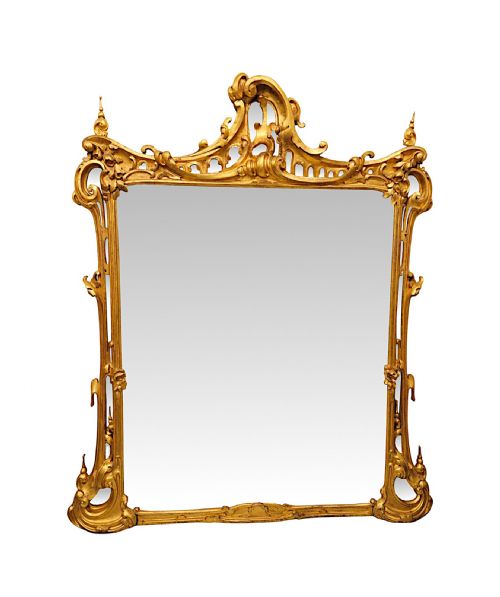
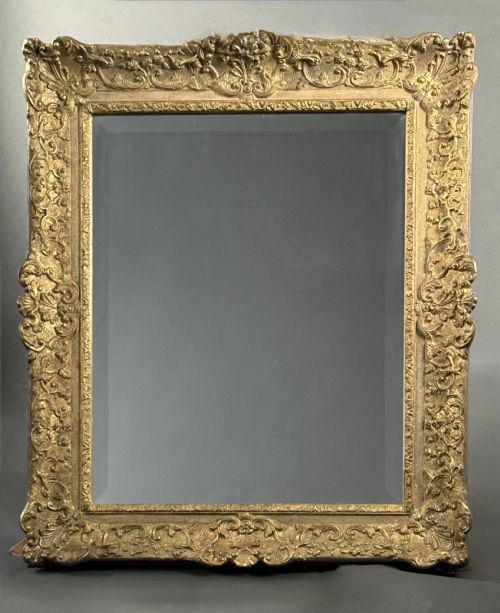
When searching for an ornate carved wall mirror, buyers encounter a diverse selection spanning the eighteenth, nineteenth, and early twentieth centuries. These pieces encompass substantial overmantel mirrors designed for chimney breasts, tall leaner mirrors, and smaller decorative wall fixtures.
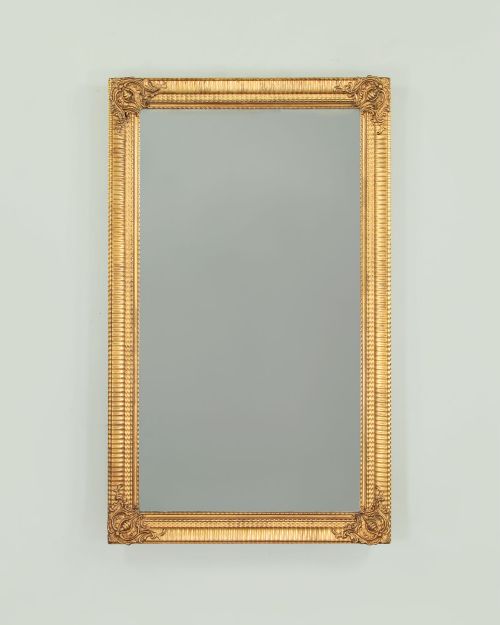
The most common examples on this page hail from the nineteenth century, reflecting Victorian and French Rococo Revival tastes. These items combine functional reflective glass with deeply carved wooden frames finished in giltwood, gesso, or paint.
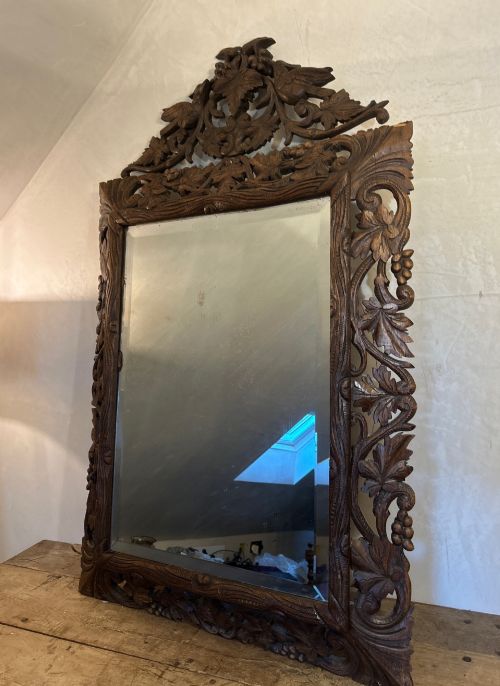
Originating from French, Italian, and English workshops, the selection includes pier glasses, girandoles with candle sconces, and oval or arch-topped wall mirrors. Each style demonstrates the decorative ambitions of its period, from restrained English carved oak to flamboyant continental gilt gesso.
Materials and construction methods
Makers shaped the heavy frames of an ornate carved wall mirror from timber such as oak, walnut, or pine, applying carved wooden elements or moulded composition details to the surface. Gesso, a plaster-like mixture, was laid over the wood to build up crisp, sculptural relief before gilding.
Workers applied gold leaf or silver-gilt layers onto the prepared gesso and wood grounds, often burnishing parts to a bright finish while leaving other areas matte. Glass plates, sometimes antique, foxed, or bevelled, were secured into the backs of these intricate frames.
Ornate Carved Wall Mirror Retail Price Guide 2026
Typical asking prices for ornate carved wall mirror among the pieces listed under this phrase on Sellingantiques today, from the lower quarter to the upper quarter. They describe what is for sale here now, not the wider market.
Materials recorded on this page include walnut, oak, carved timber, gesso, gold leaf, and bevelled mirror glass.
Distinctions in quality and execution
The depth and sharpness of the carving dictate the quality of an ornate carved wall mirror, separating hand-chiselled wooden detail from mass-produced composition ornament. Superior examples display undercut foliage, scrolls, and figures with crisp edges that retain their definition beneath layers of historic gilding.
The integrity of the frame construction and the preservation of the original giltwood or paint surface determine the desirability of a piece. High-grade items maintain their original mirror plates and structural rigidity, whereas lesser pieces show heavy losses to the gesso relief and clumsy later repainting.
The Ornate Carved Wall Mirror Glossary
- Giltwood
- Wood that has been coated with gold leaf or gold paint. This finish defines the reflective brilliance of many period frames.
- Gesso
- A plaster mixture applied to wood frames to create a smooth surface for carving or moulding. It accepts fine detail before gilding.
- Overmantel mirror
- A large mirror specifically proportioned to hang above a fireplace mantelpiece. These pieces often anchor the decorative scheme of a formal room.
- Girandole
- A decorative wall mirror featuring attached candle sconces or branches. The candleholders multiply the flickering light in a dim interior.
- Foxed glass
- Mirror glass marked by age-related spots, corrosion, and dark patches. This natural oxidation gives antique plates a characteristic mottled appearance.
- Pier glass
- A tall, narrow mirror designed to hang on the wall space between windows. They maximise available daylight in traditional rooms.
Ornate Carved Wall Mirror: Frequently Asked Questions
Can I place these mirrors in a bathroom or hallway?
These pieces suit hallways and reception rooms where ambient moisture levels remain stable and controlled.
Bathrooms present risks to historic gesso and giltwood surfaces because steam can damage the ancient adhesives and accelerate the degradation of the mirror plate.
How do I clean antique mirror glass and gilt frames?
Dust gilt frames gently with a soft, dry brush and avoid liquid cleaners that strip historic gold leaf or gesso.
Clean the glass plate sparingly using a cloth dampened slightly with distilled water, taking care not to let moisture seep behind the rebate.
How do I tell a Victorian piece from an eighteenth-century original?
Eighteenth-century examples often display hand-carved pine or hardwood frames with layered gesso unique to earlier cabinet-making traditions.
Victorian and Rococo Revival pieces from the nineteenth century frequently employ heavier moulded composition ornaments alongside machine-drawn or thicker glass plates.