


Ornate Carved Throne
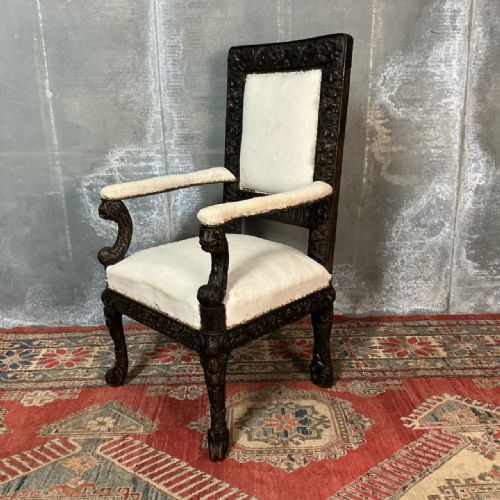
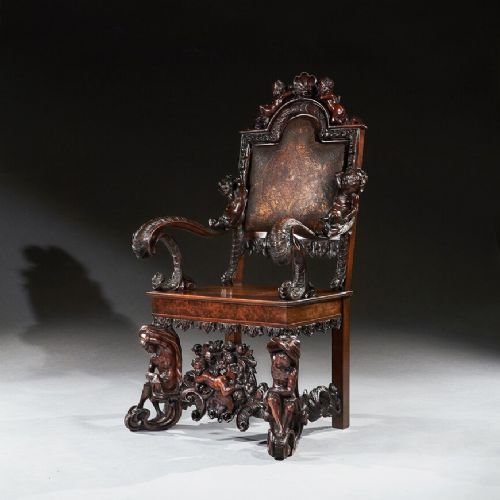
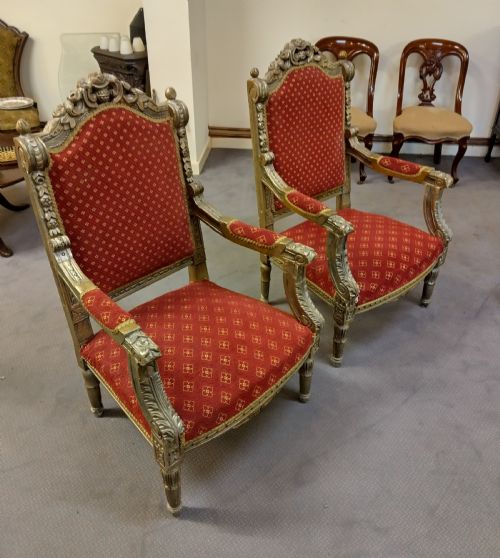
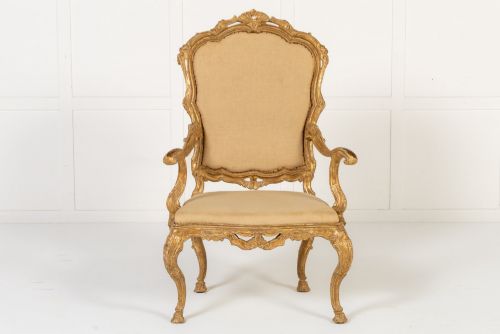
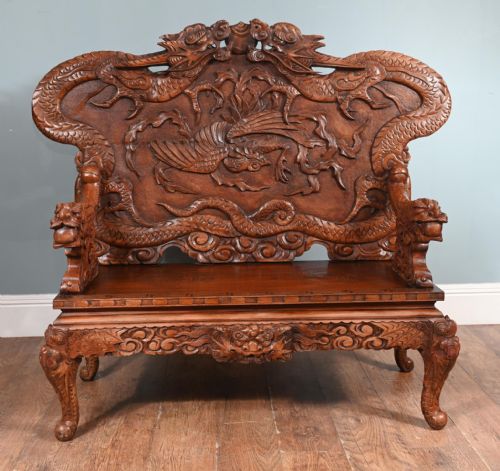
An ornate carved throne commands any room with heavy timber, deep relief work, and historic upholstery.
Ornate Carved Throne
An ornate carved throne brings monumental presence and heavy historic styling into a domestic interior. When searching for an ornate carved throne, buyers encounter massive ceremonial seating originating from various global traditions.
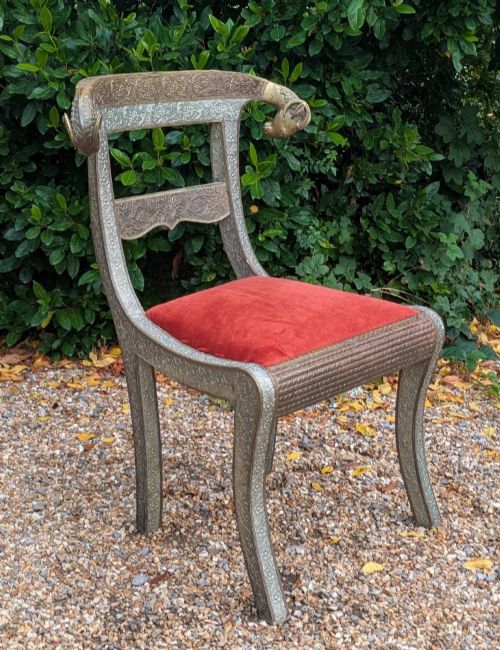
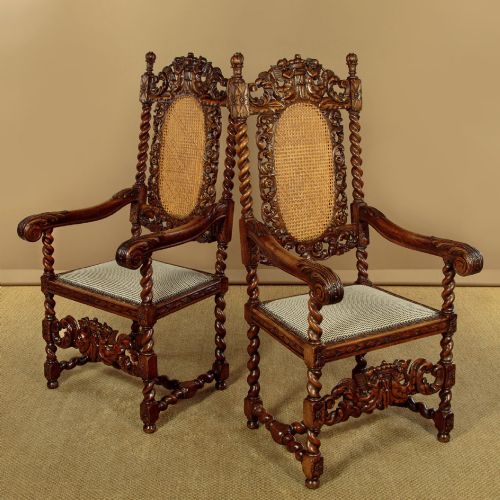
The selections span the nineteenth century and the Victorian era, heavily leaning towards revivalist European forms and elaborate Asian or Indian export pieces. Buyers meet imposing armchairs, heavy hall chairs, and ceremonial temple seating rather than modest domestic furniture.
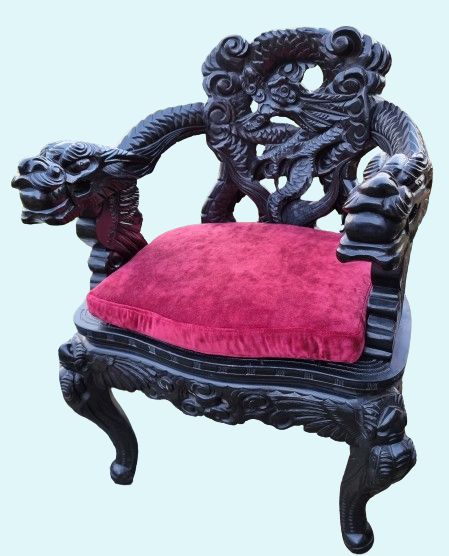
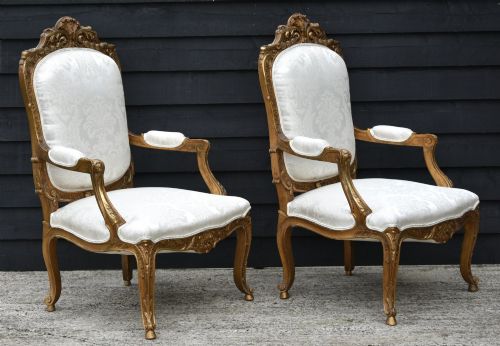
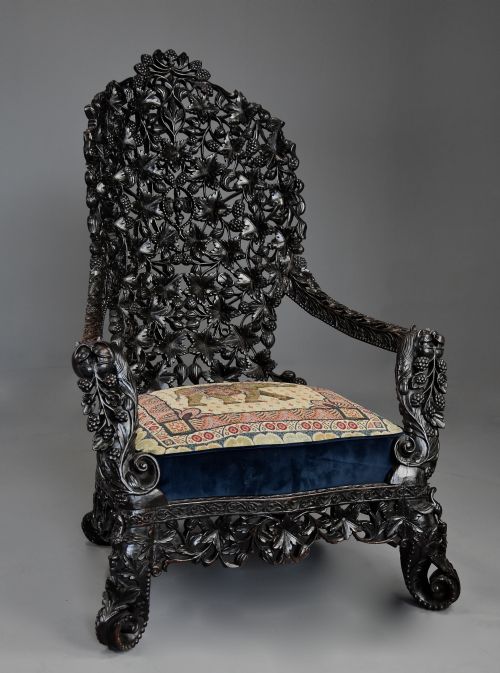
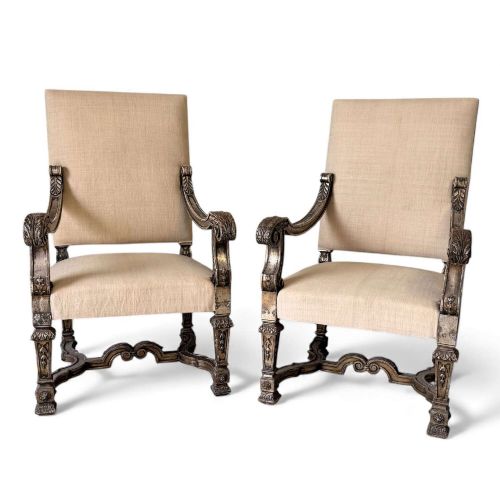
European examples draw on Baroque, Renaissance, and Gothic revivals executed in walnut, oak, and giltwood. Non-European variations utilise teak, hardwood, and blackwood, often featuring intricate figural carvings such as rams heads, dragons, and peacocks.
How they were made
Construction relies on dense timbers including oak, walnut, teak, and various oriental hardwoods, selected for their ability to support deep, structural relief carving without failing. Joinery is substantial, often concealed beneath elaborate mouldings and figural ornamentation.
Surface finish varies from giltwood and gilded highlights to cinnabar lacquer, painted pigments, and bleached oak. Upholstery materials recorded in the evidence include velvet, leather, and textured fabric, integrated directly into the heavily decorated frames.
Listings demonstrate a strong presence of nineteenth-century revival styles, featuring oak, walnut, and giltwood alongside imported oriental hardwoods.
What varies in quality
Quality rests in the depth, precision, and spirit of the hand carving across the timber frame. Pieces executed with crisp undercut relief and confident figural detailing stand apart from flatter, mechanical work.
Materials dictate the upper tier, where exhibition pieces utilise exhibition-grade walnut, solid giltwood, or intricate cinnabar lacquer. The integration of the upholstery and the integrity of the original gilded or painted finishes complete the distinction between standard seating and masterworks.
Andrea Brustolon
The Ornate Carved Throne Glossary
- Giltwood
- Wood that has been coated with thin gold leaf or a gold-coloured finish. This technique illuminates the carved details under ambient light.
- Baroque Revival
- A nineteenth-century style that emulates the dramatic, exuberant ornamentation of the seventeenth-century Baroque period. It uses bold scrolls and heavy proportions.
- Cinnabar Lacquer
- A decorative technique involving multiple layers of red lacquer applied to a base and carved away to reveal deep patterns. It appears on significant Asian export pieces.
- Gothic Revival
- An architectural and decorative style drawing inspiration from medieval forms. These pieces often incorporate pointed arches and tracery.
- Hardwood
- Timber derived from broad-leaved trees, offering the density required for intricate, lasting relief work.
Ornate Carved Throne: Frequently Asked Questions
How do I style a throne chair?
Place the chair in a spacious hall, library, or drawing room where its monumental proportions can command the surrounding space. Let it stand alone as a primary focal point rather than crowding it with smaller furniture.
Pair the piece with neutral walls and minimal accessories to highlight the intricate timber carving and historic upholstery. The historic weight of the timber balances well against simpler architectural backdrops.
How do I identify a nineteenth-century piece?
Nineteenth-century ornate chairs usually display revivalist aesthetics rooted in Victorian tastes. Look for deep machine-assisted or hand-chiseled relief work applied to dense timbers like walnut and oak.
Examine the construction methods and the wear on the gilt or timber surfaces. Many pieces from this era carry specific design influences from French Rococo or Italian Baroque revivals.
Were these chairs meant for everyday use?
Many of these pieces served ceremonial, exhibition, or hall functions rather than casual lounging. Their imposing scale and rigid high backs were designed to project status and authority.
While comfortable enough for occasional seating, their primary historical purpose was visual impact. Treat them as significant historic sculptures that happen to function as chairs.