

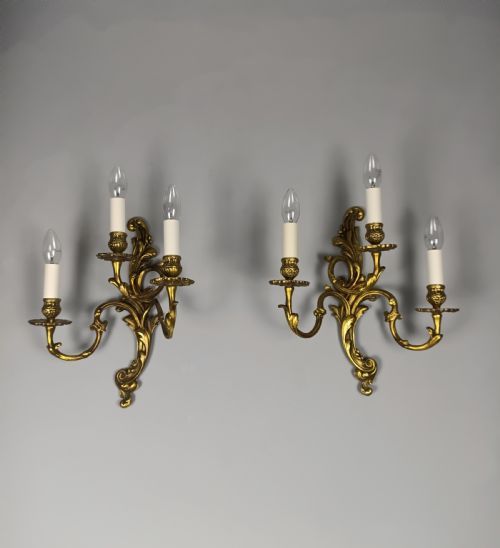

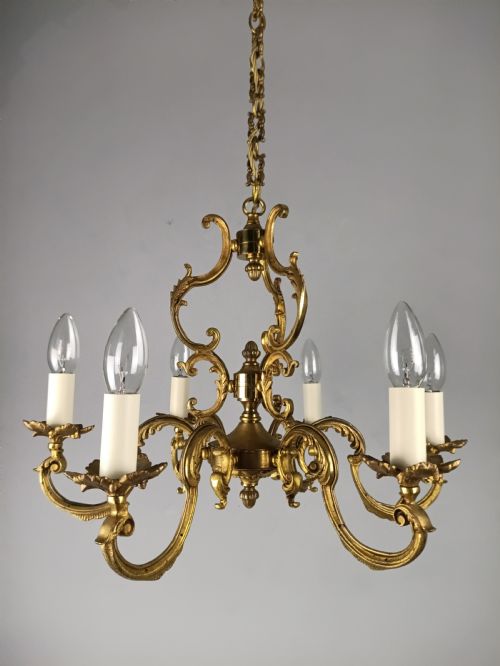


Ornate Bronze Light Fixture
An ornate bronze light fixture brings heavy metalwork and intricate casting into a room, offering both illumination and formal presence.
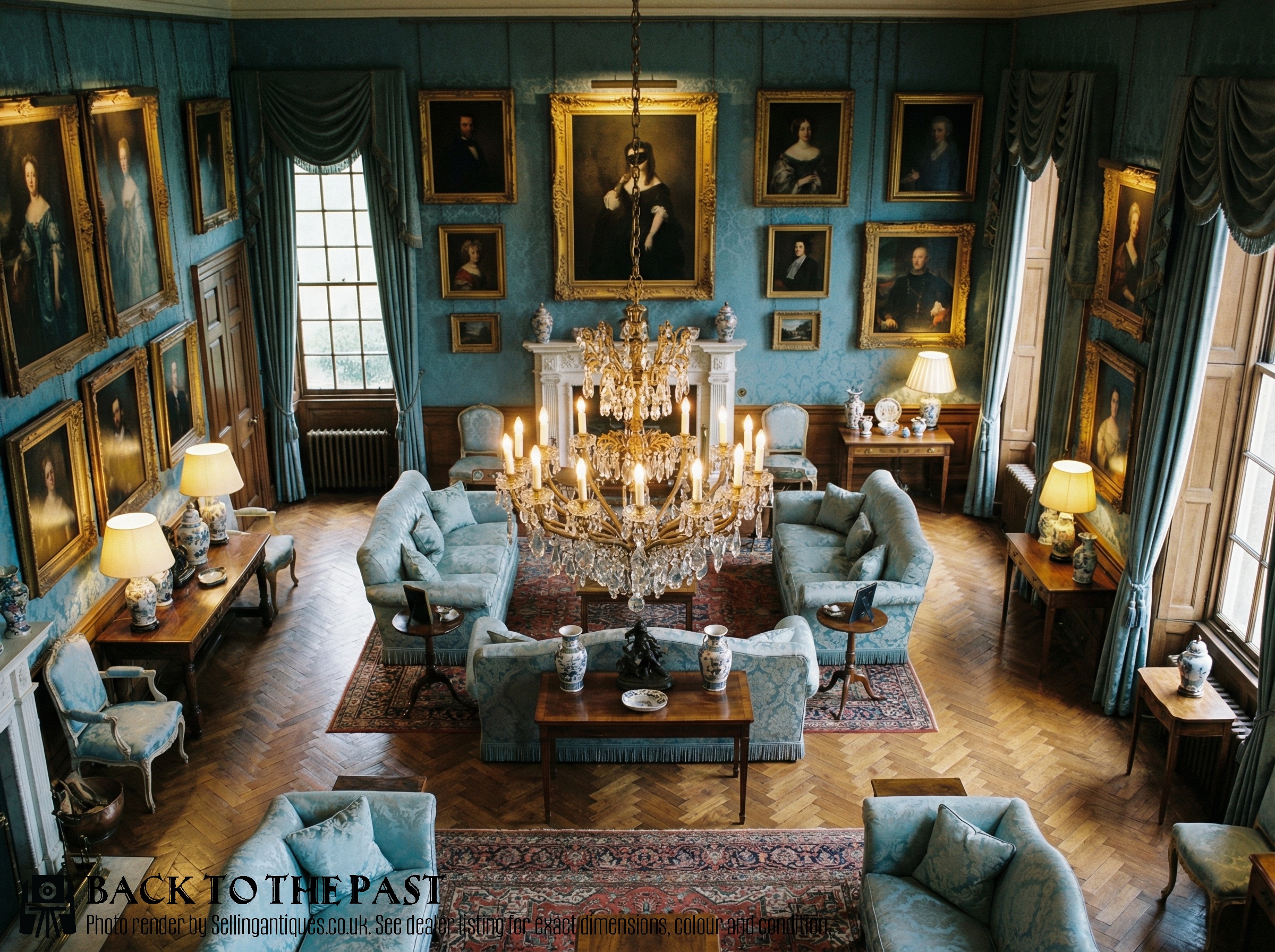
Ornate Bronze Light Fixture
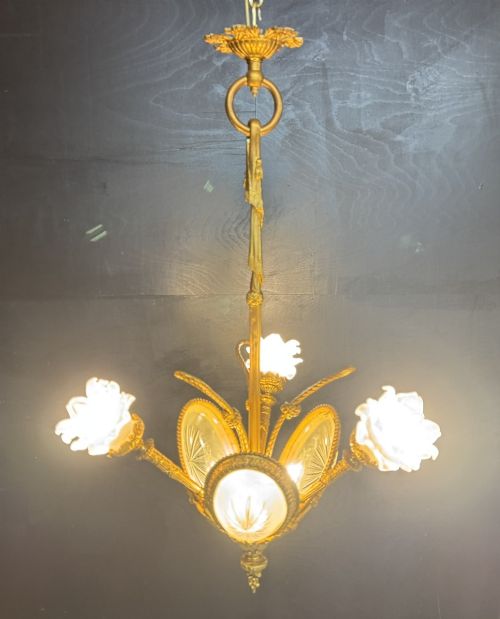
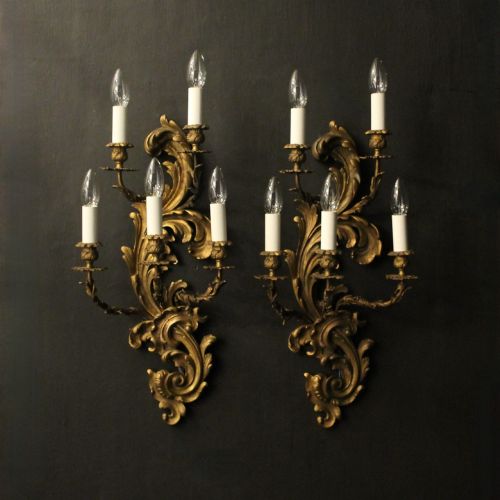
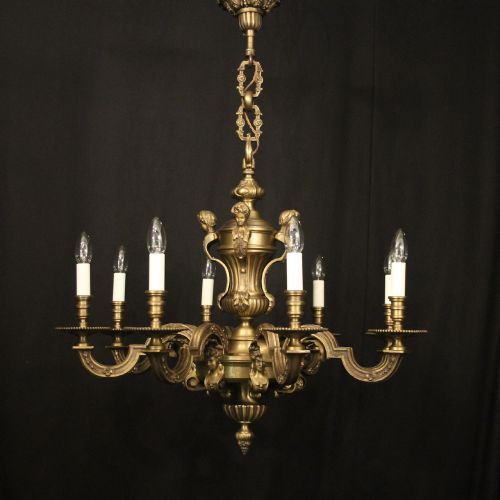
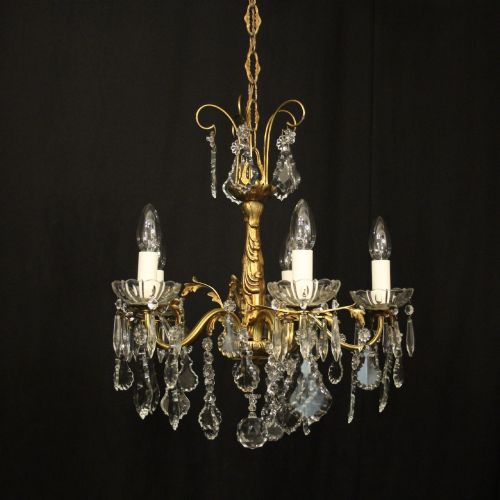
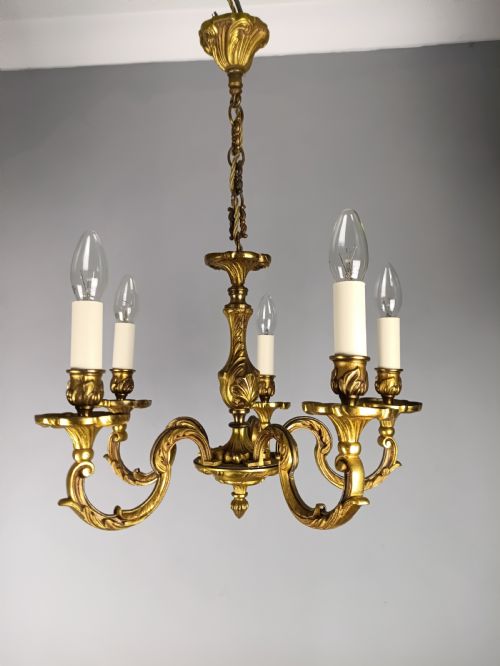
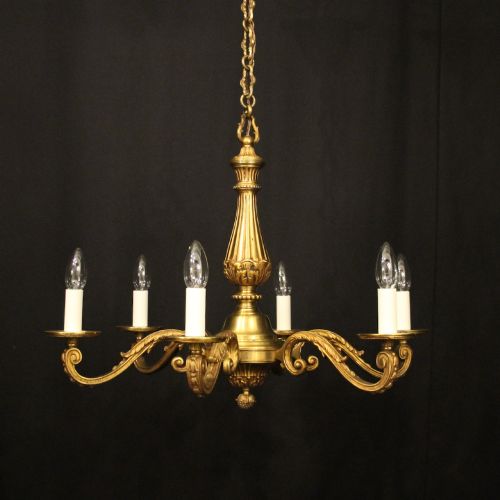
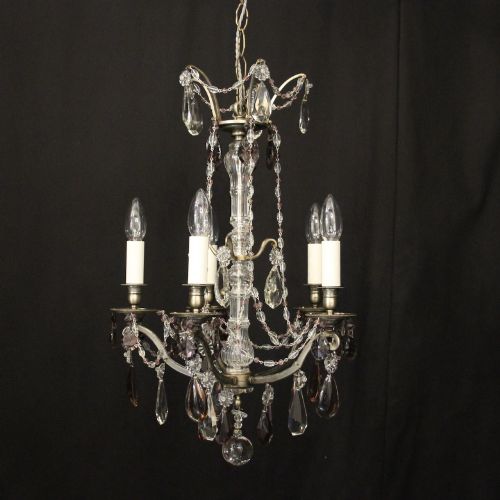
You are most likely to meet multi-light chandeliers and paired wall lights finished in gilt bronze, brass, or ormolu. These pieces often incorporate glass or crystal elements to catch and refract the light from multiple branches.
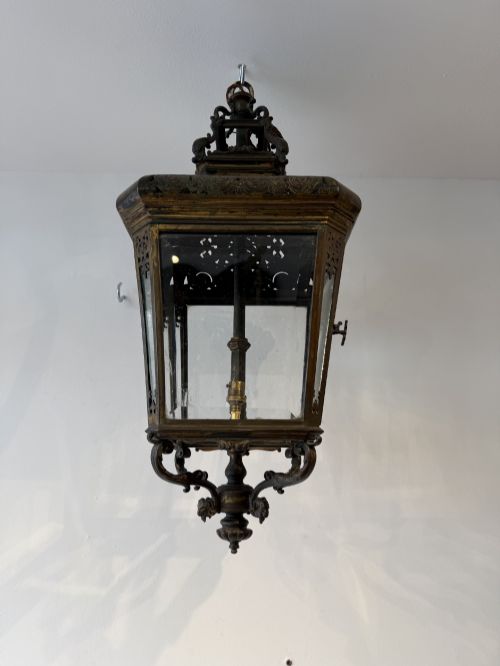
The objects originate from varied domestic and decorative contexts, reflecting decades of European metalwork traditions. From hall lanterns to grand sixteen-light fixtures, each item serves as a substantial focal point for a ceiling or wall.
Materials and Construction
The pieces rely primarily on cast bronze, brass, and gilt metals shaped into complex armatures and detailed decorative mounts. Manufacturers utilised mercury gilding, or ormolu, and applied surface finishes to achieve a rich metallic lustre.
Glass and crystal components appear alongside metal frames in pendants, plafonnier fixtures, and lamp bases, secured to the main structure with pins or screws. Artisans combined heavy metal casting with hand-finished chasing to define the sculptural details of the foliage and scrollwork.
Ornate Bronze Light Fixture Retail Price Guide 2026
Typical asking prices for ornate bronze light fixture among the pieces listed under this phrase on Sellingantiques today, from the lower quarter to the upper quarter. They describe what is for sale here now, not the wider market.
Listings span periods from 1880 through the 1930s, encompassing Victorian, Edwardian, and Art Nouveau influences alongside French stylistic revivals.
Evaluating Quality and Execution
Quality separates through the crispness of the chasing and the weight of the cast bronze framework. Superior examples display deep, sharp relief in the ornamentation rather than soft, smoothed contours from worn moulds.
The assembly method and the integration of crystal or glass elements indicate the level of craftsmanship. Tighter joints, heavier metal gauges, and refined surface gilding distinguish the more ambitious pieces from standard commercial production.
The Ornate Bronze Light Fixture Glossary
- Ormolu
- A technique of applying finely ground, high-carat gold to a bronze object using a mercury amalgam. This process produces a durable, rich golden surface finish found on many nineteenth-century French fixtures.
- Chasing
- The hand-tooling of metal surfaces with punches and hammers after casting to refine details and add texture. Fine chasing separates high-status metalwork from plain cast items.
- Plaffonier
- A ceiling-mounted light fixture positioned flat or close against the ceiling surface. These often incorporate cut glass and gilt bronze mounts.
- Candelabra
- A branched candlestick or light fixture designed to support several light sources simultaneously. In this context, the term often describes hanging fixtures with a branched configuration.
Ornate Bronze Light Fixture: Frequently Asked Questions
Are these fixtures wired for modern electrical standards?
Many surviving pieces arrive with older wiring or have undergone rewiring to meet contemporary installation requirements. Listings often specify if a piece is ready to install or requires professional rewiring.
An electrician should inspect the internal channels and sockets before installation to ensure compliance with local electrical safety regulations.
How do I clean gilt bronze without damaging the finish?
Dust the metal gently with a soft, dry brush or microfibre cloth to remove surface particles. Avoid chemical cleaners, abrasive pastes, or metal polishes that can strip away thin gilt layers or ormolu.
Moisture can seep into old joints or crystal mounts, so keep liquids away from the surface during routine maintenance.
How do I identify French Rococo style in these fixtures?
Rococo metalwork displays asymmetrical scrollwork, C-scrolls, shell motifs, and naturalistic foliage rather than strict geometric symmetry. The arms and backplates curve organically to create a sense of movement.
This aesthetic appears frequently in nineteenth-century and 1930s reproductions influenced by earlier French decorative arts.