




Ornate Bronze Centerpiece
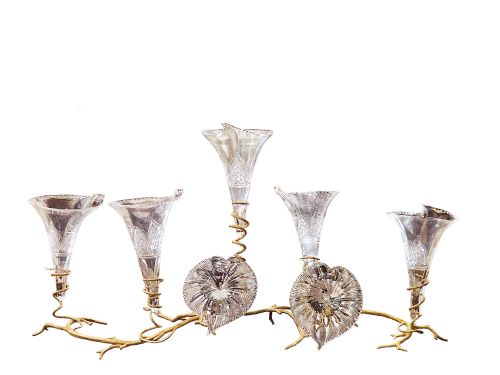
An ornate bronze centerpiece brings heavy metal and glass onto a dining table, offering a formal focal point for grand rooms.
Ornate Bronze Centerpiece
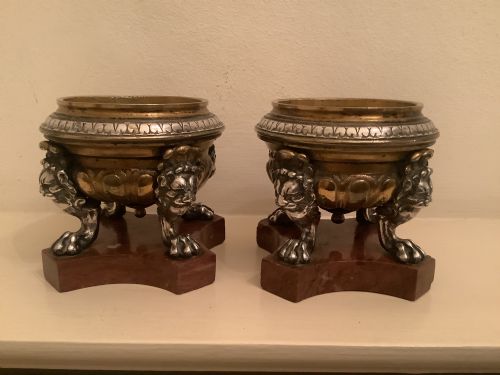
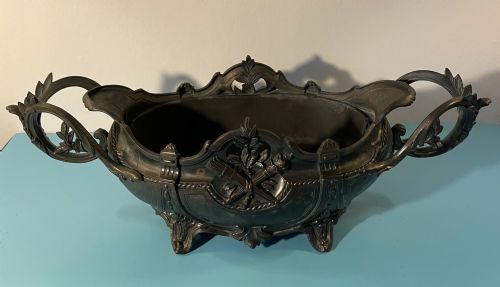
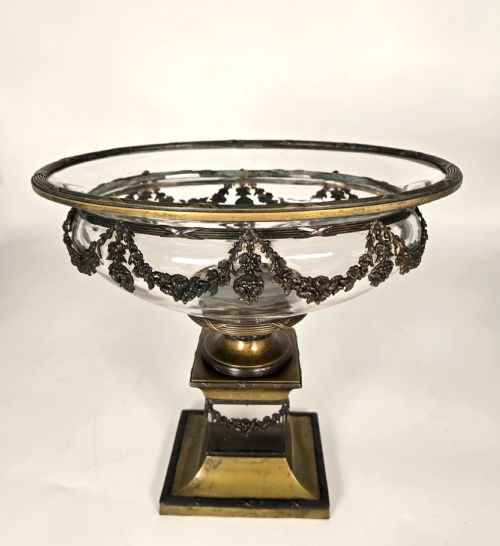
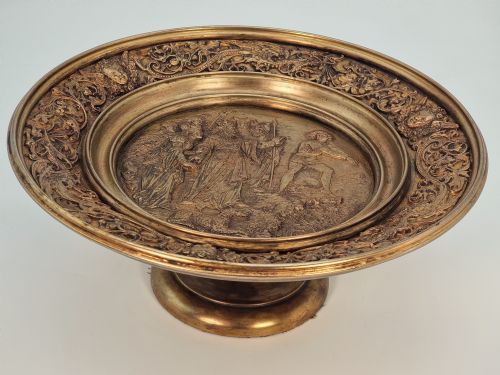
When you search for an ornate bronze centerpiece, you encounter substantial table vessels designed for display, including tazzas, jardinieres, and decorative bowls. These objects typically arrive from nineteenth-century French workshops, spanning styles from Neoclassical and French Rococo Revival to Empire and Napoleon III.
The most common formats on this page combine cast metal mounts with glass, crystal, marble, or porcelain inserts. They often sit on pedestals or feet, serving traditionally as fruit stands, flower holders, or standalone decorative ornaments for large dining tables and sideboards.
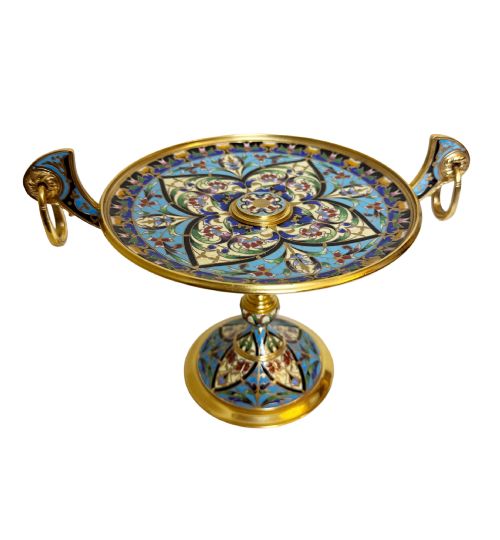
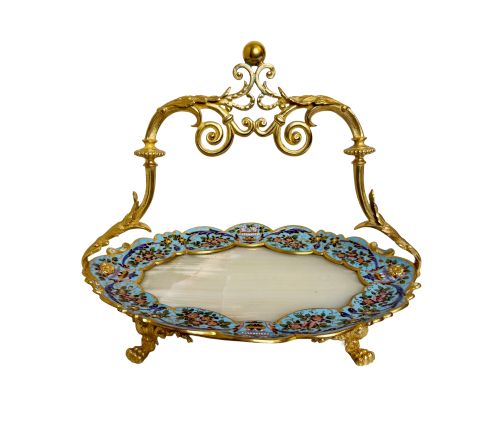
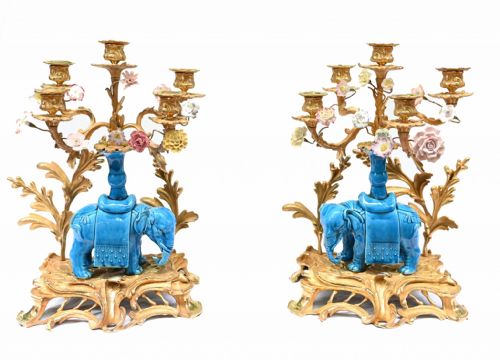
Many examples incorporate mixed media, pairing gilt bronze or ormolu with champleve enamel, Limoges plaques, or silvered finishes. Their forms range from classical urns and low platters to tall pedestal bowls flanked by handles.
How they were made
Makers cast these pieces using traditional foundry methods, employing bronze, brass, and gilt metals shaped into intricate botanical and figurative motifs. Guilds and ateliers applied mercury gilding or electroplating to achieve the bright ormolu finishes seen across nineteenth-century examples.
Artisans combined metalwork with fragile inserts, mounting cast bronze frames securely around blown glass bowls, crystal vessels, and carved marble bases. Decorative details such as champleve enamel and Limoges plaques were fired separately before being set into the metal armature.
Ornate Bronze Centerpiece Retail Price Guide 2026
Typical asking prices for ornate bronze centerpiece among the pieces listed under this phrase on Sellingantiques today, from the lower quarter to the upper quarter. They describe what is for sale here now, not the wider market.
Several heavy bronze platters weigh in at four kilograms, proving that nineteenth-century dining tables required sturdy construction.
What varies in quality
The sharpness of the cast ornament distinguishes finer examples from simpler production, particularly where leaf scrolls, figures, and classical mounts meet the eye. Crisp chasing work after the initial casting removes surface flaws and brings depth to the metal.
Material combination also drives distinction, as pieces integrating heavy crystal, hand-painted enamel plaques, or carved marble and alabaster represent more ambitious manufacturing efforts than standard metal-only platters.
Lerolle Fres·Henry Dasson
The Ornate Bronze Centerpiece Glossary
- Ormolu
- Gilded bronze produced by applying a mercury-gold amalgam to a bronze base, creating a rich golden surface. This technique was widely utilised by French makers during the eighteenth and nineteenth centuries.
- Tazza
- A shallow bowl or plate mounted upon a stem and foot, used traditionally for serving fruit or sweets. In nineteenth-century metalwork, these often feature elaborate cast handles and enamel panels.
- Jardiniere
- An ornamental receptacle designed to hold plants or floral arrangements indoors. They frequently appear in bronze and ceramic combinations on dining tables.
- Champleve enamel
- A technique where troughs or cells are hollowed out of the metal surface and filled with vitreous enamel before firing. It creates vibrant coloured patterns across bronze centrepieces.
- Napoleon III style
- A nineteenth-century French aesthetic drawing heavily on eclectic historical revivals, mixing Rococo curves with classical symmetry. Pieces from this period often display heavy gilding and ornate mounts.
Ornate Bronze Centerpiece: Frequently Asked Questions
What were ornate bronze centerpieces used for?
These large vessels sat in the middle of dining tables during formal meals, often holding fruit, flowers, or sweetmeats. They served primarily as decorative displays of wealth and taste for affluent households.
Over time, many transitioned to sideboards and mantelpieces as permanent decorative objects rather than serving dishes.
How do I clean a bronze centerpiece?
Dusting gently with a soft, dry cloth is usually sufficient to maintain the surface without disturbing the metal or gilding. Avoid chemical polishes, particularly on ormolu and gilt surfaces, which can strip the thin gold layer.
If the piece includes a glass or ceramic insert, remove it carefully for washing with mild soap and warm water.
How do I tell nineteenth century pieces apart?
Nineteenth-century styles shifted through distinct revivals, moving from strict Neoclassical and Empire symmetry toward elaborate Rococo curves and eclectic Napoleon III designs. Examining the casting quality, patination, and secondary materials like champleve enamel helps narrow down the specific decade of production.
Signature marks or foundry stamps occasionally appear on the underside or rims, pointing to specific French workshops.
Can I use these for fresh flowers?
Many jardinieres and pedestal bowls were originally lined with metal or glass inserts specifically designed to hold water and damp soil or floral foam. Checking the condition of any internal liner ensures the main bronze body remains protected from moisture.
If a liner is missing or cracked, placing a separate glass container inside prevents water damage to the antique metal.