





Ornate Brass Mantel Clock
An ornate brass mantel clock brings heavy nineteenth-century presence to a room, combining architectural brasswork with precise mechanical movement.
Ornate Brass Mantel Clock
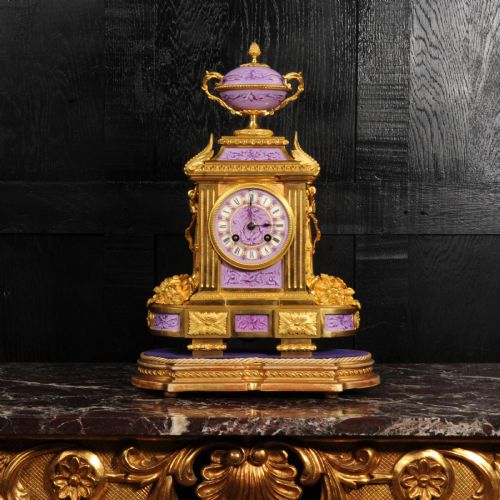
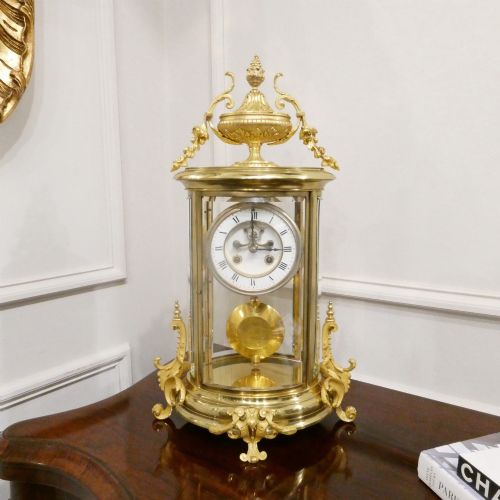
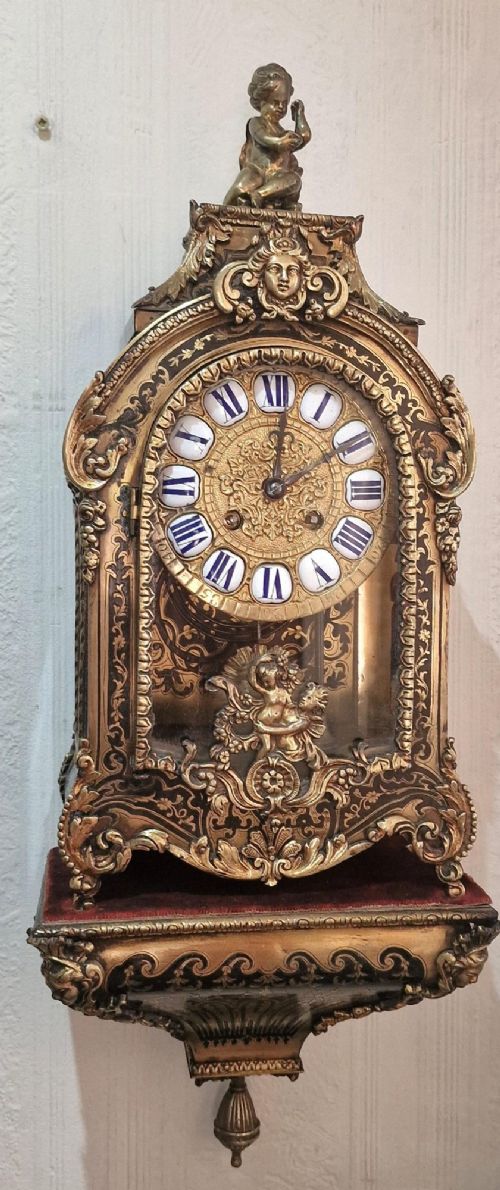
An ornate brass mantel clock is typically a French or English timekeeper from the nineteenth century, spanning Victorian, Rococo Revival and Louis styles. The selection leans heavily towards French production from the 1860s to 1890s, featuring elaborate cast metal and decorative detailing designed for prominent domestic display.
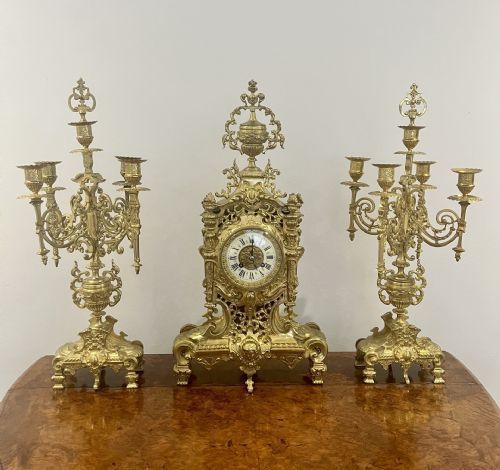
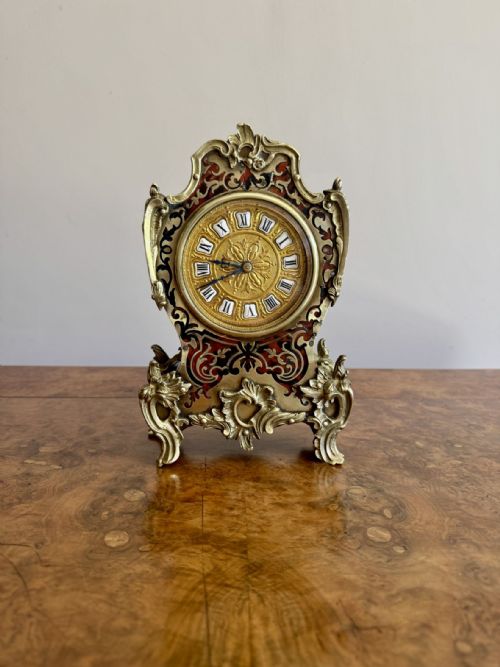
Forms range from large architectural four-glass models and striking table clocks to compact carriage clocks and matching garniture sets. Buyers encounter heavy gilt bronze, ormolu and solid brass housings, frequently paired with contrasting marble plinths or decorative porcelain panels.
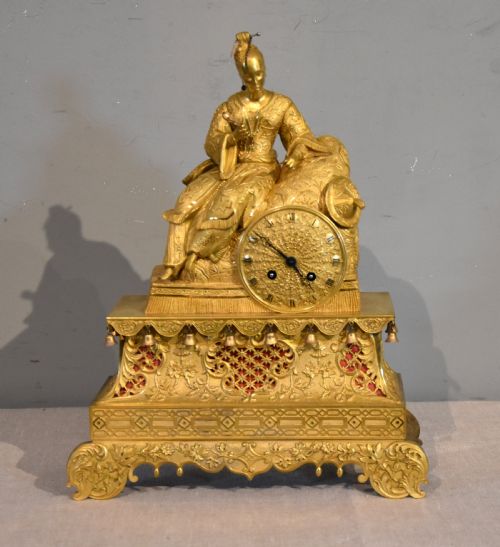
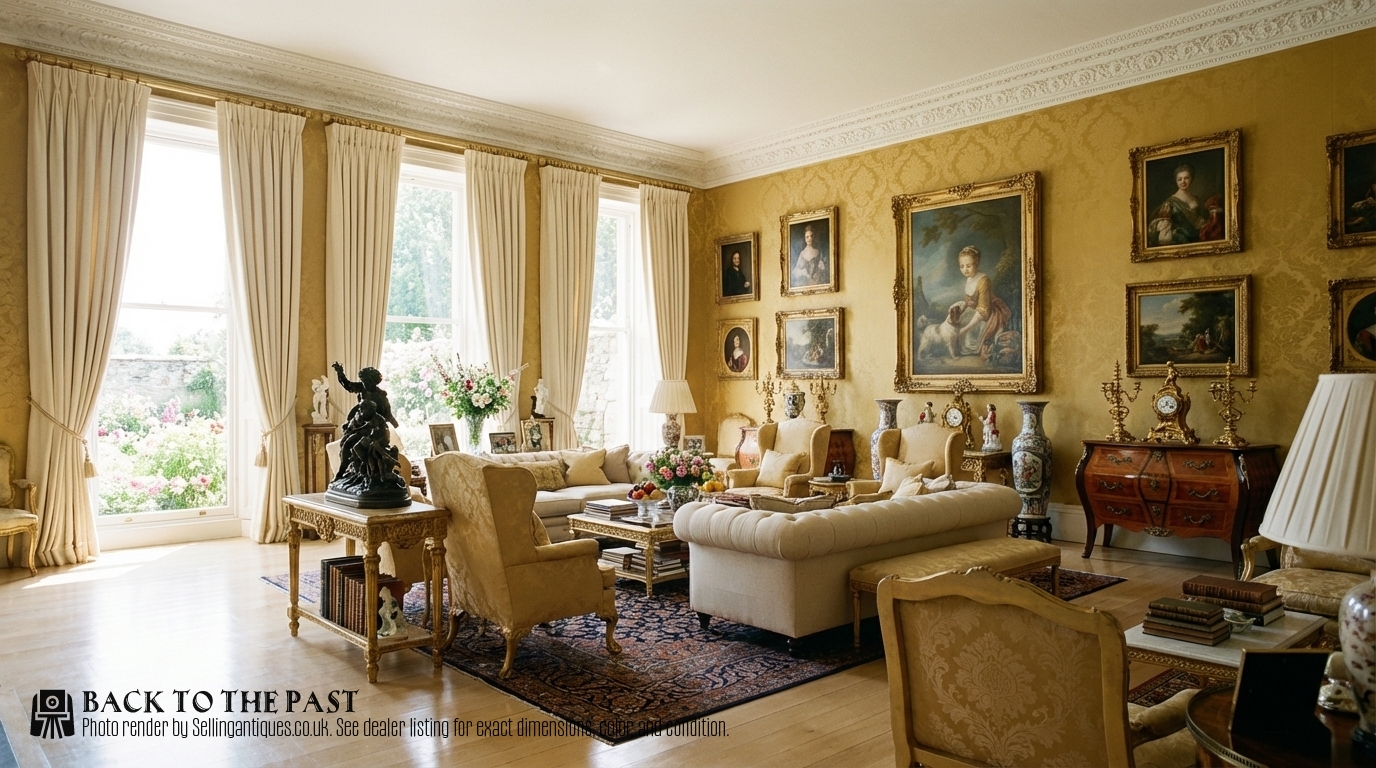
The aesthetic is unapologetically ornate, drawing on scrolling foliage, figurative elements and classical architectural motifs. These objects served as both status symbols and reliable timepieces for nineteenth-century interiors, remaining focal points in modern rooms today.
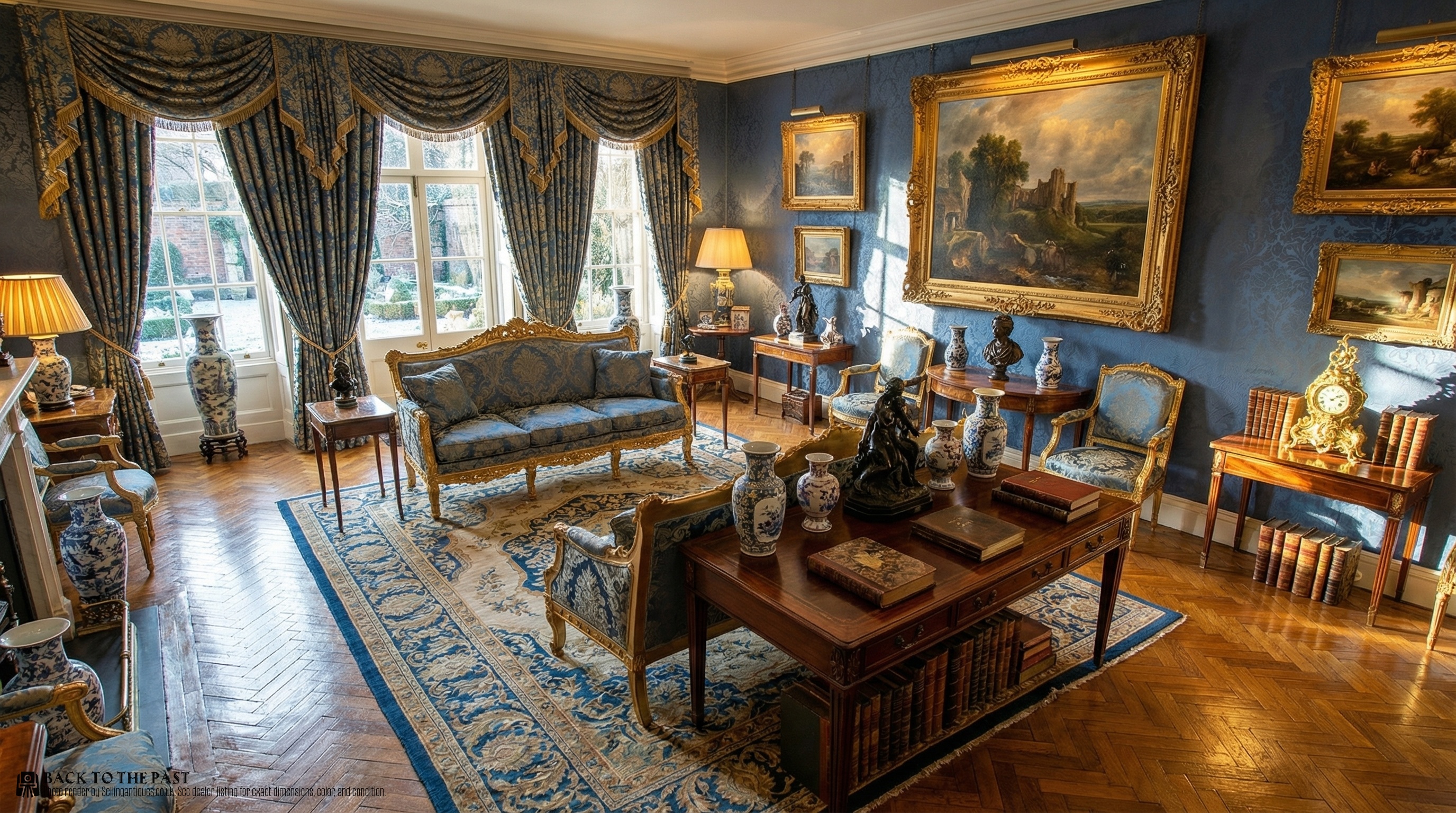
How they were made
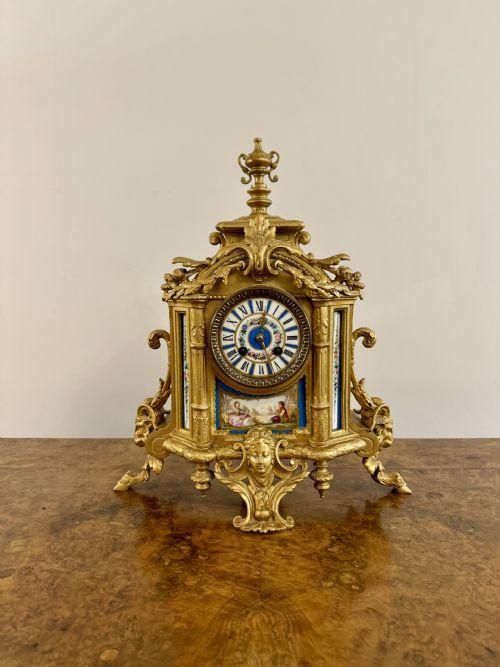
Maker workshops utilised heavy brass, bronze and copper alloys, finished with mercury gilding, ormolu, or fine hand-chasing to achieve rich surface textures. Cases often incorporate inset porcelain panels, glazed bevelled glass panels, or contrasting red and dark marble bases that provide structural weight.
Intricate dial work frequently employs hand-painted enamel chapter rings and cartouches alongside engraved gilt brass masks. Mechanical movements incorporate robust brass gear trains, anchor escapements and pendulum or balance wheel regulation, driven by twin fusee or spring barrel mechanisms.
Ornate Brass Mantel Clock Retail Price Guide 2026
Typical asking prices for ornate brass mantel clock among the pieces listed under this phrase on Sellingantiques today, from the lower quarter to the upper quarter. They describe what is for sale here now, not the wider market.
Certain nineteenth-century French models proudly advertise having 'lots going on', packing visible rotating escapements and chimes into a single bustling brass case.
What varies in quality
The distinction between standard production and top-tier work rests on the crispness of the bronze casting and the depth of the hand-chiselling across the brass surfaces. Master makers invested heavily in finishing details, ensuring that cast scrollwork and figural mounts retain sharp relief rather than soft, muddy outlines.
Movement sophistication also dictates grade, separating basic timepieces from complex grand sonnerie striking mechanisms or twin fusee configurations signed by notable makers. The integration of high-grade materials like Sèvres porcelain, flawless bevelled glass and fire-gilt surfaces elevates the standing of individual pieces.
Achille Brocot·Samuel Marti·Japy Freres·William Payne·John Barwise
The Ornate Brass Mantel Clock Glossary
- Ormolu
- Finely ground high-carat gold applied to a bronze base using a mercury amalgamation technique, creating a rich, lasting metallic lustre. This finish defines the most luxurious French nineteenth-century clock cases.
- Garniture
- A decorative set comprising a central clock flanked by matching ornaments such as urns or candelabra. These matched groupings were designed to create a balanced focal point on a mantelpiece.
- Fusee
- A conical pulley with spiral grooves used in high-grade clock movements to maintain even driving force as the mainspring unwinds. This mechanism improves timekeeping accuracy across the power reserve.
- Champlevé
- An enamelling technique where troughs or cells are hollowed out of the metal surface and filled with coloured glass paste before firing. The resulting flush geometric or floral patterns decorate many late-Victorian brass clock cases.
- Grand Sonnerie
- A complex striking train that chimes the hours and quarters automatically on passing hours and quarters. It represents a high order of horological craftsmanship found in superior carriage and desk clocks.
Ornate Brass Mantel Clock: Frequently Asked Questions
How do I wind an antique clock?
Most mechanical clocks require a specific winding key inserted into the dial holes to tension the springs every week or eight days. Care must be taken not to overwind the mechanism.
Moving the hands requires following the specific instructions for the escapement type to avoid damaging delicate internal gear teeth during adjustment.
Where should I place a mantel clock?
These heavy brass and marble timekeepers require a stable, level surface capable of supporting considerable weight without shifting. Mantelpieces or heavy sideboards provide ideal settings.
Placement should avoid direct sunlight, damp walls and areas subject to strong vibrations to keep the delicate internal pendulum beating reliably.
How do I identify the period?
Dating relies on examining the casting style, dial typography, escapement design and any maker stamps marked on the backplate of the movement. Victorian and nineteenth-century pieces often mix revivalist architectural motifs.
Maker signatures and registration marks help narrow down the decade of production when exterior stylistic cues overlap between eras.
What is a clock garniture set?
A clock garniture set consists of a main mantel clock accompanied by two matching side ornaments, typically shaped as decorative urns or vases. These matched groups were manufactured together from identical materials.
Displaying the complete set creates a symmetrical arrangement on large fireplaces or console tables in period reception rooms.