


Ornate Brass Fireplace Screen
An ornate brass fireplace screen is the decorative centrepiece of a period hearth, shielding the room from sparks while adding lavish metallic polish.
Ornate Brass Fireplace Screen
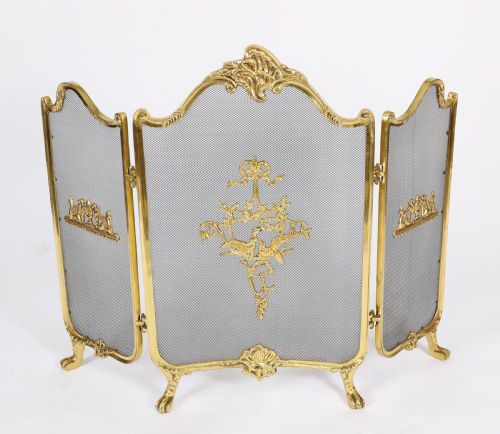
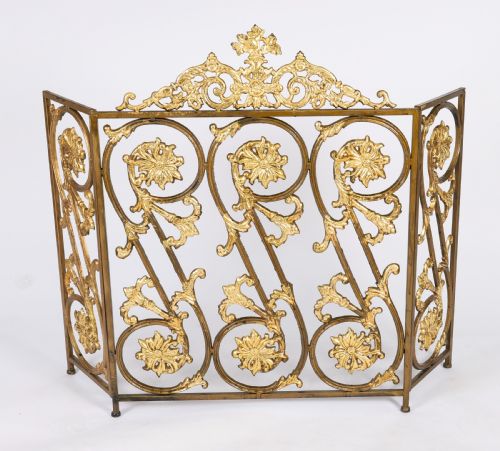
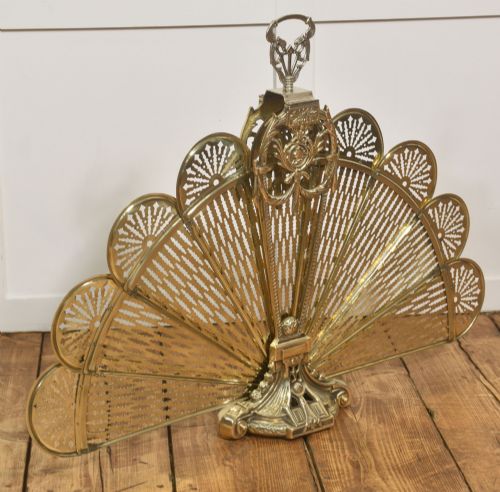
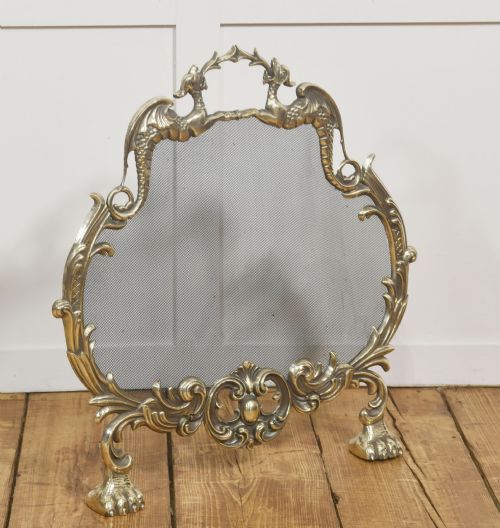
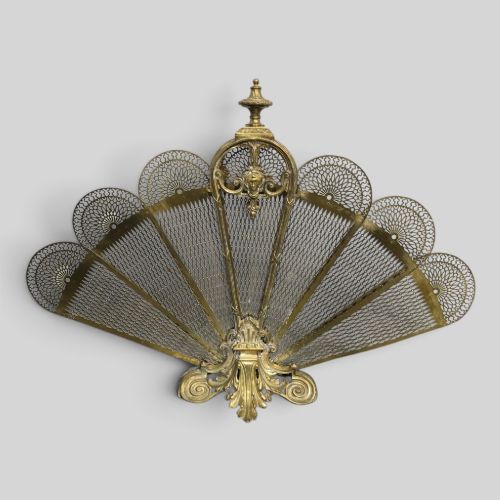
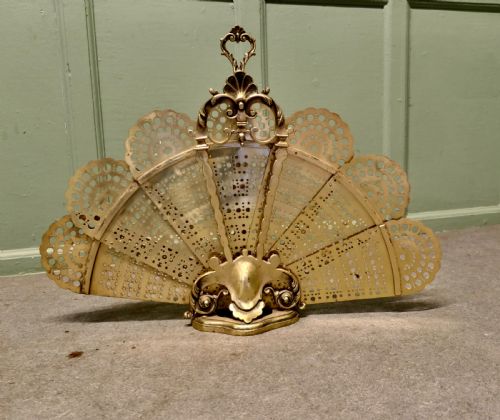
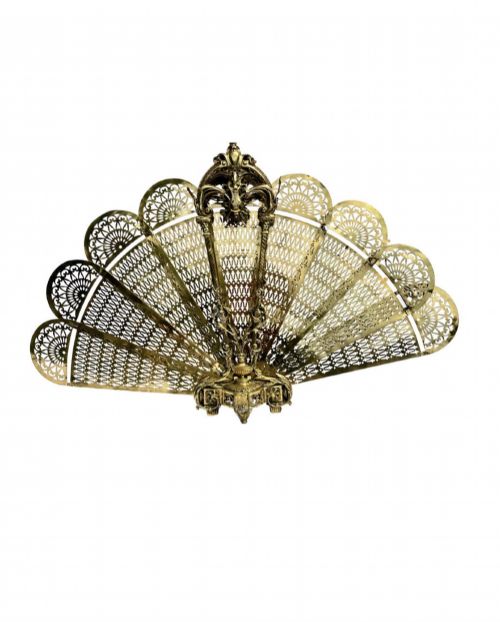
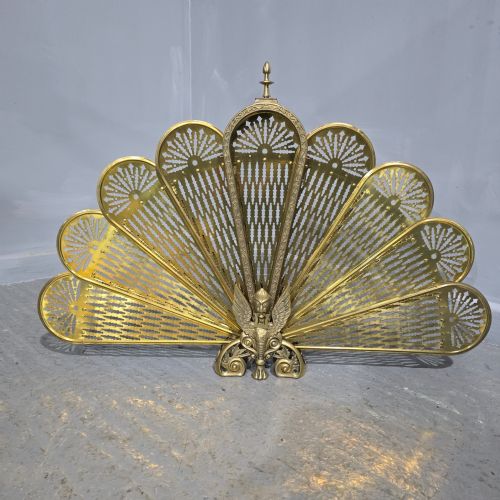
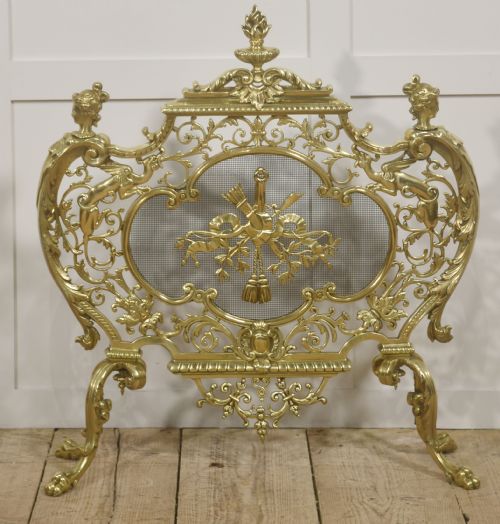
An ornate brass fireplace screen brings period weight and detailed metalwork to a room, serving as a physical barrier in front of an unlit grate. Buyers seeking an ornate brass fireplace screen will encounter freestanding folding guards, solid panels with wire mesh, and expanding peacock fan designs.
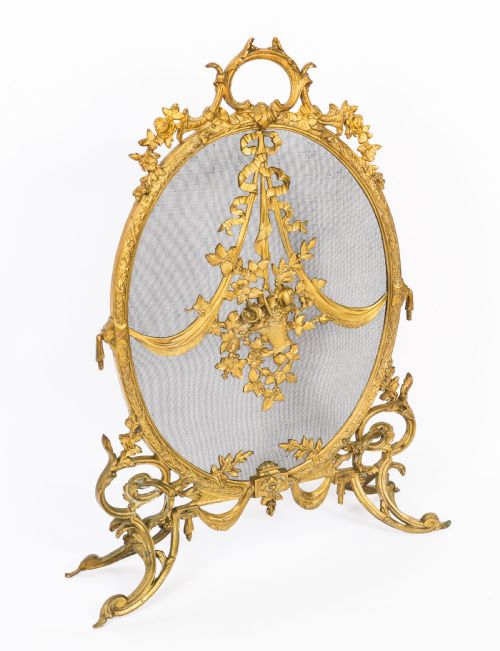
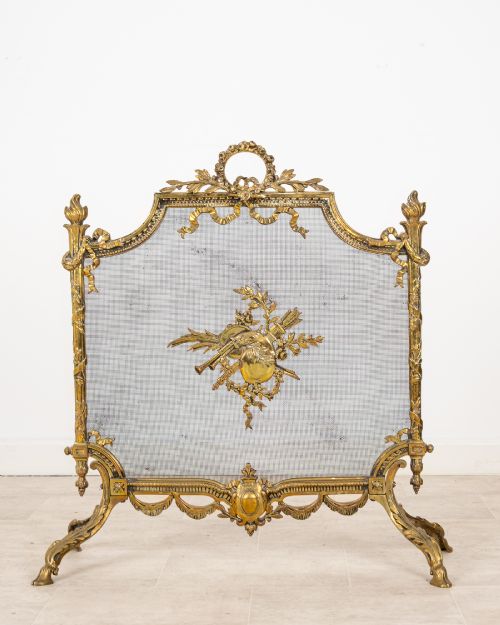
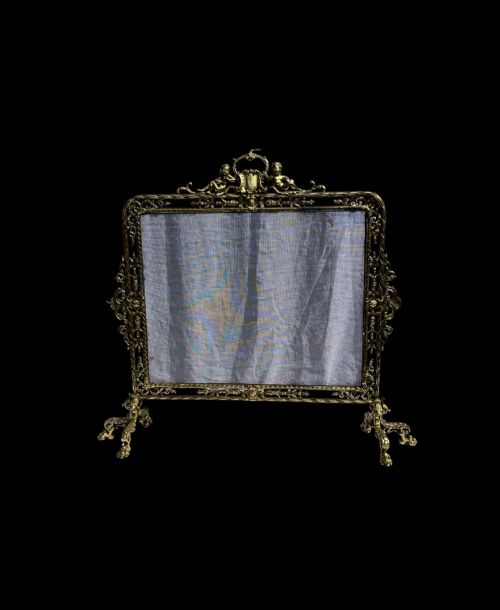
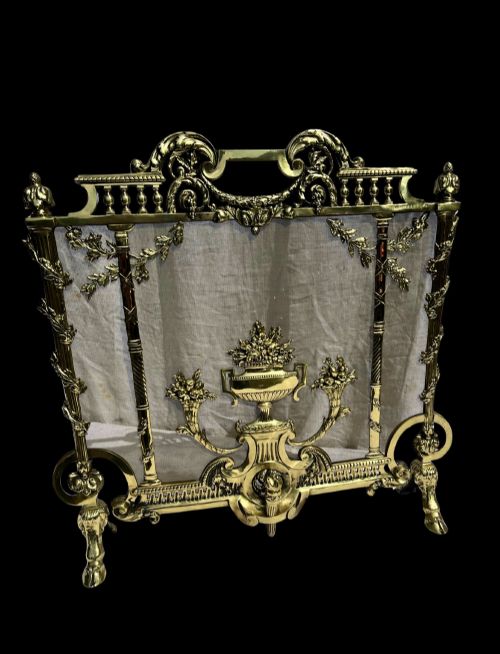
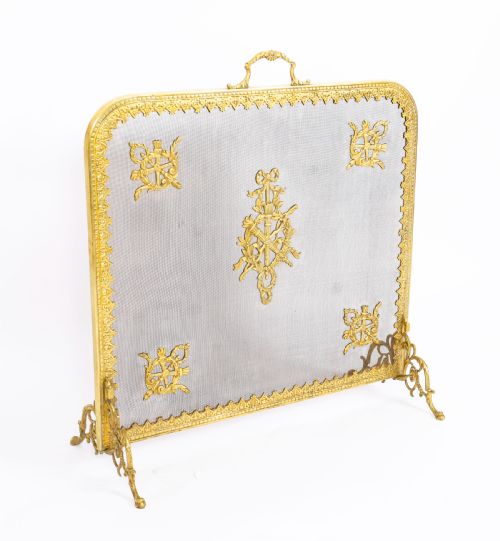
The selections span the nineteenth century, including Victorian examples alongside French Rococo Revival, Louis XIV Revival, Louis XVI, and Empire Revival styles. These pieces often feature cast bronze elements, pierced frames, and classical motifs such as flaming torches or dolphins.
Many of the items originate from French workshops or British Victorian parlours, reflecting elaborate historicist tastes. The physical forms vary from rigid three-panel folding screens to semicircular expanding fan guards that fold flat when not in use.
Materials and construction
Construction relies heavily on cast and sheet brass, frequently augmented by gilt bronze and fine wire mesh panels. Metal mesh protects the room from stray embers while allowing the warmth of the fire to radiate outward into the space.
Foundry workers utilised casting and piercing techniques to create intricate openwork frames featuring scrolling foliage and asymmetrical Rococo motifs. Gilt finishes were applied to bronze and brass components to enhance the reflective surface under candlelight or gas lamps.
Distinctions in quality
Quality rests in the crispness of the cast ornamentation and the rigidity of the frame, separating mass-produced items from finely hand-chased foundry work. Superior examples exhibit deep, clean piercing in the brass and robust hinges that support folding panels without sagging.
The choice of materials further defines the tier of the piece, with heavy gilt bronze and substantial cast brass frames marking higher workmanship than lighter stamped sheet metal. Intricate detailing such as classical trophies or figural dolphins indicates greater artisanal skill during production.
The Ornate Brass Fireplace Screen Glossary
- Rococo Revival
- A nineteenth-century design movement favouring asymmetrical scrolls, C-scrolls, and naturalistic shell motifs. This style draws inspiration from the eighteenth-century French court.
- Gilt Bronze
- Metalwork cast in bronze and subsequently coated with a fine layer of gold. It provides a durable, warm metallic lustre.
- Fire Guard
- An alternative term for a fire screen or spark screen designed to protect the room from hearth embers. These guards can be rigid panels or expanding fans.
- Wire Mesh
- A woven metal grid fitted into the centre of a screen frame. It contains sparks while maintaining visibility of the hearth.
Ornate Brass Fireplace Screen: Frequently Asked Questions
How do I use a fire screen?
A fire screen stands directly in front of the fireplace opening when the hearth is not in active use. It serves to conceal an empty grate during warmer months and adds a decorative focal point to the room.
When a fire is burning, mesh panels act as a safety barrier against escaping sparks. Solid panels are moved aside during operation and placed back once the embers cool down.
How do I date an antique screen?
Dating relies on stylistic clues, manufacturing techniques, and material composition. Pieces displaying heavy cast brass and intricate Rococo scrollwork often point toward the nineteenth century.
Victorian examples frequently incorporate wire mesh and brass frames, while French Empire Revival pieces showcase classical trophies and gilt bronze. Examining the hinges and assembly methods helps confirm the era of production.
Are these screens freestanding?
Most period screens are designed to be freestanding on feet or stable bases. Folding multi-panel screens support themselves by angling the wings outward.
Single panel screens rely on heavy cast feet or stable side brackets to remain upright on the hearth. They require no permanent installation into the fireplace surround.