


Ornate Brass Desk Lamp
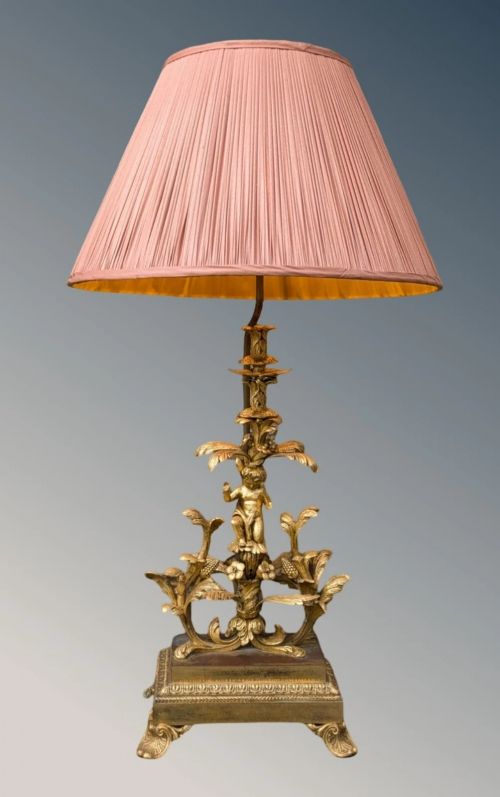
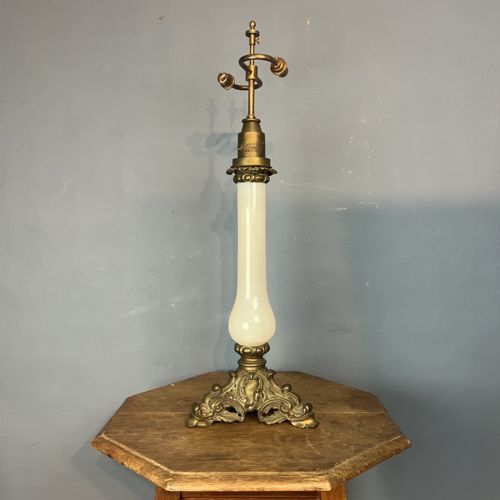
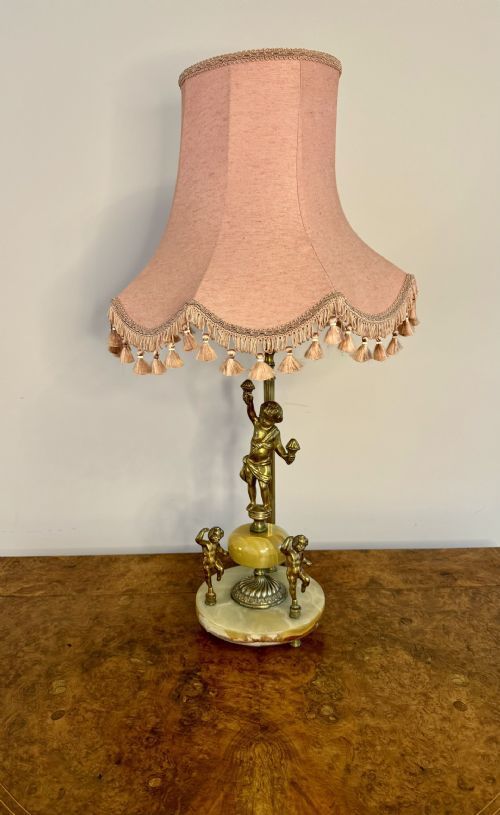
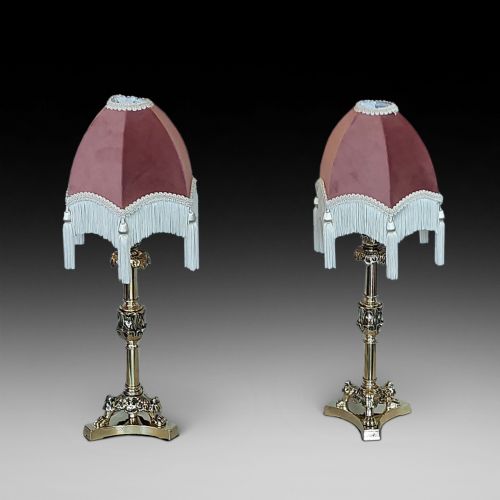
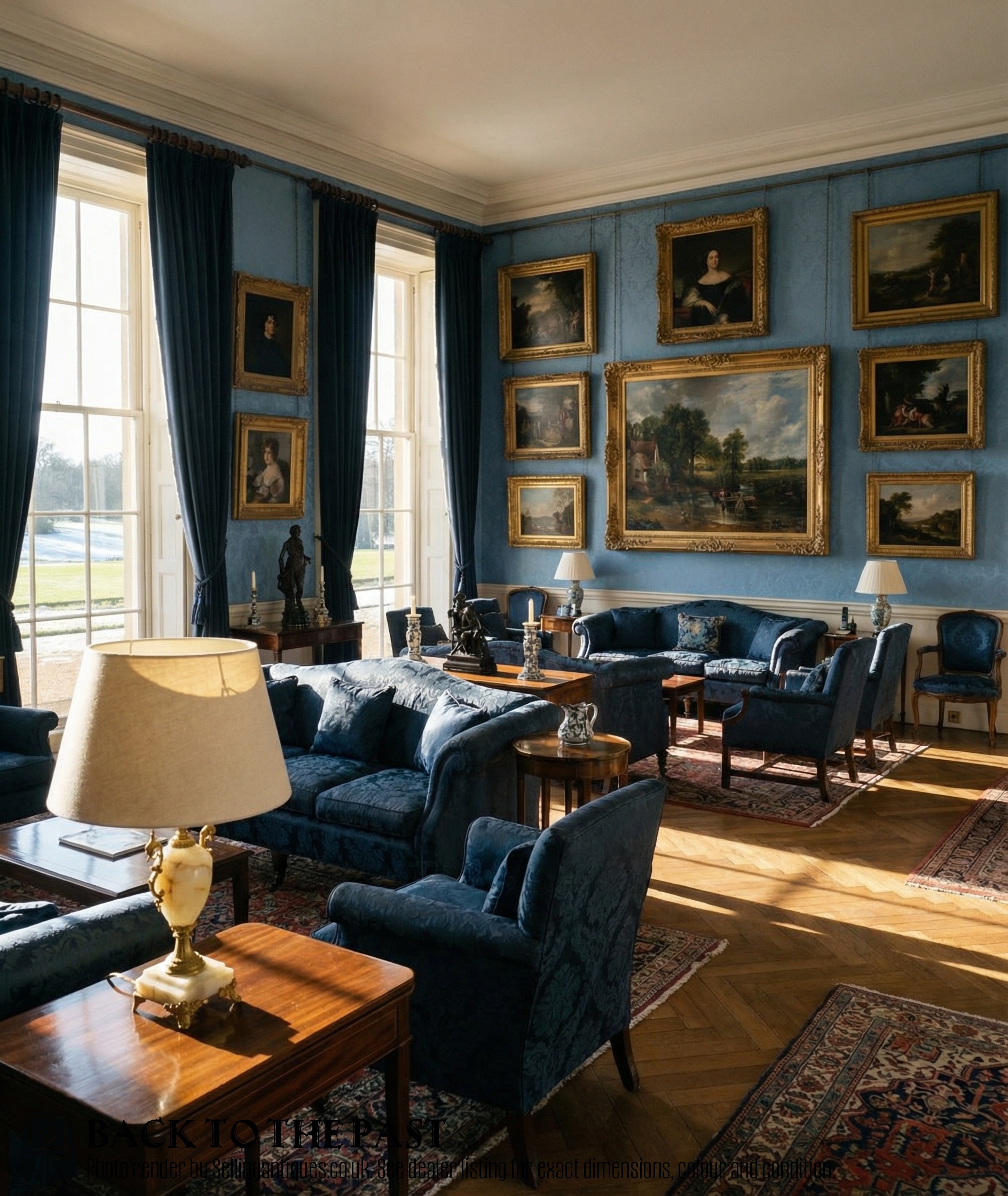
An ornate brass desk lamp brings warm illumination and heavy metalwork to a writing table.
What They Are
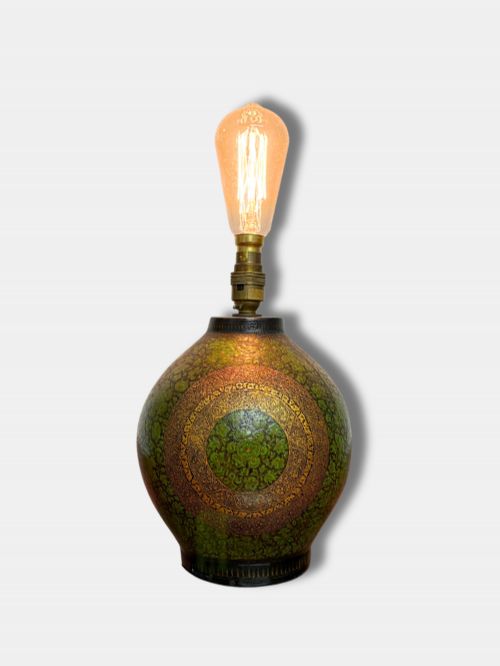
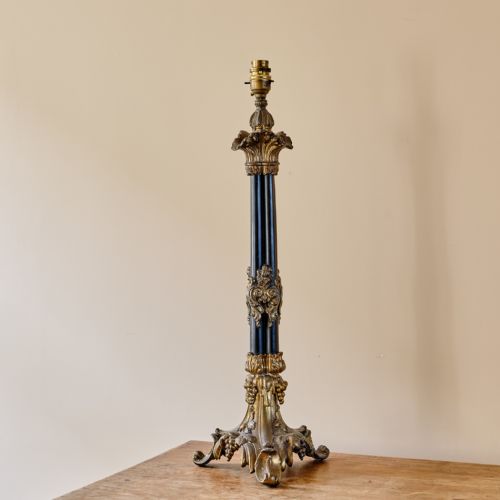
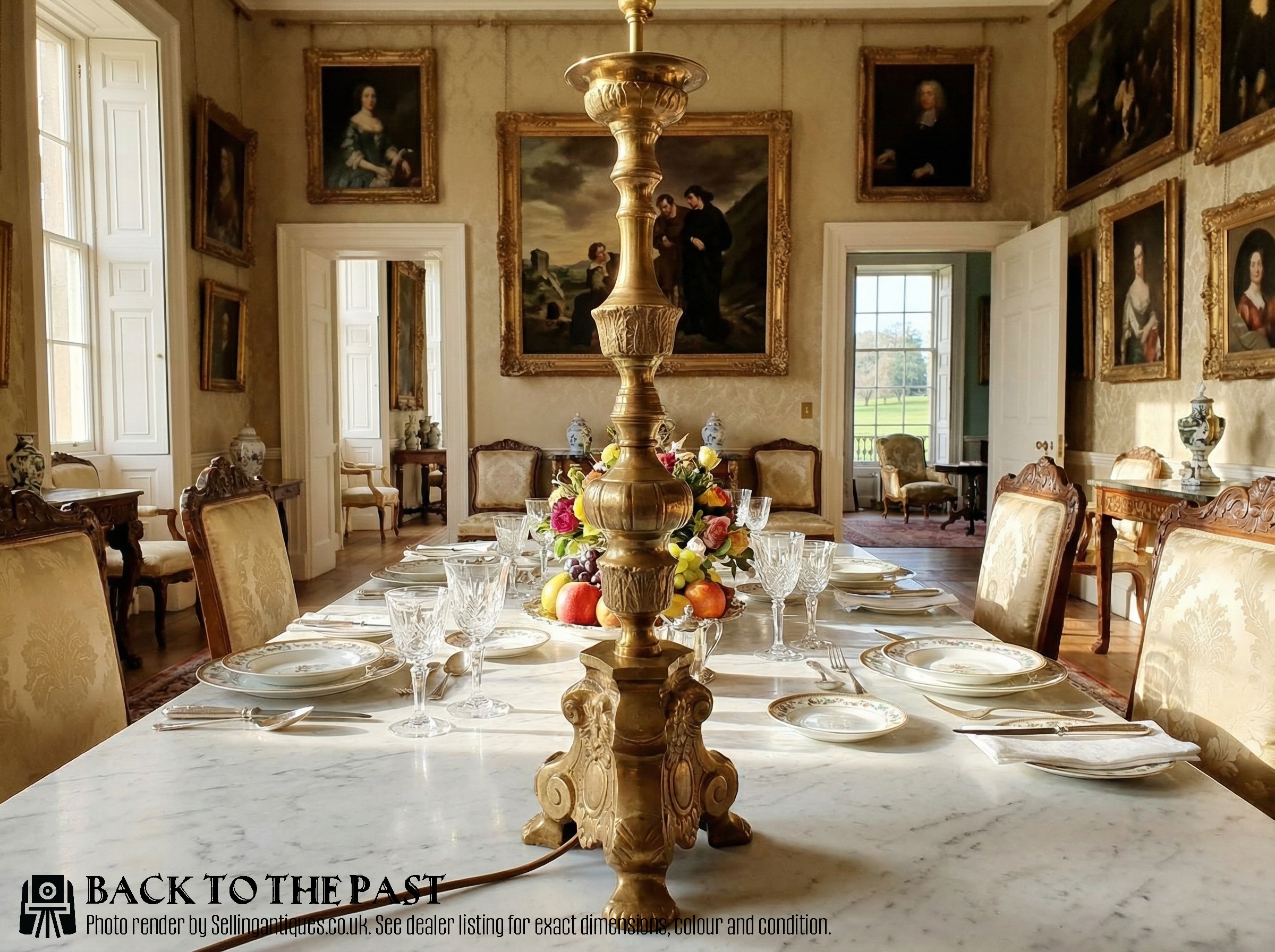
An ornate brass desk lamp provides task lighting through substantial metal frames and decorative stands. Pieces matching the search phrase ornate brass desk lamp span the nineteenth century through the early twentieth century.
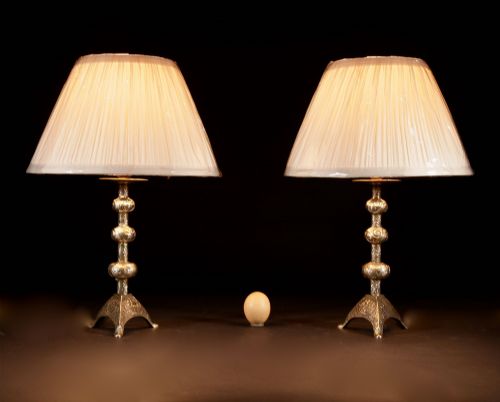
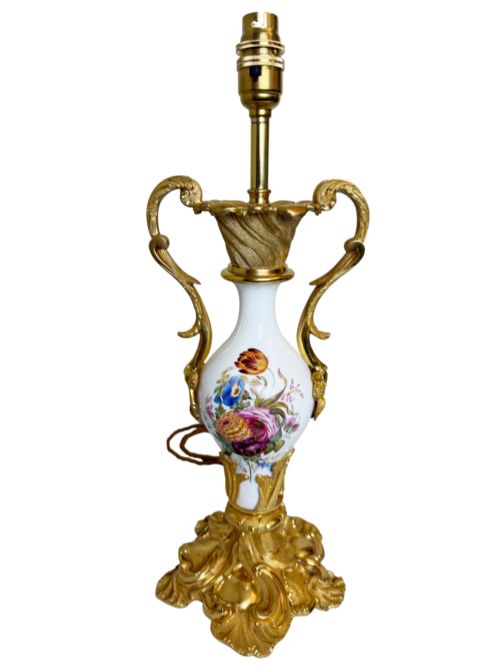
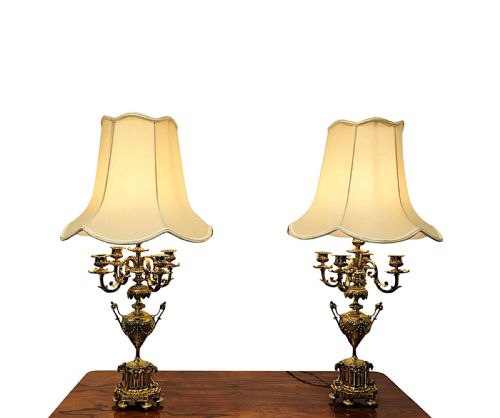
The collection includes table lamps and candlesticks adapted for illumination, featuring Victorian, French Rococo Revival, Baroque Revival and Neoclassical styles.
Buyers encounter single lamps, pairs, and mounted stone bases dating from eighteen fifty up to nineteen thirty.
How They Were Made
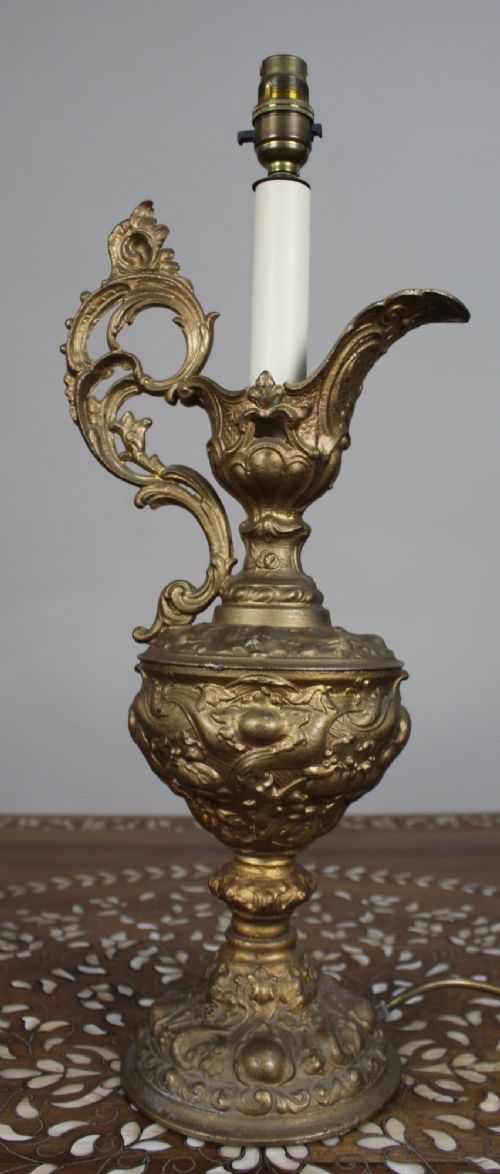
Maker workshops construct these objects using brass, gilt bronze, and general metal mounts. Artisans shape the bodies through repoussé work, hammering designs from the reverse to raise the relief surface.
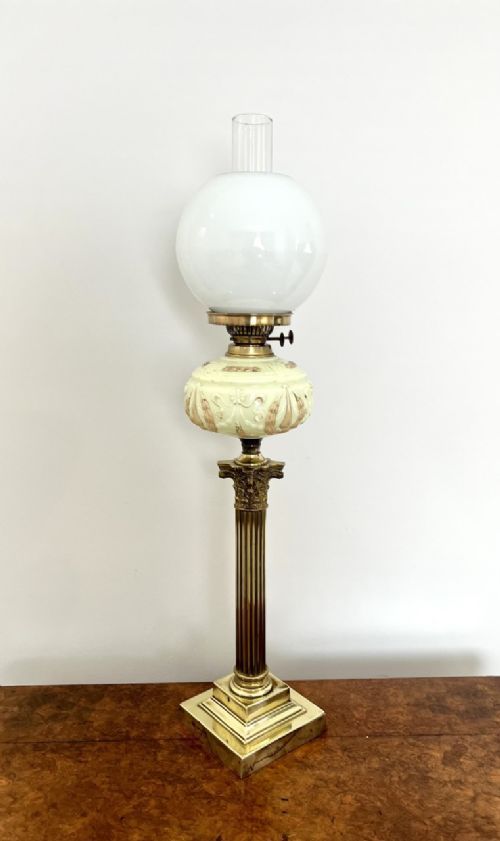
Designs incorporate contrasting elements such as opaline glass bodies, onyx mounting blocks, and fabric or silk shades. Patent mechanisms secure internal components as seen in stamped nineteenth-century examples.
Retail Price Guide 2026
Typical UK retail prices for ornate brass desk lamp, calculated from the Sellingantiques database of over a million retail prices indexed since 2003. This retail price guide relies exclusively on Sellingantiques data; no external sources or auction records are used, so the figures do not describe the wider market.
Listings feature four distinct decorative styles: Victorian, French Rococo Revival, Baroque Revival, and Neoclassical.
What Varies in Quality
The distinction between standard production and superior examples rests on the depth of the metalworking and the finish of the gilt bronze. Richly chased surfaces and heavy cast frames separate master-level output from simpler industrial output.
Material integration also defines the scale, where the combination of genuine onyx bases and hand-blown opaline glass elevates the presence of the table lamp far beyond plain metal construction.
Mc Garys Patent
The Ornate Brass Desk Lamp Glossary
- Repoussé
- A metalworking technique where the artisan hammers the metal from the reverse side to form a raised design on the front. This method creates the textured relief seen on nineteenth-century lamp bodies.
- Opaline glass
- A pale, translucent glass type used for lamp bodies that diffuses bulb light softly. It appears alongside metal mounts in mid-nineteenth-century pieces.
- Gilt bronze
- Bronze metal treated with a fine gold layer or finish to resemble solid gold. This material provides the golden sheen on nineteenth-century table lamps.
- Baroque Revival
- A decorative style reviving seventeenth-century theatrical, ornate forms with heavy curves and rich detail. It surfaces in early twentieth-century candlestick lamp adaptations.
- Neoclassical
- An aesthetic drawing on classical Greek and Roman motifs, focusing on symmetry and restrained proportion. It informs the architectural lines of period lighting.
Frequently Asked Questions
What periods do these lamps cover?
The inventory spans the nineteenth century up to the nineteen thirties. Pieces range from mid-nineteenth-century Victorian designs to early twentieth-century revival styles.
Specific dates include eighteen fifty and the nineteen twenties, reflecting diverse historical manufacturing periods.
What materials make up these desk lamps?
Construction relies primarily on brass and gilt bronze for the structural bodies and decorative mounts. Artisans combine these metals with onyx bases and opaline glass.
Additional components include fabric and silk elements used to complete the lighting fixtures.
How do revival styles influence the designs?
Revival aesthetics draw heavily on historical motifs from French Rococo, Baroque, and Neoclassical movements. These styles dictate the swirling curves, classical symmetry, and heavy ornamentation.
Victorian sensibilities also guide the decorative choices found across the table lamps.
Are these lamps found as pairs or singles?
Surviving lighting comes in both single formats and matched pairs. Candlestick adaptations from the nineteen thirties often appear as single pieces.
Nineteenth-century repoussé brass examples can be found grouped as pairs.