
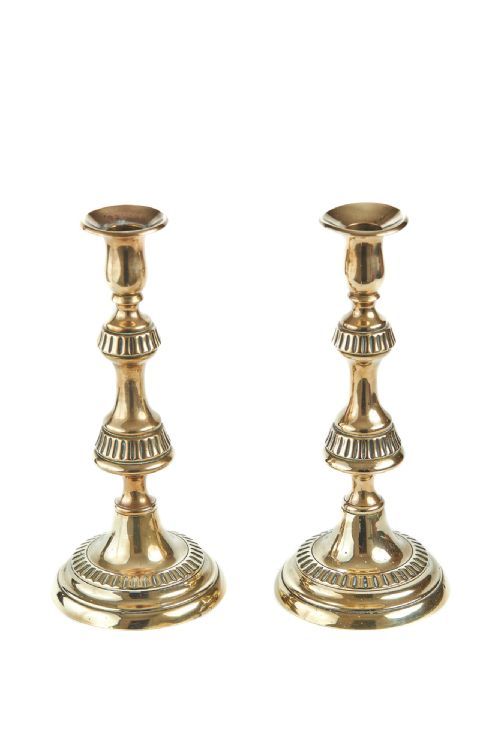
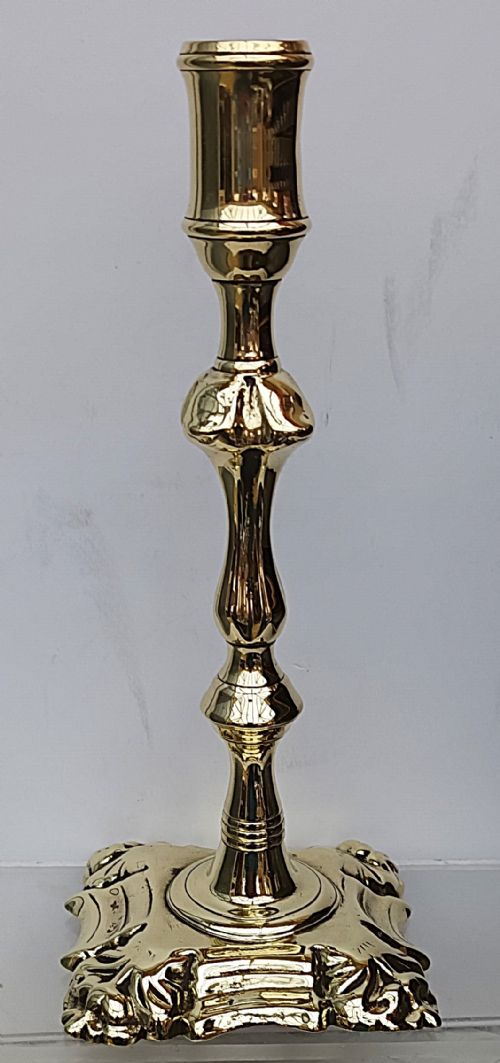


Ornate Brass Candleholder
An ornate brass candleholder brings warmth and decorative weight to a room, offering sculptural presence alongside practical light.
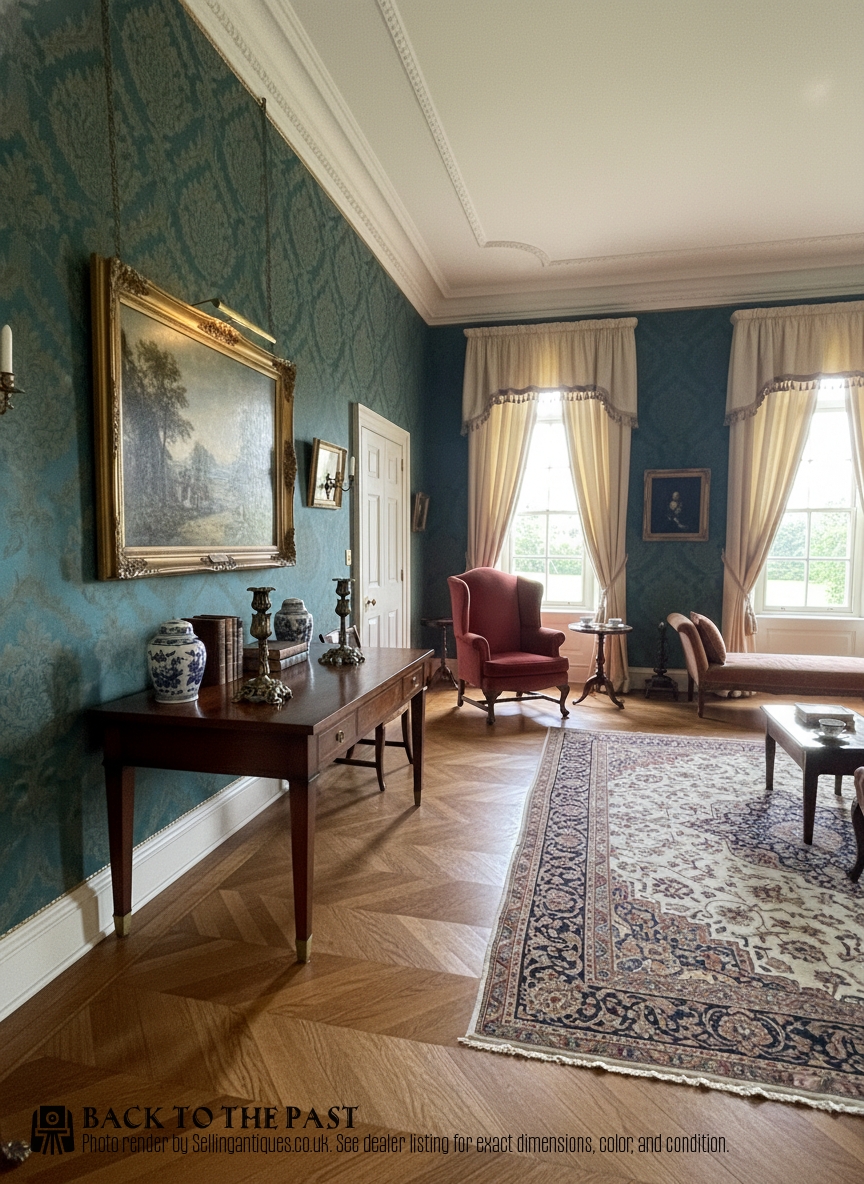
Ornate Brass Candleholder
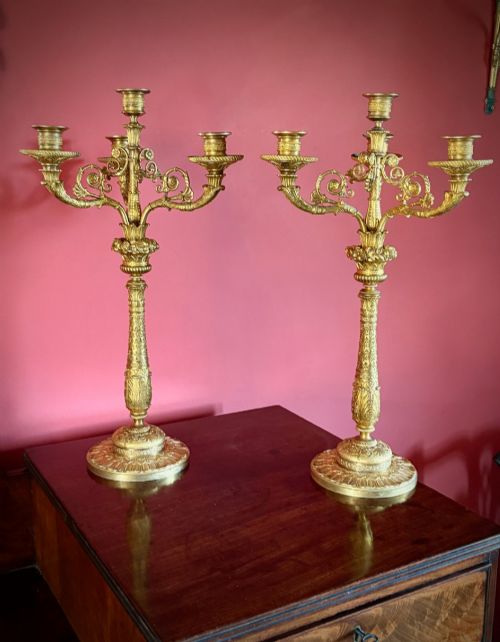
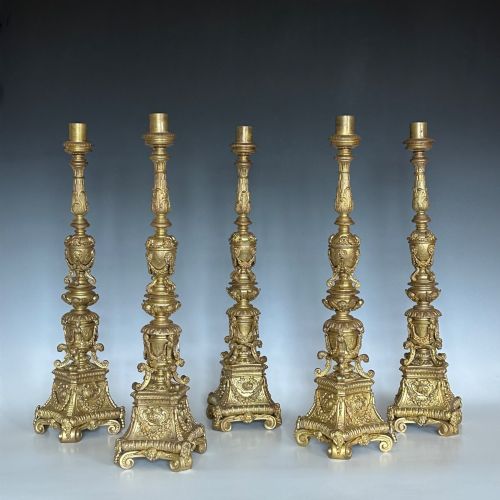
When searching for an ornate brass candleholder, buyers encounter nineteenth-century English and French examples, alongside earlier eighteenth-century specimens. The selection spans single candlesticks, multi-armed candelabra, and chambersticks designed for domestic use.
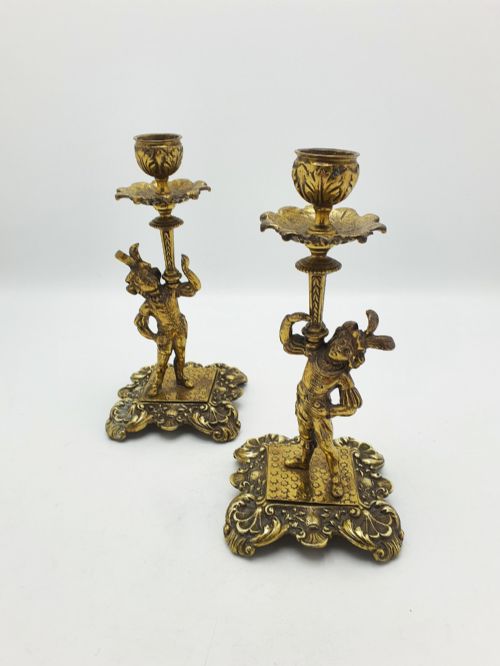
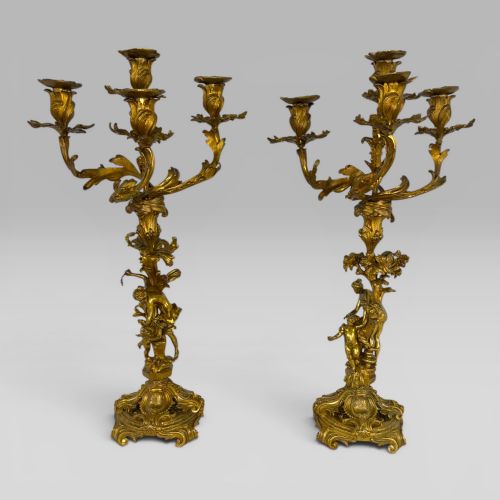
Victorian and Regency pieces dominate the current listings, often featuring figural designs, neoclassical motifs, or elaborate rococo scrolls. Paired items appear frequently, alongside occasional wall mirrors incorporating candle sconces.
Origins range across English workshops and continental makers, particularly French establishments working in Louis XVI and Empire styles. Materials extend beyond standard brass into gilt bronze, ormolu, and cast brass enriched with marble or glass.
How they were made
Metalworking techniques rely heavily on casting, allowing makers to achieve intricate relief work, figural elements, and scroll arms. Components are frequently cast in sections and joined or threaded together to form the complete object.
Surface finishes include fire gilding, ormolu application, and polishing to create varied textures between bright highlights and recessed patination. Combinations with contrasting materials such as marble bases, glass drops, or scarlet tortoiseshell boulle-work introduce additional visual depth.
Current listings span the eighteenth, nineteenth, and early twentieth centuries, incorporating materials such as marble, glass, and tortoiseshell alongside cast brass.
What varies in quality
The refinement of the casting separates standard production from superior examples, visible in the crispness of chased details and the naturalism of figural modelling. Heavier gauge metal and secure assembly indicate careful manufacture.
The integrity of the surface finish matters significantly, particularly the survival of original gilding or patination without aggressive cleaning. Integration of secondary materials like marble or glass components must be cohesive and structurally sound.
The Ornate Brass Candleholder Glossary
- Ormolu
- Gilded bronze produced by applying a mercury and gold amalgam to a bronze base and heating it. This technique creates a durable, rich golden finish characteristic of fine French decorative objects.
- Candelabra
- A branched candlestick holding multiple lights on separate arms. These large fixtures often feature central stems and elaborate decorative flourishes.
- Chamberstick
- A short portable candlestick fitted with a pan to catch dripping wax and a loop handle for carrying. They provided illumination in bedrooms and hallways.
- Grand Tour
- Cultural travel undertaken by wealthy Europeans during the eighteenth and nineteenth centuries. Souvenirs acquired on these journeys frequently included classical bronzes and decorative metalwork.
- Boulle-work
- Elaborate marquetry incorporating tortoiseshell and brass inlay, named after cabinetmaker André-Charles Boulle. Pieces featuring this technique display intricate contrasting patterns.
Ornate Brass Candleholder: Frequently Asked Questions
How do I clean a brass candleholder?
Gentle dusting with a soft cloth preserves the existing surface and accumulated age. Avoid abrasive polishes that strip away historical patination.
For stubborn wax residue, warm water applied cautiously helps soften the material without scratching the metal beneath.
Are these candleholders suitable for daily use?
Many solid brass and bronze pieces remain robust enough to hold taper candles during dinner settings or evening gatherings. Care is required with multi-armed ormolu examples to ensure stability and prevent wax damage to delicate surfaces.
Checking that the socket fits your chosen candle securely prevents tipping.
How can I tell French pieces from English ones?
French works from the nineteenth century frequently employ gilt bronze or ormolu with distinct rococo or empire revival styling. English counterparts often utilise heavy cast brass with simpler domestic proportions.
Maker marks, where present, help confirm continental or domestic origins.
What does a weighted base indicate?
Added weight provides necessary stability for tall or multi-armed candelabra carrying several candles simultaneously. This engineering choice prevents the fixture from toppling during use.
Heavier construction generally points toward higher quality manufacturing standards.